When to visit the Seychelles? Complete Guide

Between the Indian Ocean and a tropical climate, the Seychelles offer a paradise with multiple climatic facets to discover.

  • 0.1 M population
  • Seychellois Creole, English, French language
  • 180 days rainy days/year
  • May to October best time to visit
  • 7 to 14 days recommended stay

Weather and Climate in the Seychelles

Understanding the tropical oceanic climate of the Seychelles

The Seychelles enjoy a tropical oceanic climate influenced by Indian Ocean monsoons. Two distinct seasons shape the archipelago, determined by trade winds and rainfall, offering varied travel experiences depending on the chosen period.

  • Coastal Zone: Climate moderated by sea breezes with constant temperatures around 27°C / 81°F
  • Interior Mountainous Zone: More humid and cooler, particularly on Mahé and Praslin with higher rainfall
MonthAvg Temp (°C / °F)Rainfall (mm)Humidity (%)Wind
January27 / 8139080Low
February28 / 8227078Low
March28 / 8219077Variable
April28 / 8217577Variable
May27 / 8111575SE Trade Winds
June26 / 799074SE Trade Winds
July25 / 777573SE Trade Winds
August25 / 778573SE Trade Winds
September26 / 7912574SE Trade Winds
October26 / 7916576Variable
November27 / 8123578Variable
December27 / 8131579Low

Altitude variations on the main islands create microclimates, with cooler temperatures and increased rainfall in higher areas.

Climatic Seasons

Climate by Region of the Seychelles

Despite their small size, the islands of the Seychelles feature distinct microclimates influenced by terrain, wind exposure, and oceanic proximity, creating varied climatic experiences depending on the island visited.

🏝️ Mahé - Main Island

Mahé, the largest island in the archipelago, offers the greatest climatic diversity in the Seychelles. Its mountainous terrain reaches 905m (2,969 ft) at Morne Seychellois, creating notable variations between coasts and the interior. The west coast enjoys a drier and more sheltered climate, while the east coast receives more rainfall and wind.

PeriodWest CoastEast CoastMountains
May-OctDry, 26°C / 79°FWindy, 25°C / 77°FCool, 22°C / 72°F
Nov-AprWarm, 28°C / 82°FHumid, 27°C / 81°FRainy, 24°C / 75°F
Specifics:
  • Microclimates based on altitude and exposure
  • West coast is sunnier and calmer
  • Mountainous interior is cooler and more humid
  • Temperature variations up to 5°C / 9°F depending on zones

🌴 Praslin - Island of Palms

Praslin features a slightly drier climate than Mahé thanks to its lower terrain. The island benefits from favorable exposure to trade winds and generally lower rainfall. Its famous beaches like Anse Lazio enjoy a particularly pleasant microclimate.

PeriodWeatherTemperatureActivities
May-OctDry, breezy25-27°C / 77-81°FDiving, hiking
Nov-AprMore humid27-29°C / 81-84°FSwimming, relaxation
Specifics:
  • Generally more stable climate than Mahé
  • Rainfall reduced by approximately 20%
  • Well-distributed trade winds
  • Slightly higher temperatures

🐢 La Digue - Authentic Charm

La Digue enjoys a mild and protected climate, influenced by its geographical position between Mahé and Praslin. This small island enjoys a particularly pleasant microclimate with moderate winds and well-distributed rainfall throughout the year.

PeriodWeatherTemperatureActivities
May-OctIdeal25-26°C / 77-79°FCycling, photography, diving
Nov-AprTropical27-28°C / 81-82°FBeaches, nature
Specifics:
  • Protected and stable microclimate
  • Moderate winds all year round
  • Well-distributed rainfall
  • Most constant temperatures in the archipelago

🏖️ Outer Islands

The outer islands such as Desroches, Alphonse, or Bird Island feature a pure oceanic climate, less influenced by terrain. These coral atolls offer more homogeneous weather conditions but can be more exposed to winds and seasonal variations.

PeriodWeatherTemperatureActivities
May-OctWindy24-26°C / 75-79°FFishing, observation
Nov-AprCalm26-28°C / 79-82°FDiving, relaxation
Specifics:
  • Pure oceanic climate without terrain
  • More exposed to seasonal variations
  • Constant sea winds
  • Optimal water temperatures

Practical Guide to the Seychelles

Preparing for a trip to the Seychelles requires adaptation to tropical conditions and the archipelago's seasonal variations. Here are our practical recommendations to optimize your stay according to the chosen period and fully enjoy this Indian Ocean paradise.

👕 Seasonal packing

Dry Season (May-October)
  • Light cotton or linen clothing
  • Light windbreaker for trade winds
  • Walking shoes for hiking
  • Mask and snorkel
  • High SPF sunscreen
Wet Season (November-April)
  • Breathable, quick-dry clothing
  • Light raincoat or poncho
  • Non-slip sandals
  • Mosquito repellent
  • Extra change of clothes
All Year
  • Swimwear (multiple)
  • Wide-brimmed hat
  • UV400 sunglasses
  • Water shoes for coral
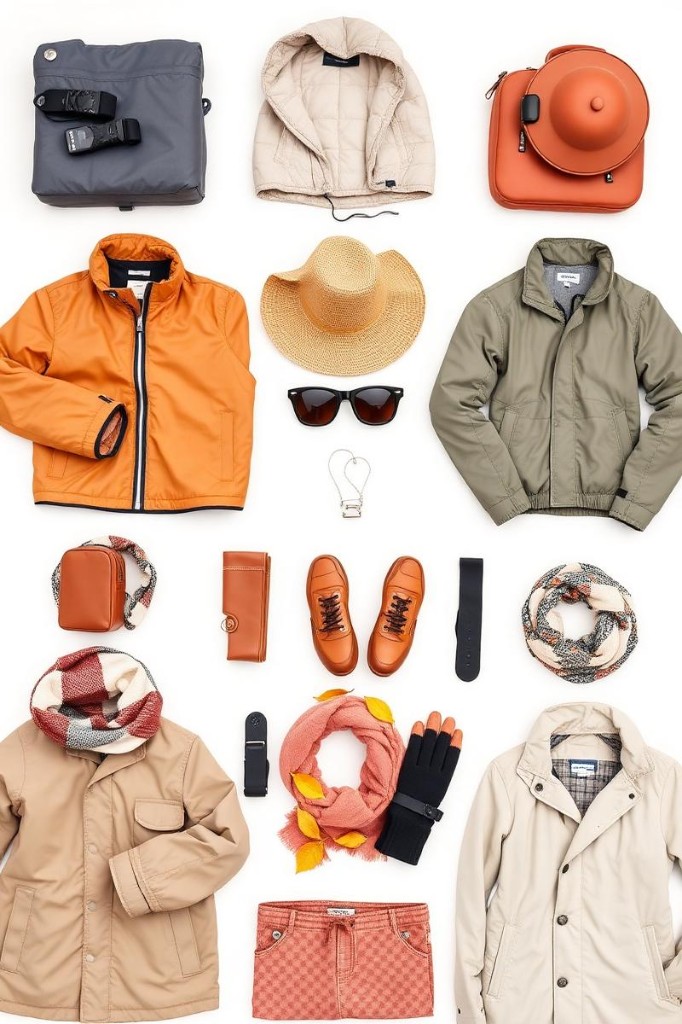
Travel clothing and gear by season

💰 Seasonal budget

PeriodAccommodation (€)Transport (€)Activities (€)CrowdsSavings Tips
May-Oct (High)300-800/night1200-180080-150/day5/5Book 6 months in advance
Nov-Apr (Low)200-600/night900-140060-120/day2/5Negotiate on-site
Shoulder Season250-700/night1000-160070-135/day3/5Best value for money

💡 Money-saving tips

  • Avoid July-August: Most expensive time of the year
  • Prioritize January-March: Best rates despite the wet season
  • Book flights 3-4 months in advance for the best prices
  • Choose half-board: Restaurants are expensive in the Seychelles
  • Plan for a significant budget: Inherently a high-end destination

🏥 Health and precautions

  • Enhanced sun protection: Very high UV index all year, SPF 50+ cream is essential
  • Constant hydration: Drink at least 2-3 liters (approx. 0.5-0.8 gallons) of water per day
  • Marine precautions: Watch out for sea urchins, coral, and currents
  • Mosquito repellent: Especially in the wet season
  • Travel pharmacy: Basic medications, as there are few pharmacies on the outer islands
  • Travel insurance: Essential for medical evacuations

Events & Festivals in the Seychelles

Cultural calendar and festivities not to be missed in the Seychelles

The Seychelles celebrate their rich multicultural heritage through unique events blending Creole traditions, African, European, and Asian influences throughout the year.

🎭 Festival Kreol (October)

The Festival Kreol is the major cultural event of the Seychelles, celebrating the archipelago's Creole identity. A week of festivities featuring traditional music, sega dance, local gastronomy, and crafts. The warm and authentic atmosphere offers a total immersion into Seychellois culture.

Location: Mahé, Praslin, La Digue

Highlight: The only festival celebrating Creole culture on this scale in the Indian Ocean

Climate Impact: Ideal period with the start of the dry season

🎣 Victoria International Carnival (April)

The Victoria Carnival transforms the capital into a colorful theater with spectacular parades, decorated floats, and dazzling costumes. This event gathers international and local artists in a joyful three-day celebration that enlivens the entire city.

Location: Victoria, Mahé

Highlight: Unique fusion of global carnival traditions and Creole culture

Climate Impact: End of the wet season, possible refreshing showers

🐟 Fishing Festival (August)

The Fishing Festival honors the maritime tradition of the Seychelles with fishing competitions, culinary demonstrations of local fish, and exhibitions on marine life. An authentic event that reveals the maritime soul of the archipelago.

Location: Varies by island each year

Highlight: The only festival dedicated to Indian Ocean fishing traditions

Climate Impact: Full dry season, ideal conditions for water activities

Seasonal events

Events by season:

Dry Season (May-October): Festival Kreol (October), Sailing Regattas (June-August), Fishing Festival (August), Underwater Photography Contest (September)

Wet Season (November-April): Victoria Carnival (April), Creole New Year (January), Music Festival (February), Independence Day (June)

All Year: Local markets, sega evenings, gastronomic festivals in hotels

Responsible Travel in the Seychelles

The Seychelles, a jewel of unique biodiversity in the heart of the Indian Ocean, require a travel approach that respects their fragile ecosystems and preserved local communities.

The archipelago is home to exceptional endemic species and marine ecosystems of rare richness. Responsible tourism in the Seychelles involves respecting turtle breeding periods, protecting coral reefs, and supporting local conservation initiatives.

🌱 Low-season advantages

Traveling in the wet season reduces tourist pressure on sensitive sites, allows for better distribution of economic benefits, and offers more accessible rates while discovering the archipelago in its authenticity.

♻️ Sustainable travel tips

  • Respect marine wildlife: Do not touch corals, maintain distance from turtles and rays
  • Save fresh water: A precious resource on the islands, limit long showers
  • Prioritize local transport: Public buses, bicycles on La Digue
  • Support local crafts: Buy directly from Creole artisans
  • Avoid plastics: Bring your own water bottle and reusable bags
  • Respect protected areas: Do not stray from marked trails

🏙️ Local sustainable initiatives

The Seychelles lead exemplary conservation projects: coral reef restoration, marine turtle protection, endemic reforestation programs, and development of renewable energies to reach carbon neutrality by 2030.

Our Expert Recommendations

Expert recommendations for your trip to the Seychelles

After analyzing climatic data and our field experience, we offer personalized recommendations to optimize your stay in the Seychelles. These tips take into account weather variations, tourist crowds, and the specificities of each island to ensure an unforgettable experience in this exceptional archipelago.

🏆 Optimal Period: May to September

Recommended Months: May, June, July, August, September

Advantages:
  • Ideal weather conditions with little rainfall
  • Pleasant temperatures (24-27°C / 75-81°F) and bearable humidity
  • Calm sea on the west side, perfect for water activities
  • Exceptional underwater visibility for diving
  • Refreshing trade winds
Disadvantages:
  • High season period with high rates
  • Need to book well in advance

Ideal Profile: Travelers seeking the best weather conditions, diving and water activity enthusiasts, honeymooners

⚖️ Balanced Alternative: April and October

Alternative Months: April, October

Description: These transition months offer an excellent climate-price compromise with generally favorable weather conditions and moderate crowds.

Specific Advantages:
  • More affordable intermediate rates
  • Fewer tourists at sites
  • Often mild weather conditions
  • Wider accommodation availability

👥 Tips for your travel style

Tips by profile:

👨‍👩‍👧‍👦 Family: Prefer May-September for weather stability and children's activities. Avoid January-February as they are too humid.

💰 Budget: Choose February-April and November for the best rates. Negotiate long stays in the low season.

🏃‍♂️ Adventure: May-October is ideal for hiking and water sports. Take advantage of trade winds for sailing.

✨ Luxury: June-August for climatic excellence. Book suites with sea views on the west side.

📸 Photographer: April-May and September-October for golden light and lush post-rain vegetation.

⚠️ Periods to avoid: January and December

These months concentrate the maximum rainfall and humidity, with risks of prolonged showers that can disrupt outdoor activities.

Cities to explore

Discover the must-sees of urban travel

All cities

Frequently Asked Questions

Find answers to essential questions to plan your trip to the Seychelles according to the archipelago's climatic and seasonal conditions.

When is the best time to visit the Seychelles?

The optimal period is from May to September during the dry season. Temperatures are pleasant (24-27°C / 75-81°F), rainfall is limited, and conditions are perfect for water activities. However, April and October offer an excellent compromise with fewer tourists and more affordable rates.

Can you visit the Seychelles during the rainy season?

Absolutely! The wet season (November-April) remains very pleasant with warm temperatures (26-28°C / 79-82°F) and generally short, refreshing showers. It is the ideal time to enjoy advantageous rates, lush vegetation, and less crowded beaches.

Are there cyclones in the Seychelles?

The Seychelles are rarely affected by cyclones due to their geographical position near the equator. Tropical storms remain exceptional, making the archipelago a safe destination year-round from a meteorological perspective.

Which island should I choose based on the weather?

Praslin and La Digue generally benefit from a slightly drier climate than Mahé. For a first trip, Mahé offers the greatest climatic and activity diversity. The outer islands feature a pure oceanic climate, ideal for absolute relaxation.

How much time should I plan for a trip to the Seychelles?

We recommend a minimum of 7 days to discover the three main islands (Mahé, Praslin, La Digue) and 10-14 days for a complete stay including relaxation and activities. This duration allows you to fully enjoy the Creole rhythm and climatic variations between the islands.