When to visit the Solomon Islands? Complete Guide

A paradise archipelago with <strong>two distinct seasons</strong>, the Solomon Islands reveal their climatic secrets for an unforgettable trip.

  • 0.7 M population
  • English, Solomon Islands Pijin language
  • 180 days rainy days/year
  • May to October best time to visit
  • 10 to 15 days recommended stay

Weather and Climate of the Solomon Islands

Understanding the tropical equatorial climate of the Solomon Islands

The Solomon Islands enjoy a tropical equatorial climate characterized by two main climatic zones. The oceanic influence of the South Pacific and the proximity to the equator create stable weather conditions with moderate seasonal variations that are significant for the travel experience.

  • Coastal zone: More humid climate with refreshing ocean breezes and significant rainfall
  • Mountainous interior zone: Slightly cooler temperatures at higher altitudes with frequent tropical thunderstorms
MonthAvg. Temp.PrecipitationHumiditySun Hours
January27°C / 80.6°F280mm / 11.02in85%5h
February27°C / 80.6°F250mm / 9.84in84%5h
March27°C / 80.6°F300mm / 11.81in85%5h
April26°C / 78.8°F200mm / 7.87in82%6h
May25°C / 77°F150mm / 5.91in78%7h
June24°C / 75.2°F120mm / 4.72in75%7h
July24°C / 75.2°F100mm / 3.94in74%8h
August24°C / 75.2°F90mm / 3.54in73%8h
September25°C / 77°F110mm / 4.33in75%7h
October26°C / 78.8°F140mm / 5.51in77%7h
November26°C / 78.8°F180mm / 7.09in80%6h
December27°C / 80.6°F220mm / 8.66in83%5h

Altitude variations significantly influence temperatures, with a drop of 2°C / 3.6°F for every 300 meters / 984 feet of elevation.

Climatic Seasons

Climate by Region of the Solomon Islands

The Solomon Islands archipelago presents regional climatic variations influenced by topography, wind exposure, and oceanic proximity. Each region offers specific microclimates.

🏝️ Guadalcanal and Honiara

The main island houses the capital in a tropical environment moderated by sea breezes. The central mountains create a relative shelter effect on the north coast, where most tourist infrastructure is concentrated. The climate is slightly drier here than on the other islands.

PeriodWeatherTemperatureRecommended Activities
May-OctSunny24-26°C / 75-79°FMuseum visits, wreck diving
Nov-AprRainy26-28°C / 79-82°FLocal markets, cultural centers

Specifics: Cooler mountain microclimates, natural protection against prevailing winds

🌺 Malaita and Eastern Islands

Region more exposed to trade winds and oceanic rainfall. These islands benefit from constant natural ventilation but receive more rain, creating particularly lush landscapes and exceptional diving conditions.

PeriodWeatherTemperatureRecommended Activities
May-OctWindy, dry23-25°C / 73-77°FDiving, sailing, fishing
Nov-AprVery rainy25-27°C / 77-81°FWildlife observation, traditional villages

Specifics: Constant winds favorable for sailing, higher rainfall than elsewhere

🏔️ Choiseul and Western Islands

The most mountainous area of the archipelago with peaks reaching 1000 meters / 3280 feet. The climate is cooler at altitude and orographic rainfall creates dense vegetation. Ideal region for hiking and ecotourism.

PeriodWeatherTemperatureRecommended Activities
May-OctCool, dry20-24°C / 68-75°FHiking, bird watching
Nov-AprThunderstorms22-26°C / 72-79°FEcotourism, mountain villages

Specifics: Cooler temperatures at altitude, spectacular tropical thunderstorms

🐠 Atolls and Coral Islets

The coral formations scattered throughout benefit from a pure marine microclimate with minimal thermal variations. Direct exposure to oceanic winds and some of the best diving conditions in the world.

PeriodWeatherTemperatureRecommended Activities
May-OctIdeal25-26°C / 77-79°FDiving, snorkeling, relaxation
Nov-AprVariable26-27°C / 79-81°FFishing, marine observation

Specifics: Stable marine climate, exceptional underwater visibility, geographical isolation

Practical Guide for the Solomon Islands

Preparing for your trip to the Solomon Islands requires adaptation to tropical conditions and seasonal variations. Our practical recommendations will help you optimize your equipment, budget, and health precautions according to the chosen period.

👕 Seasonal packing

Dry Season (May-October):
  • Light cotton or linen clothing
  • Light windbreaker for evenings
  • Water shoes and sandals
  • Hat and sunglasses
Wet Season (November-April):
  • Quick-dry clothing
  • Raincoat or tropical poncho
  • Waterproof shoes
  • Extra changes of clothes
All Year Round:
  • High protection sunscreen (SPF 50+)
  • Tropical mosquito repellent
  • Personal diving equipment
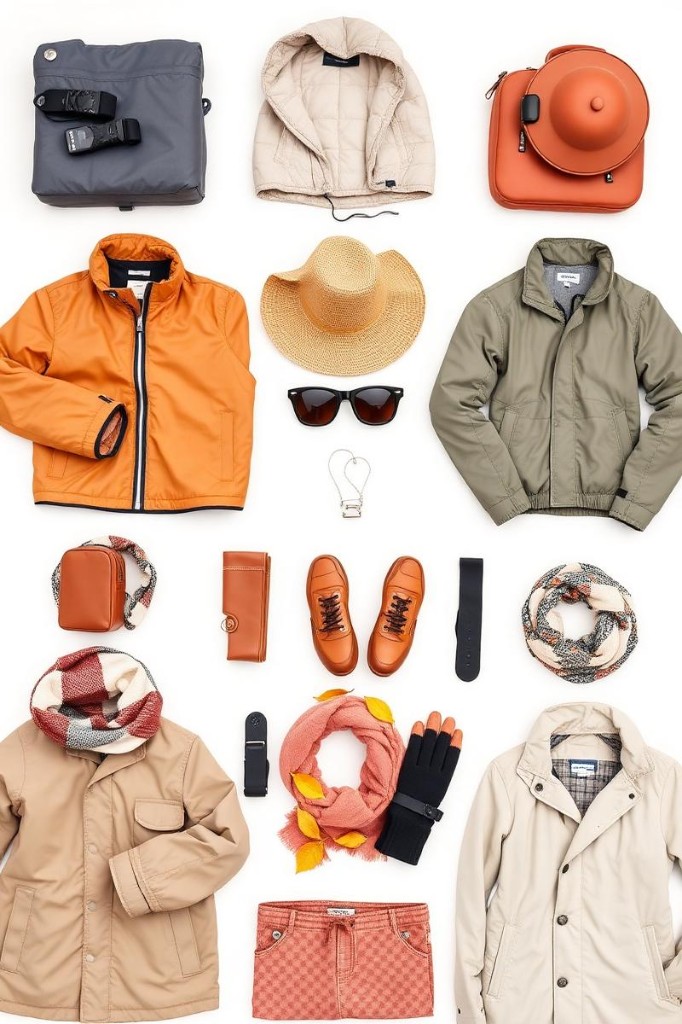
Travel clothing and gear by season

💰 Seasonal budget

PeriodAccommodation (€)Transport (€)Activities (€)Crowds (/5)Savings Tips
May-July80-150200-35050-1004/5Book 3 months in advance
August-October90-180250-40060-1205/5Avoid July-August
Nov-January60-120180-30040-802/5Best negotiable rates
February-April50-100150-25035-701/5Last-minute deals

💡 Money-saving tips

  • Avoid July-August: Most expensive period with maximum crowds
  • Prioritize May-June: Excellent quality-price ratio before high season
  • Take advantage of November-March: Discounts up to 40% on accommodation
  • Book flights 4-6 months in advance to get the best rates
  • Negotiate activities in low season for preferential prices

🏥 Health and precautions

  • Recommended vaccinations: Hepatitis A and B, typhoid, Japanese encephalitis
  • Malaria: Preventive treatment mandatory, treated mosquito nets
  • Enhanced sun protection: Very high UV index all year round (11-12)
  • Constant hydration: 3-4 liters / 0.8-1 gallon of water per day minimum
  • Rainy season: Watch out for skin infections and fungal issues
  • Medical kit: Antiseptics, waterproof bandages, anti-diarrheal medication
  • Repatriation insurance: Mandatory given the geographical isolation

Events & Festivals in the Solomon Islands

Cultural calendar and festivities not to be missed in the Solomon Islands

The cultural richness of the Solomon Islands is expressed through traditional festivals paced by the seasons and ancestral Melanesian traditions.

Pacific Arts Festival (July)

The largest cultural gathering in Melanesia celebrating ancestral traditions with war dances, traditional music, and local crafts. Authentic and colorful atmosphere in an exceptional natural setting.

Location: Honiara and traditional villages of Guadalcanal

Highlight: Demonstrations of traditional canoe building and customary ceremonies

Climate impact: Organized during the dry season to optimize weather conditions

Independence Day (July 7th)

National celebration marking the 1978 independence with military parades, cultural shows, and popular festivities. A prime moment to discover the Solomon national identity in a festive and patriotic atmosphere.

Location: Honiara, central square and national stadium

Highlight: Parades in traditional costumes and regional dance demonstrations

Climate impact: Dry period ideal for outdoor events

Diving Festival (September)

International event dedicated to war wrecks and exceptional marine biodiversity. A gathering of divers from around the world to explore historical underwater sites from World War II.

Location: Guadalcanal and surrounding islands

Highlight: Night dives on wrecks and historical lectures

Climate impact: Optimal underwater visibility at the end of the dry season

Seasonal events

Dry Season (May-October):
  • Pacific Arts Festival (July)
  • Independence Day (July 7th)
  • Diving Festival (September)
  • Traditional fishing competitions (August)
Wet Season (November-April):
  • First harvest ceremonies (December)
  • Village festivals (January-February)
  • Melanesian New Year celebrations (March)

Responsible Travel in the Solomon Islands

The Solomon Islands, a fragile ecosystem of the South Pacific, require a tourist approach that respects natural rhythms and local communities to preserve their exceptional authenticity.

The archipelago is home to unique marine ecosystems and traditional communities vulnerable to climatic impacts. Respecting marine life breeding periods, minimizing carbon footprint, and supporting the local economy are the pillars of responsible travel.

🌱 Low-season advantages

Traveling during the wet season reduces tourist pressure on fragile sites, lowers carbon footprint through lower airfares, and supports the local economy during off-peak periods.

♻️ Sustainable travel tips

  • Water management: Use solar showers, collect rainwater
  • Plastic waste: Bring reusable water bottles and bags, avoid packaging
  • Local transport: Prioritize traditional canoes and public transport
  • Respect biodiversity: Do not touch corals, observe without disturbing
  • Local economy: Buy local crafts, eat with families
  • Energy: Choose eco-lodges with renewable energy

🏙️ Local sustainable initiatives

The Solomon Islands are developing community-based marine protected areas, village solar energy projects, and sea turtle conservation programs. Community-based ecotourism allows visitors to contribute directly to cultural and environmental preservation.

Our Expert Recommendations

Expert recommendations for your trip to the Solomon Islands

After analyzing climatic data and field experience, our recommendations are based on 15 years of expertise in Oceanian travel. The Solomon Islands reveal their full potential when planned according to tropical rhythms and the regional specificities of this exceptional archipelago.

🌟 Optimal Period: May to September

Recommended Months: May, June, July, August, September

Climatic advantages:
  • Stable and sunny weather conditions
  • Calm sea ideal for diving
  • Exceptional underwater visibility (30-40m / 98-131ft)
  • Bearable humidity (75-78%)
  • No cyclone risk
Limitations:
  • High tourist season (July-August)
  • High prices in peak season

Ideal profile: Experienced divers, families, underwater photographers, sailing enthusiasts

⚖️ Balanced Alternative: October to November

Alternative Months: October, November

Justification: Climatic transition offering still good conditions with the advantage of more advantageous rates and fewer tourist crowds.

Specific advantages:
  • Excellent quality-price ratio
  • Less crowded dive sites
  • Vegetation gradually turning green again
  • Pleasant temperatures (26-27°C / 79-81°F)

👥 Tips for your travel style

👨‍👩‍👧‍👦 Family: May-June or September, avoid July-August (too touristy), plan indoor activities
💰 Budget: November-February to save 30-40%, accept weather constraints
🏔️ Adventure: May-October for hiking, October-November for less crowded exploration
🏨 Luxury: June-September, book 6 months in advance, prioritize resorts with spas
📸 Photographer: May-August for optimal light, September for marine life, avoid rainy season

⚠️ Periods to avoid: December to March

Cyclone season with high weather risks, intense rainfall, and difficult navigation conditions. Reduced underwater visibility and limited access to isolated sites.

Cities to explore

Discover the must-sees of urban travel

All cities

Frequently Asked Questions

Find answers to essential questions to plan your trip to the Solomon Islands according to optimal weather conditions.

What is the best time to dive in the Solomon Islands?

The ideal period spans from May to September with exceptional underwater visibility (30-40m / 98-131ft), calm seas, and stable weather conditions. War wrecks are particularly accessible during this dry period.

Can you visit the Solomon Islands during the rainy season?

Yes, but with special precautions. The November-April period offers advantageous rates and lush nature, but involves frequent downpours and a cyclone risk between December and March.

What budget should I plan for according to the season?

Expect 150-200€ / $160-$215 per day in high season (June-September) versus 100-130€ / $105-$140 per day in low season (November-March). Savings can reach 40% on accommodation outside the tourist season.

Is there a risk of cyclones in the Solomon Islands?

The cyclone season runs from December to March with a peak in January-February. The Solomon Islands are less exposed than other Pacific archipelagos, but vigilance remains necessary during this period.

How much time is needed to visit the Solomon Islands?

A stay of 10 to 15 days allows you to discover the main islands and dive sites. Plan for at least 3 weeks for an in-depth exploration including isolated islands and land-based activities.