When to visit the US Virgin Islands? Complete Guide

Between constant trade winds and tropical sun, discover the climatic secrets of this Caribbean paradise to plan your ideal getaway.

  • 0.1 M population
  • English language
  • 120 days rainy days/year
  • December to April best time to visit
  • 5 to 10 days recommended stay

Weather and Climate in the US Virgin Islands

Understanding the tropical maritime climate of the US Virgin Islands

The US Virgin Islands enjoy a tropical maritime climate characterized by two distinct zones influenced by trade winds, the Atlantic Ocean, and altitude variations, creating unique microclimates on each island.

  • Coastal Zone: Drier climate with constant trade winds and temperatures moderated by the ocean
  • Mountainous Zone: More humid with increased rainfall and slightly cooler temperatures at higher altitudes
MonthTemperature (°C / °F)Precipitation (mm / in)Humidity (%)
January24-28°C / 75-82°F65mm / 2.56in75
February24-28°C / 75-82°F55mm / 2.17in74
March25-29°C / 77-84°F60mm / 2.36in75
April26-30°C / 79-86°F85mm / 3.35in76
May27-31°C / 81-88°F110mm / 4.33in78
June28-32°C / 82-90°F95mm / 3.74in79
July28-32°C / 82-90°F105mm / 4.13in80
August28-32°C / 82-90°F120mm / 4.72in81
September28-32°C / 82-90°F145mm / 5.71in82
October27-31°C / 81-88°F135mm / 5.31in81
November26-30°C / 79-86°F110mm / 4.33in79
December25-29°C / 77-84°F80mm / 3.15in77

Altitude variations create distinct microclimates, with cooler temperatures and higher rainfall in elevated areas.

Climatic Seasons

Climate by Region of the US Virgin Islands

Each island in the archipelago has its own climatic peculiarities influenced by terrain, exposure to trade winds, and ocean proximity, creating distinct meteorological experiences.

🏝️ Saint Thomas

Description: The most developed island enjoys a pleasant coastal climate with constant trade winds. Charlotte Amalie benefits from natural protection against strong winds, creating a particularly stable and sunny microclimate.

PeriodWeatherTemperatureActivities
Dec-AprSunny24-28°C / 75-82°FShopping, beaches, cruises
May-NovVariable27-32°C / 81-90°FHiking, local culture

Specifics: Warmer urban microclimates, natural port protection, optimal exposure to refreshing trade winds.

🌿 Saint John

Description: The most preserved island with 60% national park, Saint John has a more humid climate due to its dense vegetation and mountainous terrain. Rainfall is slightly higher, nourishing exceptional biodiversity.

PeriodWeatherTemperatureActivities
Dec-AprIdeal23-28°C / 73-82°FHiking, snorkeling, ecotourism
May-NovHumid26-31°C / 79-88°FNature observation, secret beaches

Specifics: Tropical rainforest, cooler temperatures at altitude, higher rainfall than other islands.

🏖️ Saint Croix

Description: The largest island located further south enjoys a slightly drier and warmer climate. Its less rugged terrain and geographical position create conditions particularly favorable for agriculture and seaside tourism.

PeriodWeatherTemperatureActivities
Dec-AprPerfect25-29°C / 77-84°FDiving, golf, distilleries
May-NovHot28-33°C / 82-91°FWater sports, culture

Specifics: Drier climate, less wind, slightly higher temperatures, optimal conditions for diving.

Practical Guide for the US Virgin Islands

Prepare for your trip to the US Virgin Islands with our practical advice adapted to tropical climate variations. From appropriate clothing to health precautions, optimize your stay according to the chosen season.

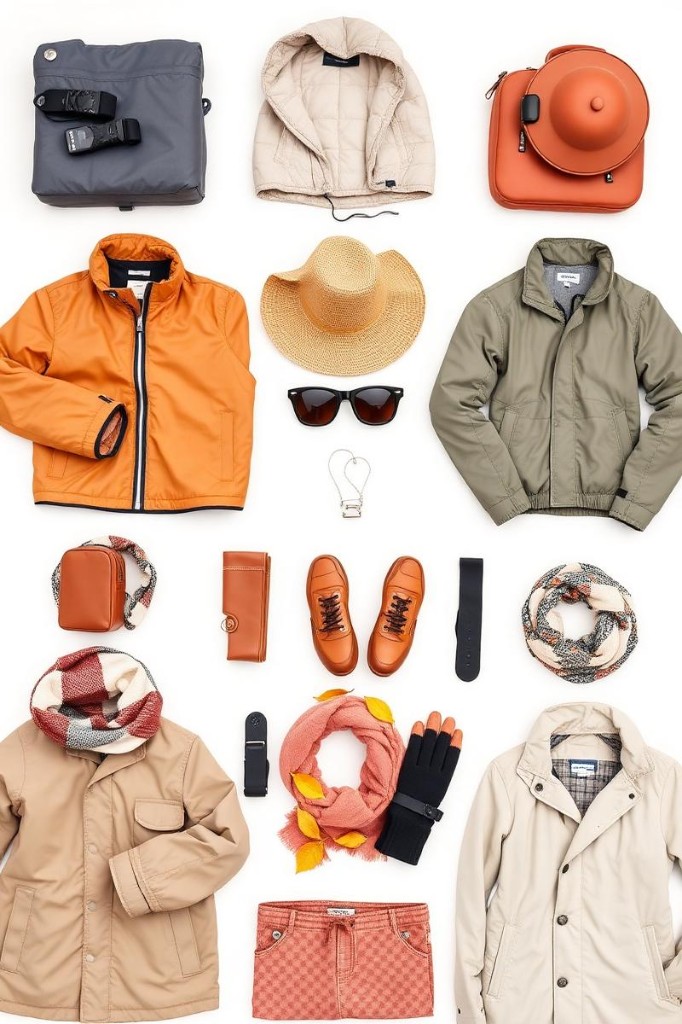
👕 Seasonal packing

Dry Season (December-April):

  • Light cotton clothing
  • Multiple swimsuits
  • Hat and sunglasses
  • Sandals and walking shoes
  • Light jacket for evenings

Wet Season (May-November):

  • Breathable quick-dry clothing
  • Light raincoat or poncho
  • Waterproof shoes
  • Enhanced sun protection
  • Mosquito repellent
Travel clothing and gear by season

💰 Seasonal budget

PeriodAccommodation ($)Transport ($)Activities ($)Crowds (/5)Savings Tips
Dec-Feb200-500800-120080-1505/5Book 6 months in advance
Mar-Apr180-450700-100070-1304/5Avoid school holidays
May-Jun120-300500-80050-1002/5Best value for money
Jul-Aug150-350600-90060-1203/5Last-minute deals
Sep-Nov100-250450-70040-801/5Lowest rates

💡 Money-saving tips

  • Travel in May-June or September-November to save up to 50%
  • Book accommodation and flights 3-6 months in advance during high season
  • Take advantage of all-inclusive packages in the low season
  • Compare prices between the three main islands
  • Prioritize vacation rentals for long stays

🏥 Health and precautions

  • Sun Protection: SPF 50+ sunscreen, frequent reapplication, constant UV protection
  • Hydration: Drink 2-3L of water per day, avoid excessive alcohol under the sun
  • Rainy Season: Mosquito repellent, covering clothing in the evening
  • Water Activities: Be aware of currents, follow safety instructions
  • Vaccinations: None mandatory, standard vaccinations recommended
  • Cyclones: Follow weather alerts from June to November, purchase travel insurance

Events & Festivals in the US Virgin Islands

Cultural calendar and festivities not to be missed in the US Virgin Islands

Seasonal events significantly enrich the travel experience, revealing the authentic Caribbean spirit of the archipelago through music, gastronomy, and local traditions.

🎭 Saint Thomas Carnival (April-May)

Description: The largest cultural event in the archipelago transforms Charlotte Amalie into a theater of colorful festivities. Costumed parades, calypso music, and steel drums create an authentic and festive Caribbean atmosphere.

Location: Charlotte Amalie and surroundings, Saint Thomas

Highlight: Unique fusion of Danish, African, and American traditions

Climate Impact: Ideal transition period with generally dry weather

🎵 Saint Croix Jazz Festival (October)

Description: A major musical event attracting international artists in an exceptional tropical setting. Outdoor concerts benefit from the mildness of Caribbean autumn evenings.

Location: Christiansted and Frederiksted, Saint Croix

Highlight: Eclectic program mixing jazz, reggae, and Caribbean music

Climate Impact: End of the wet season, risk of showers but pleasant temperatures

⛵ Rolex Cup Regatta (March)

Description: A prestigious international regatta taking advantage of the optimal wind conditions of the dry season. The event attracts the world's best sailors to a paradisiacal setting.

Location: Charlotte Amalie Harbor, Saint Thomas

Highlight: One of the most technical regattas in the Caribbean

Climate Impact: Constant trade winds and calm seas, perfect conditions for sailing

Seasonal events

Dry Season (Dec-Apr):

  • Christmas Festival (December)
  • New Year's Celebrations (January)
  • Food Festival (February)
  • Rolex Cup Regatta (March)

Wet Season (May-Nov):

  • Saint John Summer Festival (July)
  • Emancipation Day (August)
  • Saint Croix Jazz Festival (October)
  • Caribbean Thanksgiving (November)

Responsible Travel in the US Virgin Islands

Adopting an eco-responsible approach in the US Virgin Islands preserves the natural beauty of this fragile ecosystem while respecting climatic cycles and exceptional marine biodiversity.

The archipelago is home to fragile marine ecosystems and unique terrestrial biodiversity requiring special protection. Coral reefs, tropical forests, and endemic species suffer from the impacts of climate change and mass tourism.

🌱 Low-season advantages

Traveling in the low season reduces tourist pressure on fragile ecosystems, lowers the carbon footprint due to more affordable airfares, and supports the local economy in a more balanced way.

♻️ Sustainable travel tips

  • Use oxybenzone-free sunscreens to protect corals
  • Prioritize public transport and walking between sites
  • Respect marine life during snorkeling and diving activities
  • Choose eco-certified accommodations
  • Consume locally and avoid single-use products
  • Participate in beach cleanup programs

🏙️ Local sustainable initiatives

The archipelago is developing coral restoration programs, solar energy projects, and sea turtle protection initiatives. National parks lead active conservation actions for terrestrial and marine biodiversity.

Our Expert Recommendations

Expert recommendations for your trip to the US Virgin Islands

After an in-depth analysis of climatic data, tourist traffic, and seasonal rates, our experts offer personalized recommendations to optimize your experience in the US Virgin Islands according to your expectations, budget, and favorite activities.

🌟 Optimal Period: February - March

Recommended Months: February and March

Advantages:

  • Perfect weather conditions with constant trade winds
  • Ideal temperatures between 24-28°C / 75-82°F
  • Minimal rainfall and clear skies
  • Calm seas and exceptional visibility for diving
  • Zero hurricane risk

Disadvantages:

  • High prices and heavy tourist traffic
  • Reservations essential several months in advance

Ideal Profile: Travelers seeking perfect conditions, families, honeymooners, water sports enthusiasts

⚖️ Balanced Alternative: May - June

Alternative Months: May and June

Description: Ideal compromise between acceptable weather conditions and affordable rates, before the high hurricane season

Specific Advantages:

  • Substantial savings on accommodation and transport
  • Moderate crowds allowing you to enjoy sites peacefully
  • Lush vegetation and particularly beautiful landscapes
  • Start of the wet season with short, refreshing showers

👥 Tips for your travel style

👨‍👩‍👧‍👦 Family: December to March for climate safety and adapted activities. Prioritize Saint Thomas for infrastructure.

💰 Budget: May-June or November to save 40-50%. Choose Saint Croix, cheaper than Saint Thomas.

🏃‍♂️ Adventure: April-May for hiking and water sports. Saint John is ideal for ecotourism and nature exploration.

💎 Luxury: February-March for perfect conditions. Book high-end resorts 6 months in advance.

📸 Photographer: December-February for optimal light and clear skies. Spectacular sunrise from the heights.

⚠️ Periods to avoid: September - October

Peak of the hurricane season with high weather risks, heavy rainfall, and difficult sea conditions for water activities.

Cities to explore

Discover the must-sees of urban travel

All cities

Frequently Asked Questions

Find answers to essential questions to perfectly plan your trip to the US Virgin Islands according to weather and seasonal conditions.

What is truly the best time to visit the US Virgin Islands?

The optimal period is from December to April, peaking in February-March. You will enjoy perfect weather conditions: pleasant temperatures (24-28°C / 75-82°F), minimal rainfall, refreshing trade winds, and zero hurricane risk. However, expect high prices and heavy crowds, requiring advance booking.

Can you travel during hurricane season?

The official hurricane season runs from June to November, peaking in September-October. Although the risk exists, the US Virgin Islands are not directly hit every year. May-June and November present lower risks. Travel insurance and weather monitoring are recommended during this period.

What are the climatic differences between the three main islands?

Saint Thomas enjoys a stable coastal climate, Saint John is more humid due to its dense vegetation and terrain, while Saint Croix, located further south, enjoys a slightly drier and warmer climate. These variations remain moderate but can influence your choice of activities.

How can I save money on a trip to the US Virgin Islands?

Travel in the low season (May-June, September-November) to save 40-50% on accommodation and transport. Avoid December-March and American school holidays. Choose Saint Croix, which is more affordable than Saint Thomas, and consider vacation rentals for longer stays.

What clothes should I pack according to the season?

In the dry season: light cotton clothing, sun protection, light jacket for evenings. In the wet season: quick-drying clothing, light raincoat, waterproof shoes, and mosquito repellent. In all cases, prioritize breathable fabrics and UV protection.