When to visit Uruguay? Complete Guide 2026-2027

Between the Atlantic Ocean and lush pampas, Uruguay reveals a temperate climate with inverted seasons full of surprises.

  • 3.5 million population
  • Spanish language
  • 110 days rainy days/year
  • December to March best time to visit
  • 8 to 15 days recommended stay

Weather and Climate in Uruguay

Understanding Uruguay's temperate oceanic climate

Uruguay enjoys a temperate oceanic climate with three distinct climatic zones. The influence of the Atlantic Ocean moderates temperatures, while winds from the pampas create regional variations, offering surprising meteorological diversity for this small country.

  • West Atlantic Coast: The most humid zone with strong winds and significant rainfall
  • Inland Regions: Drier and more stable climate, with slightly more pronounced temperature contrasts
  • East Coast: The sunniest and driest part of the country
MonthAvg. Temp.PrecipitationSunshine
January23°C / 73°F85mm / 3.3in8h/day
February23°C / 73°F95mm / 3.7in7h/day
March21°C / 70°F110mm / 4.3in6h/day
April17°C / 63°F90mm / 3.5in5h/day
May14°C / 57°F85mm / 3.3in4h/day
June11°C / 52°F80mm / 3.1in3h/day
July10°C / 50°F75mm / 3.0in3h/day
August12°C / 54°F80mm / 3.1in4h/day
September14°C / 57°F90mm / 3.5in5h/day
October17°C / 63°F100mm / 3.9in6h/day
November20°C / 68°F95mm / 3.7in7h/day
December22°C / 72°F90mm / 3.5in8h/day

The landscape is relatively flat with minimal altitude variations, having little impact on the country's general climate.

The Seasons in Uruguay

Climate by Region in Uruguay

Despite its modest size, Uruguay presents regional climatic variations influenced by the Atlantic Ocean, pampa winds, and local topography, creating distinct microclimates.

🏖️ East Atlantic Coast (Punta del Este, La Paloma)

Description: The east coast enjoys the sunniest climate in the country with less rainfall and moderate ocean winds. This region benefits from a privileged microclimate, particularly appreciated in summer for its golden beaches and warmer waters. Maritime influence is optimal here, creating ideal conditions for beach tourism.

PeriodWeatherTemperatureActivities
SummerSunny20-28°C / 68-82°FBeaches, surfing, festivals
AutumnMild15-22°C / 59-72°FCoastal hiking
WinterCool8-15°C / 46-59°FWhale watching
SpringVariable12-20°C / 54-68°FNature, photography

Specifics: Drier zone (80mm / 3.1in per month on average), constant but moderate winds, water temperature 2°C / 3.6°F warmer compared to the west coast.

🌊 West Atlantic Coast (Montevideo, Colonia)

Description: The west coast, including the capital Montevideo, experiences a more humid climate with stronger winds and slightly higher rainfall. This region offers a very pleasant temperate oceanic climate, particularly suited for urban life and cultural activities. The influence of the Rio de la Plata moderates temperatures.

PeriodWeatherTemperatureActivities
SummerHot and humid18-26°C / 64-79°FUrban beaches, culture
AutumnMild and windy13-20°C / 55-68°FMuseums, gastronomy
WinterCool and humid6-13°C / 43-55°FTango, theaters
SpringChanging10-18°C / 50-64°FParks, markets

Specifics: Higher rainfall (100mm / 3.9in per month), frequent southwest winds, occasional morning fog, moderate urban climate.

🌾 Inland Regions (Tacuarembó, Rivera)

Description: The interior of Uruguay features a moderate continental climate with more marked temperature variations and less oceanic influence. This agricultural and livestock region offers landscapes of green pampas and more stable weather conditions, ideal for discovering the authentic Uruguay of the gauchos.

PeriodWeatherTemperatureActivities
SummerHot and dry16-30°C / 61-86°FEstancias, horseback riding
AutumnMild10-22°C / 50-72°FHarvests, nature
WinterCool and dry4-16°C / 39-61°FGaucho culture
SpringPleasant8-21°C / 46-70°FWildlife observation

Specifics: Greater temperature ranges, less rainfall (70mm / 2.7in per month), pampa winds, light frosts possible in winter, more predictable climate.

🍷 Wine Region (Canelones, Maldonado)

Description: Uruguayan wine regions benefit from a microclimate particularly favorable to viticulture, with a perfect balance between sunshine, rainfall, and thermal variations. This zone offers optimal climatic conditions for the production of quality wines and is a prime oenotourism destination.

PeriodWeatherTemperatureActivities
SummerSunny17-27°C / 63-81°FTastings, terraces
AutumnPerfect12-21°C / 54-70°FHarvests, festivals
WinterMild5-14°C / 41-57°FCellars, gastronomy
SpringIdeal9-19°C / 48-66°FVine flowering

Specifics: Draining soils favoring a dry climate, natural protection from strong winds, moderate temperatures all year round, optimal conditions for wine tourism.

Practical Guide for Uruguay

Prepare for your trip to Uruguay with our practical tips adapted to the country's specific climate. From clothing recommendations to seasonal budgets, optimize your stay based on the time of year.

👕 Seasonal packing

Summer (Dec-Mar): • Light cotton clothing • Swimwear and sarong • Sun protection (hat, sunglasses) • Sandals and walking shoes • Light jacket for evenings

Autumn (Mar-Jun): • Layered clothing • Light sweater or cardigan • Comfortable long pants • Closed shoes • Light waterproof jacket

Winter (Jun-Sep): • Warm coat (not extreme) • Sweaters and light thermal underwear • Long pants • Closed and waterproof shoes • Scarf and light beanie

Spring (Sep-Dec): • Versatile clothing • T-shirts and light shirts • Sweater for evenings • Versatile shoes • Mid-season jacket

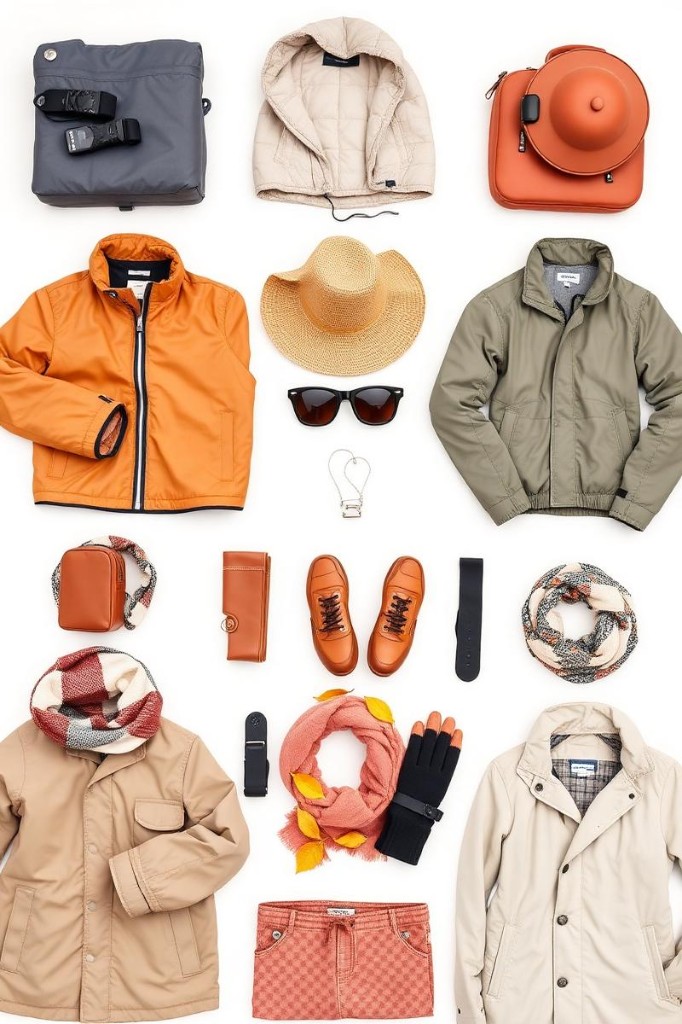
Travel clothing and gear by season

💰 Seasonal budget

PeriodAccommodation (€)Transport (€)Activities (€)Crowds (/5)Budget Tips
Summer (Dec-Mar)80-200/night50-80/day40-100/day5/5Book 3 months in advance
Autumn (Mar-Jun)50-120/night30-60/day25-70/day2/5Best value for money
Winter (Jun-Sep)40-90/night25-50/day20-50/day1/5Negotiate long-stay rates
Spring (Sep-Dec)60-140/night35-65/day30-80/day3/5Avoid December, prefer October

💡 Money-saving tips

  • Avoid January-February: price peaks of 40-60% during the high beach season
  • Prefer May-September: significant discounts on accommodation and flights
  • Book in advance: savings of 20-30% on tourist services
  • Take advantage of off-season promotions: advantageous all-inclusive packages in autumn-winter
  • Compare periods: shifting by one week can cut prices in half

🏥 Health and precautions

General precautions:

  • Enhanced sun protection: Intense UV in the southern summer, SPF 50+ sunscreen mandatory
  • Constant hydration: Drying winds and strong sun require 2-3L / 0.5-0.8gal of water/day
  • Beware of winds: Eye and ear protection during coastal storms
  • Rainy season: Waterproof clothing and non-slip shoes
  • No specific vaccination required, European-quality healthcare system
  • Travel insurance recommended for water and equestrian activities

Events & Festivals in Uruguay

Cultural calendar and festivities not to be missed in Uruguay

Uruguay vibrates to the rhythm of colorful festivals and unique cultural events that mark the seasons and enrich the travel experience.

Harbor animation with boats and passersby enjoying the maritime atmosphere on a sunny day by Paul on Unsplash

🎭 Montevideo Carnival (February-March)

Description: The longest carnival in the world (40 days) transforms Montevideo into a giant theater with parades, candombe performances, and murga competitions. An explosion of color, music, and Afro-Uruguayan dance in an incomparable festive atmosphere.

Location: Montevideo, historic districts and Summer Theater

Special feature: The only carnival in the world blending African, European, and Creole influences

Climate impact: Ideal summer period with warm evenings perfect for outdoor performances

🍷 Harvest Festival (March-April)

Description: Celebration of the grape harvest in wine regions with tastings, concerts, and discovery of Uruguayan winemaking traditions. An authentic immersion into the country's oenological culture with participation in harvests and rural festivities.

Location: Canelones, Maldonado, wineries and vineyards

Special feature: Unique combination of gaucho tradition and modern winemaking techniques

Climate impact: Perfect autumn weather with mild temperatures ideal for outdoor activities

🎵 International Jazz Festival (October)

Description: A major musical event attracting international artists and local talent for intimate concerts and large shows. Montevideo becomes the South American jazz capital with multiple stages and a unique cosmopolitan atmosphere.

Location: Montevideo, concert halls and outdoor spaces

Special feature: Fusion of traditional jazz and Uruguayan rhythms (candombe, tango)

Climate impact: Pleasant spring weather allowing for outdoor concerts and city strolls

Seasonal events

Summer: • Punta del Este Festival (January) • Noche de la Nostalgia (August) • Beer Week (February)

Autumn: • Tannat Festival (April) • Semana Criolla (March-April) • Documentary Festival (May)

Winter: • Tango Festival (July) • Museum Night (June) • Gastronomy Festival (August)

Spring: • Jazz Festival (October) • Heritage Day (October) • International Film Festival (November)

Responsible Travel in Uruguay

Discover Uruguay in an ethical and sustainable way, in harmony with its preserved ecosystems and authentic traditions that respect the environment.

Uruguay, a pioneer in renewable energy (95% green electricity), offers an ideal setting for responsible tourism. Respect the natural cycles of marine life, the nesting periods of coastal birds, and the sustainable agricultural practices of traditional estancias.

🌱 Low-season advantages

Traveling in the low season (May-September) reduces your carbon footprint, supports the local economy spread throughout the year, and offers a more authentic experience away from summer crowds.

♻️ Sustainable travel tips

  • Prefer local transport: efficient public buses and organized carpooling
  • Choose certified eco-lodges: many estancias practice sustainable tourism
  • Respect marine life: whale watching with responsible operators
  • Consume local: organic Uruguayan products and short supply chains
  • Save water: a precious resource despite apparent abundance
  • Support local crafts: leather, wool, and authentic gaucho products

🏙️ Local sustainable initiatives

Uruguay is developing innovative ecotourism projects: visitable wind farms, educational solar farms, community nature reserves, and marine conservation programs with participation from responsible visitors.

Our Expert Recommendations

Expert recommendations for your trip to Uruguay

After analyzing official climate data and field feedback, our experts recommend optimized periods based on your priorities. Uruguay offers remarkable flexibility with favorable conditions 8 months out of 12, allowing you to adapt your trip to your specific expectations.

🏆 Optimal Period

Recommended months: December to March (Southern Hemisphere summer)

Advantages:

  • Ideal temperatures 20-28°C / 68-82°F for all activities
  • Optimal beaches and water activities
  • Major festivals and cultural events
  • Long sunny days (14 hours of daylight)
  • Festive and international atmosphere

Disadvantages:

  • High prices (+50% compared to low season)
  • Significant tourist crowds

Ideal profile: Families, beach lovers, nightlife, first-time visitors

⚖️ Balanced Alternative

Alternative months: October-November and April-May

Description: Transition periods offering an excellent compromise between pleasant weather conditions and moderate rates

Specific advantages:

  • Mild and stable climate (15-22°C / 59-72°F)
  • Reduced rates by 30-40%
  • Fewer crowds, more authentic experience
  • Nature awakening (spring) or autumn colors
  • Perfect conditions for hiking and exploration

👥 Tips for your travel style

👨‍👩‍👧‍👦 Family: December-February for safe beaches, children's activities, and complete infrastructure. Avoid January for crowds.

💰 Budget: May-September for maximum savings (50% cheaper), focus on urban culture and gastronomy.

🏃‍♂️ Adventure: October-April for hiking, horseback riding, and outdoor activities in optimal conditions.

🏖️ Luxury: December and March for high-end services, avoid January-February which are too crowded.

📸 Photographer: April-May for golden autumn lights and October-November for spring blooms.

⚠️ Periods to Avoid

July-August: Southern winter with short days, cool temperatures (6-14°C / 43-57°F), and many beach establishments closed. Reserved for urban and cultural travelers.

Cities to explore

Discover the must-sees of urban travel

All cities

Frequently Asked Questions

Find answers to essential questions to plan your trip to Uruguay based on optimal weather conditions.

What is the best time to visit Uruguay?

The optimal period is from December to March (Southern Hemisphere summer) with temperatures of 20-28°C / 68-82°F, ideal for beaches and outdoor activities. For an excellent price-quality compromise, consider October-November or April-May with mild weather (15-22°C / 59-72°F) and 30-40% lower rates.

Is it cold in winter in Uruguay?

The Uruguayan winter (June-September) is mild compared to European standards with temperatures of 6-14°C / 43-57°F. There is no snow or intense frost, but days are short with some rainfall. Ideal for discovering the urban culture of Montevideo and local gastronomy at reduced prices.

Can you swim all year round in Uruguay?

Swimming is optimal from December to March with water temperatures at 20-22°C / 68-72°F. In autumn (April-May), it is still possible for the brave (18°C / 64°F). Winter and early spring (June-October) are not recommended for swimming with water temperatures of 12-16°C / 54-61°F.

Is there a rainy season in Uruguay?

Uruguay does not have a marked rainy season. Rainfall is spread throughout the year (70-110mm / 2.7-4.3in per month) with a slight peak in autumn-winter. Rains are generally short and do not significantly impact tourist activities, unlike in tropical countries.

How much time is needed to visit Uruguay?

Plan for at least 8 to 15 days to see the essentials: Montevideo (3-4 days), Atlantic coast (4-5 days), wine regions (2-3 days), and authentic interior (2-3 days). This duration allows you to appreciate the country's diversity without rushing, while adapting to the weather conditions of the chosen season.