When to visit Zimbabwe? Complete Guide

Between tropical savannas and temperate highlands, Zimbabwe reveals contrasting climates depending on the region and season.

  • 15.1 M population
  • English, Shona, Ndebele language
  • 120 days rainy days/year
  • May to September best time to visit
  • 10 to 15 days recommended stay

Weather and Climate in Zimbabwe

Understanding Zimbabwe's subtropical climate

Zimbabwe features three distinct climate zones influenced by altitude and latitude. These geographical variations create microclimates that significantly transform your travel experience depending on the region visited.

  • Central Highveld: Temperate climate with moderate temperatures year-round
  • Zambezi and Limpopo Valleys: Hot and humid tropical zone with heavy rainfall
  • Matabeleland Region: Drier semi-arid climate with high temperatures
MonthAvg. Temp.PrecipitationConditions
Jan-Mar20-26°C / 68-79°F150-200mm / 5.9-7.9inRainy season
Apr-May18-25°C / 64-77°F20-50mm / 0.8-2.0inDry autumn
Jun-Aug13-23°C / 55-73°F5-15mm / 0.2-0.6inDry winter
Sep-Nov18-28°C / 64-82°F30-80mm / 1.2-3.1inWarm spring
December20-27°C / 68-81°F120mm / 4.7inEarly rains

Altitude ranges from 162m / 531ft in the Zambezi Valley to 2,592m / 8,504ft at Mount Nyangani, creating temperature differences of 15°C / 27°F between regions.

The Seasons in Zimbabwe

Climate by Region in Zimbabwe

Zimbabwe's topographical diversity creates distinct regional microclimates. Altitude, geographical orientation, and proximity to waterways significantly influence local weather conditions, determining your choice of destination.

🏔️ Central Highveld (Harare - Bulawayo)

Description: Temperate region located at an altitude of 1200-1500m / 3937-4921ft, enjoying the most pleasant climate in the country. Temperatures remain moderate year-round due to altitude, with cool nights even in summer. This zone houses the main cities and historical sites like Great Zimbabwe.

PeriodWeatherTemperatureRecommended Activities
Nov-MarModerate rain18-26°C / 64-79°FCultural visits, museums
Apr-MayDry and mild15-24°C / 59-75°FHiking, historical sites
Jun-AugDry and cool8-21°C / 46-70°FUrban exploration, markets
Sep-OctDry and hot15-28°C / 59-82°FExcursions, photography

Specifics: Most stable climate in the country, ideal for acclimatization. Risk of morning frost in winter in the highest areas.

🌊 Zambezi Valley (Victoria Falls - Mana Pools)

Description: Low-altitude tropical zone (300-600m / 984-1968ft) characterized by intense heat and high humidity. This region houses the famous Victoria Falls and the best national parks for wildlife viewing. The climate is more extreme with marked seasonal variations.

PeriodWeatherTemperatureRecommended Activities
Nov-MarVery humid22-32°C / 72-90°FVictoria Falls, boating
Apr-MayPleasant20-29°C / 68-84°FSafaris, canoeing
Jun-AugDry and mild15-26°C / 59-79°FPremium safaris, hiking
Sep-OctVery hot20-35°C / 68-95°FConcentrated wildlife viewing

Specifics: Strong seasonal variation of Victoria Falls. High malaria risk. Exceptional wildlife in the dry season.

🏜️ South Matabeleland Region

Description: The driest semi-arid zone in the country, characterized by limited rainfall and high temperatures. This region offers unique savanna landscapes and houses spectacular rock formations like the Matobo Hills, a UNESCO World Heritage site.

PeriodWeatherTemperatureRecommended Activities
Nov-MarSporadic rain20-30°C / 68-86°FRock art, geology
Apr-MayDry and hot18-28°C / 64-82°FMatobo Hills hiking
Jun-AugDry and cool12-25°C / 54-77°FClimbing, exploration
Sep-OctVery dry18-32°C / 64-90°FLandscape photography

Specifics: The most arid region, ideal for avoiding humidity. Unique rock formations. Less wildlife but spectacular landscapes.

🌿 Eastern Highlands (Nyanga - Chimanimani)

Description: Mountainous region peaking at over 2500m / 8202ft, offering the coolest climate in Zimbabwe. This zone presents unique alpine landscapes in Southern Africa, with forests, waterfalls, and rocky peaks. Temperatures can drop below freezing in winter.

PeriodWeatherTemperatureRecommended Activities
Nov-MarHeavy rain15-22°C / 59-72°FWaterfalls, lush vegetation
Apr-MayMisty and cool12-20°C / 54-68°FHiking, bird watching
Jun-AugCold and dry5-18°C / 41-64°FTrekking, climbing
Sep-OctDry and mild10-23°C / 50-73°FPhotography, camping

Specifics: The only region where warm clothing is necessary. Frequent fog. Unique mountain ecosystem.

Practical Guide for Zimbabwe

Preparing for your trip to Zimbabwe requires adapting to significant climatic variations between regions and seasons. From tropical gear for the Zambezi Valley to warm clothing for the Eastern Highlands, here are our practical recommendations for a successful stay.

👕 Seasonal packing

Rainy Season (Nov-Mar):

  • Lightweight and breathable clothing
  • Raincoat and poncho
  • Waterproof shoes
  • Mosquito protection

Autumn (Apr-May):

  • Mid-season clothing
  • Light fleece for evenings
  • Hiking shoes
  • Hat and sunglasses

Winter (Jun-Aug):

  • Warm clothing for mornings
  • Layered clothing
  • Windbreaker jacket
  • Beanie for the highlands

Spring (Sep-Oct):

  • Light and loose clothing
  • Enhanced sun protection
  • Dust scarf
  • Constant hydration
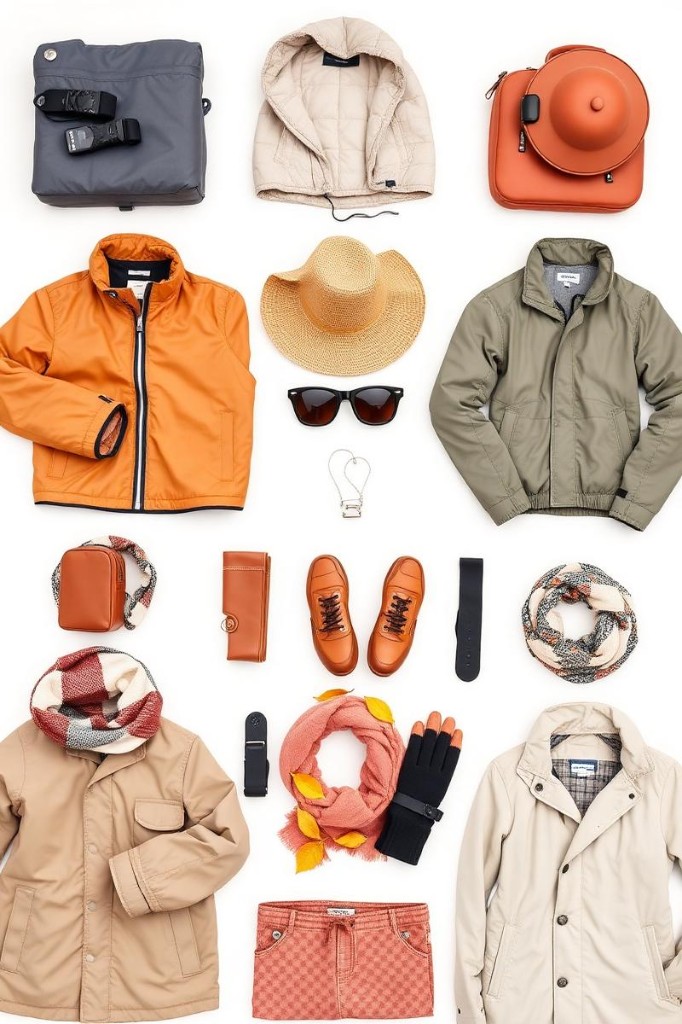
Travel clothing and gear by season

💰 Seasonal budget

PeriodAccommodation (€)Transport (€)Activities (€)CrowdsBudget Tips
Nov-Mar50-12030-8040-1002/5Low season rates, negotiation possible
Apr-May80-18040-10060-1503/5Early booking recommended
Jun-Aug120-30060-15080-2005/5Book at least 6 months in advance
Sep-Oct100-22050-12070-1804/5Avoid weekends and holidays

💡 Money-saving tips

  • Avoid July-August: High season with rates 50-100% higher
  • Prioritize April-May: Excellent value for money with optimal conditions
  • Book in advance: Save 20-30% on accommodation and activities
  • Travel in groups: Significant discounts on safaris and private transport
  • Combine regions: Multi-destination packages are more cost-effective

🏥 Health and precautions

Seasonal health precautions:

  • Malaria: High risk Nov-May, prophylaxis recommended year-round
  • Hydration: Crucial Sep-Oct, minimum 3L / 100oz per day in high heat
  • Sun protection: SPF 50+ mandatory, altitude increases risk
  • Vaccinations: Yellow fever if arriving from an endemic zone, Hepatitis A/B
  • Medical kit: Anti-diarrheal, antiseptics, waterproof bandages
  • Insurance: Medical evacuation coverage is essential

Events & Festivals in Zimbabwe

Cultural calendar and festivities not to be missed in Zimbabwe

Zimbabwean cultural events punctuate the year and significantly enrich the travel experience, offering an authentic glimpse into local traditions.

🎭 Harare International Festival of the Arts (HIFA) - April/May

Description: The largest arts festival in Southern Africa, bringing together musicians, dancers, visual artists, and writers from the continent and around the world. Six days of events throughout the capital with multiple stages and participatory workshops.

Location: Harare - Botanical Gardens and cultural centers

Highlight: Unique fusion of African traditions and international contemporary creations

Climate Impact: Ideal period with mild temperatures and no rain

🏆 Victoria Falls Polo Tournament - September

Description: A prestigious sporting and social event attracting regional elites in a spectacular setting facing Victoria Falls. High-level competitions accompanied by galas and exclusive social events.

Location: Victoria Falls - Historic polo grounds

Highlight: The only polo tournament in Africa with a view of Victoria Falls

Climate Impact: Dry season guarantees perfect conditions and pleasant temperatures

🎵 Shoko Festival - September

Description: A contemporary urban music festival celebrating modern Zimbabwean creativity. Hip-hop, reggae, afrobeat, and spoken word in a young and dynamic atmosphere, showcasing the country's new artistic generation.

Location: Harare - Multiple downtown venues

Highlight: Unique platform to discover the emerging Zimbabwean music scene

Climate Impact: End of the dry season, cool evenings ideal for outdoor concerts

Seasonal events

Autumn (Apr-May): • HIFA Festival (April) • Heritage Day (May) • Traditional harvest festivals

Winter (Jun-Aug): • Independence Day (April) • Heroes Day (August) • Ndebele cultural festivals

Spring (Sep-Oct): • Shoko Festival (September) • Victoria Falls Tournament (September) • Wildlife celebrations

Summer (Nov-Mar): • Traditional New Year • Rain festivals • Year-end celebrations

Responsible Travel in Zimbabwe

Sustainable tourism in Zimbabwe preserves fragile ecosystems while supporting local communities, which is particularly important in this country with exceptional natural wealth but real economic challenges.

Zimbabwe is home to unique ecosystems requiring a respectful approach: fragile national parks, threatened wildlife, and rural communities dependent on tourism. Adapting your trip to natural cycles minimizes environmental impact.

🌱 Low-season advantages

Traveling during the rainy season reduces tourist pressure, supports the local economy during the off-season, and allows you to observe the natural rebirth of ecosystems.

♻️ Sustainable travel tips

  • Save water: A precious resource, especially in the dry season
  • Respect wildlife: Keep safety distances, no feeding
  • Support local crafts: Direct purchases from communities
  • Group transport: Reduce the carbon footprint of safaris
  • Eco-friendly accommodation: Lodges with environmental certifications
  • Local guides: Direct employment and authentic expertise

🏙️ Local sustainable initiatives

Zimbabwe is developing community conservation programs like CAMPFIRE, solar energy projects in lodges, and elephant protection initiatives funded by responsible tourism.

Our Expert Recommendations

Expert recommendations for your trip to Zimbabwe

After analyzing climatic data and field feedback, we recommend optimized periods based on your priorities. Zimbabwe offers distinct experiences depending on the season, requiring planning adapted to your expectations and traveler profile.

🏆 Optimal Period: May - September

Recommended months: May, June, July, August, September

Advantages:

  • Ideal weather conditions in all regions
  • Wildlife viewing facilitated by sparse vegetation
  • Roads in excellent condition, maximum accessibility
  • Reduced malaria risk
  • Clear skies for photography

Disadvantages:

  • High tourist season (June-August)
  • Rates 30-50% higher

Ideal profile: First-time visitors, families, premium safaris, photographers

⚖️ Balanced Alternative: April - May

Alternative months: April, May

Description: Perfect compromise between excellent weather conditions and moderate rates, before the high season tourist influx.

Specific advantages:

  • Ideal climate without the crowds
  • Landscapes still lush and green
  • Advantageous intermediate rates
  • Excellent period for all types of activities

👥 Tips for your travel style

👨‍👩‍👧‍👦 Family: May-August, moderate temperatures, suitable activities. Avoid rainy season.

💰 Budget: March-April or November, reduced rates, acceptable conditions with preparation.

🎒 Adventure: September-October, optimal wildlife viewing, fewer tourists, climatic challenges.

🏨 Luxury: June-August, perfect conditions, premium service, exclusive experiences.

📸 Photographer: May and September, ideal light, active wildlife, contrasting landscapes.

⚠️ Periods to Avoid

December - February: Intense rains, impassable roads, high humidity, maximum malaria risk

October: Extreme heat (35°C+ / 95°F+), difficult conditions for outdoor activities

Cities to explore

Discover the must-sees of urban travel

All cities

Frequently Asked Questions

Answers to essential questions for planning your trip to Zimbabwe according to optimal weather conditions.

What is the best time to see Victoria Falls?

Victoria Falls is spectacular year-round but offers different experiences: March-May for maximum flow and power, June-August for optimal visibility and activities like the Devil's Pool, September-November for rainbows and photography. Avoid December-February if you prefer to stay dry from the intense spray.

Is malaria a risk year-round in Zimbabwe?

Malaria risk exists year-round but varies by season and region. High risk: November-May (rainy season), Zambezi Valley. Moderate risk: June-October, highveld. Prophylaxis is recommended year-round, with enhanced protection during the wet season. Consult a tropical medicine specialist before departure.

Can you go on safari during the rainy season?

Yes, safaris during the rainy season (November-March) offer unique advantages: wildlife breeding season, lush green landscapes, fewer tourists, and reduced rates. Disadvantages: roads can be difficult, dense vegetation limits visibility, and high humidity. Choose lodges with 4x4 access and experienced guides.

What temperatures should I expect in different regions?

Highveld (Harare): 8-26°C / 46-79°F depending on the season, temperate climate. Zambezi Valley: 15-35°C / 59-95°F, hotter and more humid. Eastern Highlands: 5-22°C / 41-72°F, the coolest area, frost possible in winter. South Matabeleland: 12-32°C / 54-90°F, dry and hot. Pack clothing suitable for significant variations.

How should I dress for the seasons in Zimbabwe?

Dry season (May-October): Layered clothing, cool mornings and warm days. Long sleeves for sun and mosquito protection. Rainy season (November-April): Lightweight, quick-dry clothing, raincoat, waterproof shoes. Year-round: Hat, sunglasses, SPF 50+ sunscreen, mosquito repellent.