When to visit Asau? City-Trip Guide

Discover the climatic secrets of Asau for a perfect stay between Polynesian traditions and preserved tropical nature.

  • 0.2 M population
  • Samoan, English language
  • 180 days rainy days/year
  • May to October best time to visit
  • 3 to 5 days recommended stay

Tropical Climate of Asau

Understanding the tropical oceanic climate of Asau

Asau enjoys a tropical oceanic climate characterized by consistent temperatures throughout the year. Located on the northwest coast of Savai'i, the town benefits from the moderating influences of the Pacific Ocean, creating an ideal environment for discovering authentic Samoan culture.

  • Coastal Zone: Milder climate with refreshing sea breezes
  • Inland Areas: Slightly higher temperatures and increased humidity
  • Mountain Slopes: Higher rainfall and cooler temperatures
MonthMin Temp (°C / °F)Max Temp (°C / °F)Precipitation (mm)Sunshine (h/day)Tourist TrafficRecommended Activities
January24°C / 75°F30°C / 86°F3206⭐⭐⭐Beaches, local markets
February24°C / 75°F30°C / 86°F2806⭐⭐⭐Cultural festivals
March24°C / 75°F30°C / 86°F3006⭐⭐⭐⭐Hiking, waterfalls
April23°C / 73°F29°C / 84°F2507⭐⭐⭐⭐Cultural exploration
May22°C / 72°F28°C / 82°F1807⭐⭐⭐⭐⭐All activities
June21°C / 70°F27°C / 81°F1208⭐⭐⭐⭐⭐Diving, excursions
July21°C / 70°F27°C / 81°F1008⭐⭐⭐⭐⭐Water sports
August21°C / 70°F27°C / 81°F1108⭐⭐⭐⭐⭐Whale watching
September22°C / 72°F28°C / 82°F1407⭐⭐⭐⭐Hiking, beaches
October22°C / 72°F29°C / 84°F1807⭐⭐⭐⭐Village discovery
November23°C / 73°F30°C / 86°F2206⭐⭐⭐Markets, crafts
December24°C / 75°F30°C / 86°F2806⭐⭐⭐Local celebrations

The variations in altitude around Asau significantly influence the local climate. Coastal areas benefit from refreshing sea breezes, while inland areas exhibit higher humidity and slightly warmer temperatures.

The Seasons

Activities by Weather

Optimize your discovery of Asau by choosing the right activities according to weather conditions to fully enjoy this authentic destination.

☔ In rainy weather

Sheltered Activities

Justification: Tropical showers require indoor activities to maintain the pleasure of discovery.

Recommended Sites:
🏛️ Samoan Cultural Center (2h, free, all year)
🎨 Traditional craft workshops (3h, 50 WST, by reservation)
🍽️ Traditional restaurants with performances (2h, 80 WST, evenings only)
🏪 Local covered markets (1h, free, mornings)
⛪ Historic churches and colonial architecture (1h, free)

Practical Tip: Reservation recommended for cultural workshops, avoid peak hours

Additional Tip: Take advantage of breaks between showers for short trips

☀️ In good weather

Optimal Outdoor Activities

Justification: The dry climate reveals all the natural beauty and allows for the best observation conditions.

Recommended Sites:
🏖️ Volcanic black sand beaches (half-day, free)
🐋 Humpback whale watching (4h, 150 WST, June-September)
🥾 Hiking to waterfalls (3-5h, free)
🤿 Diving and snorkeling sites (half-day, 120 WST)
🌋 Exploration of lava tubes (2h, 30 WST)

Best time of day: Sunrise for whale watching, late afternoon for beaches

Seasonal Tip: May to October is optimal, avoid the hottest hours (11am-3pm)

🌤️ Versatile activities

Flexible Options

Justification: These activities adapt to frequent weather changes.

Recommended Sites:
🚗 Car circuit of traditional villages
🎭 Cultural shows with covered areas
🛶 Boat excursions with cabins

Weather Tip: Always have a Plan B and rain gear

Example Itinerary: Morning beach if sunny, afternoon culture if rainy, evening local restaurant

💰 Budget options

Free Discoveries

Free Sites:
🌺 Natural botanical gardens
🏘️ Walks in traditional villages
⛪ Visit to historic churches

Special Days: Sunday mornings for traditional religious singing

Budget Tips: Local markets for fruit, panoramic viewpoints, public beaches

Practical Guide

Prepare your stay in Asau effectively with our tips adapted to the tropical climate and the specifics of this authentic Samoan destination for an optimal experience.

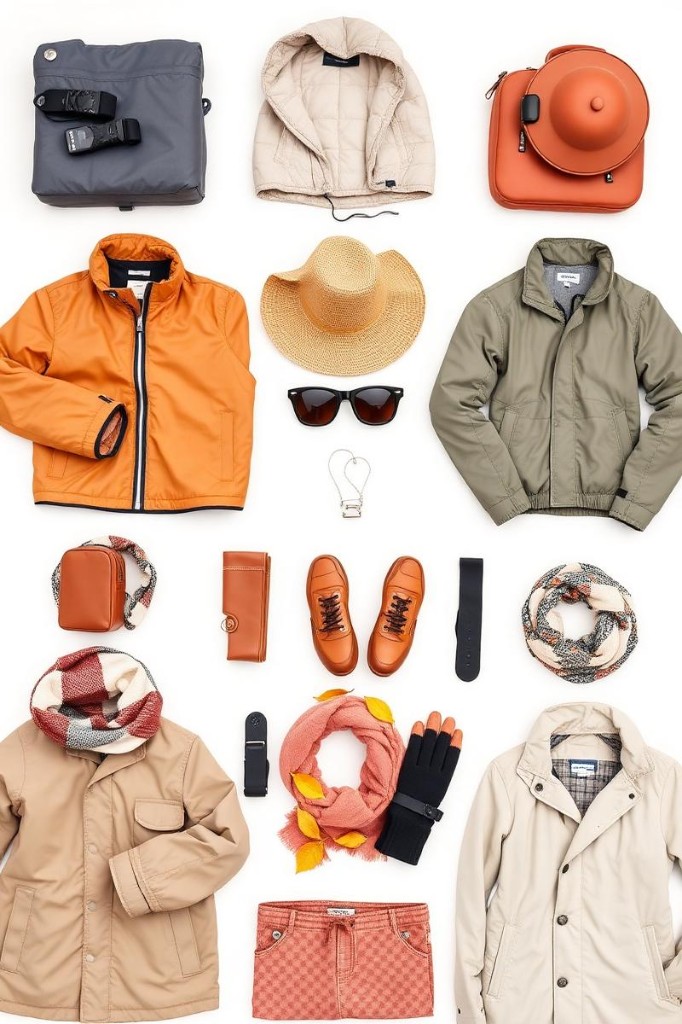
👕 Seasonal packing

Dry Season (May-October): • Breathable walking shoes • Lightweight cotton clothing • Hat and sunglasses • Swimsuit • Lightweight fleece for evenings

Wet Season (November-April): • Compact waterproof jacket • Non-slip waterproof shoes • Quick-dry clothing • Compact umbrella • Waterproof bag for electronics
Travel clothing and gear by season

💰 Seasonal budget

PeriodAccommodation (WST/night)Transport (WST/day)Restaurants (WST/day)Activities (WST)Traffic
Dry Season180-35080-120100-18050-200⭐⭐⭐⭐⭐
Wet Season120-25060-10080-15040-150⭐⭐
Transition Periods150-30070-11090-16545-175⭐⭐⭐

💡 Money-saving tips

• Homestays for an authentic and economical experience • Local restaurants are 3x cheaper than tourist establishments • Local bus transport is very affordable • Many free activities (beaches, hiking, villages) • Negotiation possible for group activities

🏥 Health and precautions

• High-factor sunscreen (SPF 50+) mandatory • Effective mosquito repellent against dengue • Constant hydration due to high heat • Closed shoes for hiking (volcanic terrain) • Basic first-aid kit (not always available locally) • Travel insurance recommended

Cultural Events

Calendar of traditional festivities in Asau

Samoan cultural events shape life in Asau and offer an authentic immersion into age-old Polynesian traditions.

🎭 Teuila Festival (September)

Description: The largest cultural festival in Samoa, celebrating Polynesian heritage with traditional dances, local crafts, ancestral sports competitions, and authentic cuisine in a unique festive atmosphere.

Location: Asau town center and surrounding villages

Highlight: Live demonstrations of traditional Samoan tattooing

Climate Impact: Ideal dry period, high attendance, reservations essential

Transport Access: Special shuttles from Apia, vehicle rental recommended

Planning Tip: Book accommodation 3 months in advance, prices may double

⛪ Easter Celebrations (March-April)

Description: Religious festivities blending Christian traditions and Samoan customs with colorful processions, traditional polyphonic singing, community feasts, and moving spiritual ceremonies.

Location: Historic churches and public squares in Asau

Highlight: World-unique Samoan vocal harmonies

Climate Impact: End of the wet season, showers possible, contemplative atmosphere

Transport Access: Reinforced public transport, heavy traffic

Planning Tip: Respect dress codes, participation is free

🏆 Va'a Competitions (June-August)

Description: Traditional Polynesian outrigger canoe races gathering the best rowers in the Pacific in an exceptional sporting and cultural spectacle with ancestral opening ceremonies.

Location: Asau Bay and adjacent beaches

Highlight: Preserved traditional navigation techniques

Climate Impact: Perfect dry season, calm sea, optimal visibility

Transport Access: Easy walking access from the town center

Planning Tip: Arrive early for the best spots, free event

Seasonal events

Dry Season: • Dance festivals (July) • Traditional fishing competitions (August) • Village festivals (May-September) • Independence celebrations (June)

Wet Season: • Samoan New Year (January) • Harvest festivals (February-March) • Spiritual ceremonies (November-December) • Local Christmas markets (December)

Responsible Tourism

Adopt a respectful approach to the fragile environment and ancestral Samoan traditions to preserve this exceptional destination.

Responsible tourism in Asau involves respecting local customs, protecting fragile marine and terrestrial ecosystems, supporting the community economy, and minimizing environmental impact in this preserved region of the Pacific.

🌱 Low-season advantages

Traveling in the wet season reduces tourist pressure, allows for more authentic interaction with local communities, lowers ecological impact, and offers fair prices.

♻️ Sustainable travel tips

• Favor certified local family accommodations • Consume local and seasonal products • Respect protected marine areas • Use traditional public transport • Avoid single-use plastics • Participate in respectful community activities

🏙️ Local sustainable initiatives

Asau is developing community ecotourism projects: coral reef conservation, reforestation programs, traditional marine resource management, local guide training, promotion of authentic crafts, and preservation of ancestral dialects.

Our Recommendations

Personalized tips for your stay in Asau

After analyzing climatic conditions, tourist traffic, and cultural events, we offer tailored recommendations to optimize your discovery of Asau. These tips take into account the specifics of the Samoan tropical climate, seasonal price variations, and the authenticity sought based on your traveler profile.

🌟 Optimal Period: May to September

Pros:
• Ideal weather conditions with little rainfall
• Calm sea perfect for water activities
• Humpback whale season (June-September)
• Open-air cultural festivals
• Accessible hiking trails

Key Events: Teuila Festival, Va'a competitions, Independence celebrations

Cons: Maximum tourist traffic, high accommodation rates

Ideal Profile: Families, first-time travelers, water sports enthusiasts

Stay Duration: 4-5 days recommended

⚖️ Interesting Alternative: October-November

Description: Transition period offering an excellent compromise between favorable climatic conditions and more affordable rates.

Specific Pros: Fewer tourists, intermediate prices, nature still accessible, beginning of the tropical fruit season

For Whom: Experienced travelers, medium budgets, tranquility seekers

👥 Tips for your travel style

Family: Family-friendly accommodation in Asau village, safe beach activities, May-September optimal, private transport recommended

Budget: Wet season, homestays, public transport, focus on free activities

Culture: Possible all year round, participate in local events, community guides, immersion in traditional villages

Romantic: Dry season, sea-view accommodation, isolated beach sunsets, local restaurant dinners

Weekend: 3-4 days sufficient, focus on main activities, central accommodation, organized transport

First-time traveler: May-September mandatory, local guide recommended, comfortable accommodation, safe classic activities

⚠️ Periods to Avoid: December-March

Reasons: Active cyclone season, very heavy rainfall, extreme humidity, some trails inaccessible

Nuance: Acceptable for experienced travelers seeking lush nature and very advantageous rates

Villes du même pays

All cities

Frequently Asked Questions

Answers to essential questions to effectively plan your trip to Asau based on climatic conditions.

What is the best month to visit Asau?

June to August represents the optimal period with a dry climate, pleasant temperatures (21-27°C / 70-81°F), calm seas, and the whale-watching season. This is also the high tourist season with higher rates. For a good compromise, May and September offer excellent conditions with fewer crowds.

How many days should I plan for Asau?

3 to 5 days allow you to discover the essentials of Asau and its surroundings. Plan for at least 3 days for the main sites (beaches, waterfalls, traditional village), 4-5 days to include water activities and excursions, or 6-7 days for a complete cultural immersion by participating in local life.

What to do in Asau when it rains?

Tropical showers generally only last a few hours. Take the opportunity to visit the Samoan Cultural Center, participate in traditional craft workshops, discover local restaurants with performances, or explore covered markets. Historic churches also offer an interesting cultural refuge.

Which events should not be missed in Asau?

The Teuila Festival in September is the major cultural event with traditional dances and crafts. The Va'a competitions (June-August) offer a unique sporting spectacle. Easter celebrations reveal exceptional Samoan vocal harmonies. Each village also organizes its own seasonal festivities.

What budget should I plan according to the season?

In the dry season (May-October): 400-650 WST/day all-inclusive. In the wet season (November-April): 260-450 WST/day with significant discounts on accommodation. Transition periods offer a good compromise at 330-550 WST/day. Add 20-30% during major festivals.