When to visit Falealili? City-Trip Guide

Between a sun-drenched dry season and a wet season with intense colors, Falealili offers you an authentic Samoan experience at any time of the year.

  • 0.006 M population
  • Samoan, English language
  • 185 days rainy days/year
  • May to October best time to visit
  • 3 to 5 days recommended stay

Weather Trends and Climate in Falealili

Understanding the Tropical Oceanic Climate of Falealili

Falealili, a rural district on the southern coast of Upolu island in Samoa, enjoys a tropical humid climate influenced by the Pacific Ocean. Heat is constant year-round, with a dry season favorable for visits from May to October and a rainy, occasionally cyclonic season from November to April. The proximity of the lagoon and lush vegetation help temper the temperatures.

MonthMin Temp (°C / °F)Max Temp (°C / °F)Precipitation (mm)Sunshine (h/day)Tourist TrafficRecommended Activities
January24°C / 75°F30°C / 86°F3505★★Cultural visits, traditional villages
February24°C / 75°F30°C / 86°F3804★★Local crafts, faleo'o, inland
March24°C / 75°F31°C / 88°F3505★★Light hiking, village tours
April24°C / 75°F31°C / 88°F2806★★★Beaches, snorkeling, nature
May23°C / 73°F30°C / 86°F2207★★★All activities, beaches, hiking
June23°C / 73°F29°C / 84°F1607★★★Trekking, diving, Samoan culture
July22°C / 72°F29°C / 84°F1507★★★★Ideal beaches, water sports
August22°C / 72°F30°C / 86°F1608★★★★Peak season, all outdoor activities
September23°C / 73°F30°C / 86°F1807★★★★Festivals, swimming, excursions
October23°C / 73°F31°C / 88°F2307★★★White Sunday, ceremonies, beaches
November24°C / 75°F31°C / 88°F2806★★★Accessible beaches, culture
December24°C / 75°F31°C / 88°F3305★★★Holiday season, Samoan traditions

The Seasons in Falealili

Attractions by Weather

Whether the sun is out or clouds move in, Falealili and its surroundings hold wonders adapted to every weather condition. Here is how to optimize your stay according to the sky of the day.

☔ In overcast or rainy weather

Indoor & Sheltered Experiences in Falealili

Rainy days are a precious invitation to dive into authentic Samoan culture, far from the classic tourist circuits. Falealili, a traditional village, offers irreplaceable human and artisanal experiences.

  • 🛖 Traditional Fales (Samoan open house) — Visit a local family under their fale, a semi-open living space that stays cool even in the rain — duration: 1 to 2 h — free upon invitation
  • Falealili Village Church — Typical white colonial architecture, enchanting Sunday choir — duration: 1 h — free
  • 🌿 Pandanus Weaving Workshop — Learning traditional mats and baskets with village women — duration: 2 h — small donation appreciated
  • 🍍 Samoan Cooking with Locals — Discovery of the umu (earth oven) and tasting of taro, palusami, povi masima — duration: 2 to 3 h — by prior arrangement
  • 🎵 Traditional Fiafia Evening — Songs, dances, and fire shows in surrounding villages — duration: 2 h — 20 to 40 WS$

Practical tip: Contact your accommodation (tourist fale) the day before to organize experiences with locals. Direct booking is always appreciated.

Additional tip: Combine a Sunday morning church visit (proper attire required) and a traditional family meal for a complete cultural day.
☀️ In good weather

Optimal Outdoors around Falealili

Under a beautiful tropical sun, Falealili reveals natural treasures among the most beautiful in Samoa. The south coast of Upolu is renowned for its white sand beaches and crystal-clear lagoons protected by intact coral reefs.

  • 🏖️ Lalomanu Beach (15 km east) — Regularly ranked among the most beautiful beaches in the Pacific — best time: 8 am to 11 am before the heat — village entry: 5 WS$
  • 🤿 Snorkeling on the Falealili Reef — Shallow waters rich in corals and tropical fish — ideal at high tide in the morning — equipment for rent on site
  • 🌊 To Sua Natural Pools (20 km) — Natural sinkholes connected to the sea, a must-see in Samoa — visit duration: 2 to 3 h — entry: 20 WS$
  • 🌴 District Coastal Trail — Walk between traditional villages, coconut groves, and the seaside — duration: 3 to 4 h — free
  • 🐢 Sea Turtle Watching — Southern beaches host green turtle nesting (season: November-March) — early morning recommended
  • 📸 Sunset on the South Coast — The golden hour offers unforgettable panoramas over the lagoon — 6 pm to 7 pm depending on the season

Best moment: Sunrise on Lalomanu beach is a moment of absolute grace, not to be missed under any circumstances.

Seasonal tip: Prioritize June-September for a calm sea and ideal conditions. Avoid midday from December to March (intense humid heat).

🌤️ Versatile for all weather

Flexible Sites for All Weather

Certain places in Falealili and its surroundings can be enjoyed in all weather, offering precious flexibility in planning an unpredictable tropical stay.

  • 🌿 Traditional Falealili Village — Wandering through the lanes, interacting with residents, observing daily Samoan life — suitable for sun or light rain
  • Historic Church Circuit — The magnificent colonial religious buildings offer coolness and architectural wonder at all times
  • 🥥 Coconut Plantation and Local Market — Discovery of local products (copra, coconut oil, crafts) — lively early in the morning

Weather tip: In case of a sudden shower, take refuge in an open fale or a church. Samoans will welcome your visit with smiles and generosity.

Example of a typical itinerary: Morning — visit the local market and have a tropical breakfast. Mid-morning — snorkeling or coastal walk. Afternoon — visit a family, craft workshop. Evening — fiafia or meal under the fale.

💰 Free or economical

Free or Economical Attractions

  • 🚶 Coastal path between villages — Free walk on dirt paths along the lagoon — totally free
  • Sunday morning mass — Intense cultural and musical experience in all the district's small chapels — free (decent attire mandatory)
  • 🌅 Panorama from the central hill — Clear view of the south coast and the Pacific Ocean — free, accessible on foot
  • 🐠 Lagoon swimming — Public beaches in the district remain accessible for free to swimmers — plan for 5 WS$ village fee

Free days: Sunday is a sacred day in Samoa; prioritize cultural and religious activities, which are free but require respect for local dress codes.

Budget tips: Buy your fruits (papayas, bananas, mangoes) directly from families on the roadside for two to three times cheaper than in supermarkets in Apia.

Practical Guide

In Falealili, traveling smart means anticipating the climatic contrasts between the dry and wet seasons. Constant heat requires lightweight clothing and sun protection, while tropical showers demand a rain poncho in your bag. The Samoan village rhythm and remoteness from tourist infrastructure require rigorous preparation but prove to be of incomparable human richness.

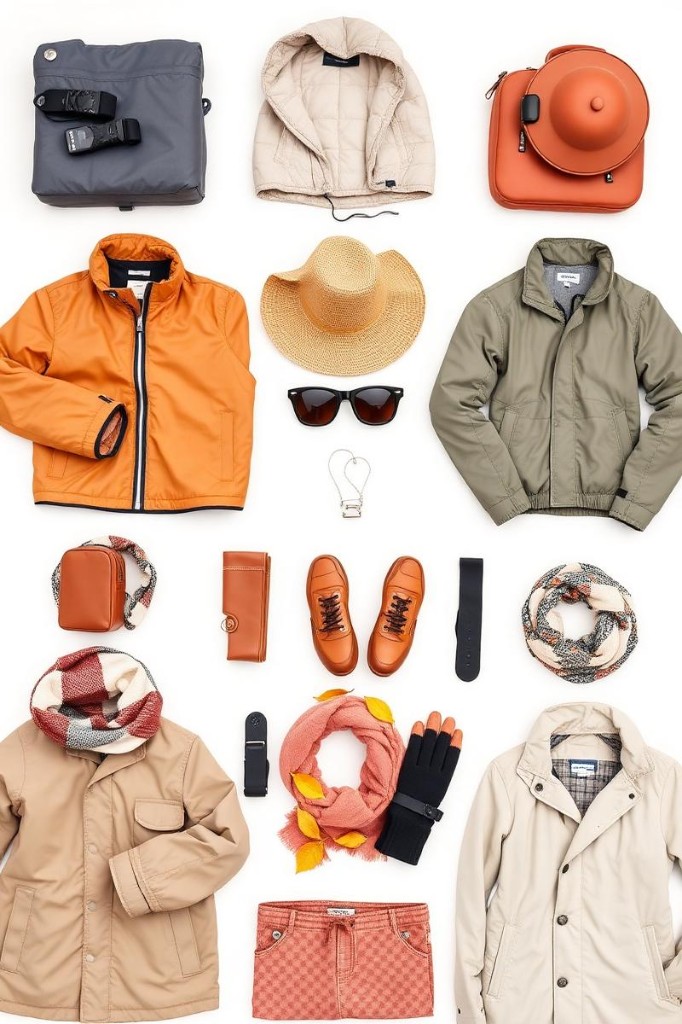
👕 Seasonal packing

Dry Season (May-October): • Lightweight cotton or linen clothing • Multi-purpose sarong (beach, village, church) • Lightweight walking shoes or closed sandals • SPF 50+ sunscreen and wide-brimmed hat • Polarized sunglasses for the lagoon

Wet Season (November-April): • Compact rain poncho (essential) • Waterproof sandals (e.g., Teva style) • Quick-dry clothing • Long-lasting mosquito repellent (dengue is present in Samoa) • Waterproof bag to protect cameras and documents

All Seasons: • Attire covering shoulders and knees for entering villages and churches (cultural obligation) • Lavalava (Samoan sarong) highly recommended — available locally for a few tala

Travel clothing and gear by season

💰 Seasonal budget

PeriodFale Accommodation (€/night)Transport (€/day)Meals (€/day)Activities (€)Traffic
June – July30 – 6010 – 2015 – 3010 – 25★★★★
August – September40 – 8010 – 2015 – 3510 – 30★★★★
October35 – 6510 – 2015 – 3010 – 25★★★
November – January25 – 5010 – 1512 – 255 – 20★★★
February – April20 – 4010 – 1512 – 205 – 15★★

💡 Money-saving tips

Stay in a tourist fale directly with a local family: cheaper and infinitely more enriching than a hotel in Apia — choose beachside fales (35 to 60 € all-inclusive with meals).
Rent a car from Apia (15 to 25 €/day) to explore the south coast freely, much more economical than shared taxis.
Eat with locals rather than at restaurants: a full Samoan meal (taro, coconut milk chicken, tropical fruits) rarely exceeds 8 €.
Visit in May-June rather than August for prices 20 to 30% lower with almost identical climatic comfort.
Carry cash in Samoan tala: Falealili villages have no ATMs — withdraw in Apia before departure.

🏥 Health and precautions

  • Dengue and other arboviruses: present in Samoa year-round — use 30% DEET mosquito repellent minimum, wear long clothing at dusk
  • Hydration: in the wet season, the humid heat is deceptive — drink at least 2 L (approx. 0.5 gal) of filtered water per day
  • Cyclonic risk: from November to April, consult the Samoa Meteorology Division weather reports before any sea excursion
  • Sun protection: the UV index regularly exceeds 11 (extreme) from October to March — SPF 50+ sunscreen and headwear are mandatory
  • Pharmacy: the nearest pharmacy is in Apia (1 hour drive) — assemble a complete first-aid kit before leaving

Samoan Events and Festivals

Calendar of Must-See Events around Falealili

Cultural and religious events are the beating heart of life in Falealili. They radically transform the district's atmosphere and offer travelers an unforgettable emotional immersion into the Samoan soul.

🇼🇸 Samoa Independence Day — June 1st

June 1st marks the anniversary of Samoa's independence in 1962. Villages are adorned with red and blue flags, official ceremonies are held throughout the country, and a festive atmosphere fills the communities. In Falealili, families gather for communal meals and traditional dances in open-air fales. A deeply moving moment of national pride.

Location: Villages of the Falealili district and central ceremonies in Apia

Highlight: Speeches by traditional chiefs (matai), national anthems, and community awards

Climate Impact: Start of the dry season, weather generally favorable for outdoor festivities

Transport: Bus from Apia (Fugalei market) towards Falealili — approx. 1 hour — 3 to 5 WS$

Planning Tip: Book your fale at least 3 weeks in advance — seaside accommodations are in high demand around June 1st.

🤍 White Sunday / Lotu a Tamaiti — 2nd Sunday of October

White Sunday is one of the most touching times of the year in Samoa. On this Sunday, children are celebrated like royalty: dressed in immaculate white, they lead the church service, recite biblical texts, and receive gifts and festive meals. The whole country pauses. The villages of Falealili experience a moment of collective grace that is palpable for any visitor lucky enough to witness it.

Location: All churches and fales in the Falealili district

Highlight: The only day of the year where children have absolute priority over adults in the traditional Samoan hierarchy

Climate Impact: End of the dry season, some showers possible in October — bring an umbrella

Transport: Personal vehicle or taxi from Apia recommended to reach Falealili villages early in the morning

Planning Tip: You must book your accommodation 4 to 6 weeks in advance — White Sunday is a period of high local family demand.

🎭 Teuila Festival — First week of September

Although centered in Apia, the Teuila Festival radiates across all of Upolu and generates an exceptional festive atmosphere in districts like Falealili. This national festival celebrates Samoan culture in all its splendor: siva dances, traditional pe'a tattooing, canoe races, tifaga competitions, and gastronomic tastings. Villages around Apia, including Falealili communities, participate in inter-community competitions.

Location: Apia (30 to 45 min from Falealili by car) — Beach Road and Mulinu'u

Highlight: The pe'a tattoo competition (traditional Samoan tattoo), one of the most respected in the Pacific

Climate Impact: End of the dry season, weather conditions generally excellent for outdoor events

Transport: Bus from Falealili to Apia (Fugalei market) — 1 hour — 3 WS$ or shared taxi

Planning Tip: Book accommodation and flights 2 to 3 months in advance — this is the absolute peak tourist season in Samoa.

Seasonal events

Dry Season (May-October): • Independence Day (June 1st — in all villages) • Teuila Festival (1st week of September — Apia) • White Sunday (2nd Sunday of October — entire district) • Samoan Language Day (May — schools and communities)

Wet Season (November-April): • Samoan Christmas (December 25th — intense family celebration in villages, Christmas carols in churches) • New Year's Day (January 1st — village festivities) • Samoan Easter (March-April — important religious solemnities, silent villages on Good Friday) • Apia Yacht Club Race (January — boat races visible from the coast)

Traveling Responsibly in Falealili

Choosing when and how to visit Falealili has a direct impact on local communities and this precious tropical ecosystem. Thoughtful tourism, respectful of Samoan rhythms and marine ecosystems, is not only desirable here but deeply expected by the residents.

Falealili is first and foremost a living village, not a theme park. Every decision — where to sleep, what to eat, how to get around — has a direct impact on local families. Prioritize family-run tourist fales over large hotel chains in Apia, buy your fruits and crafts directly from producers, respect the mandatory Sunday silence (Sa, from 6 pm to 8 am on Sunday), and never photograph a person without their explicit permission.

🌱 Low-season advantages

Visiting Falealili in the low season (February-April) reduces pressure on fragile coral reefs, allows for more authentic human exchanges with families, and helps to balance tourism income throughout the year, thus benefiting more households in the district.

♻️ Sustainable travel tips

Sleep in a family fale: 100% of your money goes directly to a family in the district — the eco-responsible choice par excellence in Falealili.
Respect the Sa (village curfew on Sunday evening): stop if you hear the village bell — it is a moment of mandatory collective prayer.
Do not touch the corals while snorkeling — the south coast reefs are still healthy but extremely vulnerable.
Pick up your plastic waste and any you find on the beach — waste management infrastructure remains limited in rural villages.
Consume local: taro, papayas, coconuts, coconut oil — a virtuous circular economy that feeds Samoan families.
Avoid jet-ski rentals or motorized water activities — Falealili lagoons harbor protected sea turtle nesting areas.

🏙️ Local sustainable initiatives

The Falealili district actively participates in the protection of coastal zones via traditional village committees (nu'u) that manage access to beaches and reefs. Community entry fees (5 to 10 WS$) directly fund the preservation of ecosystems and local sanitary infrastructure. Several families have obtained eco-tourism labels from the Samoa Tourism Authority.

Our Recommendations

Recommendations for your stay in Falealili based on your profile

After a complete analysis of the tropical climate of Falealili, its cultural events, and its geographical features, the May-September period stands out as the ideal window for a successful stay. The dry season guarantees sunny days, a calm sea suitable for swimming and snorkeling, and a relaxed village atmosphere. Those seeking deep authenticity and the lowest prices will find October-November a remarkable alternative, punctuated by White Sunday in October. Only the February-March period (cyclonic risk and intense rain) really deserves to be avoided by travelers inexperienced in tropical environments.

Optimal Period: June to September

Recommended months: June, July, August, September

Advantages:

  • Maximum sunshine (7 to 8 h/day), clear sky, moderate humidity
  • Calm and transparent sea, perfect conditions for snorkeling and diving
  • Teuila Festival in September: unique Samoan cultural immersion
  • Mild temperatures (22-30°C / 72-86°F) without the oppression of the high wet season
  • All outdoor activities accessible without major meteorological risk

Key events: Teuila Festival (September), Independence Day (June 1st)

Disadvantages: Prices slightly higher in August-September, some sites more crowded than in low season

Ideal profile: Families, couples, nature and culture travelers, first trips to Samoa

Recommended duration: 4 to 5 days minimum to discover Falealili and its coastal surroundings

Interesting Alternative: October and May

Alternative months: May, October

May offers the best value for money of the dry season: accommodation prices are still low, the sky gradually clears, and the lagoons regain their calm. October is marked by White Sunday, a cultural event of rare emotional intensity, while maintaining good weather conditions before the first serious rains.

Specific advantages: Fewer tourists than in high season, prices 20 to 30% lower, unforgettable White Sunday in October, easier human contact with local families

For whom: Travelers on a reasonable budget, lovers of authentic Samoan culture, photographers, travelers experienced in tropical environments

👥 Tips for your travel style

Family: Prioritize July-August for the best beach conditions — beachside fale with meals included, visit to To Sua natural pools, White Sunday in October if you have children — average budget: 80 to 120 €/day for a family of 4.

Tight budget: Opt for May or November — family fales with full board from 30 to 50 €/night, ultra-economical local food, free or nearly free natural sites.

Culture and authenticity: Sundays year-round for mass and family meals, October for White Sunday, September for the Teuila Festival — immerse yourself in fa'a Samoa (Samoan way of life) by staying at least 4 nights with locals.

Romantic: July or August for sunsets over the lagoon, beachside fale with private terrace, candlelight dinner under the tropical stars — book early, limited availability.

First trip: June or September are ideal — reliable weather conditions, good basic infrastructure, Teuila Festival in September for a spectacular cultural introduction — plan for 4 to 5 days minimum.

Periods to avoid: February and March

Months not recommended: February, March

Reasons: Maximum cyclonic risk for Samoa (category 2 to 4 cyclones possible), very heavy rainfall (350 to 380 mm/month), rough sea making swimming and snorkeling dangerous, some village road access potentially cut off, suffocating humidity (85 to 95% relative humidity)

Nuances: Adventurous travelers or tropical landscape photographers may find a unique dramatic beauty in these months — swollen waterfalls, lush vegetation, absolute solitude — provided they monitor the daily cyclonic bulletins from the Samoa Meteorology Division and take out travel insurance covering natural disasters.

Villes du même pays

All cities

Frequently Asked Questions

Here are the questions travelers most often ask before heading to Falealili, to plan their stay with peace of mind while considering the tropical climate and Samoan specifics.

What is the best month to visit Falealili?

The best months to visit Falealili are July or August, in the heart of the dry season. The sky is clear, sunshine reaches 7 to 8 hours per day, the sea is calm, and temperatures stay between 22°C and 30°C (72°F - 86°F) — ideal for outdoor activities. June offers the same advantages with slightly lower prices and fewer crowds. If you wish to attend the Teuila Festival, plan your visit in September. For White Sunday (an exceptional cultural event), head there during the second week of October.

How many days should I plan for Falealili?

Count on at least 3 to 5 days to appreciate Falealili and its surroundings. Three days are enough for the essentials: Lalomanu beach, To Sua ocean trench, a village visit, and a fiafia evening. Five days allow for a more complete immersion: coastal hiking, snorkeling on the reef, a Sunday with a Samoan family, and an excursion to Apia for the market and museums. If you really want to settle in, a week will offer a profound and memorable experience of fa'a Samoa.

What to do in Falealili when it rains?

Tropical rains in Falealili are often brief but intense. Take the opportunity to experience Samoan culture from the inside: participate in a pandanus weaving workshop with village women, observe the preparation of the umu (earth oven meal), visit the district's historic church, or simply chat under your host family's open-air fale. If the rain lasts, a round trip to Apia (45 min) will give you access to the Samoa Museum, the Fugalei covered market, and several restaurants and cafes.

Which events should not be missed in Falealili and Samoa?

Three events are absolutely unmissable: White Sunday (2nd Sunday of October), a moment of pure emotion where children rule the villages in immaculate white; the Teuila Festival (1st week of September in Apia), a major gathering of Samoan culture with dances, canoes, and traditional tattoos; and Independence Day (June 1st), celebrated with pride in all villages including Falealili. In the wet season, Samoan Christmas masses are of striking musical and spiritual beauty.

What budget should I plan for a stay in Falealili depending on the season?

In high season (July-September), plan for 60 to 100 € per person per day (fale with full board + activities + transport). In mid-season (May-June, October), the budget drops to 45 to 75 €/day. In low season (November-April), you can get by with 35 to 55 €/day. Main expenses are seaside fale accommodation (30 to 70 €/night all-inclusive), car rental from Apia (15 to 25 €/day), and community entry fees for beaches and natural sites (5 to 20 WS$ per site).