When to visit Auschwitz-Birkenau? A Memorial Guide

Prepare for your memorial visit with respect and dignity according to the seasons.

  • 40,000 population
  • Polish language
  • 120 days rainy days/year
  • May to September best time to visit
  • 1 to 2 days recommended stay

Climate and weather in Auschwitz-Birkenau

Understanding the continental climate of Auschwitz-Birkenau

Auschwitz-Birkenau experiences a humid continental climate typical of the Lesser Poland region. Winters are harsh with frequent snow, while summers can be hot and stormy. The region sees marked seasonal variations that influence the conditions for visiting the memorial site.

  • Continental Zone: Influenced by European air masses with cold winters and temperate summers
  • Plains Terrain: Flat landscape that promotes wind and humidity
  • Proximity to the Carpathians: Impact on precipitation and temperature fluctuations
MonthMin Temp (°C / °F)Max Temp (°C / °F)Precipitation (mm)Sunshine (h/day)Tourist TrafficVisit Conditions
January-4°C / 25°F1°C / 34°F252Cold, snow possible
February-3°C / 27°F3°C / 37°F303Cold, frozen ground
March1°C / 34°F8°C / 46°F354⭐⭐Thaw, muddy
April5°C / 41°F14°C / 57°F405⭐⭐⭐Mild, showers
May10°C / 50°F19°C / 66°F607⭐⭐⭐⭐Pleasant
June13°C / 55°F22°C / 72°F708⭐⭐⭐⭐⭐Optimal
July15°C / 59°F24°C / 75°F808⭐⭐⭐⭐⭐Hot, storms
August14°C / 57°F23°C / 73°F757⭐⭐⭐⭐⭐Hot, humid
September10°C / 50°F19°C / 66°F505⭐⭐⭐⭐Pleasant
October6°C / 43°F13°C / 55°F404⭐⭐⭐Cool, fog
November2°C / 36°F7°C / 45°F352⭐⭐Cold, humid
December-2°C / 28°F3°C / 37°F302Cold, snow

The site is located at an altitude of 240 meters / 787 feet in the Silesian Plain. This low elevation does not significantly influence temperatures but promotes the accumulation of humidity and morning fog, especially in autumn and winter.

The Seasons

Visit based on conditions

Organize your memorial route based on weather conditions for a respectful and complete visit to the site.

☔ In cloudy/rainy weather

Covered and protected areas

Rainy conditions naturally point towards the memorial's indoor spaces.

Priority Sites:
🏛️ Auschwitz I Museum - Exhibition blocks (2-3h) - Free entry
📚 Visitor Information Center - Documentation (30min) - Free
🎬 Documentary film screening room (15min) - Included
🏢 Covered thematic blocks - Permanent exhibitions (1-2h)
🖼️ Temporary exhibition spaces - According to schedule
🏢 Memorial administrative buildings - Information

Practical tip: Online reservation mandatory, audio guides available
Tip: Start with Auschwitz I then Birkenau if the weather improves

☀️ In good weather

Complete outdoor route

Good weather allows you to grasp the vastness of the site in optimal conditions.

Priority Sites:
🚂 Birkenau Ramp - Arrival of deportees (45min) - Free
🏚️ Ruins of the crematoria - Memorial path (1h)
🚪 "Arbeit macht frei" Gate - Historical symbol (15min)
🛤️ Railway tracks and wagons - Testimony (30min)
🌳 International Monument - Reflection (20min)
📍 Guard tower and barbed wire - Overview (30min)

Best time: Morning (8am-11am) or late afternoon for the light
Seasonal tip: Avoid July-August in the middle of the day (heat)

🌤️ Adaptive route

Flexible visit

Some areas allow for rapid adaptation to weather changes.

Versatile sites:
🏛️ Main entrance - Transition inside/outside
🎯 Blocks with inner courtyards - Modular
🚶 Short paths between buildings - Flexible

Weather tip: Follow real-time updates and adapt the route
Example itinerary: Start covered, then go outside if it improves

🕊️ Areas for reflection

Places of memory

Free areas:
🕯️ Wall of Executions - Free reflection
🌹 Memorial monuments - Free access
📿 Prayer areas - All faiths
🤲 Memory gardens - Meditation

Privileged moments: Early morning or late afternoon
Respect: Silence and dignity required at all times

Practical Guide

Prepare for your memorial visit by taking into account the climatic specifics and the unique nature of this historical site.

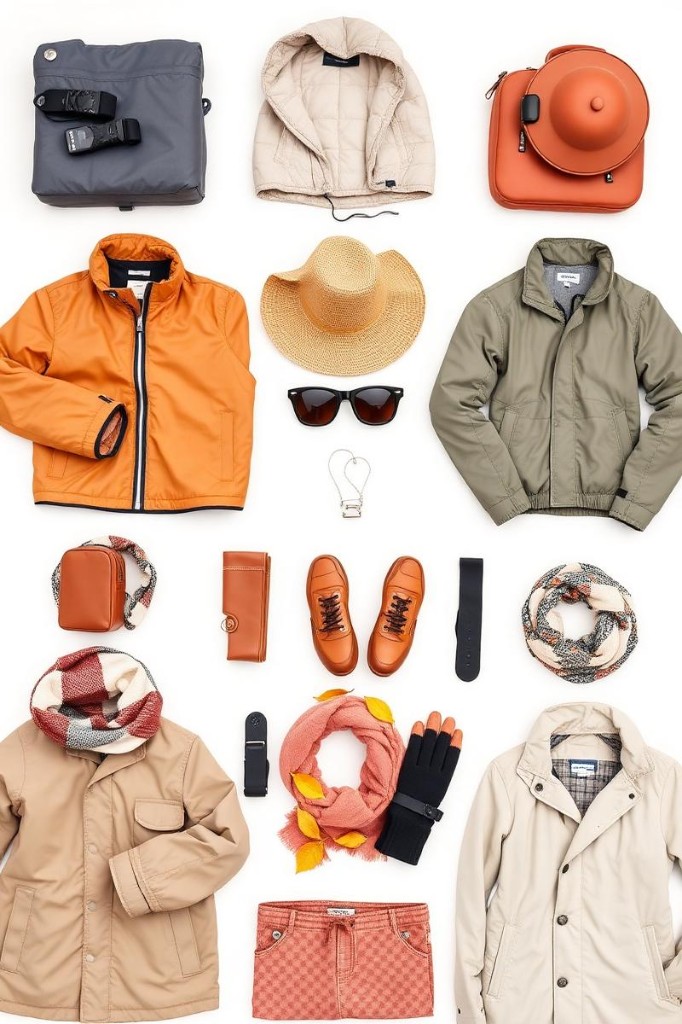
👕 Seasonal packing

Spring: • Waterproof walking shoes • Windbreaker jacket • Compact umbrella • Layered clothing

Summer: • Comfortable closed-toe shoes • Hat and sunscreen • Light jacket for storms • Water bottle

Autumn: • Non-slip shoes • Waterproof jacket • Gloves and hat • Warm clothing

Winter: • Non-slip winter boots • Warm coat • Gloves, hat, scarf • Thermal underwear • Hand warmers
Travel clothing and gear by season

💰 Seasonal budget

SeasonTransport (€)Meals (€/day)Krakow Accommodation (€/night)Guide (€)Crowds
Winter15-2520-3540-80200-300
Spring20-3025-4060-120250-350⭐⭐⭐
Summer25-3530-5080-150300-400⭐⭐⭐⭐⭐
Autumn20-3025-4050-100250-350⭐⭐

💡 Money-saving tips

• Mandatory free reservation on the official website • Transport from Krakow: economical bus or train • Dining: avoid the immediate surroundings of the site • Accommodation: Krakow offers more options than Oświęcim • Official guides recommended for historical accuracy

🏥 Health and precautions

Psychological preparation: emotionally difficult visit • Physical condition: walking on sometimes uneven terrain • Hydration: bring water, few sales points • Medication: anti-stress if necessary • Emergencies: medical center in Oświęcim

Commemorative Events

Official Commemoration Calendar for Auschwitz-Birkenau

Commemorative events mark the year and provide a unique dimension to visiting this place of remembrance.

🕯️ International Holocaust Remembrance Day - January 27

Official commemoration of the liberation of the camp with international ceremonies. Survivors, world leaders, and official delegations gather in an atmosphere of solemn reflection.

Location: International Monument at Birkenau
Note: Ceremony broadcast globally
Impact: Limited access, special reservation required, high emotional intensity
Access: Enhanced transport from Krakow
Planning: Book accommodation 6 months in advance

🌹 March of the Living - April/May (depending on Yom HaShoah)

A symbolic 3 km / 1.86 mile walk between Auschwitz I and Birkenau, bringing together thousands of participants from around the world, primarily Jewish youth. An intense moment of intergenerational memory transmission.

Location: Route from Auschwitz I to Birkenau
Note: Largest annual gathering
Impact: Site closed to the general public, strong collective emotion
Access: Prior registration mandatory
Planning: Accommodation fully booked in the region

📚 Memory Week - September

A series of conferences, testimonies, and exhibitions organized by the museum featuring international historians and the last remaining witnesses. Enhanced educational program for school and university groups.

Location: Museum Education Center
Note: Privileged access to archives
Impact: Academic attendance, reservations recommended
Access: Online conference registration
Planning: Program published in June

Seasonal events

Winter: • January 27 Ceremony (liberation) • Open archive days • Historical conferences

Spring: • March of the Living (April/May) • National commemorations • Official visits

Summer: • International educational programs • Teacher seminars • Temporary exhibitions

Autumn: • Memory Week • Meetings with witnesses • Academic colloquia

Responsible Memorial Tourism

Visiting Auschwitz-Birkenau requires a respectful and responsible approach, in harmony with the dignity of the site and the memory of the victims.

Responsible memorial tourism involves absolute respect for the sacred nature of the site, prior preparation for the visit, adopting appropriate behavior, and contributing to the preservation of historical memory.

🌱 Low-season advantages

Visiting during the winter low season allows for authentic reflection, a better understanding of historical conditions, and avoids the trivialization caused by excessive crowds.

♻️ Sustainable travel tips

• Prior historical preparation mandatory • Respect silence and dignity • No photos in certain areas • Use public transport from Krakow • Financial support to the museum via donations • Official guide for accurate information

🏙️ Local sustainable initiatives

The Auschwitz-Birkenau Museum develops international educational programs, digitizes archives, trains teachers, and raises awareness against Holocaust denial, funded by international foundations.

Our Recommendations

Recommendations for your memorial visit to Auschwitz-Birkenau

Choosing the optimal time to visit Auschwitz-Birkenau requires balancing favorable weather conditions, respect for the memorial character of the site, and personal preparation for this emotionally intense experience. Our recommendations are based on an analysis of weather conditions, tourist traffic, and the commemorative calendar to guide you toward a dignified and meaningful visit.

🌸 Optimal Period: May to September

Recommended Months: May, June, September

Advantages:
• Mild weather conditions for walking
• Long days allowing for a complete visit
• Optimal accessibility to all areas
• Vegetation that softens the harshness of the site
• Comfortable temperature for reflection

Events: Enhanced educational programs, temporary exhibitions
Disadvantage: Higher crowds in July-August
Ideal Profile: First-time visitors, families, school groups
Recommended Duration: 1 full day (6-8 hours)

🍂 Interesting Alternative: October

Month: October
Description: Autumn offers an atmosphere particularly conducive to reflection with still-acceptable conditions and moderate attendance.
Advantages: Authentic melancholic mood, fewer visitors, lower accommodation rates
For whom: Experienced visitors, adults seeking authenticity

👥 Tips for your travel style

Family: May-June, guide mandatory, preparation for children over 14

School: September-October, educational programs, group transport

Individual: Any season based on preference, audio guide recommended

International: Avoid January 27 (commemoration), advance booking

First-time visitor: May-September, full day, English-speaking guide

Historian/Researcher: Archive access by appointment, any season acceptable

❄️ Challenging Periods: December to February

Months: December, January, February
Reasons: Extreme cold limiting visit duration, snow making some areas inaccessible, very short days
Nuance: Visit possible for well-prepared visitors seeking winter authenticity

Villes du même pays

All cities

Frequently Asked Questions

Answers to essential questions to help you organize your memorial visit in the best conditions.

What is the best month to visit Auschwitz-Birkenau?

May and September offer optimal conditions: pleasant climate, moderate crowds, and an atmosphere conducive to reflection. June is also suitable but with more visitors. Avoid July-August (crowds) and December-February (extreme cold). Visiting is possible year-round but requires preparation adapted to the chosen season.

How many days should I plan for Auschwitz-Birkenau?

One full day (6-8 hours) allows you to visit Auschwitz I and Birkenau with a guide. For a deeper approach, plan for 2 days: the first day for a guided tour, the second for a self-guided visit and the education center. Allow at least half a day for a respectful visit. Staying in Krakow (1 hour away) offers more options than Oświęcim.

What should I do at Auschwitz-Birkenau if it rains?

Focus on Auschwitz I with its covered exhibition blocks, the visitor information center, and the documentary film screening. Indoor spaces allow for a complete 3-4 hour visit. Bring waterproof clothing as some outdoor movement is still necessary. Birkenau can be postponed if conditions are very poor.

What events should I not miss at Auschwitz-Birkenau?

The International Holocaust Remembrance Day on January 27 (liberation) and the March of the Living in April/May are major events but require special planning. Memory Week in September offers conferences and testimonies. Check the official calendar as these events modify site access.

What budget should I plan for based on the season?

Winter: €80-€140/day (cheaper accommodation) • Spring/Autumn: €100-€180/day • Summer: €120-€220/day (peak pricing). Includes transport from Krakow (€20-€30), meals (€25-€45), and accommodation (€40-€150/night). Entry to the memorial is free, optional guides cost €250-€400/group. Online reservation is mandatory.