When to visit Poland? Complete Guide

Between continental climate and oceanic influences, Poland reveals contrasting climatic faces depending on the season.

  • 38 M population
  • Polish language
  • 180 days rainy days/year
  • May to September best time to visit
  • 7 to 14 days recommended stay

Weather and Climate in Poland

Understanding Poland's temperate continental climate

Poland features three distinct climatic zones influenced by its geographical position between the Atlantic Ocean and the Eurasian continent, creating notable variations depending on the region.

  • Baltic coastal zone: Moderate oceanic climate with mild winters and cool summers
  • Central plains: Continental climate with cold winters and warm summers
  • Southern mountainous regions: Mountain climate with cool temperatures year-round
MonthTemperature (°C / °F)Precipitation (mm / in)Sunshine (h/day)
January-3 to 1°C / 26.6 to 33.8°F30 / 1.182
April8 to 15°C / 46.4 to 59°F40 / 1.575
July18 to 25°C / 64.4 to 77°F80 / 3.158
October8 to 14°C / 46.4 to 57.2°F45 / 1.774

Altitude variations significantly influence temperatures, with differences of 6°C / 10.8°F for every 1000m / 3281ft of elevation in the Carpathians.

The Seasons in Poland

Climate by Region in Poland

Poland's geographical diversity creates distinct microclimates depending on the region. From the Baltic coastline to the Tatra Mountains, each zone presents its own climatic specifics.

🏖️ Baltic Coast

The Baltic coast benefits from a temperate oceanic climate, milder than the interior of the country. Marine influences moderate temperatures, creating cool summers and relatively mild winters. This region is particularly attractive in summer for its beaches and seaside resorts like Gdańsk and Sopot.

PeriodWeatherTemperatureActivities
SummerSunny, sea breezes18-22°C / 64.4-71.6°FBeaches, sailing, festivals
WinterMild, humid0-4°C / 32-39.2°FCultural visits

Specifics: Constant sea winds, less snow in winter, beach season from June to September.

🏛️ Central Plains (Warsaw, Łódź)

The central plains experience a typical continental climate with marked seasonal contrasts. This region, which houses the capital Warsaw, offers warm summers and cold winters, ideal for discovering Polish historical and cultural heritage throughout the year.

PeriodWeatherTemperatureActivities
SummerWarm, stormy20-26°C / 68-78.8°FUrban visits, festivals
WinterCold, snowy-3 to 1°C / 26.6-33.8°FMuseums, theaters

Specifics: Frequent summer thunderstorms, heavy snow in winter, best conditions from May to September.

🏔️ Southern Mountains (Tatras, Carpathians)

The southern mountainous regions offer a mountain climate with cool temperatures year-round. The Tatras and Carpathians are a paradise for hikers in summer and skiers in winter, with spectacular alpine landscapes and remarkable biodiversity.

PeriodWeatherTemperatureActivities
SummerCool, afternoon storms15-20°C / 59-68°FHiking, mountaineering
WinterSnowy, cold-8 to -2°C / 17.6-28.4°FSkiing, winter sports

Specifics: Snow cover from December to April, frequent summer storms, alpine conditions above 1500m / 4921ft.

🌲 Lake District (Masuria)

The Masurian Lake District features a particular microclimate influenced by numerous bodies of water. This zone offers pleasant summers and moderate winters, perfect for water activities and ecotourism in a preserved natural environment.

PeriodWeatherTemperatureActivities
SummerTemperate, moderate humidity18-24°C / 64.4-75.2°FBoating, fishing, cycling
WinterMild, foggy-2 to 3°C / 28.4-37.4°FNature observation

Specifics: Moderating effect of the lakes, frequent morning fog, nautical season from May to September.

Practical Guide for Poland

Preparing for a trip to Poland requires adaptation to significant seasonal climate variations. Here are our practical tips to optimize your stay according to the chosen period.

👕 Seasonal packing

Spring (March-May):

  • Layered clothing
  • Light waterproof jacket
  • Comfortable walking shoes

Summer (June-August):

  • Light cotton clothing
  • Sun protection
  • Jacket for evenings

Autumn (September-November):

  • Sweaters and cardigans
  • Raincoat
  • Waterproof shoes

Winter (December-February):

  • Warm and waterproof coat
  • Thermal underwear
  • Hat, gloves, scarf
  • Non-slip shoes
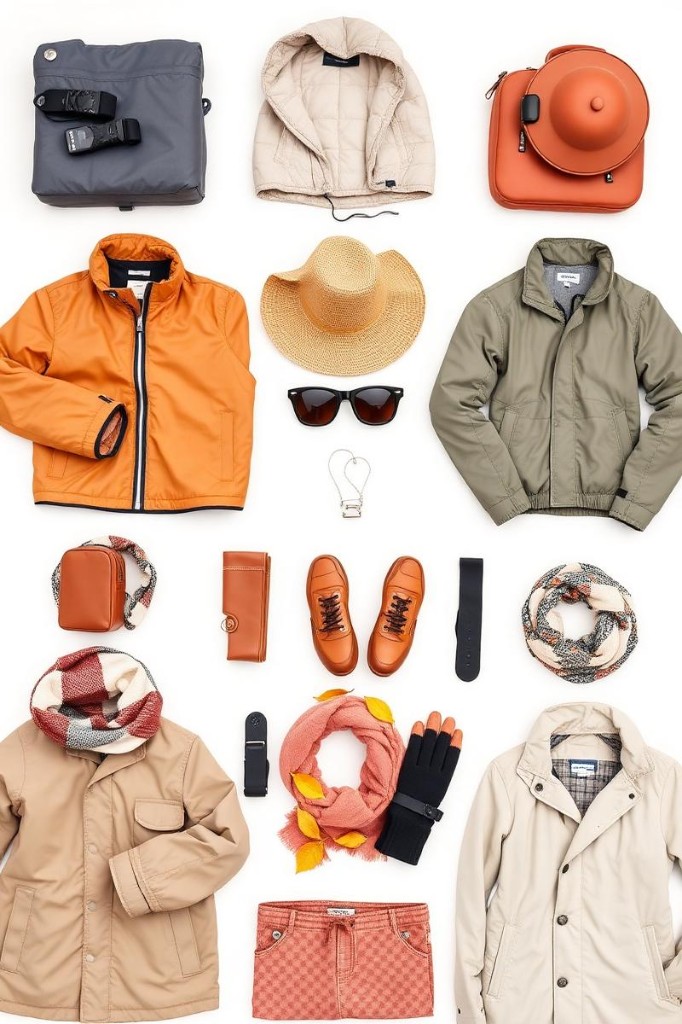
Travel clothing and gear by season

💰 Seasonal budget

PeriodAccommodation (€)Transport (€)Activities (€)Crowds (/5)Budget Tips
High season (June-August)80-150200-30050-805/5Book 3 months in advance
Mid-season (May, September)60-120150-25040-603/5Good quality-price balance
Low season (October-April)40-80100-20030-502/5Frequent hotel promotions
Winter ski (December-March)70-130180-28060-1004/5Ski passes + accommodation

💡 Money-saving tips

  • Avoid July-August for lower prices
  • Book accommodation 2-3 months in advance in high season
  • Take advantage of low-season promotions (November-March)
  • Compare prices between cities and the countryside
  • Use local public transport

🏥 Health and precautions

Health precautions by season:

  • Summer: Sun protection, hydration, watch out for ticks in forests
  • Winter: Protection against the cold, non-slip shoes, vitamin D
  • Year-round: Travel insurance recommended, up-to-date vaccinations
  • Mountains: First aid kit, enhanced UV protection
  • Allergies: Watch out for pollen in spring

Events & Festivals in Poland

Cultural calendar and festivities not to be missed in Poland

Polish cultural richness is expressed through numerous seasonal events that punctuate the year and enrich the travel experience.

Kraków International Music Festival (April-May)

One of the most prestigious classical music festivals in Central Europe, attracting the world's greatest international orchestras. The event transforms the historic city into a musical stage with concerts in exceptional venues like the Cloth Hall.

Location: Kraków, various historic venues

Highlight: Concerts in UNESCO monuments

Climate impact: Ideal period with mild temperatures and spring blooms

Christmas Markets (December)

Polish Christmas markets are among the most authentic in Europe, particularly the one in Kraków on the Main Market Square. The winter ambiance with snow and illuminations creates a unique magical atmosphere, accompanied by traditional culinary specialties.

Location: Kraków, Warsaw, Wrocław

Highlight: Traditional crafts and mulled wine

Climate impact: Snow and cold enhance the authenticity

Gdynia Film Festival (September)

The most important Polish film festival, celebrating national production in the seaside resort of Gdynia. This event coincides with the golden autumn on the Baltic coast, offering an exceptional setting between the sea and cinematic culture.

Location: Gdynia, Baltic coast

Highlight: Focus on contemporary Polish cinema

Climate impact: Pleasant autumn temperatures on the coast

Seasonal events

Spring: • Warsaw Jazz Festival (May) • Night of Museums (May) • Tulip Festival (April)

Summer: • Heineken Open'er Festival (July) • Sopot Carnival (August) • Kazimierz Folk Festival (August)

Autumn: • Warsaw Film Festival (October) • Heritage Days (September) • Gastronomy Festival (November)

Winter: • New Year's Eve in Zakopane (December) • Ice Festival (January) • Polish Venetian Carnival (February)

Responsible Travel in Poland

Traveling responsibly in Poland helps preserve its diverse ecosystems while respecting the country's climatic and seasonal specifics.

Poland is home to fragile ecosystems like the Białowieża primeval forests and the Masurian wetlands. Respecting natural cycles and the breeding periods of local wildlife contributes to the preservation of this exceptional biodiversity.

🌱 Low-season advantages

Traveling off-season reduces tourist pressure on natural sites, lowers your carbon footprint, and supports the local economy in a more balanced way throughout the year.

♻️ Sustainable travel tips

  • Prioritize public transport and trains
  • Choose eco-certified accommodation
  • Respect wildlife during hikes
  • Consume local and seasonal products
  • Avoid single-use plastics
  • Respect marked trails in the mountains

🏙️ Local sustainable initiatives

Poland is actively developing wind and solar energy, protecting its national parks, and supporting organic farming. Numerous community initiatives promote ecotourism in rural regions.

Our Expert Recommendations

Expert recommendations for your trip to Poland

After analyzing climate data and our field experience, we offer personalized recommendations to optimize your Polish stay. These tips take into account weather variations, tourist crowds, and regional specifics to ensure an authentic and memorable experience.

Optimal period: May to September

Recommended months: May, June, July, August, September

Advantages:

  • Ideal weather conditions (15-25°C / 59-77°F)
  • All tourist attractions open
  • Numerous festivals and cultural events
  • Possibility of mountain hiking
  • Water activities on the Baltic coast

Disadvantages:

  • Tourist crowds in July-August
  • Higher prices in high season

Ideal profile: All types of travelers, families, hikers, culture lovers

Balanced alternative: April and October

Alternative months: April, October

Description: These months offer an excellent compromise between acceptable weather conditions and moderate crowds, with more advantageous rates.

Specific advantages:

  • Less tourist crowds
  • Reduced accommodation prices
  • Magnificent spring or autumn colors
  • Temperatures still pleasant for sightseeing

👥 Tips for your travel style

Family: Prefer June-August for varied activities and open amusement parks. Avoid winter with young children.

Budget: Choose April-May or September-October for reduced rates. Avoid July-August and school holidays.

Adventure: May-September for hiking, December-March for winter sports in the Tatras.

Luxury: June-September to fully enjoy high-end services and terraces.

Photographer: October for autumn colors, May for blooms, December for snowy landscapes.

Periods to avoid

January-February: Very cold temperatures (-5°C / 23°F), short days, many attractions closed

November: Often gray and rainy weather, start of the cold period

Cities to explore

Discover the must-sees of urban travel

All cities

Frequently Asked Questions

Find answers to essential questions to help you plan your trip to Poland according to the climate.

What is the best time to visit Poland?

The best period is from May to September, with pleasant temperatures (15-25°C / 59-77°F) and all attractions open. July-August offer the best conditions but with more crowds.

Is it very cold in winter in Poland?

Yes, winters are harsh with average temperatures of -3°C to 1°C / 26.6°F to 33.8°F. Snow is frequent from December to March, especially in mountainous regions where temperatures can drop to -10°C / 14°F.

Can you swim on the Baltic coast?

Swimming is possible from June to September with water temperatures of 16-20°C / 60.8-68°F. July-August are the most favorable months with water at 18-20°C / 64.4-68°F and a pleasant climate on the beaches.

Which region should I choose according to the season?

In summer, all regions are accessible. In spring/autumn, prefer cities and central plains. In winter, the southern mountains are ideal for winter sports, while the coast remains milder.

Is there a lot of rain in Poland?

Poland receives about 180 days of rain per year, mainly in summer (60-80mm / 2.36-3.15 in per month). Precipitation is generally moderate, with short but intense summer thunderstorms.