Spectacular aerial view of Barcelona showing dense urban architecture and the sunny beach in the background.
by Enes on Unsplash

When to Visit Barcelona? City-Trip Guide

Between the sea, architecture, and popular festivals, Barcelona reinvents itself each season to offer you a unique experience.

  • 1.6 M population
  • Catalan, Spanish language
  • 55 days rainy days/year
  • April to June best time to visit
  • 3 to 5 days recommended stay

Weather and Climate Trends in Barcelona

Understanding Barcelona's Sunny Mediterranean Climate

Barcelona enjoys a temperate Mediterranean climate (Köppen Csa), characterized by hot, dry summers and mild, rainy winters. Nestled between the Mediterranean Sea and the Collserola mountain range, the city benefits from a privileged geographical location. The urban heat island effect raises nighttime temperatures by 2 to 3°C / 3.6 to 5.4°F compared to peripheral areas, a key factor when planning your city trip.

  • Historic Center: Slightly higher temperatures, marked urban heat island effect
  • Seafront: Refreshing sea breezes, milder temperatures
  • Residential Neighborhoods: Intermediate temperatures, lower humidity
  • Surrounding Hills: Cooler temperatures, more frequent winds
MonthMin Temp (°C / °F)Max Temp (°C / °F)Precipitation (mm / in)Sunshine (h/day)Tourist TrafficRecommended Activities
January6°C / 43°F13°C / 55°F40mm / 1.6in5Museums, Barri Gòtic, local markets
February7°C / 45°F14°C / 57°F35mm / 1.4in6Carnival, art galleries, terrace tapas
March9°C / 48°F16°C / 61°F45mm / 1.8in6⭐⭐Parks, Sagrada Família (no lines), cycling
April11°C / 52°F18°C / 64°F50mm / 2.0in7⭐⭐⭐Sant Jordi, terraces, Park Güell
May15°C / 59°F22°C / 72°F55mm / 2.2in8⭐⭐⭐⭐Primavera Sound, walks, beach
June19°C / 66°F27°C / 81°F30mm / 1.2in9⭐⭐⭐⭐Sónar Festival, beach, nightlife
July22°C / 72°F30°C / 86°F15mm / 0.6in10⭐⭐⭐⭐⭐Barceloneta, rooftops, nightlife
August22°C / 72°F30°C / 86°F60mm / 2.4in9⭐⭐⭐⭐⭐Festes de Gràcia, beaches, Montjuïc
September19°C / 66°F27°C / 81°F70mm / 2.8in7⭐⭐⭐⭐La Mercè, terraces, mild beach weather
October15°C / 59°F22°C / 72°F90mm / 3.5in6⭐⭐⭐El Born, museums, gastronomy
November10°C / 50°F17°C / 63°F60mm / 2.4in5⭐⭐Markets, MNAC, tapas, local markets
December7°C / 45°F14°C / 57°F45mm / 1.8in4⭐⭐Christmas market, shopping, Palau de la Música

Altitude variations between sea level and the hills of Montjuïc (173m / 568ft) or Tibidabo (512m / 1680ft) create temperature differences of 2 to 4°C / 3.6 to 7.2°F, offering natural refuges during intense summer heat.

The Seasons in Barcelona

Must-Sees by Weather

In Barcelona, the weather naturally conditions your itinerary. Organize your visits according to sky conditions to get the best out of each day, between architectural treasures under cover and sunny walks on the waterfront.

☔ In cloudy or rainy weather

Indoor & protected: Barcelona's cultural refuges

Barcelona is full of exceptional museums and covered spaces that turn rainy days into true cultural feasts. Take the opportunity to explore places often ignored by rushed tourists.

  • 🎨 MNAC – Museu Nacional d'Art de Catalunya: Masterpiece of Romanesque and modernist art | 2 to 3h visit | ~15€ / $16 | Open all year
  • 🏛️ Picasso Museum (El Born): Unique collection of youth works | 2h | ~14€ / $15 | Online reservation mandatory in high season
  • 🎵 Palau de la Música Catalana: Guided tour of the jewel of modernist architecture | 1h | ~22€ / $24 | Tickets to be booked long in advance
  • 💎 Casa Batlló: Gaudí masterpiece, immersive experience | 1h30 | ~35-49€ / $38-$54 | Skip-the-line available
  • 🔬 CosmoCaixa – Science Museum: Ideal for families | 2h | ~6€ / $7 | Not very crowded outside weekends
  • 🏺 MACBA – Museum of Contemporary Art: Spectacular architecture by Richard Meier | 1h30 | ~12€ / $13
  • 🍽️ Boqueria Market (covered): Gastronomic exploration under the glass roof | 1h | Free (entry)

Practical tip: Book online for the Sagrada Família, Casa Batlló, and the Palau de la Música at least 2 to 3 weeks in advance, even off-season. Skip-the-line tickets are essential.

Tip: The Barcelona Card allows access to many included museums and offers unlimited transport. Profitable from 3 days of intensive visiting.

☀️ In good weather

Optimal outdoor: Barcelona under the sun

Under a clear sky, Barcelona reveals all its Mediterranean splendor. Modernist facades shine with a thousand sparkles, terraces come alive, and the waterfront promenade takes on an incomparable dimension.

  • 🦎 Park Güell: Mosaics and panorama of the city | 2h | ~10€ / $11 (monumental zone) | Best time: 8 am or 6 pm for the light
  • Sagrada Família (exterior view): Sculpted facades under the sun | 30 min outside | Golden hour photo at sunset
  • 🏖️ Barceloneta & Bogatell: Urban beaches easily accessible by metro | From May to October
  • 🌿 Parc de la Ciutadella: Walk, rowing on the lake, monumental waterfall | 1h-2h | Free
  • 🏔️ Tibidabo & Bunkers del Carmel: 360° panoramas of the city and sea | Unmissable sunset | Shuttle or public transport access
  • 🚶 Passeig de Gràcia: Manzana de la Discordia and modernist architecture | 1h30 | Free (exterior)
  • 🌊 Port Olímpic and Port Vell: Seaside promenade and terraces facing the sea | All day

Best moment: The golden hour (6 pm-8 pm in summer, 4 pm-6 pm in winter) offers sublime light on the facades of the Eixample and Gaudí's colorful roofs.

Seasonal tip: Avoid outdoor visits between 1 pm and 4 pm in July-August (heat spikes at 33-35°C / 91-95°F). Prioritize mornings or late afternoons.

🌤️ Versatile all-weather

Flexible sites: the art of adapting in Barcelona

Some Barcelona places are enjoyed just as much under the sun as under the clouds, offering hybrid indoor-outdoor experiences that the weather cannot spoil.

  • 🏰 Barri Gòtic: Labyrinth of medieval alleys, naturally half-covered | 2 to 3h
  • Sagrada Família (interior + exterior): The interior is striking regardless of the weather | 2h | ~26-36€ / $28-$39
  • 🛍️ Mercat de Sant Antoni: Renovated market, covered during the week, outdoor on weekends | Free (entry)
  • 🎨 El Born & its galleries: Alternate between design shops and open patios depending on the weather | Half-day
  • 🚡 Montjuïc (cable car + gardens + museums): Combine according to the weather | Full day

Weather tip: Start your day at Montjuïc by cable car if the sky is clear, then fall back on the MNAC or the Museu Fundació Joan Miró in case of clouds.

Example of a typical itinerary: Morning → Barri Gòtic & cathedral (covered if rain) | Lunch → Mercat de Sant Antoni | Afternoon → El Born (galleries and shops) | Evening → Arc de Triomf terrace if good weather.

💰 Free or economical

No cost: enjoying Barcelona without breaking the bank

Barcelona offers many ways to immerse yourself in local life without spending a cent.

  • 🌅 Bunkers del Carmel: Best free panorama of the city, especially at sunset | Access on foot or bus
  • 🌿 Parc de la Ciutadella: Free central park, ideal for a Barcelona picnic | Open every day
  • 🏖️ Barceloneta and Poblenou beaches: Free access all year | Best from May to October
  • 🎨 MACBA (free on Sundays after 3 pm): Free access at the end of the weekend
  • 🎶 Free concerts at the Grec Festival (July): Some performances are accessible for free

Museum free days: The first Sunday of the month, many museums offer free entry (MNAC, Picasso Museum, MACBA). Inquire according to your visit period.

Budget tips: The menu del día (lunch menu at 10-15€ / $11-$16) is the best way to enjoy Barcelona gastronomy without blowing your budget. Avoid the Rambla terraces, notoriously overpriced.

Practical Guide

Barcelona is best experienced on foot: expect an average of 8 to 12 km / 5 to 7.5 miles of walking per day during an intense city trip. Prepare your gear according to the seasons to stay comfortable between air-conditioned museums, sunny terraces, and the shaded alleys of the Gothic Quarter. Well-thought-out luggage makes the difference between a smooth trip and an uncomfortable day.

👕 Seasonal packing

🌸 Spring (March-May): comfortable lightweight walking shoes • waterproof windbreaker • light sweater for cool evenings • sunglasses • small first-aid kit (frequent spring allergies)

☀️ Summer (June-August): breathable shoes with cushioned soles • light and loose clothing • SPF 50+ sunscreen essential • hat or cap • reusable water bottle (free fountains in the city) • light vest for heavily air-conditioned museums

🍂 Autumn (September-November): lightweight waterproof shoes • compact foldable raincoat (sudden storms possible) • light layering • scarf for November evenings

❄️ Winter (December-February): warm jacket but not fleece (rarely below 5°C / 41°F) • comfortable and closed-toe shoes • beanie and scarf for sea winds • light raincoat

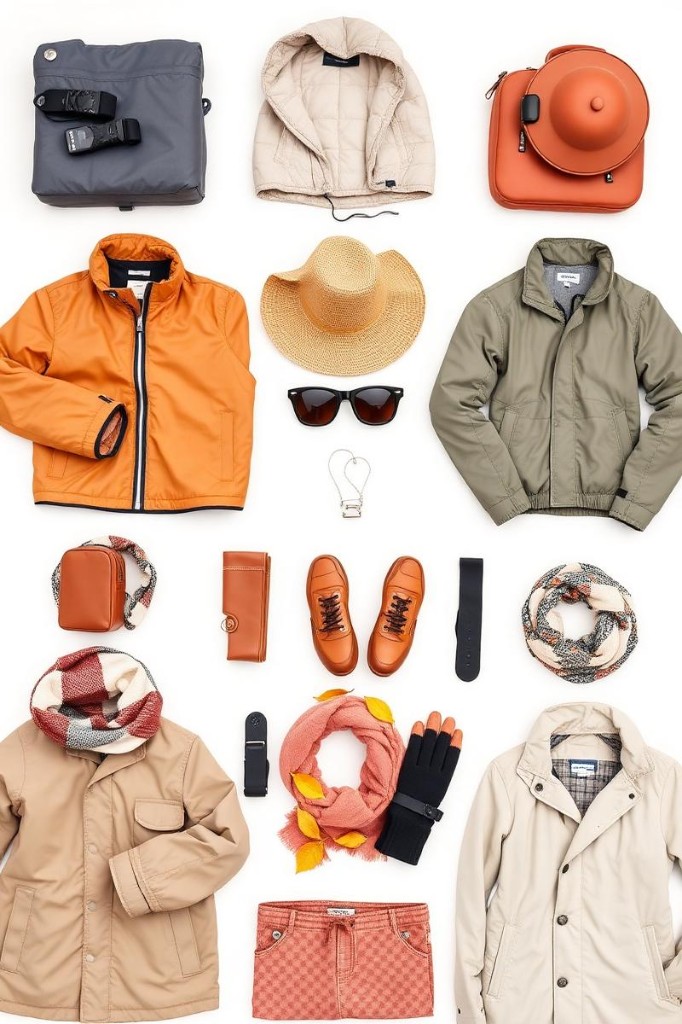
Travel clothing and gear by season

💰 Seasonal budget

PeriodCenter Accommodation (€/night)Transport (€/day)Restaurants (€/day)Attractions (€)Crowds
Winter (Dec-Feb)60 – 120 €5 – 8 €30 – 50 €20 – 40 €
Spring (Mar-Apr)80 – 160 €5 – 8 €35 – 55 €25 – 50 €⭐⭐⭐
May – June100 – 200 €5 – 10 €40 – 65 €30 – 55 €⭐⭐⭐⭐
July – August (High Season)150 – 280 €5 – 10 €45 – 80 €35 – 60 €⭐⭐⭐⭐⭐
September – October90 – 180 €5 – 8 €35 – 60 €25 – 50 €⭐⭐⭐
November65 – 130 €5 – 8 €30 – 50 €20 – 40 €⭐⭐

💡 Money-saving tips

  • Barcelona Card: From 20€ / $22 per day (3 days), it includes unlimited transport and reduced or free access to over 25 museums. Very profitable if you plan several paid visits.
  • Menu del día: The lunch set menu (10 to 15€ / $11 to $16 including drink) is up to 3 times cheaper than in the evening at the same establishments. Adopt this habit from the first day.
  • Accommodation outside the center: The neighborhoods of Gràcia, Poblenou, or Sant Antoni offer accommodation 30 to 40% cheaper than the Barri Gòtic, with a more local atmosphere and fast metro access.
  • T-Casual Transport: The 10-trip card (approx. 12€ / $13) is more than enough for a 3 to 4-day stay if you walk a lot.
  • Free events: La Mercè in September, Grec concerts in July, and the first Sunday of the month in museums. Plan your calendar around these special moments.

🏥 Health and precautions

  • Urban pollution: Pollution spikes are frequent in summer on windless days. Sensitive individuals (asthma) should check alerts from the Agència de Salut Pública de Catalunya.
  • Spring allergies: Plane tree pollen (trees aligned on the Ramblas) is very present from March to May. Bring antihistamines if you are allergic.
  • Summer hydration: The dry heat of July-August can be deceptive. Drink at least 2L / 68oz per day and use the free drinking water fountains scattered throughout the city.
  • Intensive walking: Prevent blisters with technical socks and broken-in shoes. The cobblestones of the Barri Gòtic are treacherous for smooth soles.
  • 24h Pharmacies: Several on-call pharmacies operate at night, notably on the Rambla and in the Eixample. Locate the one closest to your accommodation upon arrival.

Urban Events

Calendar of Must-See Events in Barcelona

Barcelona's events radically transform the city's atmosphere and can justify your travel dates on their own. Plan carefully to experience the Catalan city in all its festive intensity.

🎉 La Mercè – Barcelona's National Festival (September 21-24)

La Mercè is arguably the most authentic and grandiose festival you can experience in Barcelona. For four days, the entire city turns into a giant stage: castellers (human towers), giants parading through the streets, free outdoor concerts, and fire shows take over every neighborhood. It is a festival by the people of Barcelona, for the people of Barcelona, and you are invited.

Location: City-wide, with main concentrations at Plaça Sant Jaume, Barceloneta, Parc de la Ciutadella, and Montjuïc.

Highlight: The correfocs (fire runs) are unique: devils spitting flames dance through the streets, an experience like no other.

Impact on the city: Barcelona welcomes hundreds of thousands of additional visitors. Hotels sell out very early. Book your accommodation 3 to 4 months in advance.

Transport: Metro L4 and L3, TMB buses. Avoid driving for the duration of the festivities.

Planning Tip: Book your accommodation by June for accessible rates. After July, prices skyrocket.

🌹 Sant Jordi – The Catalan Valentine's Day (April 23)

Sant Jordi is one of the most romantic and visually striking days of the year in Barcelona. By secular Catalan tradition, men give roses to women, and women give books to men. Las Ramblas, Passeig de Gràcia, and the narrow streets of the Barri Gòtic are literally covered with flower stalls and pop-up bookstores. The whole city smells of roses.

Location: Everywhere in the city, with a particular concentration on La Rambla, Passeig de Gràcia, and Plaça de Sant Jaume.

Highlight: Barcelona is one of the few cities in the world where a literary and floral tradition merges in the streets. UNESCO was inspired by this to create World Book Day.

Impact on the city: Extremely lively but generally peaceful day. Museums and bookstores organize special events. Traffic is disrupted in the center.

Transport: Metro L1/L3 (Catalunya station), L2/L3/L4 (Passeig de Gràcia station).

Planning Tip: Book your accommodation in December-January for the best rates during this spring period.

🎶 Primavera Sound (late May – early June)

One of Europe's most influential music festivals, Primavera Sound attracts over 200,000 festival-goers from around the world each year. The lineup mixes major international artists, indie discoveries, electro, and pop in a spectacular setting on the waterfront and at Parc del Fòrum. Barcelona vibrates for several weeks with satellite events throughout the city.

Location: Parc del Fòrum (Poblenou), with side concerts in downtown venues (Sala Apolo, Razzmatazz, BARTS).

Highlight: The eclectic programming and the festival's international atmosphere make it a unique event, distinguished by its musical diversity and accessibility.

Impact on the city: Hotels sell out within a 20km radius. Night transport is reinforced. Book accommodation and tickets as soon as the lineup is announced (October-November of the previous year).

Transport: Metro L4 (El Maresme-Fòrum station), festival shuttles, Bicing bikes.

Planning Tip: Multi-day passes are cheaper when purchased in pre-sale. Accommodation in the Poblenou or Vila Olímpica neighborhood is ideally located.

Seasonal events

🌸 Spring:

  • Sant Jordi (April 23): Festival of roses and books city-wide
  • Carnestoltes / Carnival (February-March): Parades and masquerade balls in the Barri Gòtic
  • Feria de Abril de Barcelona (April): Transplant of the Seville fair with flamenco, horses, and tapas

☀️ Summer:

  • Sónar Festival (June): Electronic music and digital arts, CCCB and Fira de L'Hospitalet
  • Primavera Sound (late May-early June): International music festival, Parc del Fòrum
  • Nit de Sant Joan (June 23): Fireworks and bonfires on the beaches
  • Festes de Gràcia (August): Spectacular street decorations in the Gràcia neighborhood, free entry
  • Grec Festival of Barcelona (July-August): Theater, music, and dance at the Grec Theater of Montjuïc

🍂 Autumn:

  • La Mercè (September 21-24): Barcelona's national festival, free castellers and correfocs
  • BAM Festival (September): Free alternative music during La Mercè
  • International Jazz Festival of Barcelona (October-November): Concerts throughout the city

❄️ Winter:

  • Christmas Markets (December): Plaça Sant Jaume, Sagrada Família, Port Vell
  • New Year's Eve (December 31): Fireworks at Montjuïc, atmosphere at Plaça d'Espanya
  • LOOP Festival (June, but also in winter): Contemporary video art in galleries

Responsible City Trip to Barcelona

Barcelona is one of the European cities most affected by overtourism. Visiting the city responsibly, by choosing the right periods and behaviors, contributes directly to the quality of life of the inhabitants and the preservation of authentic neighborhoods.

Barcelona City Hall has launched an ambitious plan against tourist overconcentration. Avoid La Rambla and Barceloneta in July-August in favor of less saturated neighborhoods like Poblenou, Gràcia, or Sant Antoni. Prioritize local businesses over tourist chains, local markets over multilingual menu restaurants, and certified sustainable accommodation (Verde and Biosphere Tourism labels). Soft mobility – metro, bike, walking – remains the best environmental choice in this dense city.

🌱 Low-season advantages

Traveling off-season (November to March) in Barcelona means reducing your impact on saturated neighborhoods, supporting the local economy during slow months, paying half the price for your accommodation, and living a truly authentic experience alongside the residents. A winning approach on all levels.

♻️ Sustainable travel tips

  • Transport: Use exclusively the TMB metro, bus, and Bicing bike network for your travel. The airport is accessible by L9 metro without a taxi.
  • Accommodation: Choose hotels certified Biosphere Responsible Tourism or local housing outside over-touristed areas.
  • Catering: Opt for local markets (Mercat de l'Abaceria in Gràcia, Mercat de Sant Antoni) rather than restaurants in tourist areas.
  • Plastic: Drinking water fountains are numerous and free throughout the city. Bring your reusable bottle.
  • Alternative circuits: Explore Poblenou, Clot, Horta, or Les Corts to discover an authentic Barcelona far from the crowds and inflated prices.
  • Respect for residents: Night noise is a major source of tension between residents and tourists. Respect residential areas after 10 pm, particularly in the Gràcia neighborhood.

🏙️ Local sustainable initiatives

Barcelona is actively developing its sustainable infrastructure: Bicing network with 7,000 bikes and 420 stations, supermanzanas (pedestrian super-blocks) limiting car traffic, greening of schoolyards and roofs, weekly organic markets in each neighborhood, and community composting program. The city aims for carbon neutrality by 2050 with a strong focus on soft mobility and renewable energy.

Our Recommendations

Personalized Recommendations for Your City Trip to Barcelona

After a complete analysis of Barcelona's climate, tourist traffic, and event calendar, April-May and September-October emerge as the most balanced periods for a successful city trip. These windows offer generous sunshine, ideal temperatures for walking for hours in the streets, reasonable accommodation prices, and a lively urban atmosphere without the stifling heat of summer. Budget-conscious travelers will find their happiness between November and March, while beach and festival lovers will accept the extra cost of July-August in exchange for incomparable energy.

✅ Optimal Period: April-May and September-October

Recommended Months: April, May, September, October

  • Ideal temperatures for urban walking (16 to 27°C / 61 to 81°F)
  • Generous sunshine (7 to 8 hours per day on average)
  • Controlled tourist traffic, especially in April and October
  • Major events: Sant Jordi (April 23), Primavera Sound (May-June), La Mercè (September)
  • Accommodation prices between 80 and 180€ / $87 and $195 per night depending on location

Key Events: Sant Jordi, Primavera Sound, La Mercè

Limitations: Easter week (April) is very busy and expensive; September is still touristy until mid-October.

Ideal Profile: All profiles – couples, families, first-time travelers, cultural, gastronomic.

Recommended Duration: 3 to 5 days to cover the must-sees peacefully.

🔄 Interesting Alternative: November and March

Alternative Months: November, March

These two transition months offer a surprisingly pleasant Barcelona and are much less crowded. Temperatures remain mild (13 to 17°C / 55 to 63°F), queues disappear in front of the Sagrada Família, and accommodation prices drop by 30 to 50% compared to summer. A rare opportunity for those who want to experience the city like a local.

Specific Advantages: Cheap accommodation, authentic experience, Carnival in February-March, start of terrace season in March, Jazz Festival in November.

For whom: Budget travelers, couples seeking tranquility, seniors, remote workers on workcation.

👥 Tips for your travel style

👨‍👩‍👧 Family: Prefer April-May or September. Stay in Eixample or Gràcia (quiet, green spaces). Must-sees: Parc de la Ciutadella, CosmoCaixa, Tibidabo. Use the TMB metro (children under 4 travel free).

💶 Budget: Opt for November to March. Accommodation in Poblenou or Les Corts (30-40% cheaper). Menu del día at 10-12€ / $11-$13, Barcelona Card, first Sunday of the month for free museums.

🎨 Culture: September-October is perfect. MNAC, Picasso Museum, Palau de la Música, La Mercè. Book the Palau de la Música 3 weeks in advance.

💑 Romantic: Sant Jordi (April 23) is a magical moment unique in the world. Stay in the Barri Gòtic or El Born. Dinner at sunset at Bunkers del Carmel, cocktail on an Eixample rooftop.

🏙️ Weekend: Bet on March, October, or November for 2-3 day weekends without the summer pressure. Flights are often cheaper, hotels available. Intensive program: Sagrada Família + Park Güell in the morning, Barri Gòtic in the afternoon, El Born in the evening.

🧭 First Trip: April or May to enjoy everything without suffering from heat or crowds. Start with the Sagrada Família (reservation mandatory), then Barri Gòtic, Passeig de Gràcia, Park Güell (entry ticket required for the monumental zone).

⚠️ Periods to Avoid (depending on profile)

Months not recommended (absolute high season): July and August

Reasons: Extreme overtourism (over 10 million tourists in summer), accommodation prices at their maximum (150 to 280€ / $165 to $305 per night), stifling heat in the middle of the day (32-35°C / 90-95°F), 2-hour queues in front of every major site, some restaurants and resident shops closed in August.

Nuances: If you are coming specifically for the beach, festivals, or nightlife, July-August remains relevant provided you absolutely book everything in advance (accommodation, Sagrada Família, restaurants). June is an excellent summer-off-season compromise.

Villes du même pays

All cities

Frequently Asked Questions

Here are the essential questions travelers ask before planning their city trip to Barcelona, with clear and honest answers.

What is the best month to visit Barcelona?

April, May, and September are universally recognized as the best months to visit Barcelona. In April and May, temperatures range between 14 and 22°C / 57 and 72°F, ideal for urban walking; terraces open, and crowds remain manageable (except at Easter). In September, the sea is still warm for swimming, La Mercè (national holiday on September 24) offers a unique and free cultural experience, and prices begin to drop after the summer. These three months offer the best balance between favorable weather, cultural activity, and reasonable rates according to AEMET (Agencia Estatal de Meteorología) and Météo France.

How many days should I plan for Barcelona?

A minimum of 3 days is essential to cover the must-sees (Sagrada Família, Park Güell, Barri Gòtic, Passeig de Gràcia, and Barceloneta). For a more complete experience including the neighborhoods of Poblenou, El Born, Montjuïc, and some major museums, 4 to 5 days are recommended. Travelers wishing to combine beach, gastronomy, nightlife, and cultural sites will fully benefit from a week. If you are coming for a festival (Primavera Sound, Sónar), add 1 to 2 days beyond the event itself to explore the city without rushing.

What to do in Barcelona in case of rain?

Barcelona offers an exceptional indoor cultural program for rainy days. The Picasso Museum in El Born, the MNAC on Montjuïc hill, and the interior visit of the Sagrada Família (whose mystical interior is even more striking in gray weather) are top-tier cultural refuges. The Palau de la Música Catalana, a work of art in its own right, offers guided tours all day. The covered Boqueria Market and its tapas offer an ideal gastronomic break. The El Born neighborhood with its galleries and design shops is easy to navigate even in the rain thanks to its small covered streets.

Which events should not be missed in Barcelona?

Barcelona's must-see events are spread throughout the year. Sant Jordi (April 23) is unique in the world: roses and books invade the streets in an incomparable romantic and popular atmosphere. La Mercè (September 21-24), Barcelona's national festival, features castellers, correfocs (fire runs), and free concerts for four days. Primavera Sound (late May-June) is one of the most influential music festivals in Europe. Festes de Gràcia (August) turn the neighborhood's narrow streets into absolutely spectacular ephemeral decorative art galleries. La Nit de Sant Joan (June 23) with its fireworks on the beach is another memorable experience.

What budget should I plan for Barcelona depending on the period?

The budget varies considerably depending on the season. In winter (December-February), expect 120 to 180€ / $130 to $195 per day all-inclusive (accommodation 60-120€, meals 30-50€, transport and attractions 20-40€). In spring and autumn (excluding Easter and La Mercè), plan 180 to 280€ / $195 to $305 per day. In high season (July-August), the budget climbs to 280 to 450€ / $305 to $490 per day for decent comfort, with city center hotels reaching 150 to 280€ per night. The Barcelona Card (from 20€ / $22 per day for 3 days) including transport and museums is profitable as soon as you plan 2 paid visits per day. Always book your tickets for major sites online in advance to avoid extra costs and disappointment according to data from the Institut Català de Finances and the Oficina de Turisme de Barcelona.