When to visit Valencia? City-Trip Guide

Between Mediterranean mildness and urban excitement, each season reveals a unique facet of the City of Arts.

  • 0.8 M population
  • Spanish, Valencian language
  • 45 days rainy days/year
  • April to June and September to October best time to visit
  • 3 to 5 days recommended stay

Climate and Weather in Valencia

Understanding Valencia's urban Mediterranean climate

Valencia enjoys a Mediterranean climate tempered by its proximity to the sea. The urban heat island effect is moderated by the Turia Gardens and the sea breeze, which provides a pleasant cooling effect for the city.

Valencia features a homogeneous climate across its urban territory, with minor variations between the historic center, which is slightly warmer, and the coastal districts that benefit from the refreshing sea breeze.

MonthMin Temp (°C / °F)Max Temp (°C / °F)Precipitation (mm / in)Sunshine (h/day)Tourist TrafficRecommended Activities
January6°C / 43°F16°C / 61°F37mm / 1.46in5⭐⭐Museums, historic district
February7°C / 45°F17°C / 63°F32mm / 1.26in6⭐⭐Fallas preparation, culture
March9°C / 48°F19°C / 66°F35mm / 1.38in7⭐⭐⭐⭐Fallas, terraces, parks
April11°C / 52°F21°C / 70°F37mm / 1.46in8⭐⭐⭐Gardens, cycling, beach
May15°C / 59°F24°C / 75°F32mm / 1.26in9⭐⭐⭐Terraces, markets, walking
June19°C / 66°F28°C / 82°F23mm / 0.91in10⭐⭐⭐⭐Beaches, festivals, nightlife
July22°C / 72°F30°C / 86°F9mm / 0.35in11⭐⭐⭐⭐⭐Beaches, evenings, markets
August23°C / 73°F31°C / 88°F19mm / 0.75in10⭐⭐⭐⭐⭐Beaches, air-conditioned spots, evenings
September19°C / 66°F28°C / 82°F51mm / 2.01in8⭐⭐⭐⭐Everything, ideal conditions
October14°C / 57°F23°C / 73°F74mm / 2.91in6⭐⭐⭐Culture, gastronomy, cycling
November9°C / 48°F19°C / 66°F51mm / 2.01in5⭐⭐Museums, indoor markets
December7°C / 45°F17°C / 63°F47mm / 1.85in5⭐⭐Christmas markets, culture

Located at sea level, Valencia does not have significant altitude variations. Only the slightly elevated central neighborhoods may show temperatures 1-2°C / 1.8-3.6°F higher than the coast.

The Seasons

Attractions by Weather

Optimize your Valencian stay by adapting your visits to weather conditions. Here are our recommendations to fully enjoy the city.

☔ In overcast/rainy weather

Indoor & protected

Rainy days reveal Valencia's rich cultural heritage away from the elements.

Must-see sites:
🏛️ City of Arts and Sciences (3-4h) - 13-37€ - All year round
🏛️ Fine Arts Museum (2h) - Free - Ideal for autumn/winter
🏛️ Cathedral and Holy Grail (1h) - 8€ - Exceptional heritage
🍊 Covered Central Market (1h) - Free - Modernist architecture
🏺 Ceramics Museum (1.5h) - 3€ - Unique collection
🎭 Palace of Arts (shows) - Variable - Rich program

Practical tip: Book online to avoid lines. The Valencia Tourist Card includes transport and discounts.

Tip: Combine the City of Arts and Sciences and Oceanogràfic via covered tunnels for a full dry day.

☀️ In good weather

Optimal outdoors

The Valencian sun enhances outdoor spaces and reveals all the Mediterranean beauty of the city.

Sites to prioritize:
🌳 Turia Gardens (2-3h) - Free - Converted former riverbed
🏖️ Malvarossa Beaches (half-day) - Free - Metro line 5
🏰 Torres de Serranos (30min) - 2€ - Panoramic view
🌸 Royal Palace Gardens (1h) - 7€ - Historic park
🚲 Coastal bike path (2-4h) - Rental 10€/day
⛵ Port and Marina (1-2h) - Free - Maritime promenade

Best time: Sunrise on the beach (7:30 AM) and golden hour from the Torres (7-8 PM in summer).

Season tip: April-June and September-October offer perfect sunshine without excessive heat.

🌤️ Versatile for all weather

Flexible

These sites adapt perfectly to weather changes thanks to their mixed spaces.

Adaptable sites:
🏛️ City of Arts (modular indoor/outdoor)
🍽️ Central Market + surrounding historic district
🏖️ Port + Oceanogràfic (covered tunnels)

Weather tip: Start outdoors in the morning if it's sunny, retreat indoors in the afternoon if conditions deteriorate.

Example itinerary: Turia Gardens (morning) → Central Market (lunch) → Museums (afternoon) based on weather evolution.

💰 Free or economical

Cost-free

Free attractions:
🌳 Turia Gardens and urban parks
🏖️ Beaches and maritime promenade
🏛️ Fine Arts Museum
🏰 Torres de Serranos exteriors
🍊 Central Market architecture

Free days: Sunday afternoons at several municipal museums and monuments.

Budget tips: Panoramas from the Turia bridges, authentic neighborhood markets, El Carmen neighborhood for street art.

Practical Guide

Prepare your Valencia city trip with our practical tips adapted to the climatic variations and specificities of this dynamic Mediterranean destination.

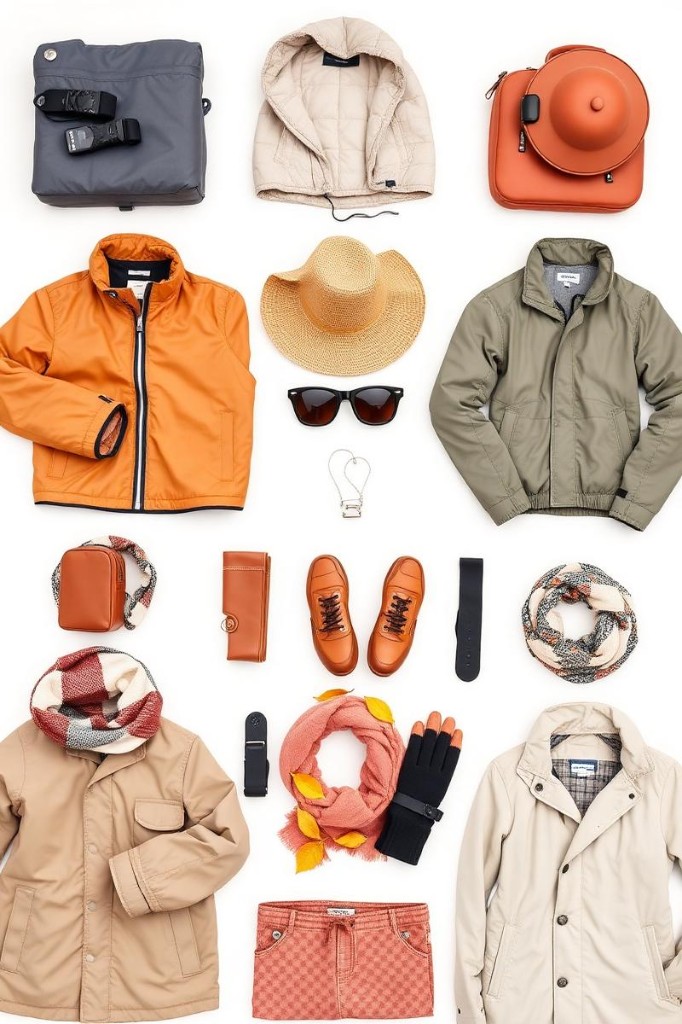
👕 Seasonal packing

Spring: • Comfortable walking shoes • Light jacket for evenings • Compact umbrella for showers • Layered clothing

Summer: • Breathable shoes • Hat and sunglasses • High-SPF sunscreen • Lightweight cotton clothing • Swimwear

Autumn: • Waterproof shoes • Light rain jacket • Sweater for evenings • Umbrella

Winter: • Warm but not heavy jacket • Comfortable closed shoes • Scarf for the wind • Clothing suitable for indoor-outdoor transitions
Travel clothing and gear by season

💰 Seasonal budget

PeriodCity Center Accommodation (€/night)Transport (€/day)Restaurants (€/day)Attractions (€)Crowds
Winter (Dec-Feb)45-80825-4015-25⭐⭐
Spring (excl. Fallas)60-100830-5020-30⭐⭐⭐
Fallas (March)120-2001040-6025-35⭐⭐⭐⭐⭐
Summer (June-Aug)80-1501035-5525-35⭐⭐⭐⭐⭐
Autumn (Sept-Nov)55-90830-4520-30⭐⭐⭐

💡 Money-saving tips

Valencia Tourist Card: Profitable from 2 days (transport + museum discounts)
Restaurants: 'Menú del día' (12-18€) is more economical than dinner à la carte
Accommodation: Ruzafa or Cabanyal neighborhoods are more affordable than the historic center
Free events: Concerts at Plaza del Ayuntamiento, neighborhood markets
Transport: 10-trip pass (8€) is more economical than single tickets

🏥 Health and precautions

Urban pollution: Avoid major roads during rush hours
Allergies: Orange tree pollen in March-April, bring antihistamines
Summer hydration: Many public fountains, heat reflected by facades
Intensive walking: Paved historic center, suitable shoes are essential
24h Pharmacies: Farmacia Sorní (C/ Sorní 12) and emergencies at Hospital La Fe

Urban Events

Calendar of must-see events in Valencia

Valencian festivities punctuate the urban year and radically transform the city's atmosphere, creating a unique cultural excitement.

🔥 Las Fallas (March 15-19)

A UNESCO-listed pyrotechnic and artistic festival that turns Valencia into an open-air museum with over 700 ephemeral monuments. The festive atmosphere takes over every street with firecrackers, concerts, and traditional costume parades.

Location: City-wide, concentrated at Plaza del Ayuntamiento

Highlight: Final 'Cremà' on March 19 at midnight, a unique pyrotechnic spectacle

Climate Impact: Exceptional crowds, bookings essential 6 months in advance, prices tripled

Access: Pedestrian city center, metro lines 3-5-7 to Xàtiva

Tip: Book accommodation before September for the following March

🎵 Benicàssim International Festival (July)

Although located 65km / 40 miles away, this major festival impacts Valencian accommodation. Many festival-goers stay in Valencia and use shuttles. A young and international atmosphere throughout the region with world-renowned pop-rock concerts.

Location: Benicàssim (shuttles from Valencia)

Highlight: International lineup, 4-day festival

Climate Impact: Valencian accommodation is in high demand, festive regional atmosphere

Access: Shuttles organized from Estació del Nord

Tip: An economical alternative to on-site camping

🎭 Mostra de Teatre (May-June)

A theatrical festival transforming Valencia into a living stage with performances in heritage sites. Contemporary, classical, and experimental theater occupy historic squares, creating a unique symbiosis between art and urban architecture.

Location: Historic theaters and central squares

Highlight: Open-air performances in a heritage setting

Climate Impact: Extended cultural evenings, lively terraces after shows

Access: Historic center is walkable

Tip: Book show tickets starting in April, online ticketing available

Seasonal events

Spring: • Fallas (March) - City center • Holy Week processions (March/April) • Sant Jordi Book Fair (April)

Summer: • Turia Gardens Festival (June-August) • Malvarossa Beach concerts (July) • Cultural White Nights (July)

Autumn: • Sagunt Jazz Festival (October) • Gastronomy Fair (November) • Medieval Market (October)

Winter: • Christmas markets (December-January) • Three Kings Parade (January 5) • Flamenco Festival (February)

Responsible City Trip

Adopting responsible urban tourism in Valencia helps preserve local authenticity while reducing the environmental impact of your stay.

Valencia is actively developing sustainable tourism: prioritizing soft mobility with Valenbisi (bike sharing), supporting local businesses over international chains, exemplary urban waste management, respecting residents in authentic neighborhoods like Ruzafa, and fighting overtourism by dispersing visitor flows.

🌱 Low-season advantages

Visiting Valencia in the off-season (November-February) significantly reduces tourist pressure, allows for an authentic experience of local life, offers attractive prices, and lowers the carbon footprint associated with urban congestion.

♻️ Sustainable travel tips

Mobility: Valenbisi, metro, and walking instead of taxis
Dining: Local markets and family restaurants vs tourist chains
Accommodation: Environmentally certified establishments, residential neighborhoods
Consumption: Reusable water bottle, many public fountains
Tours: Alternative neighborhoods (Ruzafa, Cabanyal) to relieve the historic center

🏙️ Local sustainable initiatives

Valencia is multiplying sustainable initiatives: massive expansion of bike lanes, widened pedestrian zones in the historic center, urban greening with vertical gardens, enhanced recycling, weekly organic markets, and eco-tourism labels for committed local providers.

Our Recommendations

Expert recommendations for your city trip to Valencia

After analyzing climate data, tourist traffic, and cultural events, here are our personalized tips to optimize your Valencian stay. The Mediterranean climate offers favorable conditions almost all year round, but some periods stand out for the perfect balance between mild weather, urban atmosphere, and reasonable prices.

🌟 Optimal Period

Months: April-May and September-October

Advantages:
• Ideal temperatures 20-25°C / 68-77°F for urban walking
• Generous sunshine without excessive heat
• Beautiful terraces and Turia Gardens
• Authentic local atmosphere, fewer tourists
• Moderate accommodation and restaurant prices

Events: Mostra de Teatre (May), gastronomy festivals (October)

Disadvantages: Some possible showers in October

Ideal Profile: All types of travelers, especially couples and families

Duration: 3-4 days recommended

⚖️ Interesting Alternative

Months: November-February

Description: The Valencian winter reveals an intimate side with mild weather, peaceful museums, and an authentic local atmosphere far from the summer crowds.

Advantages: Very attractive prices, sites without crowds, Christmas markets, optimal cultural discovery

For whom: Cultural travelers, budget travelers, seniors, those seeking tranquility

👥 Tips for your travel style

Family: April-May, City of Arts and Sciences, beaches, Turia Gardens, convenient metro, Eixample neighborhood accommodation
Budget: November-February, Ruzafa hostels, 'menú del día', free sites, Valencia Card
Culture: October-November, museums without crowds, theaters, modernist architecture, historic district
Romantic: May or September, sunset terraces, Royal Palace Gardens, gourmet restaurants
Weekend: All year round except Fallas, historic center on foot, concentration of sites
First trip: April-May, organized tours, Valencia Card, city center accommodation

⚠️ Periods to avoid

Months: March (Fallas) and July-August

Reasons: Extreme crowds during Fallas with prohibitive prices and impossible bookings. Summer is very hot with overtourism and high rates.

Nuances: March is acceptable if you have a passion for festivals and a substantial budget. Summer is perfect for beach + city if you can tolerate the heat.

Villes du même pays

All cities

Frequently Asked Questions

Answers to essential questions for planning your Valencia city trip based on the urban climate.

What is the best month to visit Valencia?

May and September offer the perfect balance: pleasant temperatures (22-25°C / 72-77°F), optimal sunshine, little rain, and moderate crowds. Avoid March (crowded Fallas) and July-August (intense heat). April and October are excellent alternatives with mild weather and attractive prices to discover Valencia's cultural richness.

How many days should I plan for Valencia?

3-4 days allow you to discover the essentials: historic center, City of Arts and Sciences, Turia Gardens, and beaches. Count on at least 2 days for an overview, and 5-6 days to delve deeper with excursions (Sagunto, Albufera). A long weekend is enough for a first discovery, but Valencia's richness deserves a longer stay to savor the Mediterranean lifestyle.

What to do in Valencia when it rains?

Valencia excels in overcast weather! The City of Arts and Sciences offers a full day indoors, the Central Market reveals its modernist architecture, and museums (Fine Arts, Ceramics) unveil their treasures. Visit the cathedral, Torres de Serranos, and the covered historic district. The Oceanogràfic and its underwater tunnels create a unique immersive experience.

What events should not be missed in Valencia?

Las Fallas (March 15-19) is the major UNESCO event with ephemeral monuments and a spectacular 'Cremà'. The Mostra de Teatre (May-June) turns the city into a living stage. Summer vibrates with Turia Gardens festivals and beach concerts. Christmas markets create a warm winter atmosphere. Each season reveals its specific cultural program.

What budget should I plan for based on the season?

Daily budget winter: 60-80€ (accommodation 45-80€, meals 25-40€). Spring/autumn: 80-120€ excluding Fallas. Fallas: 150-200€ minimum (accommodation x3). Summer: 100-150€ with peaks in July-August. Savings possible: Valencia Card, 'menú del día', Ruzafa/Cabanyal neighborhoods, numerous free sites. Plan for extra costs during major events.