When to visit Bromo Volcano? Travel Guide

Explore this mythical Indonesian volcano according to the seasons to enjoy the ultimate experience between spectacular sunrises and tropical climate.

  • 270 M population
  • Indonesian language
  • 180 days rainy days/year
  • May to September best time to visit
  • 2 to 4 days recommended stay

Bromo Volcano Climate

Understanding the tropical mountain climate of Bromo

Bromo Volcano enjoys a tropical mountain climate with cool temperatures due to its altitude of 2,329 meters / 7,641 feet. Marked seasonal variations between the dry and wet seasons significantly influence the site's visibility and accessibility.

  • Tengger Caldera: Volcanic zone with microclimates and frequent morning fog
  • Sea of Sand: Arid environment with strong winds and volcanic dust
  • Mountain Slopes: Tropical vegetation with higher precipitation
MonthMin Temp (°C / °F)Max Temp (°C / °F)Precipitation (mm)Sunshine (h/day)Tourist TrafficRecommended Activities
January8°C / 46°F18°C / 64°F2804⭐⭐⭐Sunrise, moderate trek
February8°C / 46°F18°C / 64°F2505⭐⭐⭐Photography, hiking
March9°C / 48°F19°C / 66°F2206⭐⭐⭐⭐Caldera exploration
April10°C / 50°F20°C / 68°F1807⭐⭐⭐⭐Long-distance trek
May9°C / 48°F20°C / 68°F1208⭐⭐⭐⭐⭐All activities
June8°C / 46°F19°C / 66°F808⭐⭐⭐⭐⭐Optimal sunrise
July7°C / 45°F19°C / 66°F609⭐⭐⭐⭐⭐Panoramic photography
August7°C / 45°F20°C / 68°F409⭐⭐⭐⭐⭐Camping, stargazing
September8°C / 46°F21°C / 70°F708⭐⭐⭐⭐Adventure trek
October9°C / 48°F21°C / 70°F1407⭐⭐⭐Morning hiking
November10°C / 50°F20°C / 68°F2006⭐⭐Short visit
December9°C / 48°F19°C / 66°F2605⭐⭐⭐Sunrise, light trek

The high altitude of Bromo creates significant thermal variations: cool temperatures at night (5-10°C / 41-50°F) and mild during the day (15-20°C / 59-68°F). Weather conditions change rapidly with the formation of clouds and fog.

The Seasons

Sites by weather conditions

Optimize your visit to Bromo by adapting your activities to climatic conditions for a memorable experience.

☔ In overcast/rainy weather

Sheltered activities

Take advantage of covered infrastructure and alternative experiences when weather limits visibility.

Recommended Sites:
🏛️ Bromo Volcanology Museum (2h, 15€ / $16, all year)
🏨 Hotels with panoramic views (observation from inside)
🍜 Traditional local restaurants (Javanese specialties)
🛍️ Tengger craft centers (authentic souvenirs)
🎭 Tengger cultural performances (traditional dances)
📚 Geological interpretation centers

Practical Tip: Book indoor activities in advance during the wet season

Additional Tip: Combine museum visit with local culinary tasting
☀️ In good weather

Optimal outdoors

Fully exploit favorable weather conditions for Bromo's iconic activities.

Must-see Sites:
🌅 Penanjakan Viewpoint (sunrise, 4:30 AM, free)
🌋 Bromo Crater (hiking, 2h, 5€ / $5.50)
🏔️ Tengger Sea of Sand (trek, 3h, free)
⭐ Nocturnal stargazing (camping, all night)
📸 Panoramic photo spots (golden hour)
🚶 Long-distance hiking trails

Best time of day: Sunrise 5:30-6:30 AM, golden hour 5:00-6:00 PM

Seasonal Tip: May to September is optimal, avoid midday in dry season

🌤️ Versatile for all weather

Flexible

Activities adaptable according to changing weather conditions.

Versatile Sites:
🏘️ Tengger villages (local culture, indoor/outdoor)
🚗 Jeep tours (itinerary adaptation according to weather)
🌿 High-altitude botanical gardens (greenhouses and outdoors)

Weather Tip: Prepare a plan B for each main activity

Example itinerary: Morning sunrise, afternoon museum if rain, evening local village

💰 Free or economical

No cost

Free Sites:
🌋 Sea of Sand (free access)
🌅 Alternative viewpoints (outside Penanjakan)
🚶 Public hiking trails

Budget Tips: Camping allowed in designated zones, economical local markets, shared transport

Practical Guide

Prepare your expedition to Bromo Volcano with our tips adapted to altitude conditions and tropical mountain climate variations for a successful stay.

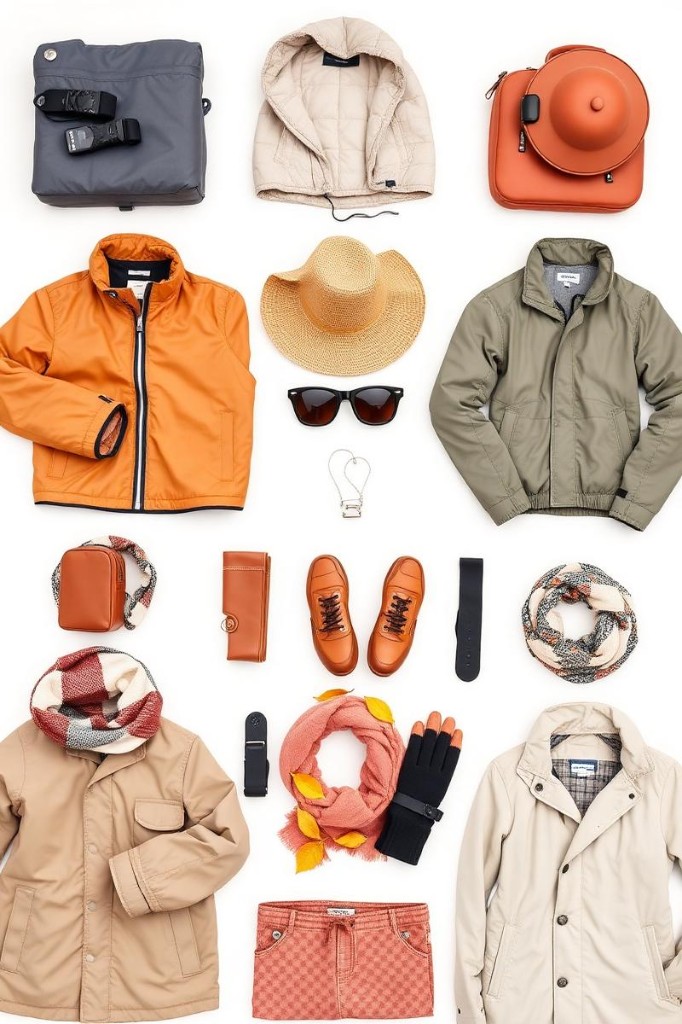
👕 Seasonal packing

Dry Season (May-September): • Warm clothing for cold nights (5-10°C / 41-50°F) • Multiple modular layers • Sturdy trekking shoes • Enhanced sun protection • Volcanic dust mask

Wet Season (October-April): • Full waterproof clothing • Waterproof non-slip shoes • Plastic bags for equipment protection • Quick-dry clothing • Powerful headlamp

Travel clothing and gear by season

💰 Seasonal budget

PeriodAccommodation (€/night)Transport (€/day)Meals (€/day)Activities (€)Traffic
Dry Season (May-Sept)25-8015-258-2010-30⭐⭐⭐⭐⭐
Wet Season (Oct-Apr)15-5010-206-158-25⭐⭐
Peak Season (June-Aug)40-12020-3512-2515-40⭐⭐⭐⭐⭐

💡 Money-saving tips

• Book accommodation 2-3 months in advance during dry season for best rates • Favor local restaurants (warungs) (3-8€) vs tourist hotels • Negotiate jeep transport in groups (cost sharing) • Camping allowed in certain zones (save on accommodation) • Avoid Indonesian weekends (surcharged rates)

🏥 Health and precautions

Altitude: gradual acclimatization, increased hydration • Night cold: warm clothing essential • Volcanic dust: respiratory protection • UV rays: maximum altitude sun protection • Pharmacy: altitude sickness medication, bandages, antiseptic • Insurance: mountain activity coverage mandatory

Cultural Events

Calendar of traditional Tengger festivities at Bromo

Traditional Tengger ceremonies add a unique spiritual dimension to your visit, revealing the harmony between local culture and the sacred volcanic environment.

🌸 Yadnya Kasada Ceremony (August/September)

The most important Javanese Hindu festival where the Tengger community offers sacrifices to the volcano. Spectacular nocturnal processions with thousands of participants in traditional costumes.

Location: Bromo Crater and Tengger villages

Highlight: The only active volcanic ceremony in the world

Climate Impact: Exceptional crowds, reservations required 6 months in advance, prices tripled

Transport Access: Special shuttles organized, departures at 2:00 AM

Planning Tip: Accommodation booking essential before February

🎭 Karo Festival (January)

Celebration of the Tengger New Year with traditional dances, gamelan music, and floral offerings. Festive atmosphere in all villages around Bromo.

Location: Cemoro Lawang and Ngadisari villages

Highlight: Tourist participation in rituals is encouraged

Climate Impact: Wet season but event features indoor/outdoor activities, moderate prices

Transport Access: Local transport facilitated during festivities

Planning Tip: Learning a few words of Bahasa Indonesia is appreciated

🌾 Tengger Harvest Festival (March-April)

Traditional agricultural celebration with local markets, craft demonstrations, and authentic gastronomy. An ideal period for discovering local culture.

Location: All villages on the Tengger plateau

Highlight: Total immersion in rural mountain life

Climate Impact: End of wet season, variable weather conditions but pleasant temperatures

Transport Access: Organized tours from Malang and Surabaya

Planning Tip: Bring symbolic gifts for host families

Seasonal events

Dry Season: • Yadnya Kasada (August-September, Bromo crater) • Photography festivals (July, viewpoints) • Trail running competitions (June, mountain paths)

Wet Season: • Karo (January, villages) • Harvest festivals (March-April, agricultural plateau) • Purification ceremonies (November, sacred springs). Note: Some ceremonies may be postponed if weather conditions are dangerous.

Responsible Tourism

Preserve the fragile volcanic ecosystem and respect the millenary Tengger culture for sustainable tourism at Bromo.

Bromo Volcano requires a respectful approach: protection of the unique volcanic environment, respect for local Tengger communities, waste management at altitude, limiting trail erosion, and supporting the authentic local economy versus mass tourism.

🌱 Low-season advantages

Visiting in the wet season reduces tourist pressure, allows for authentic exchanges with local communities, supports the economy outside of peak times, and preserves trails from excessive erosion.

♻️ Sustainable travel tips

• Use certified local Tengger guides to support the community economy • Respect prohibited zones for ecosystem protection • Carry out all waste (no collection infrastructure at altitude) • Favor family-run accommodation vs large hotels • Buy authentic local crafts • Participate in ceremonies with respect for traditional protocols

🏙️ Local sustainable initiatives

The Tengger community is developing eco-tourism programs: trained conservation guides, marked trails for erosion protection, eco-responsible accommodation, visitor awareness of local culture, reforestation projects on volcanic slopes, and sustainable management of mountain water resources.

Our Recommendations

Recommendations for your Bromo Volcano expedition

Choosing the optimal period for Bromo determines the success of your volcanic experience. Our climate analysis, combined with tourist traffic patterns and Tengger cultural events, guides you toward the best conditions based on your priorities: guaranteed sunrise, controlled budget, or authentic cultural immersion.

🌟 Optimal Period: May to September

Recommended Months: June, July, August

Advantages:
• Maximum visibility for spectacular sunrises
• Optimal trekking conditions and accessible roads
• Exceptional starry sky for astronomy
• Dry weather ideal for panoramic photography
• All activities accessible without weather restrictions

Key Events: Yadnya Kasada ceremony (August-September), photography festivals

Disadvantages: High tourist traffic, high accommodation prices

Ideal Profile: Photographers, families, first-time travelers, experienced trekkers

Stay Duration: 3-4 days recommended

🌿 Interesting Alternative: March-April and October

Alternative Months: March, April, October

Description: Transition periods offering an excellent compromise between acceptable weather conditions and moderate crowds, with the possibility of authentic experiences.

Specific Advantages: Fewer tourists, reduced accommodation rates, lush green vegetation, local cultural events

For Whom: Flexible travelers, moderate budgets, lovers of local culture

👥 Tips for your travel style

Family: May-September, Cemoro Lawang accommodation, short activities, child-specialized guides
Budget: March-April or October, local guesthouses, camping allowed, shared transport
Culture: Festival periods (January, August), Tengger homestays, participation in ceremonies
Romantic: June-July, panoramic view hotels, private sunrises, traditional dinners
Weekend: Avoid Indonesian weekends, 2-3 days sufficient, advance booking
First trip: Dry season mandatory, English-speaking guides, comfortable accommodation

⚠️ Periods to avoid: November-February

Discouraged Months: November, December, January, February

Reasons: Intense rains limiting visibility, difficult access roads, unpredictable sunrises, landslide risks

Nuances: Acceptable for adventurous travelers seeking solitude and minimal rates

Villes du même pays

All cities

Frequently Asked Questions

Answers to essential questions for planning your volcanic expedition to Bromo according to climatic conditions.

What is the best month to visit Bromo Volcano?

June to August represent the optimal period with maximum visibility for sunrises, ideal trekking conditions, and clear skies. May and September offer an excellent compromise with fewer crowds. Avoid November to February (intense rainy season) unless you are seeking solitude and reduced rates with high weather risk.

How many days should I plan for Bromo Volcano?

2 to 4 days depending on your goals: 2 days minimum for sunrise and the crater, 3 days for full exploration of the Tengger plateau, 4 days for cultural immersion with local villages. Plan an extra day in the wet season to compensate for weather uncertainties. A weekend is sufficient if optimal conditions are guaranteed.

What to do at Bromo Volcano in case of rain?

Explore the Volcanology Museum, discover Tengger crafts in the villages, taste local cuisine in traditional warungs, attend cultural performances, or enjoy panoramic views from hotels with large windows. Geological interpretation centers offer an enriching perspective on regional volcanic activity.

What events should not be missed at Bromo Volcano?

The Yadnya Kasada ceremony (August-September) is the major event: a unique Hindu-Javanese festival with offerings at the crater. The Karo Festival (January) celebrates the Tengger New Year with traditional dances. Harvest festivals (March-April) offer authentic immersion in mountain agricultural culture. Book accommodation 6 months in advance for Yadnya Kasada.

What budget should I plan for each season?

Dry season: 60-150€ / $65-$165 per day (accommodation 25-80€ / $27-$88, meals 8-20€ / $9-$22, activities 10-30€ / $11-$33). Wet season: 40-90€ / $44-$99 per day with 30-40% discounts. Peak season (June-August): 80-200€ / $88-$220 per day. Camping is possible (saving 15-40€ / $16-$44 per night). Surabaya-Bromo transport budget: 20-50€ / $22-$55 depending on chosen comfort.