When to visit Capesterre-Belle-Eau? City-Trip Guide

Between lush tropical nature and authentic Creole heritage, each season reveals a unique facet of this Guadeloupean pearl.

  • 19,000 inhabitants population
  • French, Guadeloupean Creole language
  • 180 days rainy days/year
  • from December to April best time to visit
  • 3 to 5 days recommended stay

Tropical Climate of Capesterre-Belle-Eau

Understanding the humid tropical climate of Capesterre-Belle-Eau

Capesterre-Belle-Eau enjoys a humid tropical climate influenced by its location at the foot of La Soufrière and its proximity to the Atlantic Ocean. Trade winds naturally temper the temperatures, creating an ideal microclimate for exploring this authentic town.

The town features two distinct climatic zones: the windier and more humid Atlantic coast, and the volcanic highlands, which experience higher rainfall and slightly cooler temperatures depending on the altitude.

MonthMin/Max Temp. (°C / °F)Precipitation (mm)Sunshine (h/day)Tourist TrafficRecommended Activities
January22/29°C / 72/84°F957★★★★★Hiking, beaches, heritage
February22/29°C / 72/84°F758★★★★★Carnival, nature, relaxation
March23/30°C / 73/86°F858★★★★☆Cultural discovery, gardens
April24/31°C / 75/88°F1057★★★☆☆Water sports, volcanoes
May25/32°C / 77/90°F1456★★☆☆☆Nature observation, waterfalls
June26/32°C / 79/90°F1656★★☆☆☆Botanical gardens, museums
July26/32°C / 79/90°F1757★★★☆☆Festivals, indoor activities
August26/33°C / 79/91°F1857★★★☆☆Creole culture, gastronomy
September26/32°C / 79/90°F1956★★☆☆☆Heritage, local crafts
October25/31°C / 77/88°F1856★★☆☆☆Authentic discovery
November24/30°C / 75/86°F1556★★★☆☆Gentle hiking, villages
December23/29°C / 73/84°F1157★★★★☆Christmas markets, traditions

Altitude variations between the coastline and the foothills of La Soufrière create microclimates: milder temperatures at higher elevations (22-28°C / 72-82°F) and warmer temperatures on the coast (24-31°C / 75-88°F), with rainfall increasing toward the interior.

Tropical Seasons

Must-sees by weather

Optimize your discovery of Capesterre-Belle-Eau by adapting your visits to weather conditions. This approach ensures memorable experiences regardless of tropical whims.

☔ In cloudy/rainy weather

🏛️ Heritage and culture indoors

The cultural treasures of Capesterre-Belle-Eau offer exciting refuges during tropical showers, revealing the authentic Creole soul.

Must-see sites:
🏛️ Rum and Slavery Museum - 2h - 8€ - All year
⛪ Notre-Dame-de-l'Assomption Church (colonial architecture) - 45min - Free
🏠 Traditional Creole houses in the center - 1h30 - Free
🎨 Local craft workshops (basketry, pottery) - 2h - 15-25€
📚 Cultural library - 1h - Free
🍯 Distillery and tasting - 1h30 - 12€

Practical tip: Booking recommended for craft workshops, cultural pass available
Additional tip: Logical sequence of city center on foot, local product tasting
☀️ In good weather

🌿 Nature and exceptional panoramas

The tropical sun reveals the full natural splendor of Capesterre-Belle-Eau and its spectacular volcanic surroundings.

Outdoor sites:
🌋 Trail to Carbet Falls - 3h - Free - Early morning optimal
🌺 Deshaies Botanical Garden (nearby) - 2h30 - 16€
🏖️ Grande-Anse Beach - Full day - Free
🥾 Smugglers' Trail (Trace des Contrebandiers) - 4h - Guide 35€
🌿 Habitation-Sucrerie de la Grivelière - 2h - 9€
📸 La Soufrière viewpoint - 1h - Free

Best time of day: Sunrise for hiking, golden hour for volcanic photography
Seasonal tip: December to April is optimal, avoid noon in hot season

🌤️ All-weather versatile

🔄 Adaptable sites

These hybrid places adapt perfectly to sudden tropical weather changes.

Flexible sites:
🌿 Valombreuse Estate (gardens + greenhouses) - 2h30
🏛️ Habitation Côte-Sous-le-Vent (exterior + museum) - 2h
🍴 Covered markets + terraces - Variable

Weather tip: Start outdoors, indoor retreat possible
Example itinerary: Morning gardens, afternoon heritage depending on conditions

💰 Free or economical

🎯 Accessible discovery

Free sites:
🌊 Public beaches and coastal trails
⛪ Religious heritage and colonial architecture
🌿 Marked botanical trails
🎪 Local events and festivals (seasonal)

Free days: Heritage Days (September), municipal events
Budget tips: Beach picnics, local markets, free hikes, panoramic viewpoints

Practical Guide

Prepare for your stay in Capesterre-Belle-Eau with these essential recommendations adapted to the tropical climate and the specificities of this authentic destination between sea and volcanic mountains.

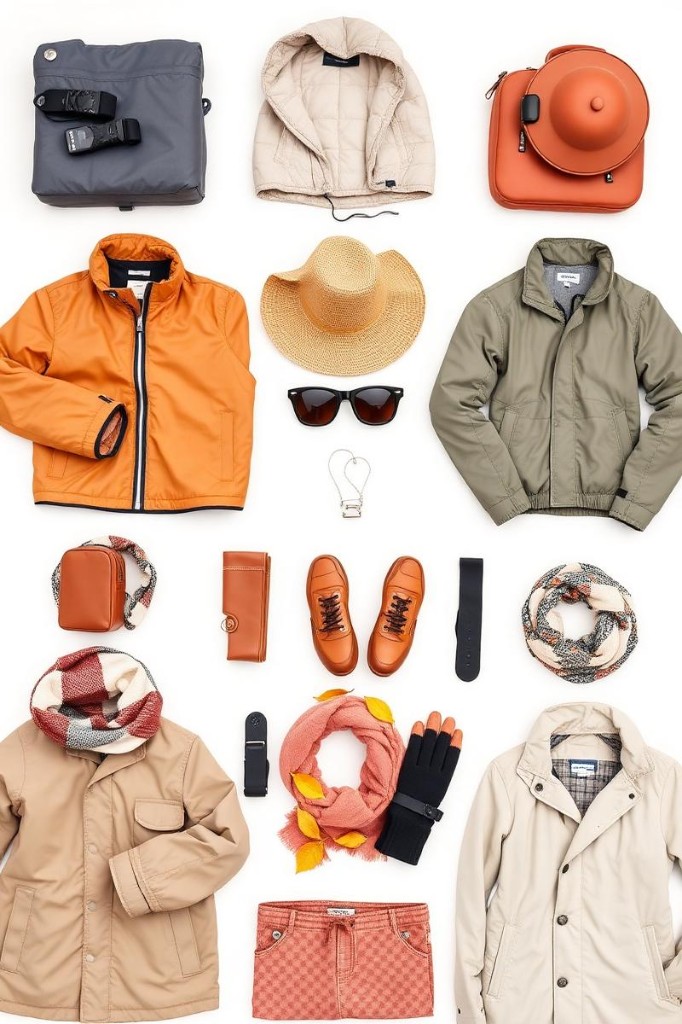
👕 Seasonal packing

Dry Season (Dec-Apr): • Waterproof hiking shoes • Lightweight breathable clothing • Hat and sunglasses • Swimsuit and towel • Light jacket for evenings

Humid Season (May-Nov): • Compact raincoat and poncho • Non-slip shoes • Quick-dry clothing • Mosquito repellent • Waterproof bag for electronics
Travel clothing and gear by season

💰 Seasonal budget

PeriodCity Accommodation (€/night)Transport (€/day)Restaurants (€/day)Attractions (€)Traffic
High season (Dec-Apr)80-15025-3535-5515-25★★★★★
Mid-season (May-Jun, Nov)60-11020-3030-4512-20★★★☆☆
Low season (Jul-Oct)45-8515-2525-4010-18★★☆☆☆

💡 Money-saving tips

Car rental: Essential, compare prices online, avoid airport desks
Restaurants: Local 'lolos' are economical, use markets for fresh fruit
Accommodation: Authentic rural guesthouses are cheaper than hotels
Activities: Many free hikes, local guide prices are negotiable
Fuel: More expensive than in mainland France, plan your routes

🏥 Health and precautions

Sun protection: High SPF mandatory, reapply frequently
Hydration: 2-3L/day minimum, bottled water recommended
Mosquitoes: Tropical repellent, covering clothing in the evening
Sea: Watch for currents, swim in monitored areas
Hiking: First aid kit, inform others of your itinerary

Creole Events

Essential event calendar for Capesterre-Belle-Eau

Creole festivities punctuate life in Capesterre-Belle-Eau, offering an authentic immersion into Guadeloupean culture and transforming the local atmosphere.

🎭 Guadeloupe Carnival (January-March)

The must-see event that sets all of Guadeloupe ablaze for two months. Capesterre-Belle-Eau vibrates to the rhythms of Gwo-ka and colorful parades, revealing the festive Creole soul in a friendly, family-oriented atmosphere.

Location: City center and waterfront
Special feature: Active participation of locals, traditional costumes
Climate impact: Ideal dry period, maximum crowds, reservations essential
Transport access: Special shuttles from Pointe-à-Pitre
Planning tip: Book accommodation 3 months in advance, budget for costumes

🌺 Notre-Dame Patronal Festival (August 15)

A major spiritual and cultural celebration blending Catholic and Creole traditions. Processions, masses sung in Creole, and popular festivities turn the town into a stage for joyful devotion and community sharing.

Location: Church and central square
Special feature: Unique blend of sacred and profane, traditional gastronomy
Climate impact: Humid season, possible showers, indoor atmosphere preferred
Transport access: Limited parking, walking from the outskirts
Planning tip: Arrive early, respect religious dress codes

🍯 Honey and Flavors Festival (November)

An authentic gastronomic event celebrating products from the volcanic terroir. Tastings of local honey, Creole culinary workshops, and meetings with passionate producers in a friendly, gourmet atmosphere.

Location: Market square and municipal gardens
Special feature: Tropical beekeeping discovery, exclusive products
Climate impact: End of humid season, variable weather, covered stands
Transport access: City center accessible on foot
Planning tip: Budget for local product purchases, bring transport containers

Seasonal events

Dry Season: • Carnival (Jan-Mar) • Fête de la Musique (June) • Gommier boat tournaments (Feb-Mar)

Humid Season: • Terre de Blues Festival (July) • Patronal Festival (Aug) • Honey Festival (Nov) • Creole All Saints' Day (Nov)

Monthly Events: Night markets (Fridays), Gwo-ka concerts (Saturdays), garage sales (Sundays). Note local public holiday closures: Easter Monday, Ascension, Pentecost, Abolition of Slavery (May 27).

Responsible Tourism

Discovering Capesterre-Belle-Eau in an eco-responsible way preserves this exceptional natural heritage while supporting the authentic local economy of this preserved volcanic town.

Sustainable tourism in Capesterre-Belle-Eau favors short supply chains, respect for fragile volcanic ecosystems, and the promotion of traditional Creole know-how. This approach ensures an enriching experience while preserving local authenticity.

🌱 Low-season advantages

Visiting during the humid season reduces tourist pressure, allows for authentic exchanges with locals, supports the local economy during the off-season, and offers solidarity pricing while minimizing environmental impact.

♻️ Sustainable travel tips

Transport: Carpooling, hybrid vehicle rental, walking in the city center
Accommodation: Certified rural guesthouses, local bed and breakfasts
Dining: Creole 'lolos', farm products, local fishing
Purchases: Authentic crafts, local spice producers
Activities: Local guides, respectful marked trails
Waste: Zero plastic, selective sorting, reusable water bottle

🏙️ Local sustainable initiatives

The town develops eco-educational trails, supports local organic farming, promotes traditional Creole crafts, and implements selective collection circuits. Local producers offer educational tours that respect the volcanic environment.

Our Recommendations

Expert recommendations for your stay in Capesterre-Belle-Eau

After analyzing climatic data, tourist traffic, and cultural events, here are our personalized tips to optimize your discovery of this Guadeloupean pearl. These recommendations take into account tropical specificities, seasonal variations, and opportunities for authentic immersion in local Creole culture.

🌟 Optimal Period: February to April

Recommended Months: February, March, April

Advantages:
• Dry and sunny climate ideal for all activities
• Perfect temperatures (22-30°C / 72-86°F) without excessive heat
• Optimal visibility of La Soufrière and volcanic landscapes
• Post-Carnival period is calmer but still lively
• Calm sea for water sports and swimming

Key Events: End of Carnival, Gwo-ka festivals, traditional tournaments
Disadvantages: High accommodation prices, advance booking necessary
Ideal Profile: First-time visitors, families, hikers, photographers
Stay duration: 4-5 days recommended

⚖️ Balanced Alternative: November-December

Alternative Months: November, December

Description: Ideal transition between seasons offering the best compromise between price, weather, and authenticity. Nature remains lush from the humid season with gradually improving weather conditions.

Specific Advantages: Attractive intermediate rates, fewer tourists, authentic local festivals, seasonal tropical fruits
For whom: Experienced travelers, budget-conscious, local culture lovers, relaxation seekers

👥 Tips for your travel style

Family: February-April, accommodation near Sainte-Anne, gentle activities, monitored beaches
Budget: May-June or November, rural guesthouses, local markets, free hikes, group transport
Culture: Carnival period or festivals, local guides, craft workshops, meeting locals
Romantic: March-April, charming guesthouses, sunsets, Creole restaurants, secluded sites
Weekend: Any dry season, city center, accessible sites, concentrated activities
First trip: February-March, organized tours, French-speaking guides, must-see sites, mild weather

⚠️ Periods to avoid: August-October

Months not recommended: August, September, October

Reasons: Peak of the hurricane season, maximum precipitation, high humidity, impassable trails, weather risks
Nuances: Acceptable for indoor cultural stays, very tight budgets, or fans of intense tropical atmosphere

Villes du même pays

All cities

Frequently Asked Questions

Answers to essential questions for planning your stay in Capesterre-Belle-Eau, considering its unique tropical climate.

What is the best month to visit Capesterre-Belle-Eau?

February and March offer optimal conditions: dry and sunny weather, ideal temperatures (22-29°C / 72-84°F), calm seas, and excellent visibility of La Soufrière. Post-Carnival crowds decrease slightly while maintaining a festive atmosphere. It is the perfect time to combine volcanic hikes, cultural discovery, and beach relaxation with stable and predictable weather.

How many days should I plan for Capesterre-Belle-Eau?

A stay of 3 to 5 days allows for a complete discovery. 3 days are enough for the essential sites (historic center, Carbet Falls, beaches), while 4-5 days provide time to delve deeper into Creole culture, explore volcanic trails, and savor the Guadeloupean way of life. Hiking and nature enthusiasts may consider a week to explore the entire surrounding volcanic territory.

What to do in Capesterre-Belle-Eau when it rains?

Tropical showers reveal another side of the destination: visiting the Rum and Slavery Museum, discovering traditional Creole houses, local craft workshops (basketry, pottery), tastings at distilleries, and exploring colonial architectural heritage. Covered markets offer an authentic immersion into local flavors, while cultural centers host events focused on Creole history.

Which events should not be missed in Capesterre-Belle-Eau?

The Carnival (January-March) remains the major event with its colorful parades and unique festive atmosphere. The Patronal Festival (August 15) mixes religious and Creole traditions in a friendly setting. The Honey Festival (November) celebrates local gastronomy. Throughout the year, Gwo-ka concerts (Saturdays), night markets (Fridays), and garage sales (Sundays) animate local life with authenticity.

What budget should I expect depending on the season?

In high season (December-April): 150-200€/day/couple (accommodation, meals, transport, activities). In mid-season (May-June, November): 110-150€/day with softer rates. In low season (July-October): 85-120€/day, ideal for tight budgets despite climatic constraints. Car rental is essential (25-40€/day), meals in affordable Creole 'lolos' (15-25€), and rural guesthouses are more affordable than hotels.