When to visit Guadeloupe? Complete Guide

Between tropical climate and micro-climatic variations, Guadeloupe reveals seasonal nuances that transform your Caribbean experience.

  • 0.4 M population
  • French language
  • 180 days rainy days/year
  • December to April best time to visit
  • 7 to 14 days recommended stay

Weather and Climate in Guadeloupe

Understanding the tropical maritime climate of the Guadeloupe archipelago

Guadeloupe enjoys a tropical maritime climate with two distinct zones influenced by trade winds, volcanic terrain, and oceanic exposure, creating surprising micro-climates depending on the region.

  • Leeward Coast (west): The driest and sunniest area, protected from trade winds
  • Windward Coast (east): A more humid and windy area, exposed to precipitation
MonthTemperature (°C / °F)Precipitation (mm / in)Conditions
January24-28°C / 75-82°F90mm / 3.5inDry season
February24-28°C / 75-82°F70mm / 2.8inOptimal
March25-29°C / 77-84°F80mm / 3.1inExcellent
April26-30°C / 79-86°F100mm / 3.9inVery good
May26-31°C / 79-88°F150mm / 5.9inTransition
June27-32°C / 81-90°F180mm / 7.1inWet season
July27-32°C / 81-90°F200mm / 7.9inVery humid
August27-32°C / 81-90°F220mm / 8.7inCyclonic
September27-32°C / 81-90°F240mm / 9.4inCyclone risk
October26-31°C / 79-88°F200mm / 7.9inStill humid
November25-30°C / 77-86°F150mm / 5.9inTransition
December24-28°C / 75-82°F110mm / 4.3inReturn to dry

Altitude variations create distinct micro-climates, ranging from the dry coast to humid tropical forests at higher elevations.

The Seasons in Guadeloupe

Climate by Region in Guadeloupe

The Guadeloupean archipelago presents remarkable climate diversity depending on exposure to trade winds, altitude, and geology. The contrasts between the windward and leeward coasts create distinct meteorological experiences.

🏝️ Grande-Terre

Description: A flat limestone island, Grande-Terre enjoys a drier and more stable climate than its volcanic neighbor. The white sand beaches of the south coast offer exceptional sunshine, while the northeast coast is more influenced by trade winds. Rainfall variations remain moderate due to the low relief.

PeriodWeatherTemperatureRecommended activities
Dec-AprDry and sunny24-28°C / 75-82°FBeaches, golf, tours
May-NovMore humid26-31°C / 79-88°FSurfing, local discovery

Specifics: Driest climate in the archipelago, constant winds, ideal for water sports and beach lounging.

🌋 Basse-Terre

Description: A volcanic and mountainous island, Basse-Terre presents striking climate contrasts. The west coast (leeward) remains dry and sunny, while the east coast and the heights receive abundant precipitation. The Soufrière massif creates a true climate gradient.

PeriodWeatherTemperatureRecommended activities
Dec-AprDry/humid contrast22-28°C / 72-82°FHiking, waterfalls
May-NovVery humid at altitude24-30°C / 75-86°FTropical forest, thermal baths

Specifics: Multiple micro-climates, humid tropical forest, spectacular waterfalls, cooler temperatures at altitude.

🏖️ Marie-Galante

Description: Known as the "island of a hundred mills," Marie-Galante enjoys a particularly dry and sunny climate. This flat, circular island, less exposed to atmospheric disturbances, offers stable and predictable weather conditions throughout the year.

PeriodWeatherTemperatureRecommended activities
Dec-AprOptimal dry24-28°C / 75-82°FBeaches, rum, cycling
May-NovRelative dry26-30°C / 79-86°FTraditions, gastronomy

Specifics: Most stable climate, limited rainfall, moderate winds, preserved authenticity.

⛵ Les Saintes

Description: This archipelago of small volcanic islands benefits from an exceptional dry climate, protected from major disturbances by its geographical position. Les Saintes offer ideal conditions for sailing and water activities, with regular winds and reduced rainfall.

PeriodWeatherTemperatureRecommended activities
Dec-AprPerfect24-28°C / 75-82°FSailing, diving, hiking
May-NovVery good26-30°C / 79-86°FNavigation, fishing

Specifics: Exceptional nautical conditions, very dry climate, favorable winds, preserved setting.

Practical Guide for Guadeloupe

Preparing for your trip to Guadeloupe requires adaptation to tropical specifics and seasonal variations. From clothing to budget considerations, here are our expert recommendations to optimize your stay according to the chosen period.

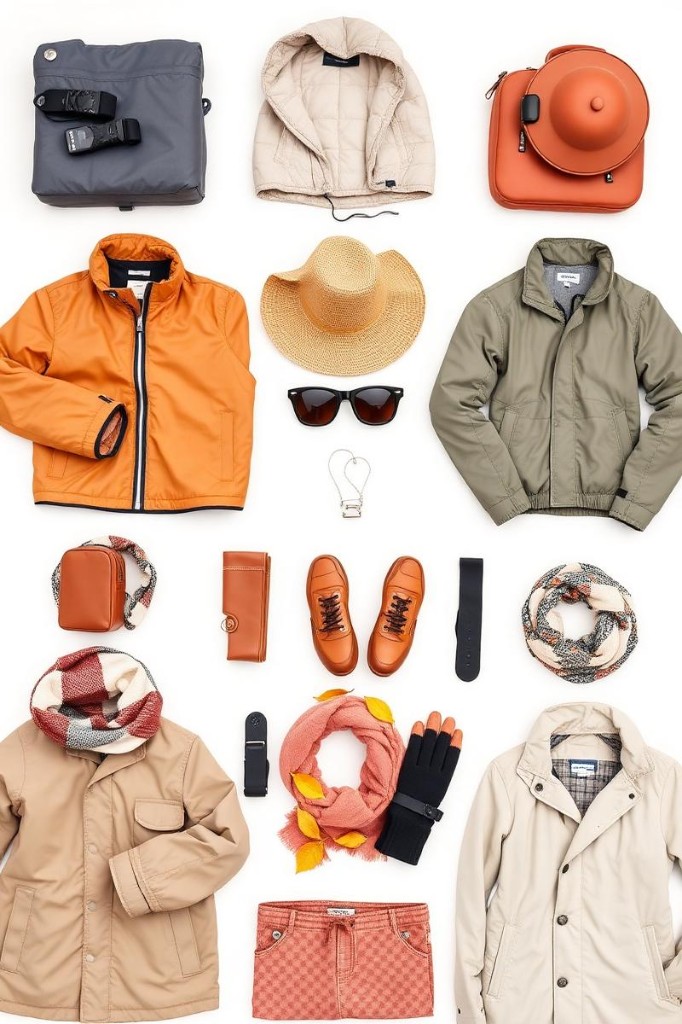
👕 Seasonal packing

Lent (December-April):

  • Light cotton or linen clothing
  • Multiple swimsuits
  • Hat and sunglasses
  • High-protection sunscreen
  • Light jacket for evenings
  • Waterproof hiking shoes

Wintering (May-November):

  • Breathable, quick-drying clothing
  • Light raincoat or poncho
  • Compact umbrella
  • Waterproof shoes
  • Effective mosquito repellent
  • Extra changes of clothes
Travel clothing and gear by season

💰 Seasonal budget

PeriodAccommodation (€/night)Transport (€/day)Activities (€/day)Crowds (/5)Budget Tips
Dec-Jan120-30040-6050-805/5Book 6 months ahead
Feb-Apr100-25035-5545-704/5Avoid school holidays
May-Jul70-18030-4535-552/5Take advantage of deals
Aug-Nov60-15025-4030-501/5Best annual rates

💡 Money-saving tips

  • Avoid December-January: the most expensive time of the year
  • Prioritize May-June and September-November: excellent value for money
  • Book early in high season: substantial savings possible
  • Explore local accommodations: authentic gîtes and bed & breakfasts
  • Take advantage of all-inclusive packages: often advantageous in low season

🏥 Health and precautions

Seasonal health precautions:

  • Enhanced sun protection: very high UV index all year
  • Constant hydration: demanding tropical climate
  • Effective mosquito repellent: especially in the wet season
  • Swimming caution: currents and waves vary by season
  • First aid kit: coral cuts, stings
  • Travel insurance: nautical activities and hiking
  • Up-to-date vaccinations: DTP, Hepatitis A and B recommended

Events & Festivals in Guadeloupe

Cultural calendar and festivities not to be missed in Guadeloupe

Guadeloupean cultural richness is expressed through an exceptional festive calendar, blending Creole traditions, African influences, and contemporary celebrations throughout the seasons.

🎭 Guadeloupe Carnival (January-March)

Description: The archipelago's major cultural event, the Guadeloupean Carnival transforms the streets into a colorful spectacle for several weeks. Parades, costume contests, and traditional and modern music blend in a unique festive atmosphere, culminating in Mardi Gras and Ash Wednesday.

Location: Pointe-à-Pitre, Basse-Terre, and all municipalities

Special feature: Tradition of the "Mas" (costumed groups) and authentic gwoka music

Climate impact: Ideal dry period for outdoor parades and street festivities

🎵 Gwoka Festival (July)

Description: A celebration of traditional Guadeloupean music inscribed on the UNESCO heritage list, this festival honors the gwoka, its ancestral rhythms, and its spiritual dimension. Concerts, workshops, and meetings with master drummers offer an authentic cultural immersion.

Location: Sainte-Anne and various sites across the archipelago

Special feature: The only festival dedicated exclusively to traditional gwoka

Climate impact: Humid season requiring covered spaces for some concerts

⛵ Route du Rhum (November, odd-numbered years)

Description: A legendary solo transatlantic race connecting Saint-Malo to Pointe-à-Pitre, the Route du Rhum turns Guadeloupe into the world capital of sailing. The arrival of the sailors creates exceptional excitement with an exhibition village, nautical activities, and popular festivities.

Location: Pointe-à-Pitre, marina and city center

Special feature: The largest transatlantic race in the world arriving in Guadeloupe

Climate impact: End of the cyclonic season, optimal sailing conditions

Seasonal events

Lent (Dry Season):

  • Terres de Blues Festival (March) - Marie-Galante
  • Traditional Holy Week (March-April)
  • Classical Music Festival (February)

Wintering (Wet Season):

  • Karib'Music Festival (June) - Basse-Terre
  • Cooks' Festival (August) - Pointe-à-Pitre
  • Storytelling Festival (October)
  • Creole All Saints' Day (November)

Responsible Travel in Guadeloupe

Traveling responsibly in Guadeloupe means respecting the fragility of tropical ecosystems, supporting the local economy, and adapting your practices to the archipelago's natural cycles.

The Guadeloupean archipelago is home to unique and fragile ecosystems: coral reefs, tropical forest, mangroves, and endemic species. Respecting marine breeding periods, protecting sensitive areas, and responsible water resource management are essential.

🌱 Low-season advantages

Traveling during the wintering season reduces tourist pressure on natural sites, allows for better distribution of local income, and lowers your carbon footprint due to more accessible airfares.

♻️ Sustainable travel tips

  • Respect nesting areas: sea turtles from April to October
  • Save water: precious resource in an island environment
  • Prioritize local transport: bus, carpooling, cycling
  • Consume local: markets, Creole restaurants, producers
  • Avoid plastics: critical marine pollution
  • Respect wildlife: observation without disturbance

🏙️ Local sustainable initiatives

Guadeloupe is developing innovative sustainable projects: renewable energy (geothermal, solar), coral reef protection programs, community tourism initiatives, and promotion of authentic Creole heritage.

Our Expert Recommendations

Expert recommendations for your trip to Guadeloupe

After analyzing climate data, tourist flows, and local specifics, our personalized recommendations guide you to the optimal period for your traveler profile. These tips, based on fifteen years of field expertise, incorporate recent climate trends and feedback from thousands of travelers.

🏆 Optimal Period: February to April

Recommended months: February, March, April

Climate benefits:

  • Perfect and stable weather conditions
  • Ideal temperatures (24-29°C / 75-84°F)
  • Minimal precipitation (70-100mm / 2.8-3.9in)
  • Constant refreshing trade winds
  • Calm and transparent sea
  • No cyclone risk

Limitations:

  • Most requested period (advance booking required)
  • High season rates

Ideal profile: Families with children, honeymoon couples, diving and water sports enthusiasts, travelers seeking optimal conditions

⚖️ Balanced Alternative: May-June and November

Alternative months: May, June, November

Description: These transition periods offer an excellent compromise between acceptable weather conditions and attractive rates, avoiding the extremes of the high tourist season and the cyclone peak.

Specific benefits:

  • Significant reduced rates (30-40% savings)
  • Moderate site attendance
  • Lush vegetation and powerful waterfalls
  • Preserved authenticity of local experiences

👥 Tips for your travel style

👨‍👩‍👧‍👦 Family: February-April for climate safety and varied activities. Avoid August-October.

💰 Budget: May-June and November for maximum savings. September possible if flexible with weather.

🏃‍♂️ Adventure: November-January for optimal hiking. May-June for spectacular waterfalls.

💎 Luxury: February-March for perfect conditions. December-January if budget is unlimited.

📸 Photographer: January-March for ideal light. June-July for lush vegetation despite showers.

⚠️ Periods to avoid: August to October

Climate reasons: Peak of the cyclone season, maximum precipitation, high humidity, weather risks

Exceptions: Budget travelers accepting climate constraints, nature lovers seeking lush tropical landscapes

Cities to explore

Discover the must-sees of urban travel

All cities

Frequently Asked Questions

Find answers to essential questions to plan your trip to Guadeloupe according to climate and seasonal conditions.

When is the best time to visit Guadeloupe?

The optimal period is from February to April, offering perfect weather conditions: pleasant temperatures (24-29°C / 75-84°F), minimal precipitation, refreshing trade winds, and calm seas. This period avoids cyclone risks while ensuring maximum sunshine.

Can you travel to Guadeloupe during the cyclone season?

Yes, but with precautions. The cyclone season (June to November) presents risks that vary by month. May-June and November remain acceptable, while August-October hold the highest risks. Travel insurance and flexibility with dates are recommended.

Is it really hotter in summer than in winter in Guadeloupe?

Paradoxically, temperatures vary little (3-4°C / 5-7°F difference), but humidity changes drastically. The wintering season (summer) combines heat and high humidity (80-90%), creating a heavy feeling, while the Lent season (winter) benefits from drying trade winds.

When are the best prices for Guadeloupe?

The most advantageous rates are found from May to June and September to November, with savings of up to 40% on accommodation and 30% on flights. Avoid December-January and French school holidays.

Does the climate vary much between the different islands of the archipelago?

Absolutely! Each island has its own characteristics: Grande-Terre remains the driest, Basse-Terre offers altitude/coast contrasts, Marie-Galante enjoys a very stable climate, and Les Saintes benefit from exceptional nautical conditions. These variations influence your choice of base.