When to visit Cebu? City-Trip Guide

Discover the pearl of the Visayas with its ideal tropical climate, blending urban modernity and authentic Philippine traditions.

  • 1.0 M population
  • Cebuano, Tagalog, English language
  • 120 days rainy days/year
  • from December to April best time to visit
  • 3 to 5 days recommended stay

Climate and weather in Cebu

Understanding Cebu's tropical maritime climate

Cebu enjoys a tropical maritime climate characterized by consistent temperatures year-round. Its island location strongly influences weather conditions, bringing refreshing sea breezes. Increasing urbanization creates a slight heat island effect in the city center, particularly noticeable during daytime city trips.

  • Urban center: Slightly higher temperatures, urban heat island effect
  • Coastal zone: Refreshing sea breezes, moderate humidity
  • Mountainous periphery: Cooler temperatures, increased rainfall
MonthMin Temp (°C / °F)Max Temp (°C / °F)Precipitation (mm)Sunshine (h/day)Tourist TrafficRecommended Activities
January24°C / 75°F30°C / 86°F457★★★★★Urban tours, beaches
February24°C / 75°F31°C / 88°F358★★★★★Festivals, outdoor
March25°C / 77°F32°C / 90°F408★★★★☆Urban exploration
April26°C / 79°F33°C / 91°F508★★★☆☆Museums, shopping
May26°C / 79°F33°C / 91°F807★★☆☆☆Indoor, shopping malls
June26°C / 79°F32°C / 90°F1206★★☆☆☆Indoor activities
July25°C / 77°F31°C / 88°F1106★★★☆☆Museums, gastronomy
August25°C / 77°F31°C / 88°F1006★★★☆☆Culture, shopping
September25°C / 77°F31°C / 88°F1306★★☆☆☆Indoor activities
October25°C / 77°F31°C / 88°F1406★★☆☆☆Shopping malls
November25°C / 77°F31°C / 88°F907★★★☆☆Seasonal transition
December24°C / 75°F30°C / 86°F607★★★★☆Festivities, outdoor

Altitude variations around Cebu significantly influence the climate. The city center at sea level experiences higher temperatures, while the surrounding hills offer a natural cooling effect of 2-3°C / 3.6-5.4°F compared to the coast.

Seasons in Cebu

Attractions by weather

Optimize your stay in Cebu by adapting your visits to weather conditions to fully enjoy the urban riches of this Philippine metropolis.

☔ In cloudy/rainy weather

Indoor & protected

Intro: Rainy days reveal the modern Cebu with its air-conditioned spaces and covered cultural richness

Must-see sites:
🏛️ Ayala Museum Cebu - 2h - 150 PHP - Local history
🛍️ SM City Cebu - 3-4h - Free - Largest shopping mall
⛪ Santo Niño Basilica - 1h - Free - Historic monument
🏛️ Casa Gorordo Museum - 1h30 - 100 PHP - Colonial architecture
🎭 Temple of Leah - 2h - 100 PHP - Romantic monument
🏢 Crown Regency Sky Experience - 2h - 500 PHP - Indoor activities
🍽️ Larsian BBQ (covered) - 2h - 300 PHP - Local gastronomy

Practical tip: Book online to avoid queues, several sites offer combined passes

Extra tip: Combine historic center museums, then modern shopping in the afternoon

☀️ In good weather

Optimal outdoor

Intro: The sun reveals all the beauty of Cebu's outdoor sites and urban panoramas

Recommended sites:
🏛️ Magellan's Cross - 45min - Free - Ideal at sunrise
🌅 Temple of Leah terraces - 2h - 100 PHP - Golden hour
🏰 Fort San Pedro - 1h - 30 PHP - Cool morning
🌊 Cebu Heritage Monument - 1h - Free - Natural light
🌳 Ayala Triangle Gardens - 1h30 - Free - Greenery break
📸 La Vie Parisienne terrace - 2h - 800 PHP - Sunset
🚶 Colon Street - 2h - Free - Oldest street

Best time of day: Sunrise (6am) for photos without crowds, golden hour (5pm-6pm) for panoramas

Seasonal tip: December-March is optimal, avoid 11am-3pm in the hot season

🌤️ All-weather versatile

Flexible

Intro: Adaptable sites combining covered and outdoor spaces depending on conditions

Versatile sites:
🏛️ Yap-Sandiego Ancestral House - Heritage with shelter
⛪ Cebu Metropolitan Cathedral - Indoor/outdoor architecture
🏢 Ayala Center Cebu - Shopping with gardens
🍽️ IT Park - Covered restaurants and terraces
🎪 JY Square Mall - Multi-level entertainment

Weather trick: Start outdoors in the morning, retreat indoors if it rains in the afternoon

Itinerary example: Morning cathedral + Magellan's Cross, afternoon Ayala Center if weather is unfavorable

💰 Free or economical

No cost

Free sites:
🏛️ Magellan's Cross - Historic monument
🌳 Ayala Triangle Gardens - Urban park
🚶 Heritage Monument - Historic sculptures
⛪ Santo Niño Basilica - Free visit
📍 Colon Street - Heritage walk

Free days: Some museums are free on Sunday mornings for residents (check tourist conditions)

Budget tips: Local Carbon Market, free panoramas from hotel terraces, street festivals

Practical Guide

Prepare your city trip to Cebu with our tips adapted to tropical climate specifics and the requirements of Philippine urban life for an optimal stay.

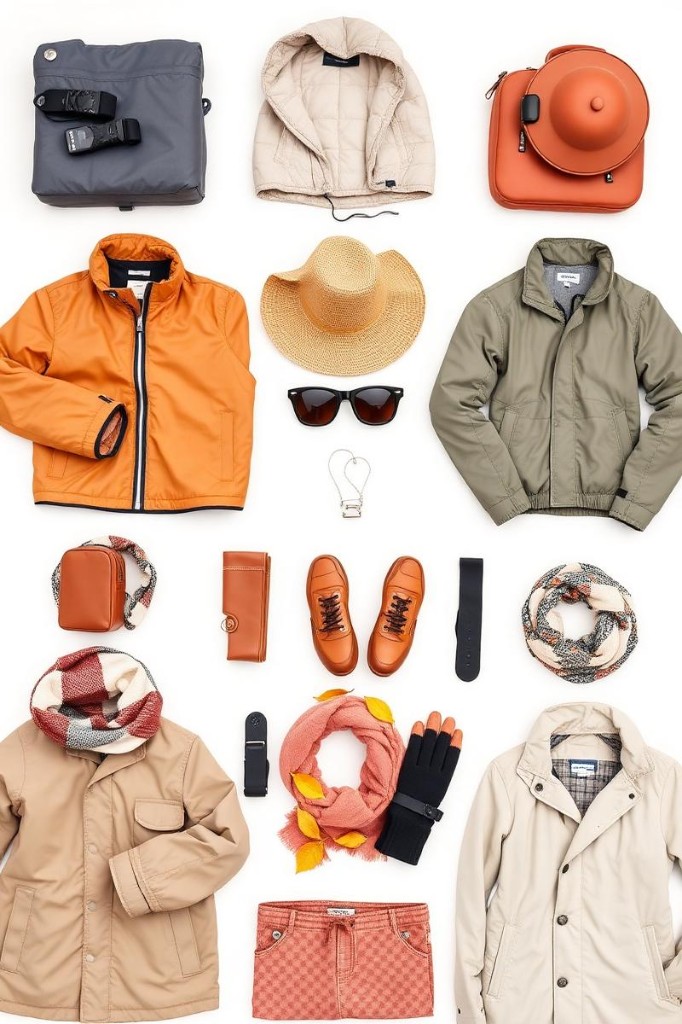
👕 Seasonal packing

Dry season (Dec-May): • Comfortable breathable shoes • Hat and sunglasses • Lightweight cotton clothing • SPF50+ sunscreen • Lightweight jacket for air conditioning

Wet season (Jun-Nov): • Waterproof non-slip shoes • Compact lightweight umbrella • Quick-dry clothing • Plastic bag for electronics protection • Breathable waterproof jacket
Travel clothing and gear by season

💰 Seasonal budget

PeriodCity Accommodation (€/night)Transport (€/day)Restaurants (€/day)Attractions (€)Traffic
High season (Dec-Feb)40-808-1215-2515-30★★★★★
Mid-season (Mar-May)30-606-1012-2012-25★★★☆☆
Low season (Jun-Nov)20-455-810-1810-20★★☆☆☆

💡 Money-saving tips

• Cebu Heritage pass is cost-effective from 3 sites visited
• Local carinderia restaurants are 3x cheaper than tourist ones
• IT Park/Lahug accommodation is more affordable than Ayala Center
• Jeepneys and habal-habal are economical for short trips
• Many free festivals in the dry season

🏥 Health and precautions

Increased hydration due to constant tropical heat
• Sun protection is essential due to urban reflection
• Closed shoes due to frequent construction zones
• 24h Mercury Drug pharmacies in shopping malls
• Strong air conditioning: bring a light jacket for transitions

Urban events

Cebu's essential event calendar

Events transform Cebu's urban atmosphere, creating a unique cultural vibrancy that significantly enriches the city-trip experience.

🎭 Sinulog Festival (3rd Sunday of January)

Description: The largest festival in the Philippines celebrating the Child Jesus, Santo Niño. Spectacular street dances, colorful costumes, and traditional and modern music fuse in a cultural explosion that completely transforms the city center.

Location: Historic center, Fuente Circle, Cebu Sports Center

Highlight: Unique blend of pre-Hispanic traditions and Catholicism, UNESCO recognized

Climate impact: Massive crowds (2M people), bookings required 6 months in advance, blocked traffic

Transport access: Special shuttles, walking recommended in the city center

Planning tip: Accommodation prices triple, book before September of the previous year

🌸 Flores de Mayo (May)

Description: Catholic floral festival honoring the Virgin Mary. Elegant nocturnal processions with local beauty queens wearing traditional costumes, and magnificent floral decorations illuminating the streets and historic churches.

Location: Santo Niño Basilica, Cathedral, residential areas

Highlight: Preserved Hispano-Philippine tradition, strong community participation

Climate impact: Romantic evening atmosphere, terrace restaurants extend hours

Transport access: Public transport operates normally, parking is difficult in the center

Planning tip: Book restaurants with views of the processions, camera recommended

🎪 Cebu Food Festival (April-May)

Description: Gastronomic celebration showcasing authentic Cebuano cuisine and modern fusion. Renowned chefs, culinary demonstrations, street food tastings, and gastronomic competitions in a festive, contemporary urban setting.

Location: Ayala Center, IT Park, various partner restaurants

Highlight: Focus on sustainable local produce, Philippine culinary innovation

Climate impact: Crowded restaurant terraces, new temporary menus, special prices

Transport access: Shuttles between sites, free parking at shopping malls

Planning tip: Tasting passes are cost-effective, reservations at popular restaurants are necessary

Seasonal events

Dry season: • Chinese New Year (January-February, Taoist Temple) • Holy Week processions (March-April, historic center) • Kadaugan sa Mactan (April, Lapu-Lapu commemoration)

Wet season: • Pasko sa Sugbo Christmas (December, urban illuminations) • Independence Day (June, patriotic parades) • Gabii sa Kabilin Heritage Night (May, free nocturnal museum access). Note: bank/administrative closures on local holidays.

Responsible city trip

Adopt responsible urban tourism in Cebu by choosing seasonal and practical options that respect the local environment and resident communities.

Cebu, a rapidly growing metropolis, requires a conscious tourism approach. Prioritize electrified public transport (BRT in development), support family-owned businesses over international chains, respect fragile heritage sites, and participate in reducing plastic waste, which is problematic in the archipelago.

🌱 Low-season advantages

Visiting Cebu in the wet season significantly reduces environmental impact: less transport congestion, authentic experience with locals, fair prices, preservation of fragile sites from overtourism, and reduced carbon footprint.

♻️ Sustainable travel tips

• Electric jeepneys and tricycles rather than air-conditioned taxis
• Local carinderia restaurants vs international chains
• Environmentally certified accommodation (Green Key Philippines)
• Reusable water bottle, refuse disposable plastics
• Walking preferred in the compact historic center
• Alternative tours avoiding over-frequented sites

🏙️ Local sustainable initiatives

Cebu is actively developing sustainable mobility: BRT Bus Rapid Transit, extended bike lanes, expanded pedestrian zones at the Heritage Monument, urban greening at Ayala Triangle, strengthened recycling programs, local organic Carbon Market, and emerging ecotourism certifications.

Our recommendations

Recommendations for your city trip to Cebu

After an in-depth analysis of climate data, cultural events, and tourism dynamics, here are our personalized tips to optimize your discovery of Cebu. These recommendations balance favorable weather conditions, cultural richness, reasonable crowds, and a controlled budget for an authentic and memorable urban experience.

🌟 Optimal period: December - February

Advantages:
• Ideal weather conditions (24-30°C / 75-86°F, low rainfall)
• Festive urban atmosphere with Christmas illuminations
• Sinulog Festival in January, a major cultural event
• Open-air restaurant terraces and nightlife
• Easy excursions to neighboring islands

Key events: Sinulog Festival, New Year celebrations, Chinese New Year

Disadvantages: Maximum tourist traffic, high accommodation prices during Sinulog

Ideal profile: First-time visitors, festival lovers, photographers, families

Stay duration: 4-5 days recommended

🌤️ Interesting alternative: March - April

Description: A transition period offering an excellent compromise between favorable conditions and moderate attendance, ideal for in-depth discovery without seasonal constraints.

Specific advantages: Fewer tourists than in high season, accessible accommodation prices, authentic Holy Week processions, weather still favorable

For whom: Experienced travelers, mid-range budgets, religious culture enthusiasts, flexible stays

👥 Tips for your travel style

Family: December-February, Ayala Triangle Gardens, air-conditioned malls, secure private transport
Budget: June-August, Lahug accommodation, jeepneys, local carinderia, free heritage sites
Culture: March-April, museums, Holy Week, colonial architecture, modern IT Park
Romantic: January-February, Temple of Leah sunset, terrace restaurants, island cruises
Weekend: All year round, compact historic center, Ayala Center, Lahug nightlife
First trip: December-March, organized tours, city-center accommodation, must-see sites

⚠️ Periods to avoid: September - October

Reasons: Peak rainy season (130-140mm), typhoon risk, maximum humidity, many outdoor activities disrupted, reduced visibility for photography

Nuances: Acceptable for budget travelers prioritizing indoor culture, extended stays, and authentic local experiences

Villes du même pays

All cities

Frequently Asked Questions

Answers to essential questions for planning your city trip to Cebu according to its tropical climate specifics.

What is the best month to visit Cebu?

January remains optimal, combining ideal weather (24-30°C / 75-86°F), the exceptional Sinulog Festival, and a festive post-Christmas urban atmosphere. December and February offer an excellent compromise with fewer crowds. March-April are interesting alternatives for mid-range budgets with favorable conditions and authentic Holy Week processions.

How many days should I plan for Cebu?

3-4 days are sufficient for essential sites in the historic center and modern districts. 5-7 days allow for in-depth exploration with excursions to neighboring islands (Mactan, Bohol day-trip). A 2-day weekend is possible, focusing on historic heritage and local gastronomy. Adjust according to your desired pace and specific cultural interests.

What to do in Cebu when it rains?

Cebu offers numerous indoor alternatives: giant shopping malls (SM City, Ayala Center), air-conditioned museums (Casa Gorordo, Ayala Museum), historic basilicas, gourmet restaurants, traditional spas, and the Crown Regency Sky Experience. Since tropical rain is often short but intense, plan flexible indoor-outdoor activities.

Which events should not be missed in Cebu?

Sinulog Festival (January) remains a must, as it is a major cultural event in the Philippines. Flores de Mayo (May) offers elegant nocturnal processions. The Cebu Food Festival (April-May) reveals local gastronomic richness. Gabii sa Kabilin (May) offers free nocturnal heritage discovery. Chinese New Year enlivens the Chinatown district with authentic traditions.

What budget should I plan for according to the season?

High season (Dec-Feb): 80-120€ / $85-$130 per day for a couple, including city accommodation, meals, transport, and attractions. Mid-season: 60-90€ / $65-$95 per day. Low season: 45-70€ / $48-$75 per day with accommodation up to 50% off, favoring local restaurants. The Sinulog Festival requires a 30% higher budget and advance reservations. Local street food allows for tight budgets of 25-35€ / $27-$38 per day.