When to visit the Philippines? Complete Guide

An archipelago of 7,641 islands, the Philippines offers a fascinating climatic diversity depending on the regions and seasons.

  • 109 M population
  • Filipino, English language
  • 180 days rainy days/year
  • December to May best time to visit
  • 10 to 21 days recommended stay

Weather and Climate in the Philippines

Understanding the tropical climate of the Philippines

Paradise white sand beach lined with palm trees under a bright tropical sun in the Philippines by Vasi on Unsplash

The Philippines enjoys a humid tropical climate with three distinct climatic zones. The island geography, monsoons, and equatorial position significantly influence weather conditions and travel experiences depending on the islands visited.

  • Zone I - Western Luzon: Marked dry season from November to April, intense monsoon from June to October
  • Zone II - North and East: No distinct dry season, rainfall distributed throughout the year with a peak in winter
  • Zone III - Central and South: Less marked seasons, moderate rainfall all year round

Climatic Seasons

Climate by Region of the Philippines

The Philippine archipelago presents a remarkable climatic diversity depending on the islands. The orientation of the relief, exposure to monsoons, and latitude create distinct microclimates that directly influence your travel experience.

🏝️ North Luzon (Manila, Baguio)

Description: Most populous region with a distinct tropical climate. Manila experiences a clear dry season, while Baguio, at altitude, enjoys cooler temperatures. Area subject to typhoons in summer.

PeriodWeatherTemperatureActivities
Dec-May☀️ Dry25-32°C / 77-90°FCity tours, beaches
Jun-Nov🌧️ Humid26-33°C / 79-91°FMuseums, malls

Specifics: Baguio remains cool all year round (15-25°C / 59-77°F), an ideal refuge during the hot season.

🌺 Central Visayas (Cebu, Bohol, Negros)

Description: Central region benefiting from the most stable climate in the Philippines. Less exposed to typhoons, it offers favorable conditions almost all year round with moderate seasonal variations.

PeriodWeatherTemperatureActivities
Nov-May☀️ Optimal24-31°C / 75-88°FDiving, island hopping
Jun-Oct🌦️ Variable25-32°C / 77-90°FCultural tours

Specifics: Preferred zone for diving with excellent visibility from December to May.

🏖️ West Palawan

Description: Elongated island with a distinct climate, drier than the rest of the archipelago. El Nido and Coron benefit from a prolonged dry season and spectacular karst landscapes.

PeriodWeatherTemperatureActivities
Nov-May☀️ Perfect24-30°C / 75-86°FLagoons, snorkeling
Jun-Oct🌧️ Rainy25-31°C / 77-88°FRelaxation, spas

Specifics: Longer dry season than elsewhere, exceptional marine conditions.

🌴 South Mindanao

Description: Large southern island with an equatorial climate. Davao and its surroundings largely escape typhoons thanks to their protected geographical position.

PeriodWeatherTemperatureActivities
Dec-May☀️ Dry24-32°C / 75-90°FHiking, beaches
Jun-Nov🌦️ Humid25-33°C / 77-91°FWildlife observation

Specifics: Area least affected by typhoons, more predictable climate.

Practical Guide to the Philippines

Preparing for a trip to the Philippines requires adapting to tropical conditions and seasonal variations. Here are our practical tips for a successful stay in the archipelago.

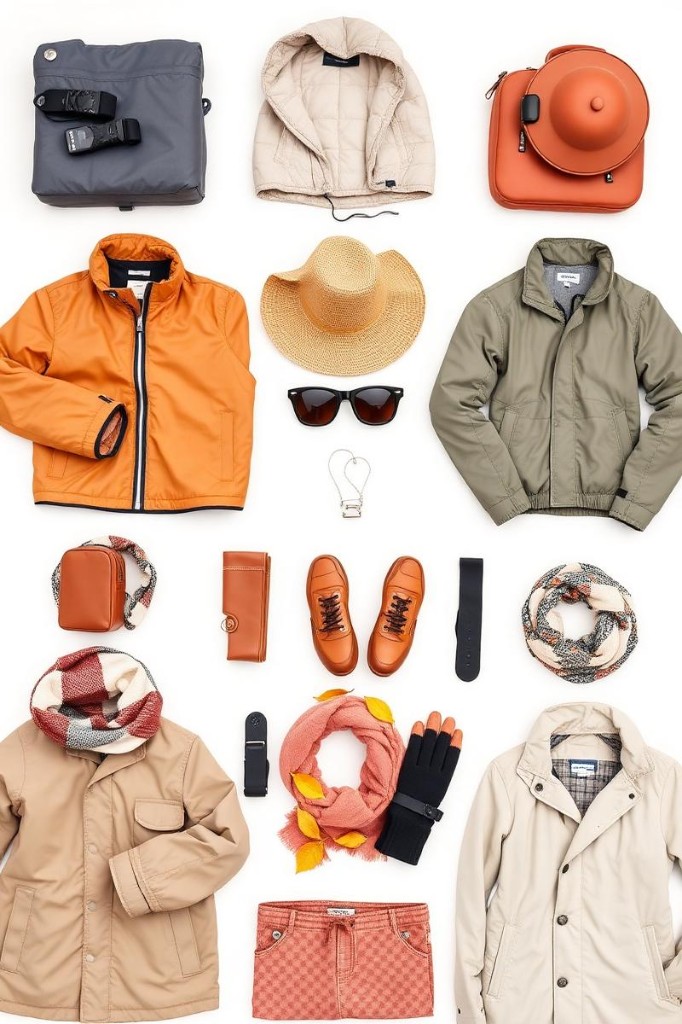
👕 Seasonal packing

Dry Season (Dec-May):

  • Light cotton clothing
  • Swimwear
  • Hat and sunglasses
  • High-protection sunscreen
  • Sandals and walking shoes

Rainy Season (Jun-Nov):

  • Breathable, quick-dry clothing
  • Light raincoat
  • Waterproof shoes
  • Dry bag for electronics
  • Compact umbrella
Travel clothing and gear by season

💰 Seasonal budget

PeriodAccommodation (€)Transport (€)Activities (€)Crowds (/5)Savings Tips
Dec-Feb50-15080-20030-1005/5Book 3 months in advance
Mar-May40-12070-18025-804/5Avoid school holidays
Jun-Aug25-8050-12020-602/5Negotiate on-site
Sep-Nov30-9055-14020-703/5Take advantage of last-minute deals

💡 Money-saving tips

  • Avoid December-February: Most expensive period; book very early or choose less touristy islands
  • Favor June-September: 40-60% savings on accommodation despite the rainy season
  • Local transport: Use jeepneys and tricycles rather than private taxis
  • Accommodation: Opt for family guesthouses and authentic homestays
  • Activities: Negotiate group tours and avoid agencies in highly touristy areas

🏥 Health and precautions

  • Vaccinations: Hepatitis A and B, typhoid, Japanese encephalitis depending on the area
  • Malaria: Preventive treatment recommended for Palawan and Mindanao
  • Sun protection: SPF 50+ mandatory, reapply frequently
  • Hydration: Drink only bottled water, avoid ice cubes
  • Rainy season: Beware of mosquitoes carrying dengue; repellent is essential
  • First aid: Complete kit with anti-diarrheal and antiseptic

Events & Festivals in the Philippines

Cultural calendar and must-see festivities in the Philippines

The Philippines vibrates to the rhythm of colorful festivals all year round, blending ancestral traditions and Hispanic influences in an explosion of color and joy.

Sinulog Festival (January)

Description: The largest festival in the Philippines held in Cebu, celebrating the Child Jesus with spectacular traditional dances, costume parades, and an incomparable festive atmosphere that attracts millions of visitors.

Location: Cebu City, Cebu Island

Highlight: Ritual dances to the rhythm of drums, dazzling costumes

Climate impact: Ideal dry season, pleasant temperatures for outdoor festivities

Ati-Atihan (January)

Description: Ancestral festival in Kalibo on Panay Island, nicknamed the 'Mardi Gras of the Philippines.' Participants paint their faces black in homage to the first Ati inhabitants, in a joyful and authentic celebration.

Location: Kalibo, Aklan (Panay)

Highlight: Oldest festival in the Philippines, public participation encouraged

Climate impact: Perfect dry period, no risk of rain to disrupt the parades

MassKara Festival (October)

Description: The festival of smiles in Bacolod celebrating Filipino resilience and optimism. Colorful masks, street dancing, and grandiose shows transform the city into a theater of joy for an entire week.

Location: Bacolod, Negros Occidental

Highlight: Mandatory smiling masks, electrifying dance competition

Climate impact: End of the rainy season, variable weather but pleasant temperatures

Seasonal events

Dry Season (Dec-May):

  • Sinulog Festival - Cebu (January)
  • Panagbenga Flower Festival - Baguio (February)
  • Moriones Festival - Marinduque (March-April)

Rainy Season (Jun-Nov):

  • Kadayawan Festival - Davao (August)
  • MassKara Festival - Bacolod (October)

Responsible Travel in the Philippines

Traveling responsibly in the Philippines means respecting the exceptional marine biodiversity, local communities, and adapting your trip to the natural cycles of this fragile archipelago.

The Philippine ecosystem, rich in coral reefs and tropical forests, requires a respectful approach. The breeding season of sea turtles, bird nesting periods, and the fragility of corals during bleaching episodes impose specific precautions depending on the season.

🌱 Low-season advantages

Traveling during the rainy season reduces tourist pressure on fragile sites, allows for better distribution of tourism income, and lowers your carbon footprint due to more affordable airfares.

♻️ Sustainable travel tips

  • Marine protection: Use only oxybenzone-free sunscreens, respect the corals
  • Water management: Limit showers, reuse towels, avoid plastic bottled water
  • Local transport: Favor jeepneys and local boats rather than domestic flights
  • Waste: Bring back your plastic waste, participate in beach cleanups
  • Wildlife: Observe dolphins and whales at a respectful distance, avoid questionable sanctuaries

🏙️ Local sustainable initiatives

The Philippines is developing community-based marine conservation projects, mangrove reforestation programs, and solar energy initiatives on remote islands. Many local cooperatives offer authentic and sustainable tourism.

Our Expert Recommendations

Expert recommendations for your trip to the Philippines

After analyzing climate data, tourist traffic, and on-the-ground conditions, we have identified the optimal periods based on your priorities. These recommendations are based on over 10 years of meteorological observation and feedback from thousands of travelers in the Philippine archipelago.

Optimal Period: December to April

Recommended Months: December, January, February, March, April

Advantages:

  • Ideal weather conditions with little rain
  • Calm sea perfect for diving and snorkeling
  • Excellent underwater visibility
  • Pleasant temperatures (24-32°C / 75-90°F)
  • All transport and activities available

Disadvantages:

  • High tourist season with significant crowds
  • Prices increased by 30-50% on accommodation

Ideal Profile: Families, travelers seeking comfort, diving enthusiasts, first-time visitors

Balanced Alternative: May and November

Alternative Months: May, November

Description: Transition periods offering an excellent compromise between acceptable weather conditions and moderate crowds.

Specific Advantages:

  • More affordable intermediate prices
  • Fewer crowds at tourist sites
  • Still favorable conditions for most activities
  • Better availability of accommodation

👥 Tips for your travel style

Family with children: December-March for safety and comfort; prioritize Bohol and Palawan. Avoid the typhoon season entirely.

Tight budget: June-September for significant savings, accept some weather constraints. Negotiate on-site.

Adventurers: May-June or October-November for exploration; variable conditions but an authentic experience.

Luxury travel: January-March for perfect conditions; book 6 months in advance in premium resorts.

Photographers: December-February for optimal light and clear skies; spectacular sunrises guaranteed.

Periods to avoid: August to October

Typhoon season with high meteorological risks, disrupted transport, and dangerous sea conditions. Reserved for very experienced and flexible travelers.

Cities to explore

Discover the must-sees of urban travel

All cities

Frequently Asked Questions

Find answers to essential questions to plan your trip to the Philippines according to climatic and seasonal conditions.

What is the best time to avoid typhoons in the Philippines?

The safest period is from December to May. Typhoons are rare from November to April, with almost zero risk between December and March. Avoid August-October, which is the peak of cyclonic activity.

Can you travel to the Philippines during the rainy season?

Yes, it is possible with precautions. June-July and November are milder than August-October. Rains are often short but intense. Focus on the Central Visayas, which are less affected by bad weather.

Which region of the Philippines has the best climate all year round?

The Central Visayas (Cebu, Bohol) enjoy the most stable climate. This region largely escapes typhoons and experiences moderate seasonal variations, with favorable conditions even during the wet season.

How much does a trip to the Philippines cost depending on the season?

Daily budget: €40-€80 / $43-$87 USD in low season (June-November) compared to €60-€150 / $65-$163 USD in high season (December-April). Savings can reach 50% on accommodation and 30% on flights by avoiding December-February.

When can you see whale sharks in Oslob and Donsol?

In Oslob (Cebu): all year round with optimal conditions from December to May. In Donsol (Luzon): from February to June only, peaking in March-May. Donsol offers a more natural and ethical experience.