When to visit Chœung Ek? Travel Guide

Plan your visit to this iconic memorial site according to the best Cambodian weather conditions.

  • 16.7 M population
  • Khmer language
  • 120 days rainy days/year
  • from November to March best time to visit
  • 1 to 2 days recommended stay

Climate and Weather in Chœung Ek

Understanding the tropical monsoon climate of Chœung Ek

Chœung Ek enjoys a tropical monsoon climate typical of Cambodia, with two distinct seasons. Located near Phnom Penh, this historical site is influenced by the proximity of the Mekong River and the surrounding alluvial plains, creating a particularly humid atmosphere.

The site is located in the humid tropical climate zone of southern Cambodia, characterized by consistently high temperatures and a marked alternation between the dry and rainy seasons, influenced by the southwest monsoons.

MonthMin Temp (°C / °F)Max Temp (°C / °F)Precipitation (mm)Sunshine (h/day)Tourist TrafficVisit Conditions
January22 / 7232 / 90108★★★★★Ideal
February23 / 7333 / 91158★★★★★Excellent
March25 / 7735 / 95407★★★★☆Very good
April26 / 7936 / 97757★★★☆☆Hot
May26 / 7935 / 951356★★☆☆☆Humid
June26 / 7934 / 931555★★☆☆☆Rainy
July26 / 7933 / 911705★★☆☆☆Very humid
August26 / 7933 / 911605★★☆☆☆Stormy
September25 / 7732 / 902205★★☆☆☆Very rainy
October25 / 7732 / 901806★★★☆☆Variable
November24 / 7531 / 88507★★★★☆Pleasant
December22 / 7231 / 88158★★★★★Perfect

The near-zero altitude of Chœung Ek (15 meters / 49 feet) and its position in the Mekong plains maintain high temperatures year-round, with little variation due to terrain but a strong influence from river humidity.

The Seasons

Sites according to weather conditions

Optimize your visit to Chœung Ek by adapting your route to weather conditions for a respectful and comfortable experience.

☔ In rainy weather

Protected and adapted visit

During tropical showers, prioritize a short but intense visit to the site.

Priority sites:
🏛️ Main memorial stupa (15-20 min, free, year-round)
🎧 Visitor center with audio guide (20-30 min, $6, partial protection)
📱 Mobile app for complementary virtual tour
🚐 Covered transport to the site

Practical advice: Book a tuk-tuk with a cover, bring an umbrella and non-slip shoes

Tip: Showers are often short, wait at the visitor center before continuing

☀️ In good weather

Full site visit

Dry conditions allow for exploring the entire memorial site with respect and serenity.

Sites to explore:
🏛️ Main stupa and its 8,000 skulls (30 min, sunrise/sunset optimal)
🕳️ Numbered mass graves (45 min, full route)
🌳 Historic Chankiri tree (10 min, strong symbolism)
📍 Explanatory panels and paths of memory (1h)
🎯 Panoramic viewpoints over the rice fields

Best time: Early morning (8am-10am) or late afternoon (4pm-6pm) to avoid the heat

Seasonal advice: December to February offer the best conditions, avoid March-April (heatwave)

🌤️ Variable conditions

Flexible visit

Adapt your route according to the day's weather evolution.

Strategy:
• Start with the main stupa (absolute priority)
• Alternate between covered and uncovered areas
• Keep the visit to the pits for lulls in the rain

Weather tip: Watch the clouds on the horizon, storms arrive quickly

Typical itinerary: Visitor center → Stupa → Main pits → Quick return if weather degrades

🕊️ Respectful visit

Tips for all weather

Adapted behavior:
• Silence and contemplation mandatory
• Respectful dress code (shoulders/knees covered)
• Discreet and appropriate photography

Preparation: Prior reading on the history of the Khmer Rouge recommended

Optimal duration: 1.5 to 2 hours for a complete and respectful visit

Practical Guide

Prepare your visit to Chœung Ek according to weather conditions for an optimal memorial experience. This historical site requires special preparation given its importance and the Cambodian tropical conditions.

👕 Seasonal packing

Dry season (Nov-Apr): • Comfortable closed-toe shoes • Hat and sunglasses • Respectful long clothing • Strong sunscreen • Water bottle
Wet season (May-Oct): • Waterproof non-slip shoes • Compact umbrella • Quick-dry clothing • Plastic bag for phone protection • Microfiber towel
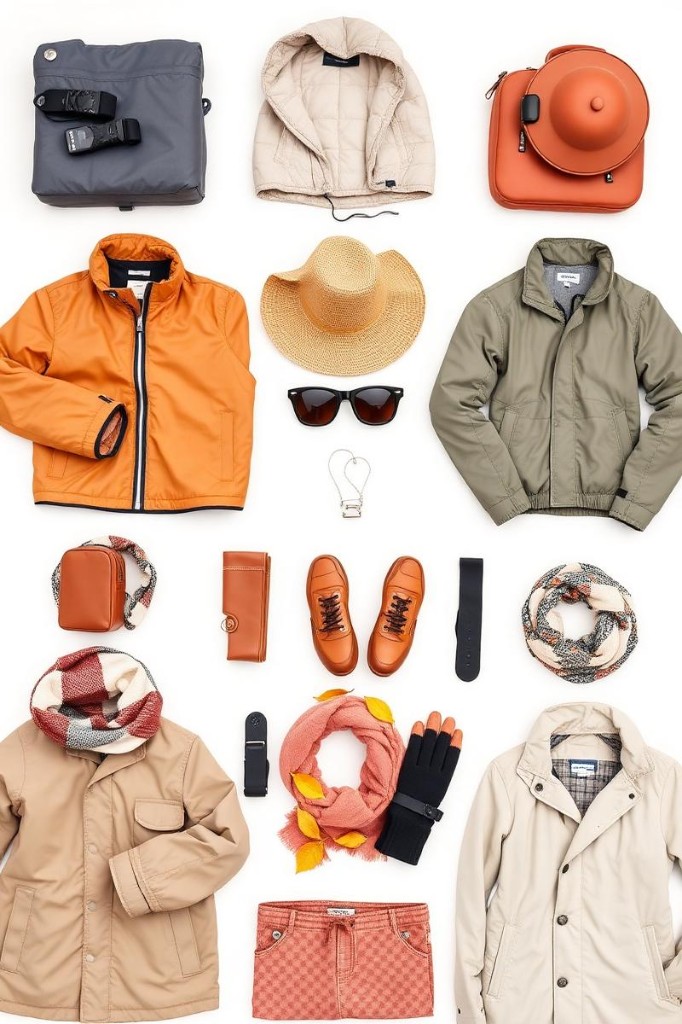
Travel clothing and gear by season

💰 Seasonal budget

PeriodEntry ($/pers)Transport ($/trip)Guide ($/group)Audio Guide ($/pers)Crowds
Dec-Feb615-2025-306★★★★★
Mar-Apr615-2025-306★★★★☆
May-Oct612-1520-256★★☆☆☆
Nov615-1825-306★★★☆☆

💡 Money-saving tips

Negotiate round-trip transport with waiting time (save 20-30%). Combine with S21 for group rates. Bring your own water (isolated site, high prices). Avoid unofficial guides. Plan a tip for the official guide ($2-3).

🏥 Health and precautions

Constant hydration is essential (heat/humidity) • Enhanced sun protection (exposed site) • Mosquito repellent for wet season • Closed-toe shoes (uneven terrain) • Basic first aid kit • Hand hygiene

Commemorations and Events

Calendar of important commemorations at Chœung Ek

Chœung Ek hosts several official commemorations that give a special dimension to the visit, reinforcing the emotion and historical importance of the site.

Day of Remembrance (May 20)

The most important official ceremony of the year, featuring wreath-laying, Buddhist prayers, and survivor testimonies. The atmosphere is particularly solemn and moving.

Location: Main Stupa and the entire site

Feature: Presence of Cambodian and international dignitaries

Impact: Site closed to tourists in the morning, high attendance in the afternoon

Access: Reinforced public transport from Phnom Penh

Advice: Accommodation booking essential, very moving visit

Pchum Ben - Ancestors' Day (September/October)

A 15-day Buddhist festival honoring the deceased, particularly significant at Chœung Ek. Cambodian families come to pray and make offerings to the victims.

Location: Entire site, concentrated at the stupa

Feature: Continuous traditional Buddhist ceremonies

Impact: Very high local attendance, intense spiritual atmosphere

Access: Traffic is difficult, allow extra time

Advice: Absolute respect for ceremonies, modest dress required

International Human Rights Day (December 10)

International commemoration with conferences, temporary exhibitions, and testimonies. Focus on education and genocide prevention.

Location: Visitor center and main site

Feature: Participation of international NGOs and students

Impact: Special programming, enhanced guided tours

Access: Normal conditions, special shuttles possible

Advice: Excellent opportunity to deepen historical understanding

Seasonal events

Dry season: • National school visits (Jan-Mar) • International delegations (Feb-Apr) • Documentary filming (Dec-Mar)
Wet season: • Local Buddhist ceremonies (Jul-Sep) • Family commemorations (May-Oct) • Fewer official events

Responsible Memorial Tourism

Visiting Chœung Ek involves a special responsibility toward the memory of the victims and respect for survivors, requiring an ethical approach to memorial tourism.

Responsible tourism at Chœung Ek goes beyond the environment: it is about respecting memory, supporting historical education, and contributing positively to the preservation of this essential memorial site for humanity.

🌱 Low-season advantages

Visiting in the wet season allows for a more intimate and respectful experience, with fewer crowds, reduced prices for local communities, and less impact on the preservation of the site.

♻️ Sustainable travel tips

Choose certified official guides to support local employment. Respect the ban on inappropriate photography. Buy souvenirs at the official center. Use public transport from Phnom Penh. Participate in donations for preservation. Educate yourself before the visit.

🏙️ Local sustainable initiatives

The site develops educational programs for young Cambodians, trains survivor guides, preserves oral testimonies, and collaborates with international universities for historical research and conservation.

Our Recommendations

Recommendations for your memorial visit to Chœung Ek

Our recommendations are based on the analysis of climatic conditions, tourist traffic, and the respect required for this memorial site. Each period offers a different experience, but some are more conducive to a serene and respectful visit to this iconic site of Cambodian history.

Optimal Period: December to February

Pros:
• Ideal climatic conditions (22-33°C / 72-91°F, dry)
• Accessible and safe paths
• Perfect visibility of monuments
• Optimal comfort for contemplation
• Easy access from Phnom Penh

Events: Human Rights Day (Dec 10), quiet period conducive to reflection

Cons: Maximum tourist traffic, high accommodation prices

Ideal Profile: First-time visitors, families, seniors, school groups

Stay duration: 1-2 days with S21 visit

Interesting Alternative: November and March

Months: November (transition) and March (end of dry season)

Description: Excellent compromise between favorable conditions and moderate traffic, especially November, which marks the end of the rains with nature still lush and green.

Specific Pros: Fewer tourists, intermediate prices, landscapes still green in November, very good conditions

For whom: Flexible travelers, average budgets, respectful photography enthusiasts

👥 Tips for your travel style

First visit: December-February, official guide mandatory, historical preparation, minimum half-day
History enthusiasts: Any season acceptable, prioritize commemorative events, full day with S21
Tight budget: May-October, negotiate transport, avoid high season, accommodation in Phnom Penh
Families: December-March, prepare children (minimum age 12 recommended), short but intense visit
Experienced travelers: All seasons, wet season for authentic experience, respect local protocols

Periods to avoid: September and April

Months: September (peak rainfall) and April (heatwave)

Reasons: September: torrential rains making access difficult and dangerous, paths impassable. April: extreme heat (36°C+ / 97°F+) making the visit strenuous

Nuances: Possible for visitors experienced in tropical climates with adapted preparation

Villes du même pays

All cities

Frequently Asked Questions

Answers to essential questions to help you prepare for a respectful visit to this Cambodian memorial site.

What is the best month to visit Chœung Ek?

December to February offers optimal conditions with a dry climate, bearable temperatures (22-33°C / 72-91°F), and accessible paths. January is particularly recommended for the balance between favorable weather and manageable crowds. Avoid September (torrential rains) and April (extreme heat). The visit is possible year-round but requires preparation adapted to the season.

How many days should I allow for Chœung Ek?

A minimum of half a day is necessary for a respectful visit, but a full day is recommended when combined with the S21 Museum in Phnom Penh. Allow 1.5 to 2 hours on-site for the full tour, plus travel time. History enthusiasts may dedicate an entire day for in-depth preparation and reflection. Respect the pace necessary for contemplation.

What to do at Chœung Ek in case of rain?

In case of tropical showers, take shelter in the visitor center and use this time for the audio guide or documentation. Rains are often short but intense. Postpone visiting the outdoor pits and focus on the main stupa, which offers partial protection. Wear non-slip shoes as paths become very slippery. Consider rescheduling if conditions are truly unfavorable.

Which events should not be missed at Chœung Ek?

The Day of Remembrance (May 20) is the most significant event with official ceremonies and testimonies. The Pchum Ben festival (September/October) offers a unique Cambodian spiritual perspective. Human Rights Day (December 10) offers enriching educational activities. These events transform the experience but require special preparation and absolute respect for protocols.

What budget should I plan for depending on the period?

Expect $30-40 per person in high season (Dec-Feb) including transport, entry ($6), audio guide ($6), and optional guide. In the wet season, costs drop to $25-30 with negotiated transport. Accommodation in Phnom Penh varies from $15 (low season) to $40 (high season) per night. Plan an additional budget for the combination with S21 and meals. Prices remain accessible year-round.