When to visit Siem Reap? City-Trip Guide

Between ancient temples and Cambodian modernity, Siem Reap reveals different faces depending on the tropical seasons.

  • 0.2 M population
  • Khmer, English language
  • 120 days rainy days/year
  • from November to March best time to visit
  • 3 to 5 days recommended stay

Climate and Weather in Siem Reap

Understanding the tropical savanna climate of Siem Reap

Siem Reap enjoys a tropical savanna climate with two distinct seasons. The proximity of Tonlé Sap Lake influences local humidity, while increasing urbanization around the Angkor temples creates a slight urban heat island effect.

MonthMin Temp (°C / °F)Max Temp (°C / °F)Precipitation (mm)Sunshine (h/day)Tourist TrafficRecommended Activities
January21°C / 70°F31°C / 88°F158★★★★★Temples, cycling, markets
February22°C / 72°F33°C / 91°F208★★★★★Intensive exploration
March24°C / 75°F35°C / 95°F407★★★★Early morning temple visits
April25°C / 77°F36°C / 97°F807★★★Museums, midday rest
May25°C / 77°F34°C / 93°F1506★★Indoor activities
June25°C / 77°F33°C / 91°F1805★★Temples between showers
July25°C / 77°F32°C / 90°F2005★★Museums, shows
August25°C / 77°F32°C / 90°F2205★★Indoor architecture
September24°C / 75°F31°C / 88°F2505Galleries, restaurants
October24°C / 75°F31°C / 88°F1806★★Lush nature
November23°C / 73°F30°C / 86°F607★★★★All sites, festivals
December21°C / 70°F30°C / 86°F258★★★★★Full exploration

The Seasons

Must-sees by Weather

Optimize your stay in Siem Reap by adapting your visits to weather conditions to fully enjoy the archaeological and cultural wonders.

☔ In overcast/rainy weather

Indoor & Sheltered

Perfect cultural refuges during tropical showers to keep a rich discovery program.

Recommended Sites:
🏛️ Angkor National Museum - 2h - 12$ - Air-conditioned
🎭 Indoor Apsara shows - 1h30 - 15-25$ - Evening
🏪 Covered Psar Chaa market - 1h - Free - Morning
🍜 Old Market food courts - Flexible - 3-8$ - All day
🎨 Wat Bo art galleries - 45min - Free - Afternoon
🛍️ Artisans d'Angkor (workshops) - 1h30 - Free - Morning
📚 Sala Bai Library - 30min - Free - Day

Practical Tip: Book Apsara shows online, avoid peak museum hours 10am-12pm

Extra Tip: Combine museum + show + covered shopping for a full rainy day

☀️ In good weather

Optimal Outdoor

Explore architectural gems in lighting conditions ideal for photography and wonder.

Recommended Sites:
🏛️ Angkor Wat sunrise - 3h - 37$ - 5:30am-8:30am
🌸 Banteay Srei pink temple - 2h - Pass included - 8am-10am
🌳 Ta Prohm and its silk-cotton trees - 1h30 - Pass included - 2pm-4pm
🏰 Bayon and its faces - 2h - Pass included - 9am-11am
🚴 Village cycling tour - 4h - 15-25$ - 7am-11am
🛶 Tonlé Sap sunset - 3h - 20$ - 3pm-6pm
🌅 Phnom Bakheng panorama - 1h - Pass included - 5pm-6:30pm

Best time of day: Sunrise 5:30am-7am and golden hour 4:30pm-6:30pm for perfect golden light

Season Tip: November-February optimal, avoid 11am-3pm in hot season

🌤️ Versatile for all weather

Flexible

Adaptable sites offering covered refuges and outdoor spaces depending on weather conditions.

Recommended Sites:
🏛️ Angkor Thom (galleries + courtyards) - 2-3h - Pass included
🏪 Psar Chaa market (covered + terraces) - 1-2h - Free
🍽️ Pub Street (covered bars + terraces) - Evening - Variable
🏨 Hotels with spa + pool - Flexible - 20-50$
🎪 City center (shops + cafes) - Day - Variable

Weather Tip: Start outdoors, retreat to covered spaces if necessary

Itinerary Example: Angkor Thom morning → covered lunch → spa afternoon → Pub Street evening

💰 Free or budget-friendly

No Cost

Free Sites:
🏛️ Wat Preah Prom Rath pagoda - Free - All day
🌳 Royal Gardens walks - Free - Sunrise/sunset
🏪 Psar Chaa market exploration - Free - 6am-6pm
🚶 French colonial quarter - Free - Morning/evening
🎭 Occasional street performances - Free - Weekend

Free Days: Some free performances during Khmer festivals (November-April)

Budget Tips: Hotel panoramic terraces, local markets, bicycle rides, free sunsets

Practical Guide

Essential tips to optimize your city trip to Siem Reap based on tropical climate variations and the specifics of this unique archaeological destination.

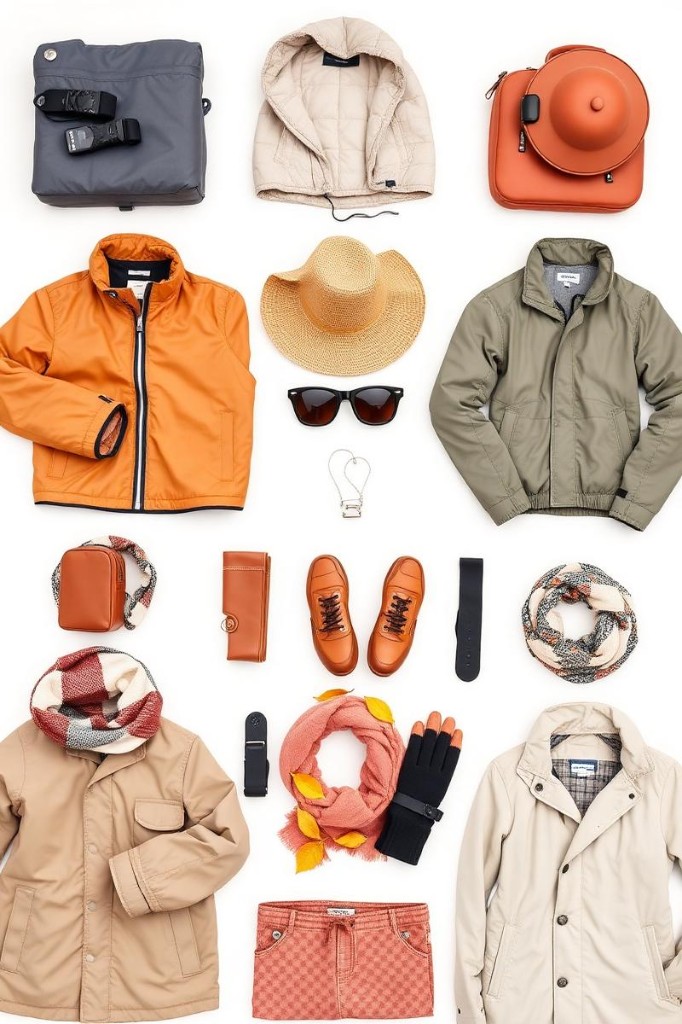
👕 Seasonal packing

Cool Dry Season (Nov-Feb): • Comfortable closed shoes for temple walking • Light jacket for evenings • Hat and sunglasses • Lightweight daypack for exploration

Hot Dry Season (Mar-May): • Breathable shoes mandatory • Lightweight long-sleeved clothing for protection • High-protection sunscreen • Reusable water bottle

Wet Season (Jun-Oct): • Waterproof non-slip shoes • Compact poncho/rain jacket • Quick-drying clothing • Plastic bag for device protection
Travel clothing and gear by season

💰 Seasonal budget

PeriodCenter Accommodation (€/night)Transport (€/day)Restaurants (€/day)Attractions (€)Traffic
Dec-Feb40-8015-2520-3540-60★★★★★
Mar-May25-5012-2015-2535-50★★★
Jun-Oct15-358-1510-2030-40★★
November35-6512-2218-3035-55★★★★

💡 Money-saving tips

Angkor Pass: 3 days (62$) is cost-effective from 2 full days onwards • Restaurants: local markets 3-5$ vs tourist areas 15-25$ • Accommodation: Wat Bo/Sala Kamreuk districts are 30% cheaper • Transport: bicycle 2$/day vs tuk-tuk 25$/day • Shows: local versions 8$ vs luxury hotels 35$

🏥 Health and precautions

Hydration: 3-4L/day in tropical climate, drink sealed bottled water • Sun Protection: SPF50+ sunscreen for temples without shade • Mosquito Repellent: DEET 30% during wet season • Pharmacy: anti-diarrheal, paracetamol, bandages • Intensive Walking: 8-12km / 5-7.5 miles per day at temples, wear adapted shoes • 24h Clinics: Royal Angkor International Hospital in city center

Urban Events

Calendar of must-see events in Siem Reap

Traditional Khmer festivals and cultural events punctuate life in Siem Reap, transforming the urban atmosphere and enriching the tourist experience.

🎊 Khmer New Year - Chaul Chnam (April 13-15)

The most important festival in Cambodia turns Siem Reap into a theater of traditional celebrations. Temples come alive with Buddhist ceremonies, families gather for ancestral rituals, and the city vibrates to the rhythm of Apsara dances and colorful processions.

Location: Angkor temples, urban pagodas, city center

Highlight: Blessings with scented water, construction of sand stupas

Climate Impact: Very hot period, maximum local crowds, bookings essential

Transport Access: Decorated tuk-tuks, heavy traffic, early departures recommended

Planning Tip: Book accommodation 2 months in advance, shows sell out quickly

🌕 Water Festival - Bon Om Touk (October-November)

A spectacular celebration marking the reversal of the Tonlé Sap river flow. Traditional regattas, fireworks, and torchlight processions illuminate Siem Reap during three days of authentic popular festivities.

Location: Siem Reap River, Tonlé Sap Lake, historic center

Highlight: Traditional boat races, floating lantern releases

Climate Impact: End of wet season, pleasant temperatures, large crowds

Transport Access: Special river shuttles, temporary piers

Planning Tip: Arrive 2 days early for optimal viewing spots, book adapted tours

🎭 Angkor Sankranta Festival (December-January)

A modern cultural fusion celebrating Khmer heritage through contemporary performances, art exhibitions, and international concerts in the magical setting of the illuminated temples.

Location: Angkor temples, Siem Reap Art Center, urban stages

Highlight: Video mapping on temples, traditional-modern music fusion

Climate Impact: Ideal dry season, night shows, international attendance

Transport Access: Dedicated festival shuttles, organized temporary parking

Planning Tip: Tickets by pre-sale only, festival passes are cost-effective

Seasonal events

Cool Dry Season: • Pchum Ben Ancestor Festival (Sept-Oct) • Food Festivals (Dec-Jan) • Expat Christmas Markets (December)

Hot Dry Season: • Visak Bochea Buddha's Birthday (May) • Music Festivals (March-April) • Songkran Celebrations (April)

Wet Season: • Royal Ploughing Ceremony (May) • Local Village Festivals (July-August) • Pchum Ben preparations (September)

Responsible City-Trip

Responsible tourism in Siem Reap preserves the exceptional heritage of Angkor while supporting local communities. Your seasonal choices directly impact tourist pressure.

Siem Reap is developing respectful ecotourism: prioritizing bicycles and walking to reduce pollution around temples, supporting local artisans rather than imported souvenirs, respecting religious dress codes, and managing plastic waste in a fragile tropical environment.

🌱 Low-season advantages

Visiting in the wet season reduces overcrowding of fragile temples, allows for authentic exchanges with locals, lowers your carbon footprint by reducing charter flights, and supports the local economy outside of peak tourist times.

♻️ Sustainable travel tips

Green Transport: bicycle temple exploration, city center walking, shared tuk-tuks • Local Food: family restaurants, producer markets, Khmer specialties • Eco-certified Accommodation: water management, solar energy, local employment • Cultural Respect: appropriate temple attire, authorized photos, direct donations to artisans • Waste: reusable water bottle, cloth market bags, hotel recycling

🏙️ Local sustainable initiatives

Siem Reap Green City: self-service electric bikes, extended pedestrian zones around temples, reforestation program, community plastic recycling, local organic markets, ecotourism guide training, preservation of traditional Khmer crafts.

Our Recommendations

Recommendations for your city trip to Siem Reap

After analyzing climate data, tourist traffic, and cultural events, our recommendations optimize your discovery of Siem Reap. The tropical climate requires precise timing to fully enjoy the Angkor temples and the urban atmosphere, while seasonal variations in price and attendance significantly influence the travel experience.

🌟 Optimal Period

Months: November to February

Advantages:
• Perfect weather conditions for temple exploration
• Angkor Wat sunrise in ideal conditions
• Comfortable temperatures all day
• Authentic traditional Khmer festivals
• Exceptional photographic visibility

Key Events: Water Festival, Angkor Sankranta, Western New Year celebrations

Disadvantages: Maximum temple crowds, high accommodation rates

Ideal Profile: First visit, families, photographers, comfort travelers

Stay Duration: 4-5 days recommended

⚖️ Interesting Alternative

Months: March and November

Description: Smart compromise between acceptable weather conditions and moderate attendance, with intermediate prices and a more authentic atmosphere than in peak tourist season.

Specific Advantages: Shorter queues at temples, negotiable prices, easier local interactions, booking flexibility

For Whom: Experienced travelers, mid-range budgets, authenticity seekers

👥 Tips for your travel style

Family: City center + Nov-Feb + short activities + pool mandatory + air-conditioned tuk-tuks

Budget: Wet season + Wat Bo guesthouses + bicycles + local markets + free shows

Culture: Dec-Jan + specialized guides + museums + Apsara shows + artisan workshops

Romantic: Nov-Dec + boutique hotels + private sunrises + terrace dinners + couple spas

Weekend: Nov-Mar + city center + main temples + Pub Street + organized tours

First Trip: Dec-Jan + comfort hotels + English-speaking guides + classic tours + comprehensive insurance

⚠️ Periods to Avoid

Months: April-May and September

Reasons: Extreme heat limiting exploration (April-May), maximum rainfall disrupting visits (September), constant uncomfortable humidity

Nuances: Acceptable for seasoned tropical climate travelers, very tight budgets, flexible stays

Villes du même pays

All cities

Frequently Asked Questions

Answers to essential questions for planning your city trip to Siem Reap based on the tropical climate and cultural specifics.

What is the best month to visit Siem Reap?

December and January offer optimal conditions: pleasant temperatures of 21-31°C / 70-88°F, minimal rainfall, and spectacular Angkor Wat sunrises. Crowds are significant but justified by perfect conditions. November is an excellent alternative with fewer crowds. Avoid April-May (extreme heat) and September (maximum rainfall).

How many days should I plan for Siem Reap?

4-5 days minimum allow you to discover the essential temples without rushing. Plan 2 days for Angkor Wat/Thom/Ta Prohm, 1 day for remote temples (Banteay Srei), 1 day for urban culture (museums, shows, markets), plus 1 day for rest/shopping. Archaeology enthusiasts will appreciate 7-10 days to explore secondary sites and floating villages.

What to do in Siem Reap when it rains?

Take refuge in the air-conditioned Angkor National Museum, attend indoor Apsara shows, explore the covered Psar Chaa market, discover the Artisans d'Angkor workshops, or enjoy hotel spas and pools. The covered galleries of Angkor Thom remain visitable. Plan flexible indoor activities during the wet season from June to October.

Which events should not be missed in Siem Reap?

Water Festival (October-November) with traditional regattas, Khmer New Year (April) for cultural authenticity despite the heat, and Angkor Sankranta (December-January) for a modern-traditional fusion. Pchum Ben (September-October) offers a unique spiritual experience. Book accommodation 2 months before these peak periods.

What budget should I plan according to the season?

High season (Dec-Feb): 80-120€/day all-inclusive. Shoulder season (Nov, Mar): 60-90€/day. Low season (Jun-Oct): 40-70€/day. Include Angkor pass 37$/day, accommodation 15-80€/night depending on standard/season, meals 10-35€/day, transport 8-25€/day. Wet season cuts prices in half but limits outdoor activities.