When to visit Cuyuni-Mazaruni? Adventure Guide

Explore this wild region of Guyana according to the rhythms of tropical nature.

  • 0.02 M population
  • English language
  • 180 days rainy days/year
  • September to November best time to visit
  • 7 to 14 days recommended stay

Tropical Climate of Cuyuni-Mazaruni

Understanding the equatorial climate of this wilderness region

Cuyuni-Mazaruni enjoys a tropical equatorial climate characterized by constant temperatures and two distinct seasons. The proximity to the equator ensures permanent warmth, while the vast tropical forests strongly influence rainfall and ambient humidity.

  • River Basins: Most humid areas with frequent morning fog
  • Interior Plateaus: Slightly drier climate, cooler nighttime temperatures
  • Dense Forest: Very humid microclimate with near-daily rainfall
MonthMin Temp. (°C / °F)Max Temp. (°C / °F)Precipitation (mm)Sunshine (h/day)Tourist TrafficRecommended Activities
January22°C / 72°F30°C / 86°F1806⭐⭐Wildlife observation
February22°C / 72°F31°C / 88°F1207⭐⭐⭐Hiking, exploration
March23°C / 73°F32°C / 90°F1407⭐⭐⭐River navigation
April23°C / 73°F32°C / 90°F2006⭐⭐Nature photography
May23°C / 73°F31°C / 88°F2805Bird watching
June22°C / 72°F30°C / 86°F3204Limited ecotourism
July22°C / 72°F30°C / 86°F3005Lodge relaxation
August22°C / 72°F31°C / 88°F2505⭐⭐Sport fishing
September23°C / 73°F32°C / 90°F1207⭐⭐⭐⭐Trekking, adventure
October23°C / 73°F32°C / 90°F1008⭐⭐⭐⭐⭐Full exploration
November23°C / 73°F31°C / 88°F1407⭐⭐⭐⭐Cultural discovery
December22°C / 72°F30°C / 86°F2006⭐⭐⭐Nature year-end

Altitude variations create distinct microclimates: river valleys remain very humid while the plateaus offer a slightly more temperate climate, particularly enjoyable for exploration activities.

The Seasons

Sites by weather conditions

Optimize your exploration of Cuyuni-Mazaruni by adapting your activities to weather conditions for an unforgettable experience.

☔ In wet weather

Protected Activities

Justification: Take advantage of covered infrastructure and indoor experiences during intense tropical downpours.

Recommended Sites:
🏛️ Bartica Mining Museum (2h, $10, year-round)
🏨 Ecotourism lodges with indoor programs (full day)
🎣 Covered fishing on equipped pontoons (half-day)
📚 Nature interpretation centers (1-2h, free)
🍽️ Local restaurants with regional specialties
🛍️ Covered craft markets of Bartica
🎯 Traditional gold panning workshops (3h, $25)

Practical Tip: Book indoor activities in advance, especially during the high wet season

Additional Tip: Combine several covered activities in the same area to optimize your travel
☀️ In dry weather

Outdoor Exploration

Weather Interest: Optimal conditions to discover natural wonders and outdoor adventure sites.

Must-see Sites:
🏔️ Mount Roraima (5-7 day trekking, guide mandatory)
🌊 Kaieteur Falls (day trip, flight + walk)
🚣 Essequibo River navigation (half-day)
🥾 Iwokrama Forest trails (2-4h walking)
⛏️ Historical gold panning sites (3h guided tour)
🦅 Natural ornithological observatories (sunrise)
🏕️ Authorized wild camping areas

Best Time: Early morning (6am-10am) and late afternoon (4pm-6pm) to avoid maximum heat

Seasonal Tip: September to November offer the most stable conditions for major expeditions

🌤️ Adaptable activities

Versatile Sites

Versatility: Experiences adjustable according to current weather conditions.

Flexible Sites:
🏛️ Amerindian Cultural Center (indoor/outdoor depending on weather)
🌿 Bartica Botanical Gardens (shelters + trails)
🚤 Short river excursions (quick return if it rains)
📸 Panoramic viewpoints with shelters
🍃 Short nature trails near lodges

Weather Tip: Always keep a Plan B indoors and check local forecasts in the morning

Example Itinerary: Nature morning outdoors, covered lunch, cultural afternoon depending on conditions

💰 Economic experiences

Accessible Discovery

Free/Economic Sites:
🏞️ Public trails of Bartica (free)
🌅 Views over the Essequibo (free)
🏛️ Amerindian village visits (free donation)
🎣 Fishing from public banks (free)
🦋 Butterfly observation in public reserves

Free Days: Some cultural sites offer free access on Sunday mornings

Budget Tips: Prioritize local guides, community campsites, and collective river transport

Practical Guide

Prepare your adventure in Cuyuni-Mazaruni with our tips tailored to demanding tropical conditions and the specificities of this remote region of Guyana. From essential equipment to seasonal budgets, optimize every aspect of your exploration trip.

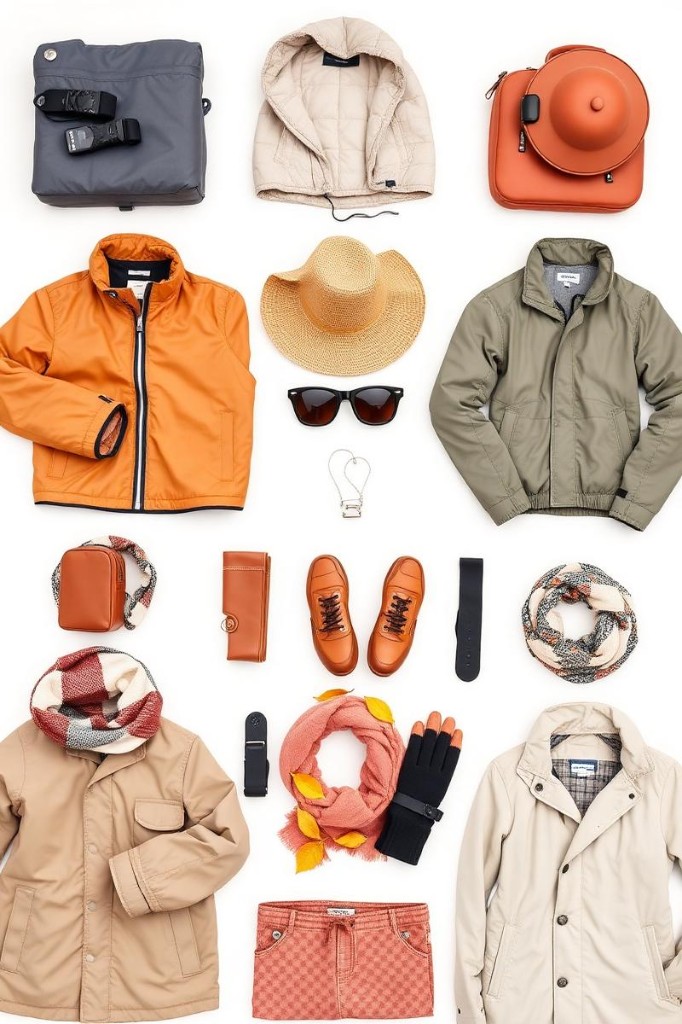
👕 Seasonal packing

Dry Season (Sept-Nov): • Waterproof hiking boots • Lightweight breathable clothing • Hat and sunglasses • Waterproof backpack • Portable mosquito net

Wet Season (May-Aug): • Poncho and full rain gear • High rubber boots • Quick-dry clothing • Reinforced mosquito protection • Waterproof bags for electronics

Year-round: • Complete first aid kit • Headlamp and spare batteries • Strong tropical repellent • High-protection sunscreen

Travel clothing and gear by season

💰 Seasonal budget

PeriodEco-Lodge ($/night)Transport ($/day)Meals ($/day)Guides/Activities ($)Traffic
Dry Season (Sept-Nov)80-12025-4030-4550-100⭐⭐⭐⭐
Dry Transition (Feb-Apr)60-9020-3525-4040-80⭐⭐⭐
Wet Season (May-Aug)40-7015-2520-3030-60⭐⭐
Wet Transition (Dec-Jan)50-8018-3025-3535-70⭐⭐⭐

💡 Money-saving tips

• Book lodges in the wet season to save 40% • Prioritize local community guides (30-50% cheaper) • Group up to share river transport costs • Buy provisions in Bartica before leaving on an expedition • Negotiate multi-activity packages with local operators

🏥 Health and precautions

Vaccinations: Yellow fever mandatory, Hepatitis A/B recommended • Malaria: Prophylaxis necessary, mosquito nets essential • Hydration: 3-4L / 0.8-1 gal of water/day, purifying tablets • Pharmacy: Anti-diarrheal, antiseptics, waterproof bandages • Emergencies: Medical evacuation via Georgetown only

Local Events

Calendar of traditional celebrations in Cuyuni-Mazaruni

Discover the authentic traditions of this preserved region through its community celebrations and unique cultural events.

🏆 Bartica Gold Festival (August)

Description: Celebration of mining heritage with traditional gold panning demonstrations, prospecting contests, and historical exhibits. Festive atmosphere in the historic heart of the gold-mining region.

Location: Bartica town center and Essequibo riverbanks

Specialty: Only festival dedicated to traditional gold panning in South America

Climate Impact: Wet season, events mostly covered, high local attendance

Transport Access: Special river shuttles from Georgetown

Planning Tip: Accommodation booking 2 months in advance is essential

🌿 Amerindian Cassava Celebration (October)

Description: Traditional festival of indigenous communities celebrating the cassava harvest with ancestral dances, traditional crafts, and authentic gastronomy. Unique cultural immersion.

Location: Amerindian villages in the region, mainly Kamarang

Specialty: Exceptional access to traditions preserved for centuries

Climate Impact: Ideal dry season, easier travel to remote villages

Transport Access: Charter flight or long-duration river navigation

Planning Tip: Special authorization required, contact with local guides mandatory

🎣 Essequibo Fishing Tournament (November)

Description: International sport fishing competition attracting enthusiasts from around the world. Friendly atmosphere with traditional and modern fishing techniques in an exceptional natural setting.

Location: Confluence of the Essequibo, Cuyuni, and Mazaruni rivers

Specialty: Greatest fish diversity in South America

Climate Impact: Optimal end of dry season, clear waters and active fish

Transport Access: Organizer boats from Bartica

Planning Tip: Prior registration mandatory, specialized equipment recommended

Seasonal events

Dry Season: • Guided community hikes (September-October) • Weekly craft markets in Bartica • Traditional storytelling evenings in lodges

Wet Season: • Amerindian rain festivals (June-July) • Indoor traditional craft workshops • Community year-end celebrations (December)

Year-round: • Amerindian spiritual ceremonies (by invitation) • Floating markets on the Essequibo (weekends)

Responsible Tourism

Explore Cuyuni-Mazaruni while respecting fragile ecosystems and the indigenous communities of this preserved region of Guyana.

This remote region is home to unique ecosystems and Amerindian communities with millennial traditions. Respectful tourism preserves exceptional biodiversity, supports the local economy, and maintains the delicate balance between development and environmental conservation.

🌱 Low-season advantages

Visiting in the wet season reduces tourist pressure on fragile sites, allows for authentic encounters with local communities, and supports the regional economy during less favorable months.

♻️ Sustainable travel tips

• Choose guides and lodges certified by local communities • Strictly respect protected areas and prohibitions • Use biodegradable products only • Carry out all your waste, no local collection system • Buy crafts directly from Amerindian producers • Limit generator use and save water

🏙️ Local sustainable initiatives

Communities are developing community-based ecotourism with traditional lodges, locally trained guides, protection of sacred Amerindian sites, participatory reforestation programs, and conservation of threatened endemic species.

Our Recommendations

Recommendations for your adventure in Cuyuni-Mazaruni

After analyzing tropical climate conditions, seasonal accessibility, and cultural specificities, here are our tips to optimize your discovery of this wild region of Guyana. The recommendations take into account weather, variable costs, limited tourist traffic, and unique opportunities for natural and cultural immersion.

🌟 Optimal Period: September to November

Advantages:
• Ideal weather conditions for all activities
• Maximum accessibility to remote sites
• Active and observable wildlife
• Navigable rivers for exploration
• Trekking trails in excellent condition

Key Events: Gold Festival, Cassava Celebration, Fishing Tournament

Disadvantages: High prices, advance booking necessary

Ideal Profile: Experienced adventurers, nature photographers, ecotourism enthusiasts

Stay Duration: 10-14 days recommended

🌤️ Interesting Alternative: February to April

Description: Transition period offering an excellent compromise between favorable weather conditions and accessible prices, ideal for a first discovery.

Specific Advantages: Moderate prices, fewer visitors, still pleasant weather, good accessibility

For whom: Adventurous families, intermediate budgets, first trips to a tropical region

👥 Tips for your travel style

Experienced Adventurers: Dry season, Mount Roraima trekking, specialized guides, remote lodges
Families: Dry transition, comfortable lodges, short activities, family guides
Limited Budget: Wet season, community lodges, collective transport, camping
Culture: October (festivals), Amerindian villages, cultural guides, local crafts
Nature/Photo: September-November, sunrise, active wildlife, waterproof equipment
First Trip: February-April, comfortable lodges, short excursions, experienced guides

⚠️ Periods to avoid: May to August

Reasons: Intense wet season, difficult access to sites, impassable trails, complicated navigation

Nuances: Acceptable for lodge stays with covered activities and wilderness nature enthusiasts

Villes du même pays

All cities

Frequently Asked Questions

Answers to essential questions for planning your tropical adventure in Cuyuni-Mazaruni.

What is the best month to visit Cuyuni-Mazaruni?

October is the optimal month, combining excellent weather conditions, maximum site accessibility, and authentic cultural events. September and November also offer excellent conditions. This dry season period ensures passable trails, active wildlife, and navigable rivers, which are essential for exploring this wilderness region.

How many days should I plan for Cuyuni-Mazaruni?

Plan for 10-14 days for a complete discovery including trekking, river navigation, and cultural immersion. 7 days is the minimum for a satisfying overview. Significant distances and sometimes complex access require time. Allow extra days in the wet season for potential weather-related delays.

What to do in Cuyuni-Mazaruni when it rains?

Take shelter in ecotourism lodges with indoor programs, visit the Bartica mining museum, participate in Amerindian craft workshops, or discover nature interpretation centers. Local restaurants offer excellent regional cuisine. Some guides offer covered activities such as traditional indoor gold panning.

Which events should not be missed in Cuyuni-Mazaruni?

The Bartica Gold Festival (August) for mining heritage, the Amerindian Cassava Celebration (October) for authentic cultural immersion, and the Essequibo Fishing Tournament (November) for a nature experience. These events offer unique perspectives on the local culture and preserved traditions of this remote region.

What budget should I plan according to the season?

In the dry season (Sept-Nov): $150-250/day all-inclusive with a comfortable lodge. In the wet season (May-Aug): $80-150/day with significant discounts. Costs include accommodation, meals, guides, and local transport. Add $500-800 for domestic flights from Georgetown and specialized equipment if necessary.