When to visit Guyana? Complete 2026 Guide

Between the Amazon rainforest and the Atlantic coast, Guyana reveals contrasting climates that completely transform the travel experience.

  • 0.8 M population
  • English language
  • 180 days rainy days/year
  • September to November best time to visit
  • 10 to 15 days recommended stay

Weather and Climate in Guyana

Understanding the equatorial tropical climate of Guyana

Guyana features three distinct climatic zones influenced by the Atlantic Ocean, the Amazon rainforest, and trade winds. These geographical variations create microclimates that directly impact your travel itinerary.

  • Atlantic Coast: The most humid zone with constant sea breezes and heavy rainfall
  • Interior Savannas: Drier climate with contrasting temperatures and marked seasons
  • Amazon Rainforest: High permanent humidity and stable temperatures year-round
MonthTemperature (°C / °F)Precipitation (mm / in)Humidity (%)Conditions
January24-30°C / 75-86°F180mm / 7.1in85Dry season
February24-31°C / 75-88°F120mm / 4.7in82Optimal
March25-32°C / 77-90°F140mm / 5.5in83Transition
April25-32°C / 77-90°F220mm / 8.7in87Humid
May25-31°C / 77-88°F280mm / 11.0in89Very rainy
June24-30°C / 75-86°F320mm / 12.6in91Wet season

Altitude variations significantly alter temperatures, particularly in the Pakaraima Mountains where nights can be cool.

The Seasons in Guyana

Climate by Region in Guyana

Guyana's geographical diversity creates distinct regional microclimates. Relief, oceanic proximity, and forest cover significantly influence local weather conditions, requiring planning adapted to each region visited.

🏖️ Coastal Region

Description: Stretching along the Atlantic Ocean, this region concentrates the majority of the population and main tourist infrastructure. The climate is moderated by sea breezes but remains very humid with frequent rainfall. Georgetown, the capital, benefits from this temperate oceanic influence.

PeriodConditionsTemperature (°C / °F)Recommended Activities
Sep-NovOptimal24-30°C / 75-86°FVisit Georgetown, beaches
Dec-FebPleasant25-31°C / 77-88°FCultural discovery
Mar-MayHumid26-32°C / 79-90°FMuseums, indoor sites
Jun-AugVery rainy24-30°C / 75-86°FIndoor activities

Specifics: Constant sea breezes, risk of tropical storms in the wet season, water temperature stable around 27°C / 81°F.

🌳 Amazon Rainforest

Description: Covering over 80% of the territory, this region features a constant equatorial climate with high permanent humidity. Seasonal variations are less marked, but access to sites becomes particularly difficult during heavy rains. It is the realm of Guyanese biodiversity.

PeriodConditionsTemperature (°C / °F)Recommended Activities
Sep-NovIdeal23-29°C / 73-84°FTrekking, wildlife observation
Dec-FebFair24-30°C / 75-86°FShort hikes
Mar-MayDifficult25-31°C / 77-88°FBase camps only
Jun-AugImpractical24-29°C / 75-84°FAvoid the region

Specifics: Constant humidity 90-95%, dense canopy filtering light, cool nighttime temperatures, muddy trails in the rainy season.

🌾 Rupununi Savannas

Description: A vast region of grasslands and savannas in the south of the country, offering a drier climate and more marked temperature variations. This zone features open landscapes contrasting with dense forest, allowing for easier observation of plains wildlife.

PeriodConditionsTemperature (°C / °F)Recommended Activities
Sep-NovPerfect20-32°C / 68-90°FSafari, horseback riding
Dec-FebExcellent22-33°C / 72-91°FBird watching
Mar-MayAcceptable24-34°C / 75-93°FMorning visits
Jun-AugFlooded23-31°C / 73-88°FLimited access

Specifics: Significant diurnal temperature range, seasonal flooding transforming landscapes, constant winds, clear skies ideal for astronomy.

⛰️ Pakaraima Mountains

Description: A mountainous region bordering Venezuela and Brazil, home to Mount Roraima and its unique geological formations. Altitude significantly alters the local climate with cooler temperatures and specific weather phenomena characteristic of high plateaus.

PeriodConditionsTemperature (°C / °F)Recommended Activities
Sep-NovOptimal15-25°C / 59-77°FRoraima climb
Dec-FebGood16-26°C / 61-79°FHigh-altitude trekking
Mar-MayVariable18-27°C / 64-81°FCautious hiking
Jun-AugFoggy14-24°C / 57-75°FReduced visibility

Specifics: Frequent fog, significant nighttime temperature drops, high-altitude winds, spectacular cloud formations, risk of hypothermia.

Practical Guide to Guyana

Traveling to Guyana requires preparation adapted to tropical conditions and regional climate variations. From technical gear for the Amazon rainforest to lightweight clothing for the savannas, each region requires a specific approach to ensure comfort and safety.

👕 Seasonal packing

Dry Season (September-November):

  • Lightweight breathable cotton clothing
  • Long mosquito-proof trousers
  • Waterproof hiking boots
  • Wide-brimmed hat
  • Light jacket for evenings

Wet Season (December-August):

  • Poncho or waterproof jacket
  • Quick-dry clothing
  • Rubber boots
  • Dry bags for equipment
  • Extra changes of clothing
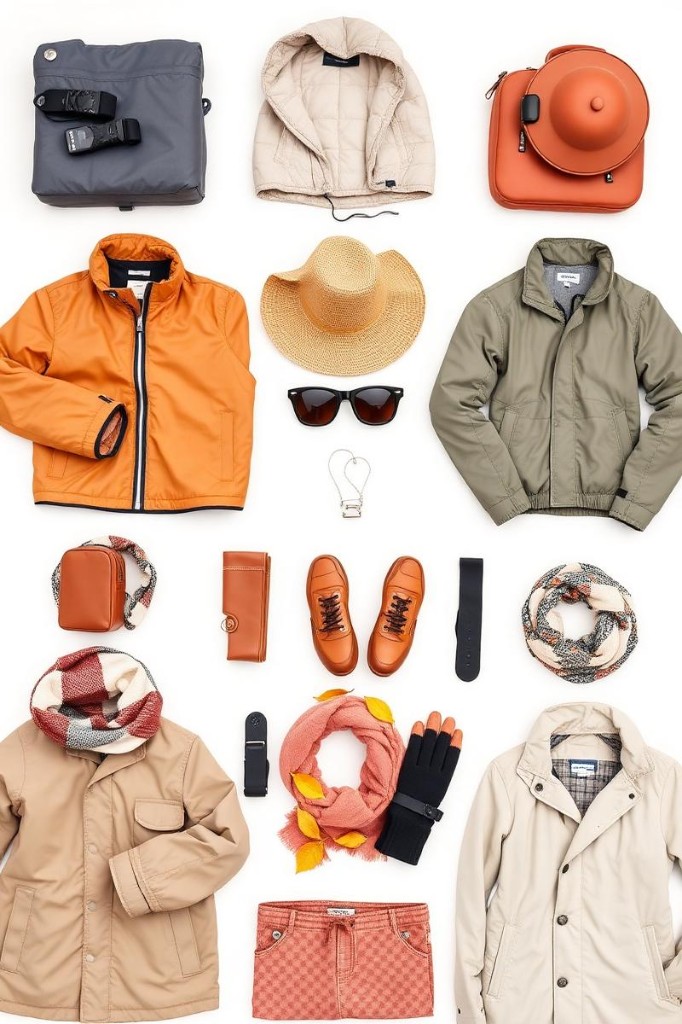
Travel clothing and gear by season

💰 Seasonal budget

PeriodAccommodation (€)Transport (€)Activities (€)Crowds (/5)Budget Tips
Sep-Nov80-150100-20060-1204/5Book 3 months in advance
Dec-Feb60-12080-16050-1003/5Negotiate group rates
Mar-May50-10070-14040-802/5Take advantage of promotions
Jun-Aug40-8060-12030-601/5Best prices of the year

💡 Money-saving tips

  • Avoid September-November to reduce costs by 40%
  • Book accommodation in the low season to benefit from preferential rates
  • Bundle activities to obtain substantial discounts
  • Prioritize local transport over domestic flights
  • Negotiate excursions directly with local guides

🏥 Health and precautions

  • Mandatory vaccinations: Yellow fever; recommended: Hepatitis A/B, Typhoid
  • Malaria: Prophylaxis necessary, mosquito nets and repellents are essential
  • Sun protection: SPF 50+ sunscreen, sunglasses, protective clothing
  • Hydration: 3-4 liters / 0.8-1.0 gallons of water per day, rehydration salts
  • Rainy season: Watch out for skin infections, keep feet dry
  • Altitude: Gradual acclimatization in the Pakaraima Mountains

Events & Festivals in Guyana

Cultural calendar and festivities not to be missed in Guyana

Guyanese celebrations reflect the country's cultural diversity and naturally adapt to seasonal rhythms, offering unique, authentic experiences.

🎭 Mashramani (February)

Description: A national carnival celebrating independence with colorful parades, traditional costumes, and calypso music in the streets of Georgetown. The country's most important cultural event brings all communities together in an extraordinary festive atmosphere.

Location: Georgetown and major cities

Highlight: A unique fusion of African, Indian, Amerindian, and European cultures

Climate Impact: Dry period, ideal for outdoor festivities

🕯️ Diwali (October-November)

Description: The Festival of Lights, celebrated by the large Indo-Guyanese community with spectacular illuminations, fireworks, and sharing of traditional dishes. This celebration transforms the country into a magical ocean of shimmering lights.

Location: Nationwide, with concentrations in Georgetown and Berbice

Highlight: One of the largest Diwali celebrations in the Caribbean

Climate Impact: Coincides with the end of the dry season, perfect conditions

🏆 Rupununi Rodeo (April)

Description: A traditional cowboy competition in the southern savannas, blending ancestral ranching techniques with community festivities. An authentic event revealing the culture of Guyanese vaqueiros in an exceptional natural setting.

Location: Lethem and the Rupununi savannas

Highlight: The only rodeo in South America in an English-speaking territory

Climate Impact: Start of the wet season, the last chance before the floods

Seasonal events

Dry Season (Sep-Nov):

  • Amerindian Heritage Month (September)
  • Diwali - Festival of Lights (October-November)
  • Independence Day (May 26)

Wet Season (Dec-Aug):

  • Mashramani - National Carnival (February)
  • Holi - Festival of Colors (March)
  • Rupununi Rodeo (April)
  • Eid al-Fitr (variable dates)

Responsible Travel in Guyana

Guyana, with its fragile ecosystems and exceptional biodiversity, requires a tourist approach that respects natural cycles and local communities to preserve this unique heritage.

Traveling responsibly in Guyana involves respecting wildlife breeding seasons, minimizing impact on fragile forest trails, and supporting the economy of Amerindian communities. Climate variations directly influence the vulnerability of ecosystems.

🌱 Low-season advantages

Traveling in the wet season reduces tourist pressure on sensitive sites, allows for better distribution of local income, and lowers the carbon footprint due to reduced infrastructure usage.

♻️ Sustainable travel tips

  • Respect marked trails to protect fragile vegetation
  • Use biodegradable products in forest areas
  • Prioritize community-led guides and accommodations
  • Avoid bird nesting periods (March-June)
  • Limit plastic use in remote areas
  • Offset carbon emissions through local projects

🏙️ Local sustainable initiatives

Guyana is developing community-based ecotourism programs with Amerindian villages, reforestation projects funded by tourism, and jaguar protection initiatives that directly involve responsible visitors.

Our Expert Recommendations

Expert recommendations for your trip to Guyana

After analyzing multi-year climate data and field experience, our recommendations prioritize the balance between optimal weather conditions, site accessibility, and the authenticity of the experience. Guyana reveals its most beautiful secrets to travelers who respect its natural rhythms.

🏆 Optimal Period: September to November

Recommended months: September, October, November

Advantages:

  • Ideal weather conditions with reduced humidity
  • Easier access to all natural sites
  • Excellent visibility for wildlife observation
  • Passable trails in the Amazon rainforest
  • Nature photography in optimal conditions

Disadvantages:

  • High tourist season with maximum crowds
  • Accommodation and activity prices at their peak

Ideal profile: First-time travelers, families with children, photographers, serious hikers

⚖️ Balanced Alternative: February to March

Alternative months: February, March

Description: An intelligent compromise between acceptable conditions and moderate prices, with the advantage of coinciding with local cultural festivities.

Specific advantages:

  • Participation in authentic celebrations (Mashramani)
  • Attractive intermediate rates
  • Fewer crowds at natural sites
  • Lush vegetation after the first rains

Ideal profile: Cultural travelers, budget-conscious adventurers

👥 Tips for your travel style

👨‍👩‍👧‍👦 Family: Prioritize September-October for optimal conditions with children. Avoid the wet season.

💰 Budget: March-May to save 30-40% on accommodation. Negotiate packages in the low season.

🎒 Adventure: February-March for a balance of accessibility and authenticity. Bring rain gear.

✨ Luxury: October-November for a premium experience in ideal conditions.

📸 Photographer: September-October for optimal light and maximum wildlife visibility.

❌ Periods to avoid: June to August

Intense rainy season making access to remote sites difficult or impossible. Extreme humidity and insect proliferation.

Cities to explore

Discover the must-sees of urban travel

All cities

Frequently Asked Questions

Find answers to essential questions to plan your trip to Guyana according to optimal weather conditions.

What is the best time to observe wildlife in Guyana?

The optimal period is from September to November, during the dry season. Reduced humidity and less dense vegetation make it easier to observe animals gathering near water sources. Birds are particularly active and visible, while mammals emerge more easily from the dense forest.

Can you visit Mount Roraima all year round?

While technically possible year-round, climbing Mount Roraima is strongly recommended between September and November. In the wet season, trails become extremely slippery, visibility is reduced by clouds, and weather risks increase significantly at altitude.

How can I protect myself from mosquitoes during the wet season?

Use repellents containing at least 30% DEET, wear long-sleeved treated clothing, sleep under a mosquito net, and avoid being outdoors at dusk. Fans in accommodations are very effective. Also, consider an antimalarial treatment prescribed by a doctor.

Are the roads passable during the rainy season?

Main roads generally remain passable, but access to remote sites becomes difficult or even impossible. Forest tracks and paths to Amerindian communities can be cut off. It is essential to check local conditions and plan alternative routes.

What budget should I plan for based on the travel season?

Expect €150-€250/day in high season (September-November) versus €80-€150/day in low season (June-August). The main difference is in accommodation and activities. International flights also vary by 30-40% depending on the period, with the best rates from March to May.