When to visit El Chaltén? Trekking Guide

As the Argentine capital of trekking, El Chaltén reveals its splendors according to the whims of the Patagonian climate.

  • 1,500 inhabitants population
  • Spanish language
  • 120 days rainy days/year
  • December to March best time to visit
  • 4 to 7 days recommended stay

Patagonian Climate of El Chaltén

Understanding the extreme mountain climate of El Chaltén

El Chaltén features a cold continental Patagonian climate marked by intense winds, rapid weather shifts, and strong Andean influence. The altitude and proximity to glaciers create unpredictable weather conditions, which are essential to consider for any trekking trip.

  • El Chaltén Valley: The most protected area with variable microclimates
  • High Mountain: Extreme conditions with violent winds and temperature drops
  • Glacial Zone: Polar climate with constant sub-zero temperatures
MonthMin Temp (°C / °F)Max Temp (°C / °F)Precipitation (mm)Sunshine (h/day)Tourist TrafficRecommended Activities
January8°C / 46°F22°C / 72°F458★★★★★Trekking, climbing
February7°C / 45°F21°C / 70°F407★★★★★Long hikes
March4°C / 39°F18°C / 64°F556★★★★☆Autumn trekking
April1°C / 34°F13°C / 55°F655★★☆☆☆Short hikes
May-2°C / 28°F8°C / 46°F704★☆☆☆☆Winter preparation
June-5°C / 23°F5°C / 41°F803★☆☆☆☆Winter rest
July-6°C / 21°F4°C / 39°F853★☆☆☆☆Indoor activities
August-4°C / 25°F7°C / 45°F754★☆☆☆☆Season preparation
September-1°C / 30°F11°C / 52°F605★★☆☆☆First outings
October2°C / 36°F15°C / 59°F506★★★☆☆Spring trekking
November5°C / 41°F18°C / 64°F457★★★★☆Early high season
December7°C / 45°F20°C / 68°F408★★★★★Optimal trekking

Altitude variations create distinct microclimates. In the valley (400m / 1,312ft), temperatures remain milder, while at higher altitudes, conditions quickly become extreme with winds exceeding 100 km/h (62 mph) and sudden temperature drops.

The Seasons

Activities by weather

El Chaltén offers experiences adapted to every weather condition, from legendary treks to indoor retreat activities.

☔ In bad weather

🏠 Protected activities

Essential refuges when Patagonia shows its teeth and winds make any outing dangerous.

Indoor locations:
🏛️ Interpretation Center (2h, free, all year)
📚 Agostini Library (1h, free, Oct-April)
🍺 Local breweries (3h, 15€, all year)
🛍️ Outdoor gear shops (1h, variable, Oct-April)
☕ Cafes with Wi-Fi (unlimited, 5€/day, Oct-April)

Practical tip: Always have a plan B; weather changes in 30 minutes

Tip: Use stormy days to plan future treks
☀️ In good weather

⛰️ Legendary treks

Optimal conditions to tackle the legendary trails that have made El Chaltén world-famous.

Major treks:
🏔️ Laguna de los Tres (8h, free, view of Fitz Roy)
⛰️ Cerro Torre (6h, free, view of glacier)
🌊 Laguna Torre (3h, free, icebergs)
🦅 Loma del Pliegue Tumbado (5h, free, 360° panorama)
🏔️ Piedra del Fraile (2 days, camping 10€)

Best time: Depart at 6 AM to avoid afternoon winds

Season tip: December-February for optimal conditions

🌤️ Variable weather

🔄 Flexible activities

Adaptable options depending on the rapid evolution of Patagonian weather conditions.

Modular activities:
🚶 Chorillo del Salto trail (1h, turnaround possible)
🌲 Mirador Los Cóndores (2h, shelter available)
🏘️ Village tour (30min, shops as refuge)

Weather tip: Bring full gear, quick return possible

Modular example: Start for Laguna Torre, return if conditions degrade

💰 Free activities

🆓 Budget-friendly

Authentic experiences without spending, as El Chaltén offers exceptional free access to nature.

Free:
🥾 All trekking trails
📸 Viewpoints and lookouts
🌅 Fitz Roy sunrise/sunset
🏛️ Interpretation Center
🌊 Access to Las Vueltas River

Savings: Municipal camping (8€/night), shared kitchens

Budget tip: Provisions in El Calafate are cheaper

Practical Guide

El Chaltén requires meticulous preparation due to the extreme and unpredictable weather conditions of Patagonia. Proper equipment and flexible planning are essential to fully enjoy this legendary world trekking destination.

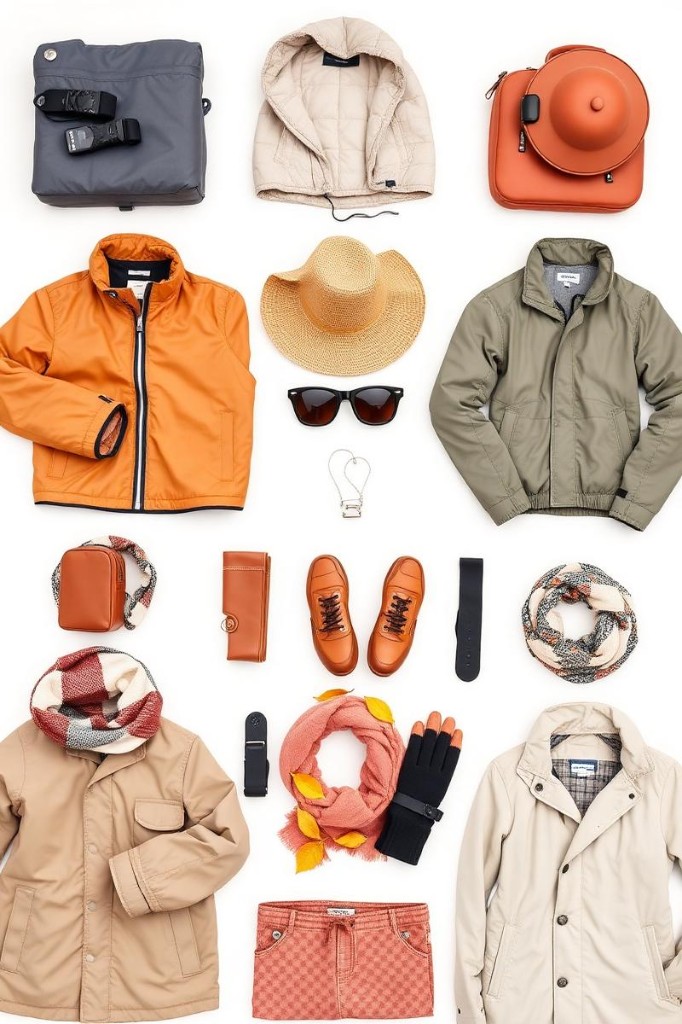
👕 Seasonal packing

Summer (Dec-Mar): • Waterproof trekking boots • Windbreaker jacket (mandatory) • Layering system • High-mountain sunglasses • SPF 50+ sunscreen

Autumn (Apr-May): • Light winter gear • Beanies and gloves • Thermal clothing • Waterproof gaiters

Winter (Jun-Sep): • Extreme cold gear • Crampon-compatible boots • Technical clothing • Extreme wind protection

Spring (Oct-Nov): • Transitional gear • Enhanced rain protection • Modular clothing depending on weather
Travel clothing and gear by season

💰 Seasonal budget

PeriodAccommodation (€/night)Dining (€/day)Local Transport (€/day)Equipment (€)Traffic
High season (Dec-Feb)80-15040-6015-25200-500★★★★★
Shoulder season (Oct-Nov, Mar)50-10025-4010-20150-300★★★☆☆
Low season (Apr-Sep)30-6015-255-15100-200★☆☆☆☆

💡 Money-saving tips

Early booking is mandatory in high season to avoid high prices • Buy provisions in El Calafate as they are 30% cheaper than in El Chaltén • Municipal campsite is an economical option with facilities • Shared kitchens in hostels to reduce dining costs • Rent equipment locally rather than buying if for occasional use

🏥 Health and precautions

Moderate altitude but acclimatization is recommended • Extreme UV protection due to snow and ice reflection • Constant hydration due to dry Patagonian air • First aid kit mandatory for treks • Repatriation insurance essential for remote areas • Basic medical center only available during the season

Mountain Events

Calendar of outdoor events in El Chaltén

El Chaltén pulses to the rhythm of outdoor events that celebrate mountain culture and the Patagonian spirit of adventure.

🏔️ Mountain Festival (February)

Major celebration of mountain culture featuring film screenings, lectures by legendary mountaineers, and a unique festive atmosphere in the streets of El Chaltén.

Location: Cultural center and main streets

Specialty: Meetings with world-renowned mountaineers

Impact: Maximum attendance, reservations required 6 months in advance

Access: Special shuttles from El Calafate

Tip: Accommodation fills up; camping is a viable alternative

🎿 National Trekking Fiesta (March)

National tribute to Argentine trekking with competitions, technical workshops, and outdoor equipment demonstrations in a friendly atmosphere.

Location: Base of the main trails

Specialty: Participation by local guides and international brands

Impact: Exceptional entertainment at the end of the high season

Access: Trails transformed into event zones

Tip: Last chance to enjoy the full season

📸 Patagonia Photo Contest (January)

International photography competition celebrating the wild beauty of Patagonia with open-air exhibitions and technical workshops.

Location: Temporary galleries and outdoor spaces

Specialty: Jury of recognized nature photographers

Impact: Increased appeal for amateur photographers

Access: Free exhibitions in the city center

Tip: Inspiration guaranteed for your own shots

Seasonal events

Summer (Dec-Mar): • Weekly community barbecues • Outdoor acoustic concerts (weekends) • Artisan markets (daily in high season)

Autumn (Apr-May): • End of season celebration (April) • Mountain survival workshops (May)

Winter (Jun-Sep): • Local storyteller nights (rare) • Mountain cinema evenings (occasional)

Spring (Oct-Nov): • Official season opening (October) • Beginner guide training (November)

Responsible Trekking

El Chaltén, a fragile jewel of Patagonia, requires a respectful approach to preserve its unique ecosystem against growing tourism.

Responsible tourism in El Chaltén involves strict adherence to marked trails, rigorous waste management in the mountains, use of official refuges, and supporting certified local guides rather than international operators.

🌱 Low-season advantages

Visiting in low season drastically reduces the impact on fragile ecosystems, allows for a more authentic experience with local communities, and contributes to economic distribution beneficial to permanent residents.

♻️ Sustainable travel tips

Leave No Trace is the absolute principle in the mountains • Certified local guides are a priority over external agencies • Official refuges rather than wild camping • Shared transport from El Calafate • Local provisions support the regional economy • Respect wildlife by maintaining mandatory observation distances

🏙️ Local sustainable initiatives

El Chaltén is developing sustainable initiatives: reinforced trails to limit erosion, a reservation system to limit overcrowding, training for local guides in ecological practices, and visitor awareness programs regarding fragile Patagonian ecosystems.

Our Recommendations

Recommendations for your adventure in El Chaltén

After analyzing extreme weather conditions, tourist traffic, and Patagonian specifics, our recommendations prioritize the balance between favorable weather, trail accessibility, and an authentic experience. The optimal window remains short but intense, requiring rigorous planning and constant flexibility in the face of meteorological whims.

🌟 Optimal period: December - February

Recommended months: December, January, February

Advantages:
• Most stable weather conditions
• All trails accessible
• Full services open
• Long days (17 hours of light)
• Electrifying international atmosphere

Key events: Mountain Festival, Patagonia Photo Contest

Disadvantages: Maximum crowds, high prices

Ideal profile: Experienced trekkers, mountain enthusiasts, photographers

Stay duration: 5-7 days minimum

⚖️ Balanced alternative: March - November

Alternative months: March, November

Description: Smart compromise between acceptable conditions and reduced crowds, with spectacular autumn colors in March or spring excitement in November.

Specific advantages: Affordable prices, fewer crowds, exceptional photographic light

For whom: Flexible travelers, tight budgets, landscape photographers

👥 Tips for your travel style

Family: March/November + short trails + comfortable accommodation + village activities

Budget: November/March + municipal camping + shared kitchen + provisions from El Calafate

Adventure: December-February + long treks + camping + technical gear

Photography: January-March + sunrise/sunset + variable conditions + protective gear

First trip: December-January + local guides + marked trails + central accommodation

❌ Periods to avoid: June - August

Months not recommended: June, July, August

Reasons: Extreme weather conditions, inaccessible trails, most services closed, very short days

Nuances: Acceptable for very experienced adventurers seeking absolute solitude

Villes du même pays

All cities

Frequently Asked Questions

Essential answers to plan your Patagonian adventure in the best climatic and logistical conditions.

What is the best month to visit El Chaltén?

January offers the best compromise with optimal weather conditions, all services open, and a unique international atmosphere. December and February are also excellent. March is an interesting alternative with fewer crowds and spectacular autumn colors, though some services begin to close.

How many days should I plan for El Chaltén?

A minimum of 4-5 days is needed for essential treks (Laguna de los Tres, Cerro Torre). The ideal is 7-10 days to include long treks, allow for weather-related rest days, and enjoy the village atmosphere. Experienced trekkers may stay for 2 weeks to explore all trails and camp independently.

What to do in El Chaltén during bad weather?

Indoor options include the free Interpretation Center, local breweries for the atmosphere, outdoor gear shops, and cafes with Wi-Fi. It is also the perfect time to plan upcoming treks, meet other travelers, and rest. Stormy days are part of the authentic Patagonian experience.

Which events should not be missed in El Chaltén?

The Mountain Festival in February is the major event featuring legendary mountaineers. The National Trekking Fiesta in March closes the season in style. The Patagonia Photo Contest in January attracts image enthusiasts. Weekly community barbecues create a unique, friendly atmosphere among trekkers from all over the world.

What budget should I plan according to the season?

In high season (Dec-Feb): 150-250€/day all-inclusive. In shoulder season (Mar, Nov): 100-180€/day. In low season: 60-120€/day but with limited services. Accommodation accounts for 40% of the budget, dining 30%. The municipal campsite (8€/night) and shared kitchens drastically reduce costs.