When to visit Salta? City-Trip Guide

Between the bright dry season and the intense Argentine summer, Salta reveals itself differently in every season under the Andes.

  • 0.65 M population
  • Spanish language
  • 68 days rainy days/year
  • April to October best time to visit
  • 3 to 6 days recommended stay

Weather and climate trends in Salta

Understanding Salta's subtropical mountain climate

Salta enjoys a subtropical highland climate, tempered by its altitude of 1,187 meters / 3,894 feet. The nearby Andes protect the city from cold Pacific winds and create a foehn effect that accentuates winter dryness. Generous sunshine and relatively cool nights, even in summer, make Salta a pleasant destination almost all year round.

  • Historic City Center: Warmer urban microclimate, protected from Andean winds
  • Mountainous Outskirts: Cooler temperatures, increased precipitation
  • Surrounding Valleys: Drier and sunnier climate, ideal for excursions
MonthMin °C / °FMax °C / °FPrecip. mm / inSunshine h/dayTourist TrafficRecommended Activities
January15°C / 59°F27°C / 81°F150mm / 5.9in5★★★☆☆Museums, culture, covered markets
February15°C / 59°F27°C / 81°F130mm / 5.1in5★★★☆☆Carnival, local gastronomy
March13°C / 55°F25°C / 77°F95mm / 3.7in6★★☆☆☆Excursions, Cafayate vineyards
April9°C / 48°F22°C / 72°F30mm / 1.2in7★★★☆☆Hiking, Quebrada, colonial sites
May5°C / 41°F19°C / 66°F10mm / 0.4in7★★☆☆☆Urban walks, photography
June2°C / 36°F17°C / 63°F5mm / 0.2in7★★★★☆Winter festivals, handicrafts
July2°C / 36°F17°C / 63°F5mm / 0.2in8★★★★★Argentine winter tourism, peñas
August4°C / 39°F20°C / 68°F5mm / 0.2in8★★★★☆Salinas Grandes excursions, trekking
September7°C / 45°F24°C / 75°F15mm / 0.6in8★★★☆☆Spring, parks, spring festival
October10°C / 50°F26°C / 79°F40mm / 1.6in8★★★☆☆Hiking, blooming vineyards
November13°C / 55°F27°C / 81°F80mm / 3.1in7★★☆☆☆Urban discovery, lively markets
December15°C / 59°F28°C / 82°F125mm / 4.9in6★★☆☆☆Holiday celebrations, gastronomy

The altitude of 1,187m / 3,894ft creates significant temperature variations between day and night. The city center retains heat better due to the urban effect, while peripheral neighborhoods experience more pronounced fluctuations.

Seasons in Salta

Salta Attractions by Weather

Whether the sky is blue or overcast, Salta is full of treasures to explore. Colonial museums, colorful markets, and grand natural sites adapt to all weather conditions for a memorable stay.

☔ In overcast or rainy weather

Indoor & Sheltered in Salta

Salteña summer showers are intense but brief. Take advantage of them to explore the cultural treasures the city houses under its colonial vaults and in its fascinating museums.

  • 🏛️ MAAM – Museum of High Altitude Archaeology: 1h30 minimum — ~600 ARS — open year-round (booking recommended in July)
  • Cathedral Basilica of Salta: 45 min — free entry — magnificent interior lighting even in bad weather
  • 🏛️ Museo Histórico del Norte (Cabildo): 1h — ~400 ARS — colonial and fascinating
  • 🛍️ Mercado Municipal San Miguel: 1h-2h — free entry — local gastronomy under the arcades
  • 🎨 Museo de Arte Contemporáneo de Salta (MACS): 1h — ~300 ARS — Andean and modern collections
  • 🍷 Bodega El Tribuno (visit): 2h — tasting fee ~800 ARS — ideal for a rainy afternoon

Practical Tip: Book your visit to the MAAM online, especially in July. Queues can exceed 45 minutes.

Trick: The Cabildo and Cathedral can be visited in succession on Plaza 9 de Julio for an efficient cultural morning.

☀️ In good weather

Optimal Outdoors in Salta

With nearly 280 days of sunshine per year, Salta fully reveals itself under a clear sky. Natural sites around the city and panoramas from the hills are worth every step.

  • ⛰️ Cerro San Bernardo: 2h — access on foot (1,070-step staircase) or cable car (~1,200 ARS) — stunning panoramic view of the city
  • 🌄 Quebrada de Humahuaca: full day — ~3,000 ARS (guided tour) — UNESCO site, 2h from Salta
  • 🏜️ Salinas Grandes: day trip — organized excursion from Salta — seasonal spectacle not to be missed from April to October
  • 🍇 Cafayate Wine Route: day trip — car rental or guided tour — breathtaking red canyon landscapes
  • 🌿 Parque San Martín: 1h — free entry — ideal early in the morning to observe local birds
  • 🌅 Teleférico de Salta: 1h — ~1,200 ARS — golden hour at sunset from the summit

Best time: Sunrise and sunset from Cerro San Bernardo are absolute photographic moments, especially in the dry season (May to October).

Seasonal Tip: Avoid outdoor excursions in January–February between 2 PM and 5 PM due to afternoon thunderstorms.

🌤️ Versatile for any weather

Flexible sites for all weather

Some places in Salta intelligently combine indoor and outdoor spaces, offering an adaptable experience regardless of the day's weather.

  • 🏛️ Plaza 9 de Julio & surrounding arcades: heart of the city, perfect for observing local life under the galleries in case of rain, or in the sun on the benches
  • 🎭 Balcarce – peña district: crafts, gastronomy, and folklore in semi-open establishments — guaranteed atmosphere in the evening regardless of the weather
  • 🛒 Paseo de los Artesanos: covered and semi-open craft market — ideal for cultural shopping at any time

Weather Trick: If the sky clouds over in the middle of the day, retreat to Mercado San Miguel for lunch, then continue to the plaza museums before the showers stop.

Example itinerary: Morning Plaza 9 de Julio + Cabildo → Lunch Mercado San Miguel → Afternoon MAAM or Cerro San Bernardo depending on weather → Evening Balcarce.

💰 Free or economical

No cost in Salta

  • Cathedral Basilica of Salta: free entry all year round — 18th-century baroque jewel
  • 🌿 Parque San Martín: free walk, perfect in the morning
  • 🎶 Shows on Plaza 9 de Julio: free entertainment especially in July and during national holidays
  • 🏘️ San Bernardo District (lower): colonial architectural walk with no entry fee

Free days: The MAAM offers reduced or free entry on certain national holidays — check the program upon arrival.

Budget tips: Natural viewpoints of Cerro San Bernardo (staircase side), neighborhood markets, and popular peñas offer authentic immersion at almost zero cost.

Practical Guide

In Salta, the weather largely dictates the pace of your stay. In the dry season, days are long and bright, ideal for multiple excursions. In summer, it is better to plan outdoor visits in the morning and reserve afternoons for museums or restaurants. The city is compact and very walkable, but altitude variations during excursions require good physical condition and regular hydration.

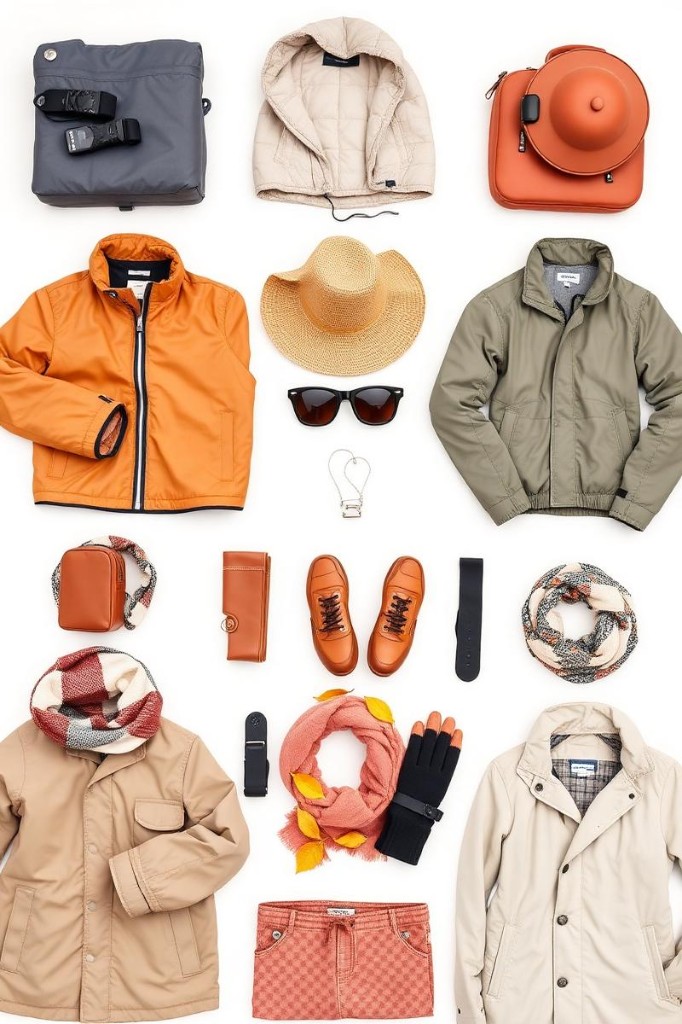
👕 Seasonal packing

Summer (Dec–Feb): Light t-shirts, breathable clothing, light raincoat or compact poncho mandatory for showers, good waterproof walking shoes, high-SPF sunscreen.

Autumn (Mar–May): Layerable clothing (sweater + light jacket), long pants for cool evenings, comfortable shoes for colonial cobblestones.

Winter (Jun–Aug): Warm jacket (nights drop to 2°C / 36°F), hat and gloves for high-altitude excursions, closed shoes, shawl or fleece for peña evenings.

Spring (Sep–Nov): Versatile outfits, mid-season jacket, sunglasses, sun protection — high-altitude UV rays are very intense even under a cloudy sky.

Travel clothing and gear by season

💰 Seasonal budget

PeriodCity Center Hotel (€/night)Transport (€/day)Restaurants (€/day)Attractions (€)Crowds
July (peak)80–13010–1530–5020–35★★★★★
Jan.–Feb. (summer)55–908–1225–4015–25★★★☆☆
Apr.–May (autumn)45–707–1020–3512–20★★☆☆☆
June (early winter)60–958–1225–4015–25★★★★☆
Sep.–Oct. (spring)50–808–1022–3812–22★★★☆☆
Nov.–Dec.45–707–1020–3512–20★★☆☆☆

💡 Money-saving tips

  • 💳 The Salta City Pass bundles access to the cable car, MAAM, and several museums at a reduced rate — cost-effective from 2 days of visiting.
  • 🍽️ Lunching in the Mercado San Miguel restaurants costs 2 to 3 times less than the tourist tables on Balcarce — and the quality is often superior.
  • 🚌 Urban buses (SAETA) are very inexpensive and efficiently connect the center to residential areas — avoid taxis for short distances.
  • 🏨 Accommodations 2-3 blocks from the main plaza have rates 20 to 30% lower than those on the square front, without sacrificing location.
  • 🎟️ Watch for free events in Plaza 9 de Julio, especially numerous in July and during Argentine national holidays.

🏥 Health and precautions

  • ☀️ High-altitude UV: At 1,187m / 3,894ft, UV radiation is significantly more intense than at sea level — SPF 50 sunscreen is essential even in winter.
  • 💧 Hydration: The dry air of the winter season dehydrates quickly — drink at least 2 liters / 0.5 gallons of water per day, especially during high-altitude excursions.
  • 🏔️ Altitude during excursions: The Quebrada de Humahuaca and Salinas Grandes exceed 3,000–4,000m / 9,842–13,123ft — acclimatize for 24 hours in Salta before ascending.
  • 🌧️ Summer thunderstorms: In summer, storms can be violent — stay sheltered and avoid flood-prone areas on the outskirts.
  • 💊 24h Pharmacies: Several on-call pharmacies operate in the city center, notably on Avenida España.

Events in Salta

Calendar of must-see events in Salta

Salta is a deeply festive city, where cultural and folk events punctuate the year and transform the urban atmosphere, significantly influencing crowds and prices.

🎭 Salta Carnival — January to February

The Salteño carnival is one of the most authentic in northwestern Argentina. Performers parade through the streets of the center in flamboyant Andean and Creole costumes to the sound of charangos and bombos. The atmosphere is electric, blending pre-Hispanic traditions and Creole influences in a unique, colorful spectacle.

Location: Avenida Belgrano and historic center streets

Note: Neighborhood parades (corsos) are often more authentic than the main parade

Impact: High local attendance, book accommodations 2–3 months in advance

Access: Walking distance from the city center, no special transport needed

Tip: Book your accommodation the previous autumn for the best carnival weeks.

🎶 National Folklore Festival and Winter Peñas — July

July is the peak of Salteña festive life. With the Argentine winter holidays, the city welcomes a massive influx of domestic visitors coming to experience the unique folk atmosphere of the north. The peñas in the Balcarce neighborhood schedule zamba and chacarera artists every night, and traditional music festivals punctuate the entire month.

Location: Balcarce, Plaza 9 de Julio, city performance venues

Note: The atmosphere is spontaneous and participatory — locals dance with visitors

Impact: Absolute high season — hotels full, prices at their peak

Access: Everything is within a 10-minute walk of the center

Tip: Book accommodation and restaurants 3 to 4 months in advance for July.

🌸 Spring Festival — September

The return of spring is celebrated with enthusiasm in Salta. Cultural events, craft exhibitions, and entertainment in public squares mark the city's awakening after winter. The atmosphere is gentle and joyful, without the frenzy of July — an excellent opportunity to discover Salta through the eyes and hearts of the locals.

Location: Parque San Martín, Plaza 9 de Julio, and public gardens

Note: The exhibitions of Andean flowers and plants are spectacular

Impact: Moderate crowds, reasonable prices, authentic atmosphere

Access: Easily accessible on foot from the center

Tip: Ideal for travelers wanting the festive experience without the July crowds.

Seasonal events

Summer (Dec–Feb):

• Salta Carnival (Jan–Feb — city center — parades and folk corsos)
• Serenata a Cafayate (Feb — Cafayate, 3h from Salta — open-air music festival under the stars)
• Christmas Craft Market (Dec — Paseo de los Artesanos — Andean and Creole crafts)

Autumn (Mar–May):

• Vendimia de Cafayate (Mar–Apr — Cafayate vineyards — harvest festival and tastings)
• Feast of the Virgen del Milagro (Sept 15, preparations begin in autumn — major popular veneration)
• Artisans' Fair (May — permanent but reinforced in autumn)

Winter (Jun–Aug):

• Winter Peñas (July — Balcarce — every night, maximum folk atmosphere)
• National Folklore Festival (July — open-air stages and venues — zamba and chacarera)
• July Week (July 9 — Argentine National Day, parades and official ceremonies)

Spring (Sep–Nov):

• Spring Festival (September — parks and squares — flowers and music)
• Virgen del Milagro (Sept 15 — major procession throughout the city center — Salta's most important religious and popular festival)
• Jazz and World Music Festival (October — cultural venues)

Responsible travel in Salta

Visiting Salta responsibly means choosing your period with discernment: avoiding the saturation of July, favoring circuits that value local Andean communities, and reducing your footprint in a natural territory of exceptional fragility.

Salta is a city with living heritage: its indigenous communities, artisans, and musical traditions deserve a respectful approach. Prefer buying handicrafts directly from producers at the Paseo de los Artesanos rather than from tourist shops. For excursions in the Quebrada or Salinas Grandes, choose certified local guides who donate a portion of the income to rural communities.

🌱 Low-season advantages

Traveling outside of July helps reduce pressure on infrastructure, benefit from fairer prices, live an authentic experience in contact with the Salteños, and lighten your carbon footprint by avoiding peak air travel.

♻️ Sustainable travel tips

  • 🚶 Prioritize walking: the historic center is entirely walkable and compact — leave taxis aside for short distances.
  • 🚌 Local SAETA buses: efficient, very inexpensive, and authentic — the most eco-friendly way to get around the city.
  • 🍽️ Neighborhood restaurants: (family restaurants) serve local and seasonal cuisine at unbeatable prices — far from the tourist tables of Balcarce.
  • 🏡 Homestays or boutique hotels: favor independent, family-run establishments that reinvest locally.
  • 🚯 Zero plastic: bring a refillable water bottle and a tote bag — craft markets offer lovely alternatives to plastic bags.
  • 🧭 Alternative circuits: discover villages around Salta (San Lorenzo, La Caldera) with local operators who support the rural economy.

🏙️ Local sustainable initiatives

Salta is gradually developing sustainable initiatives: expanded pedestrian zones in the historic center, weekly organic markets at Parque San Martín, programs to promote certified indigenous crafts, and partnerships between tour operators and Kolla communities for positive-impact excursions in the Quebrada.

Our recommendations

Recommendations for your city-trip to Salta

View of the Argentine flag waving proudly near a building with remarkable architecture by Paul on Unsplash

After analyzing the climate, events, and tourist dynamics, Salta shines particularly between April and October. The dry season offers exceptional sunshine, ideal conditions for high-altitude excursions, and a rich cultural atmosphere. However, July — although in high season — offers the most intense folk experience of the year. For those seeking the perfect balance between favorable weather, authenticity, and reasonable prices, April–May and September–October are ideal windows. Tight budgets and independent travelers will benefit from avoiding July and focusing on the austral spring.

🌟 Optimal Period: April to June & August to October

Recommended Months: April, May, August, September, October

  • ✅ Clear skies and maximum sunshine — ideal for excursions in the Quebrada and Salinas
  • ✅ Very pleasant daytime temperatures (15–25°C / 59–77°F) without summer heat
  • ✅ Hotel rates outside the July peak — significant savings on accommodation
  • ✅ Active peñas and rich cultural life without the saturation of July
  • ✅ Mountain roads all open and secure

Key Events: Spring Festival (September), Virgen del Milagro (September 15), Vendimia de Cafayate (March–April)

Drawbacks: June and August remain months with rising local summer crowds — some price adjustments in June.

Ideal Profile: Families, couples, first-time visitors, photographers, wine tourism and Andean trekking enthusiasts.

Recommended Duration: 4 to 6 days for city + excursions.

💡 Interesting Alternative: November and March

Alternative Months: November, March

These months of transition between the dry and rainy seasons offer an interesting climatic compromise: landscapes begin to green (March) or wake up (November), prices remain reasonable, and the city is not yet invaded by Argentine tourists. Showers remain short and predictable, making outing planning easy.

Specific Advantages: Attractive accommodation prices (-30% vs July), green and bright landscapes, carnival at the end of the season (March), spring cultural activities (November).

For whom: Flexible travelers, landscape photography enthusiasts, budget travelers, and those curious about authentic local life.

👥 Tips for your travel style

👨‍👩‍👧 Family: Choose July (Argentine holidays, numerous activities) or September. Stay in the center to limit travel. Plan the cable car for children. Be mindful of altitude during excursions.

💰 Budget: Choose April–May or September–October. Mercado San Miguel for meals. SAETA bus for travel. Cerro San Bernardo stairs rather than the cable car.

🎭 Culture: July for maximum folklore or September for the Virgen del Milagro. MAAM and Cabildo are must-sees. Evenings in a peña in Balcarce.

💑 Romantic: October for the blooming spring, Cafayate vineyards at sunset, and intimate restaurants in the centro. Boutique hotel in the colonial district.

⚡ Weekend: Aim for June or September — direct flight Buenos Aires-Salta, 3 nights are enough for the city + 1 excursion. Central hotel, everything on foot.

🌍 First Trip: August or September — perfect weather, no overcrowding, all sites open. Start with Plaza 9 de Julio, climb Cerro San Bernardo, dedicate a day to Cafayate.

⚠️ Periods to avoid depending on your profile

Months not recommended: July (if on a tight budget), January–February (if weather-sensitive)

Reasons: July: prohibitive prices, full accommodations, long queues at major sites — the experience can be superb but requires a significant budget and preparation. January–February: intense daily showers, some mountain roads closed, humid heat during the day.

Nuances: July remains THE period to experience Salteño folklore in all its intensity — if this is your priority and you book 3–4 months in advance, the experience is worth every cent. Families with young children should avoid the austral summer thunderstorms.

Villes du même pays

All cities

Frequently Asked Questions

All the essential answers to plan your trip to Salta, taking into account the climate, budget, and rhythm of this Andean city.

What is the best month to visit Salta?

September and October are often the best compromise for visiting Salta. The sky is clear, temperatures are mild (7–26°C / 45–79°F), landscapes wake up after winter, and accommodation prices remain reasonable. August and April are also excellent for those wishing to avoid crowds. If you are passionate about Andean folklore, July remains unmissable despite the high season and high prices: the atmosphere is simply unique in the world.

How many days should I plan for Salta?

Count on at least 3 to 4 days to explore the city itself comfortably: colonial center, museums, markets, cable car, and evenings in a peña. To add an excursion to Cafayate and its vineyards, allow an extra day. The Quebrada de Humahuaca and the Salinas Grandes each deserve a dedicated day. A stay of 5 to 6 days allows you to combine city and nature without rushing — the Argentine rhythm naturally invites a slower pace.

What to do in Salta when it rains?

Salteña showers are generally short (30 to 60 minutes) — don't panic! Take refuge in the MAAM to discover the extraordinary Children of Llullaillaco, explore the Cabildo and its historical museum, or get lost in the gourmet aisles of the Mercado San Miguel. The region's bodegas also offer indoor tastings. In the evening, a folk peña in the warmth of Balcarce turns any rainy night into an unforgettable memory.

Which events should not be missed in Salta?

The most profound event is undoubtedly the Virgen del Milagro (September 15): a popular procession of impressive fervor that transforms the entire city center. The Carnival (January–February) offers an explosion of color and Andean music. In July, folk peñas reach their peak during the Argentine winter holidays. The Vendimia de Cafayate (March–April) is a must for lovers of wine and canyon landscapes.

What budget should I plan for Salta depending on the season?

In high season (July), expect €80–€130/night for a decent hotel in the city center, €30–€50/day for meals, and €20–€35 for attractions. In low and shoulder season (April–June, August–October), accommodation drops to €45–€80/night, meals at the Mercado cost €10–€15, and museums €5–€15. A total budget of €100–€150/day (excluding international transport) comfortably covers a quality stay outside of July. In July, plan for at least €150–€200/day.