When to visit Faro? City-Trip Guide

Between spring mildness and flamboyant summers, Faro reveals a unique atmosphere in every season to delight all travelers.

  • 0.065 M population
  • Portuguese language
  • 52 days rainy days/year
  • May to October best time to visit
  • 3 to 5 days recommended stay

Weather trends and climate in Faro

Understanding Faro's sunny Mediterranean climate

Faro enjoys a typical Mediterranean climate (Csa according to Köppen), with hot, very dry summers and mild, moderately rainy winters. Its southern position in the heart of the Algarve, facing the Atlantic, provides it with over 300 days of sunshine per year, making the city one of the sunniest in Europe.

MonthMin Temp. (°C / °F)Max Temp. (°C / °F)Precipitation (mm)Sunshine (h/day)Tourist TrafficRecommended Activities
January8°C / 46°F15°C / 59°F755★☆☆☆☆Stroll in the old town, birdwatching at the Ria Formosa
February9°C / 48°F16°C / 61°F656★☆☆☆☆Museums, local gastronomy, markets
March11°C / 52°F19°C / 66°F507★★☆☆☆Nature excursions, cycling, cultural visits
April12°C / 54°F21°C / 70°F308★★★☆☆Ria Formosa islands, terraces, heritage
May15°C / 59°F24°C / 75°F209★★★☆☆Beaches, water sports, boat trips
June18°C / 64°F28°C / 82°F510★★★★☆Beaches, festivals, nightlife
July20°C / 68°F32°C / 90°F111★★★★★Beaches, motorcycle rally, boat trips
August21°C / 70°F33°C / 91°F210★★★★★Festival F, beaches, nightlife
September19°C / 66°F29°C / 84°F158★★★★☆Less crowded beaches, nature, gastronomy
October15°C / 59°F23°C / 73°F557★★★☆☆Hiking, birdwatching, cultural city-trip
November11°C / 52°F18°C / 64°F805★★☆☆☆Museums, markets, seasonal cuisine
December9°C / 48°F15°C / 59°F904★★☆☆☆Christmas market, local traditions, relaxation

The seasons in Faro

Must-sees according to the weather

In Faro, the weather directly conditions the pleasure of each visit. Optimize your stay by adapting your activities to the current conditions: lagoon and old town in good weather, museums and gastronomy when the sky clouds over.

☔ In cloudy or rainy weather

Indoor & protected spaces in Faro

Rainy days do not lack appeal in Faro: the city concentrates a rich cultural heritage a stone's throw from the center, ideal for sheltering while learning.

  • 🏛️ Algarve Regional Museum – local ethnography and archaeology | 1h-1h30 | ~3 € | open all year
  • Sé Cathedral of Faro – remarkable architecture, cloister, and panorama from the bell tower | 1h | 3.50 € | avoid mass times
  • 💀 Capela dos Ossos – bone chapel of the Igreja do Carmo, unusual and impressive | 30 min | included in the church ticket | all year
  • 🎨 Faro Museum (former convent) – fine arts, Roman archaeology | 1h30 | free on Sunday mornings | open all year
  • 🛍️ Forum Algarve – modern shopping center to pass the time | free | free | all year
  • 🍽️ Faro Municipal Market – covered halls, local products, fresh fish | 1h | free | morning only

Practical tip: Book your ticket for the Sé online to avoid queues on bad weather days when indoor crowds are at their peak.

Tip: The municipal museum often offers free entry on Sunday mornings—combine with the nearby cathedral for a complete cultural morning without spending a cent.

☀️ In good weather

Outdoor and open air in Faro

Under the Algarve sun, Faro reveals its most beautiful assets: a lagoon of wild beauty, deserted islands, and an old town whose azulejos shine brightly.

  • 🦩 Ria Formosa (Natural Park) – protected lagoon, flamingos, exceptional fauna | half-day to full day | free (boats are paid) | spring and autumn ideal
  • 🏖️ Ilha Deserta (Ilha Barreta) – preserved wild island, virgin beach | full day | round-trip boat ~12 € | May to October
  • 🏖️ Ilha de Faro – beach accessible from the city by bus or on foot from the airport | half-day | free | June to September optimal
  • 🚶 Cidade Velha (old town) – Roman walls, Arco da Vila, historical alleys | 2h | free | all year, golden hour ideal in late afternoon
  • Boat excursion on the lagoon – discovery of islands and marine fauna | 2h to 3h | ~25-35 € | April to October
  • 🌅 Jardim Manuel Bivar – garden facing the harbor, palm trees and fountains | 30 min | free | all year, magnificent at sunset

Best time of day: The golden hour in the late afternoon at the port of Faro offers incomparable photographic light, ideal for capturing the Arco da Vila and the lagoon boats.

Seasonal tip: May, June, and September remain the optimal months to enjoy outdoor spaces without the intense heat of July-August.

🌤️ Versatile for all weather

Flexible sites, sun or clouds

Some places in Faro are enjoyed in all weather, half-indoor half-outdoor, for total flexibility regardless of the day's weather.

  • 🏘️ Bairro Ribeirinho – harbor district mixing covered terraces and waterfront walks | 1h-2h | free
  • 📸 Arco da Vila – gateway to the old town, art galleries nearby | 30 min | free
  • 🍷 Historical center restaurants – cataplana, clams, and algarvian wines under the arbors | 1h30 | according to consumption

Weather tip: If rain occurs during the day, easily retreat from the gardens to the halls of the municipal museum or the covered cafes of the Rua de Portugal.

Typical itinerary: Morning at the Cidade Velha → lunch in a local tavern → afternoon museum or Ria Formosa depending on the weather → aperitif at Jardim Manuel Bivar at sunset.

💰 Free or economical

Faro for free or almost

Faro is one of the most budget-friendly cities in the Algarve, with many free or near-free sites.

  • 🚶 Cidade Velha – free strolling in the historical alleys
  • 🌿 Jardim Manuel Bivar – park facing the harbor | free
  • 🦩 Ria Formosa trails – natural walking paths accessible on foot | free
  • 🏛️ Faro Municipal Museum – free on Sunday mornings before 2:00 PM

Free days: On Sunday mornings, the municipal museum opens its doors for free—a great opportunity to combine culture and savings.

Budget tips: The panoramas from the Sé bell tower are worth the 3.50 € requested. For meals, opt for the menu do dia (starter + main + dessert + drink) offered by local taverns between 8 and 12 €.

Practical Guide

Preparing your stay in Faro involves anticipating seasonal climate variations that directly influence the comfort of urban walking, activities on the lagoon, and the quality of island excursions. Adapted equipment and a budget calibrated according to the season make all the difference between a successful stay and a disappointing experience.

The famous red sign with a heart marking the entrance to the city of Faro in Portugal by SuRu on Unsplash

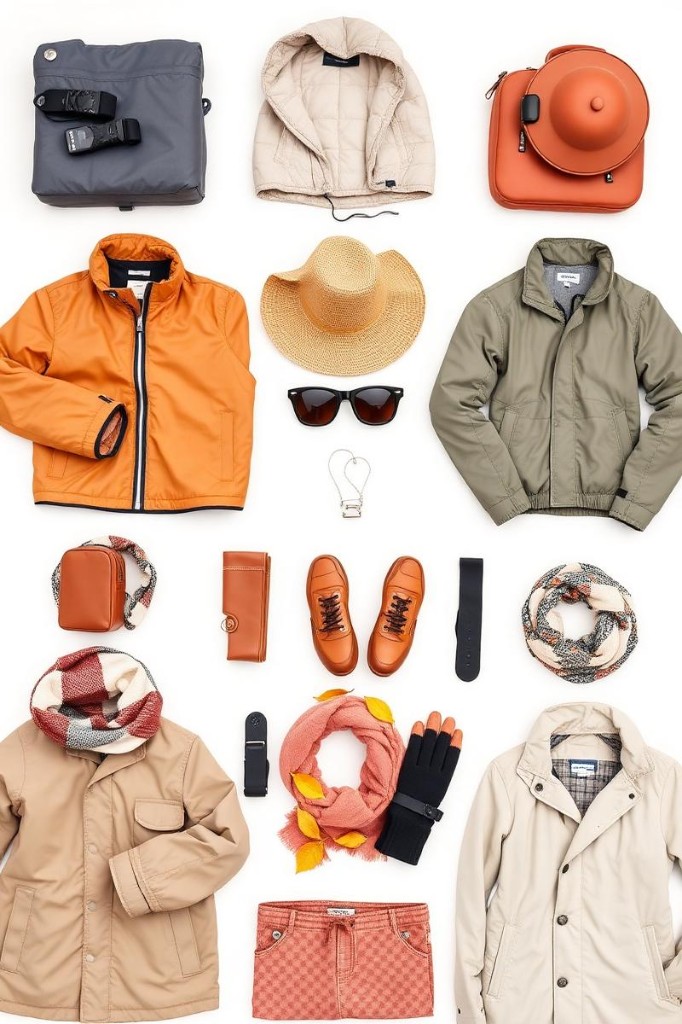
👕 Seasonal packing

Spring (March-May): light waterproof jacket · comfortable walking shoes · sunglasses · small sweater for cool evenings · light backpack

Summer (June-August): light and breathable clothing · wide-brimmed hat · SPF 50+ sunscreen · airy walking shoes · reusable water bottle · sandals for island beaches

Autumn (September-November): light waterproof jacket · versatile shoes · layered clothing for temperature variations · light scarf for evenings

Winter (December-February): waterproof jacket · warm sweater · waterproof shoes · compact umbrella · scarf and hat for windy evenings near the harbor

Travel clothing and gear by season

💰 Seasonal budget

PeriodCentral Accommodation (€/night)Transport (€/day)Restaurants (€/day)Attractions (€)Crowds
January-February40-705-1020-305-10★☆☆☆☆
March-April55-905-1025-3510-15★★☆☆☆
May-June80-1308-1530-4515-25★★★☆☆
July-August120-22010-2035-5520-35★★★★★
September-October70-1208-1525-4010-20★★★☆☆
November-December45-755-1020-305-10★★☆☆☆

💡 Money-saving tips

  • The Algarve Card (regional pass) includes discounts on transport, museums, and activities: profitable from 2 days of intensive sightseeing
  • Prioritize the menu do dia at lunch (8-12 €) rather than the à la carte menu in the evening to reduce the dining bill by 30 to 40%
  • Stay in the Faro Centro or Bairro Ribeirinho neighborhoods rather than by the beach for accommodation 20 to 30% cheaper
  • EVA Transportes buses serve the entire region at a low cost—ideal for visiting Olhão or Tavira without renting a car
  • Free attractions (old town, gardens, Ria Formosa trails) allow you to spend a full day without spending on entrance tickets

🏥 Health and precautions

  • In summer, hydration is essential: intense heat between 12:00 PM and 4:00 PM, plan for at least 1.5 liters / 50 oz of water per person
  • SPF 50+ sunscreen mandatory from April to October, even in slightly cloudy weather near the sea
  • Risk of spring allergies to pollen (eucalyptus, orange trees) in March-April—antihistamines recommended for sensitive individuals
  • Numerous pharmacies in the center, several open on rotation until 10:00 PM
  • Intensive walking on uneven cobblestones of the old town: closed shoes with thick soles recommended

Events in Faro

Calendar of must-see events in Faro

The events that punctuate Faro's calendar radically transform the city's atmosphere and can be a delight—or a complication—for unprepared travelers. Plan ahead.

🎵 Festival F – Late August/Early September

Festival F is the major musical event of the Algarve summer. Held within the Cidade Velha, it turns Faro's Roman walls into an open-air stage for several days of concerts, bringing together Portuguese and international artists before tens of thousands of spectators.

Location: Cidade Velha, Faro historical center

Highlights: Unique historical setting, Roman walls as a stage backdrop, festive and family-friendly atmosphere

Climate and Crowd Impact: Accommodations in Faro and the entire region book out weeks in advance. Book your hotel at least 2 to 3 months before the event.

Access: Walking distance from the city center, shuttles from Faro airport (7 km / 4.3 miles away)

Planning Tip: Tickets available on the official Festival F website—opt for accommodation on the outskirts if the center is full and combine with a bike rental.

🏍️ Concentração Internacional de Faro – Late July

One of the largest motorcycle gatherings in Europe transforms Faro into the world capital of two-wheelers every late July. Thousands of motorcycles from all over Europe converge on the city for several days in a festive, loud, and colorful atmosphere that takes over the center and surrounding campsites.

Location: Campismo de Faro and city center

Highlights: Internationally renowned event, motorcycle parade through the streets, rock and metal concerts, unique atmosphere

Impact on the city: Total saturation of accommodation within a 30 km / 18.6 mile radius—if you are not a biker, avoid this period or book very early

Access: Bus from Faro train station to the campsite, special shuttles during the event

Planning Tip: Book 4 to 6 months in advance if you wish to stay in Faro during this event.

🎄 Christmas Market and Winter Festivities – December

In December, Faro dons its festive attire with a warm Christmas market set up in the historical center. The streets of the old town and Praça Dom Francisco Gomes light up with garlands, and local merchants offer crafts, candied almonds, and hot punch in an intimate, typically Portuguese atmosphere, far from mass tourism.

Location: Praça Dom Francisco Gomes and Cidade Velha

Highlights: Intimate market, local artisanal products, authentic atmosphere without tourist crowds

Seasonal Impact: December remains a very quiet period in Faro—take the opportunity to negotiate your accommodation and visit museums without waiting.

Access: City center fully accessible on foot

Planning Tip: No urgent booking required in December—it is one of the few times you can afford a central hotel at a reduced price.

Seasonal events

Spring:

  • Feira da Serra do Caldeirão (May) – artisanal and gastronomic fair in the Algarve hinterland, less than an hour from Faro
  • Holy Week / Easter (March-April) – religious processions in the Cidade Velha, solemn and authentic atmosphere
  • International Folklore Festival (April-May) – traditional dances and music from around the world in the city center

Summer:

  • Festas de Santo António (June 13) – patron saint celebrated in several neighborhoods with grilled sardines and popular music
  • Concentração Internacional de Faro (late July) – international motorcycle rally, see above
  • Festival F (late August-early September) – music festival, see above

Autumn:

  • Algarve Wine Festival (October) – regional wine tastings, local producers, friendly atmosphere
  • Nature Week (October) – outdoor activities focused on the Ria Formosa, organized birdwatching

Winter:

  • Faro Christmas Market (December) – see above
  • New Year's Eve (December 31) – fireworks in the harbor, free entertainment in the city center

Responsible city-trip in Faro

Visiting Faro responsibly means choosing the right time to avoid contributing to summer saturation, preserving the fragile balance of the Ria Formosa, and supporting a local economy that deserves your attention beyond the beaten path.

Faro has managed to preserve its authenticity thanks to more reasoned tourism management than other Algarve cities. Prioritize family-run accommodations in the historical center, neighborhood restaurants rather than tourist establishments in the harbor, and get around on foot or by bike in this human-sized city. The Ria Formosa is a fragile ecosystem: strictly respect marked trails and avoid disturbing wildlife during boat excursions.

🌱 Low-season advantages

Visiting Faro outside of July-August helps reduce pressure on the Ria Formosa, support local merchants off-season, benefit from much lower prices, and live a much more authentic experience in contact with the locals.

♻️ Sustainable travel tips

  • Prioritize EVA public transport and rail shuttles to travel from Faro without renting a car
  • Rent a bicycle or electric scooter to explore the city and the edges of the lagoon without emissions
  • Choose Green Key certified accommodations or those with a clear environmental commitment
  • Consume local: neighborhood taverns, municipal market, local Algarve products (almond, carob, cheeses)
  • On the Ria Formosa, opt for eco-responsible boat operators who limit speed and noise near nesting areas
  • Bring a reusable water bottle—tap water is drinkable in Faro, which avoids dozens of plastic bottles per stay

🏙️ Local sustainable initiatives

The city of Faro is actively developing its pedestrian zones in the Cidade Velha, encouraging cycling with bike paths toward the lagoon, and supporting local producer markets at the Municipal Market. The Ria Formosa Natural Park, managed by the ICNF, is the subject of an exemplary preservation program including the reintroduction of marine species and strict control of nautical activities.

Our recommendations

Recommendations for your city-trip to Faro

After a complete analysis of the climate, events, and tourist traffic, Faro reveals itself as a destination to be enjoyed in two main highlights: late spring (May-June) to combine excellent weather, swimmable sea, blooming green spaces, and still reasonable rates; and September-October to find warm sea, sumptuous sunshine, and a city returned to its authentic rhythm. July and August remain essential for beach and festival lovers, provided you anticipate bookings and accept significantly higher prices.

Optimal period: May – June

Recommended months: May, June

  • Excellent weather with 24°C to 28°C (75°F - 82°F), almost no rain
  • Sea gradually swimmable from late May (20°C+ / 68°F+)
  • Faro and the Ria Formosa without summer crowds
  • Accommodation prices still 20 to 40% lower than in July-August
  • Exceptional natural landscapes and ideal photographic light

Key events: Festivities of Santo António (June 13), first open-air festivals

Disadvantages: Water still a bit cool in May for cold-sensitive swimmers; some seasonal establishments have not yet opened in early May

Ideal profile: Couples, families, nature lovers, first-timers, photographers

Recommended duration: 3 to 5 days

Interesting alternative: September – October

Alternative months: September, October

September offers near-summer conditions (29°C / 84°F, sea at 22°C / 72°F) with visitor numbers already dropping significantly after August 15. October brings magnificent golden light, very attractive prices, and a restored local atmosphere—ideal for those who prioritize authenticity over excitement.

  • Sea still very pleasant in September
  • Accommodation prices dropping from late August
  • Exceptional birdwatching at the Ria Formosa during autumn migration
  • Seasonal gastronomy: chestnuts, figs, new wines

For whom: Solo travelers, active retirees, nature lovers, couples seeking tranquility

👥 Tips for your travel style

Family with children: May-June or September—ideal temperatures, swimmable sea, fewer people on island beaches. Stay in an apartment in the center for autonomy. EVA bus for excursions without a car.

Tight budget: January-March or November—accommodation up to 50% cheaper, ultra-accessible lunch restaurants, free museums on Sundays. Well-located youth hostels in the historical center.

Cultural: October-November or March-April—visits without crowds, studious museum atmosphere, spring folk events. Cidade Velha to be explored methodically over at least 2 days.

Romantic: Late May or September—sunsets over the lagoon, dinners in the alleys of the old town, boat excursion on the Ria Formosa. Boutique hotels in the historical center for an intimate setting.

First trip: May or June—perfect weather, all sites open, already summer atmosphere without the saturation of summer. 4 nights minimum to discover the city and the islands.

Short weekend: Outside July-August, preferably in May, June, or September—3 nights are enough to explore the Cidade Velha, the Ria Formosa, and an island. Direct flight from many European cities to Faro airport.

Periods to nuance or avoid depending on the profile

July – August: Maximum tourist influx, prohibitive prices, bookings essential months in advance. Intense heat (33°C / 91°F) uncomfortable for cultural visits in the middle of the day. To be avoided for travelers seeking calm and authenticity—to be prioritized only if the main goal is beach/festival.

December – February: Higher risk of rain, reduced sunshine, and some seaside establishments closed. However, ideal for budget travelers or remote workers wishing to enjoy a mild winter far from the northern cold.

Nuance: There is no period that is absolutely to be avoided in Faro—even winter offers real advantages for the right traveler profiles.

Villes du même pays

All cities

Frequently Asked Questions

All the answers to essential questions to plan your city-trip to Faro with peace of mind, according to your profile, budget, and climate preferences.

What is the best month to visit Faro?

May and June represent the best compromise for visiting Faro: the sun is out (9 to 10 hours per day), temperatures range between 15°C and 28°C (59°F - 82°F), the sea starts to be swimmable, and summer crowds have not yet invaded the city. Accommodation prices remain 20 to 40% lower than in July-August. September is an excellent alternative for those who prefer a warm sea (22°C / 72°F) without the saturation of mid-summer. According to Climate-Data.org, IPMA Portugal, and the World Tourism Organization, these months offer the best balance of weather and visitor numbers in the region.

How many days should I plan for Faro?

3 to 5 days are enough to discover the essentials of Faro and its immediate surroundings. A minimum of 3 nights is recommended to visit the Cidade Velha, explore the Ria Formosa, and reach one of the deserted islands by boat. If you wish to visit Tavira, Olhão, or the beaches of the Vicentine Coast, plan for 5 to 7 days. Families with children will appreciate a slower pace over 5 days. Weekend travelers will find that 3 nights (Thursday evening to Sunday) are sufficient for a satisfying overview of the city and its lagoon.

What to do in Faro if it rains?

Rain in Faro is never a disaster! The Faro Municipal Museum (free on Sunday mornings) and its rich archaeological path are the first option. The Sé Cathedral and its Azulejos chapel, followed by the famous Capela dos Ossos at the Igreja do Carmo, offer several hours of indoor visits. The Mercado Municipal allows you to immerse yourself in local life under the covered halls. A rainy day is also the perfect opportunity to focus on gastronomy: bivalve cataplana, algarvian gazpacho, and Algarve almonds in a local tavern. Art galleries in the center complete the program.

What events should not be missed in Faro?

Festival F (late August/early September) is the city's flagship event: live music within the Roman walls of the Cidade Velha, electric atmosphere, and quality programming. The Concentração Internacional de Faro (late July) brings together thousands of bikers from all over Europe for a festive and extraordinary gathering. In June, the Festas de Santo António celebrate the patron saint with grilled sardines and popular music. In December, the Christmas market in the central square offers an intimate and authentically Portuguese atmosphere. Check the Visitalgarve.pt agenda for the exact dates of each edition.

What budget should I plan according to the season?

The budget varies considerably depending on the season. In low season (November to March), expect 40 to 70 €/night for central accommodation, 20 to 30 €/day for dining, and less than 10 € for attractions—about 80 to 120 €/day per person. In mid-season (April-May and October), the daily budget rises to 100 to 150 €. In high season (July-August), plan for 150 to 250 €/day per person all-inclusive, or more if you book late. The Algarve Card and lunch menus allow you to significantly reduce the bill in any season.