When to visit Portugal? Complete Guide

Between the Atlantic Ocean and Mediterranean sun, Portugal reveals surprising climates depending on the region and season.

  • 10.3 M population
  • Portuguese language
  • 120 days rainy days/year
  • May to September best time to visit
  • 7 to 14 days recommended stay

Weather and Climate in Portugal

Understanding Portugal's temperate Mediterranean climate

Portugal benefits from three distinct climate zones influenced by the Atlantic Ocean, central mountain ranges, and latitude. This diversity offers varied experiences depending on your destination and the time of year.

  • North Atlantic Coast: The wettest zone with oceanic winds and significant rainfall
  • Central Interior Regions: Continental climate with hot summers and cooler winters
  • South and Algarve: The sunniest and driest Mediterranean zone
MonthTemperature (°C / °F)Precipitation (mm / in)Sunshine (h/day)
January8-15°C / 46-59°F110mm / 4.3in4
April11-20°C / 52-68°F64mm / 2.5in7
July17-28°C / 63-82°F5mm / 0.2in11
October13-22°C / 55-72°F80mm / 3.1in6

Altitude variations in the Serra da Estrela create microclimates with temperatures that can drop by 6°C / 10.8°F compared to the coast, even offering snowfall in winter.

The Seasons in Portugal

Climate by Region in Portugal

Portugal's remarkable climate diversity is explained by its varied geography, from the ocean to the mountains. Each region offers specific weather conditions that directly influence your travel experience.

🌊 North and Porto

Description: The wettest region of Portugal with a temperate oceanic climate. Rainfall is distributed throughout the year with mild summers and rainy but rarely harsh winters. Proximity to the ocean tempers thermal variations.

PeriodWeatherTemperatureRecommended Activities
May-SepSunny16-26°C / 61-79°FSightseeing, hiking, festivals
Oct-AprRainy9-18°C / 48-64°FMuseums, gastronomy, wine cellars

Specifics: Frequent morning fog, oceanic winds, microclimates in the Douro Valley are drier and warmer.

🏛️ Center and Lisbon

Description: A climate transition zone benefiting from a balance between oceanic and continental influences. Lisbon enjoys a particularly favorable microclimate with mild winters and summers tempered by sea breezes.

PeriodWeatherTemperatureRecommended Activities
Apr-OctIdeal15-28°C / 59-82°FAll activities, nearby beaches
Nov-MarMild10-17°C / 50-63°FUrban tours, monuments

Specifics: Nortada (north wind) refreshing in summer, protection from the Sintra mountains, excellent light all year round.

☀️ South and Algarve

Description: A region with a pure Mediterranean climate with over 300 days of sunshine per year. Winters are the mildest in Portugal and summers are hot but bearable thanks to sea breezes. Rainfall is concentrated over 3-4 months.

PeriodWeatherTemperatureRecommended Activities
May-OctExcellent20-30°C / 68-86°FBeaches, water sports, golf
Nov-AprMild12-20°C / 54-68°FHiking, cycling, wellness

Specifics: Highest water temperature, occasional easterly winds, west coast microclimate is windier.

⛰️ Mountainous Interior

Description: Continental climate with significant thermal variations between day/night and summer/winter. The Serra da Estrela can receive snow while the Alentejo plains experience very hot and dry summers.

PeriodWeatherTemperatureRecommended Activities
May-SepHot/dry15-35°C / 59-95°FMorning hikes, village tours
Oct-AprCool5-18°C / 41-64°FHeritage, local gastronomy

Specifics: Large thermal amplitudes, possibility of snow at altitude, scorching summers in the Alentejo (up to 40°C / 104°F).

Practical Guide to Portugal

Prepare for your trip to Portugal by adapting your gear to seasonal climate variations. These practical recommendations will help you make the most of your stay, regardless of the time chosen.

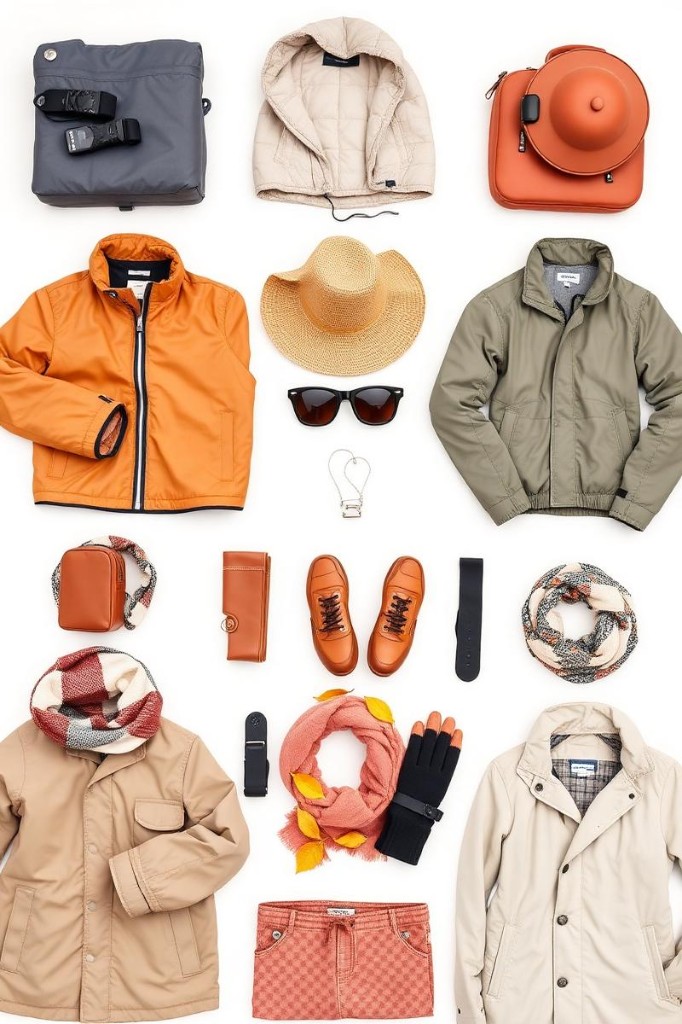
👕 Seasonal packing

Spring (March-May): • Lightweight waterproof jacket • Layerable clothing • Walking shoes • Compact umbrella

Summer (June-August): • Lightweight cotton clothing • Sun protection (hat, sunglasses) • Swimwear • Sandals and sneakers

Autumn (September-November): • Light sweater • Waterproof jacket • Waterproof shoes • Scarf for evenings

Winter (December-February): • Warm coat • Quality raincoat • Sturdy shoes • Gloves and hat for indoors

Travel clothing and gear by season

💰 Seasonal budget

PeriodAccommodation (€)Transport (€)Activities (€)Crowds (/5)Savings Tips
High Season (Jul-Aug)80-200High30-605/5Book 3-6 months in advance
Mid Season (May-Jun, Sep)50-120Moderate20-403/5Excellent value for money
Low Season (Oct-Apr)30-80Low15-302/5Negotiation possible, promotions

💡 Money-saving tips

  • Avoid July-August to save up to 40% on accommodation
  • Book flights and hotels 2-3 months in advance for the best deals
  • Take advantage of low-season promotions (November-March) for affordable luxury
  • Compare prices between the coast and the interior, often 30% cheaper
  • Use public transport, which is excellent and economical

🏥 Health and precautions

  • Sun protection: SPF 30+ cream is essential, even in winter in the south
  • Hydration: Increase water intake in summer, especially inland
  • Rain precautions: Watch out for slippery surfaces on the cobblestones of Lisbon and Porto
  • Allergies: Olive and mimosa pollen in the spring
  • Altitude: Gradual adaptation recommended in the Serra da Estrela
  • Ocean: Respect swimming flags; strong currents on the west coast

Events & Festivals in Portugal

Cultural calendar and festivities not to be missed in Portugal

Portuguese seasonal events punctuate the year and significantly enrich the travel experience, each being closely linked to local weather conditions.

🎭 Lisbon Fado Festival (May)

Description: A celebration of the Portuguese soul in historic neighborhoods with open-air concerts and famous fado houses. The unique nightlife atmosphere blends with the mild spring weather.

Location: Alfama, Bairro Alto, Lisbon

Highlight: Free street concerts, participation of local residents

Climate Impact: The mild May evenings are perfect for terrace concerts

🎪 Cascais Jazz Festival (July)

Description: An international musical event in the enchanting setting of the Portuguese Riviera. Concerts take place facing the ocean with a world-renowned eclectic lineup.

Location: Cascais, Lisbon region

Highlight: Floating stage on the ocean, exceptional natural acoustics

Climate Impact: Warm summer nights create a magical seaside atmosphere

🍇 Grape Harvest in the Douro Valley (September)

Description: A millenary tradition in UNESCO-listed terraced vineyards. Participation in harvests, grape stomping, and tastings in a sumptuous autumn setting with golden colors.

Location: Douro Valley, Porto region

Highlight: Unique terraced landscapes, preserved family traditions

Climate Impact: The cool September temperatures are ideal for harvesting

Seasonal events

Spring: • Festa das Cruzes in Barcelos (May) • Almond Blossom Festival (February-March) • Queima das Fitas in Coimbra (May)

Summer: • Paredes de Coura Festival (August) • Festas de Lisboa (June) • Sudoeste Festival (August)

Autumn: • Lisbon International Film Festival (October) • Chestnut Festival (November) • São Martinho (November)

Winter: • Christmas Markets (December) • Torres Vedras Carnival (February) • Óbidos Chocolate Festival (March)

Responsible Travel in Portugal

Discover Portugal in a responsible and sustainable way by respecting its varied ecosystems and supporting local communities according to the country's seasonal specifics.

Portugal offers many opportunities for eco-responsible tourism: respect for coastal protected areas, preservation of mountain ecosystems, and support for sustainable wine traditions. Climate diversity requires specific precautions depending on the season.

🌱 Low-season advantages

Traveling in the low season (November-March) significantly reduces environmental impact: less pressure on water resources, support for spread-out local economy, and preservation of fragile natural sites.

♻️ Sustainable travel tips

  • Prioritize excellent public transport (trains, trams, buses)
  • Choose eco-certified accommodations
  • Respect marine wildlife during water activities
  • Consume local and seasonal products in traditional markets
  • Avoid water waste, especially in summer
  • Use ocean-friendly sunscreens

🏙️ Local sustainable initiatives

Portugal is actively developing renewable energies (wind, solar), protecting its natural parks (Peneda-Gerês, Ria Formosa), and supporting organic farming. Many quintas offer sustainable wine tourism and authentic experiences.

Our Expert Recommendations

Expert advice for your trip to Portugal

After analyzing climate data and our field experience, here are our personalized tips to optimize your stay in Portugal. These recommendations take into account weather variations, tourist crowds, and value for money depending on the season.

🏆 Optimal Period: May to June and September

Recommended months: May, June, September

Advantages: • Ideal weather (20-26°C / 68-79°F) • Little rain • Pleasant sea • Moderate prices • Fewer crowds • Excellent light

Disadvantages: • Some showers possible in May • Early booking recommended

Ideal profile: All types of travelers, especially families and couples

⚖️ Balanced Alternative: October and April

Alternative months: October, April

Description: Excellent compromise between pleasant climate and attractive prices

Specific advantages: • Very advantageous rates • Preserved authenticity • Grape harvest in October • Spring blossoms in April

👥 Tips for your travel style

Family with children: May-June and September for mild climate and varied activities

Tight budget: November-March for low prices, avoid July-August

Adventure and hiking: April-May and September-October for ideal temperatures

Luxury and relaxation: June and September for optimal services and perfect weather

Photographer: October for golden light and September for the harvest

⚠️ Periods to avoid: July-August and December-January

July-August: High crowds, high prices, excessive heat inland

December-January: Frequent rain, cold sea, short days

Cities to explore

Discover the must-sees of urban travel

All cities

Frequently Asked Questions

Find answers to essential questions about planning your trip to Portugal based on weather conditions.

What is the best time to visit Portugal?

The optimal period is from May to June and September. These months offer an ideal climate (20-26°C / 68-79°F), little rainfall, moderate prices, and fewer crowds. The water is pleasant for swimming and all activities are possible.

Is it too hot in Portugal in the summer?

Summer can be hot, especially inland (up to 40°C / 104°F in the Alentejo). However, the coast remains temperate thanks to sea breezes. The north (Porto) and the Lisbon region maintain bearable temperatures (25-28°C / 77-82°F).

Can you swim all year round in Portugal?

Swimming is comfortable from May to October with temperatures of 18-23°C / 64-73°F. The Algarve offers the warmest waters. In winter, only the brave swim (15-16°C / 59-61°F), but many hotels have heated pools.

Does it rain a lot in Portugal?

Rainfall is concentrated from October to March, especially in the north (120-150 days/year). Summer is very dry (5-10mm / 0.2-0.4in per month). The Algarve is the driest region with over 300 days of sunshine annually.

Which region should I choose according to the season?

Spring/Summer: All regions are pleasant. Autumn: Choose the south and the Douro Valley for the harvest. Winter: The Algarve remains mild (15-20°C / 59-68°F) while Lisbon and Porto offer an authentic atmosphere despite some rain.