When to visit Fort Bay? City-Trip Guide

Between turquoise waters and volcanic trails, Fort Bay reveals its charms according to the Caribbean seasons.

  • 0.002 M population
  • English, Dutch language
  • 120 days rainy days/year
  • December to April best time to visit
  • 4 to 7 days recommended stay

Weather trends and climate in Fort Bay

Understanding the tropical maritime climate of Fort Bay, Saba

Fort Bay enjoys a tropical maritime climate, tempered by the northeast trade winds. Perched on the volcanic island of Saba, this harbor town experiences mild temperatures year-round, with a favorable dry season from December to April and a rainy season marked by the risk of hurricanes between August and October.

  • Coastal zone: Temperatures moderated by sea breezes, constant humidity
  • Volcanic influence: Terrain creating local variations in precipitation
  • Trade wind exposure: Constant northeast winds bringing freshness and humidity
MonthMin Temp (°C / °F)Max Temp (°C / °F)Precip. (mm / in)Sunshine (h/day)Tourist TrafficRecommended Activities
January22°C / 72°F27°C / 81°F85 / 3.37★★★☆☆Diving, hiking, port exploration
February22°C / 72°F27°C / 81°F70 / 2.88★★★☆☆Diving, snorkeling, visit Windwardside
March22°C / 72°F28°C / 82°F65 / 2.68★★★★☆Mount Scenery hiking, marine life observation
April23°C / 73°F28°C / 82°F60 / 2.48★★★★☆Diving, cultural visits, local markets
May24°C / 75°F29°C / 84°F90 / 3.57★★☆☆☆Diving, harbor stroll, local cuisine
June25°C / 77°F30°C / 86°F100 / 3.97★☆☆☆☆Discovering Saba Marine Park, interior visits
July25°C / 77°F30°C / 86°F95 / 3.77★☆☆☆☆Carnival, local festivities, diving
August25°C / 77°F30°C / 86°F110 / 4.36★☆☆☆☆Saba Museum, local gastronomy
September25°C / 77°F30°C / 86°F130 / 5.16★☆☆☆☆Interior visits, discovering The Bottom
October24°C / 75°F29°C / 84°F150 / 5.96★★☆☆☆Sea & Learn Festival, scientific diving
November23°C / 73°F28°C / 82°F110 / 4.37★★☆☆☆Diving, hiking, craft markets
December22°C / 72°F27°C / 81°F90 / 3.57★★★☆☆Saba Day, local festivals, diving, hiking

Altitude variations on the island of Saba create distinct microclimates, with Fort Bay remaining in the most thermally stable coastal zone.

The seasons

Must-sees by weather

Fort Bay and the island of Saba offer varied experiences depending on the whims of the Caribbean sky. Here is how to organize your stay to make the most of weather conditions, whether it rains or the sun shines.

☔ In cloudy or rainy weather

Indoor & sheltered in Fort Bay and Saba

Tropical showers, often brief, are the perfect opportunity to discover the cultural and human heritage of Saba, an extraordinary island.

  • 🏛️ Saba Museum (The Bottom) – Dive into the island's Dutch history | Duration: 1h | Entry: ~3$ | Open year-round
  • 🧵 Saban Lace workshops – Traditional art unique in the world, unmissable souvenir | Duration: 1h30 | Price varies | Windwardside
  • 🍽️ Fort Bay restaurants – Savor Creole-Dutch cuisine facing the harbor | Duration: flexible | Budget: 15-40€/person
  • 🎨 Windwardside galleries and craft shops – Local paintings, handcrafted items | Duration: 1h | Free entry
  • 📚 The Bottom library and cultural center – Meetings with locals, temporary exhibitions | Duration: 1h | Free entry

Practical tip: Museums and workshops generally do not require online booking, but it is advisable to contact Saban Lace artisans in advance for a private visit.

Tip: Combine the museum visit and lace workshops into a half-day trip from Fort Bay using a local taxi.
☀️ In good weather

Optimal outdoor in Fort Bay and Saba

When the Caribbean sun floods Fort Bay, the island reveals all its natural and underwater splendor. It is time to go out and marvel.

  • 🤿 Saba National Marine Park – One of the best diving sites in the Caribbean, pristine corals, rays, and nurse sharks | Duration: half-day | Price: ~30$ with guide
  • 🏔️ Mount Scenery hike – Highest peak of the Netherlands (877m / 2,877ft), dense tropical forest, panoramic view | Duration: 3-4h round-trip | Price: free
  • Fort Bay Harbour – Watching dive boats, local fishermen, sunset | Duration: flexible | Free entry
  • 🌊 Wells Bay & Torrens Point – Snorkeling, free diving, crystal clear waters | Duration: 2-3h | Free access
  • 🌿 Sandy Cruz Trail – Panoramic hike with views of the Caribbean Sea | Duration: 2h | Free

Best time of day: Diving early in the morning (7am-10am) for maximum visibility; photographic golden hour at sunset over the harbor around 6pm.

Seasonal tip: Optimal months from January to April; avoid hiking in the heat of the afternoon in May-June.

🌤️ Versatile in any weather

Flexible sites, regardless of conditions

Some places in Saba are enjoyable in any weather, offering an authentic experience with every visit.

  • 🏘️ The Bottom (capital) – Dutch colonial village, cobblestone streets, local atmosphere | Indoor and outdoor
  • 🏪 Windwardside – Saba's liveliest village, shops, restaurants, starting point for hikes | Versatile
  • 🌺 Saba Botanical Garden – Endemic tropical plants, accessible in rain or shine | Duration: 1h

Weather tip: In case of a shower, take refuge in one of the Windwardside cafes before resuming your exploration.

Example itinerary: Morning diving in Fort Bay → lunch in Windwardside → afternoon visit to The Bottom and the museum → return to the harbor for sunset.

💰 Free or economical

At no cost in Saba

  • 🌄 Mount Scenery Trail – Free hike, exceptional panoramas
  • Fort Bay Harbour – Free walk, authentic harbor atmosphere
  • 🌊 Wells Bay – Free access for snorkeling and swimming
  • 🏘️ Walk in The Bottom – Discovering Dutch colonial architecture for free

Budget tips: Local craft markets offer unique souvenirs at low prices. The most spectacular panoramas of Saba are all accessible on foot, for free.

Practical Guide

Fort Bay and Saba require preparation adapted to Caribbean tropical conditions. Between humid heat, frequent indoor-outdoor transitions on trails, and seasonal weather hazards, here is everything you need to know to travel peacefully on this unique volcanic island.

👕 Seasonal packing

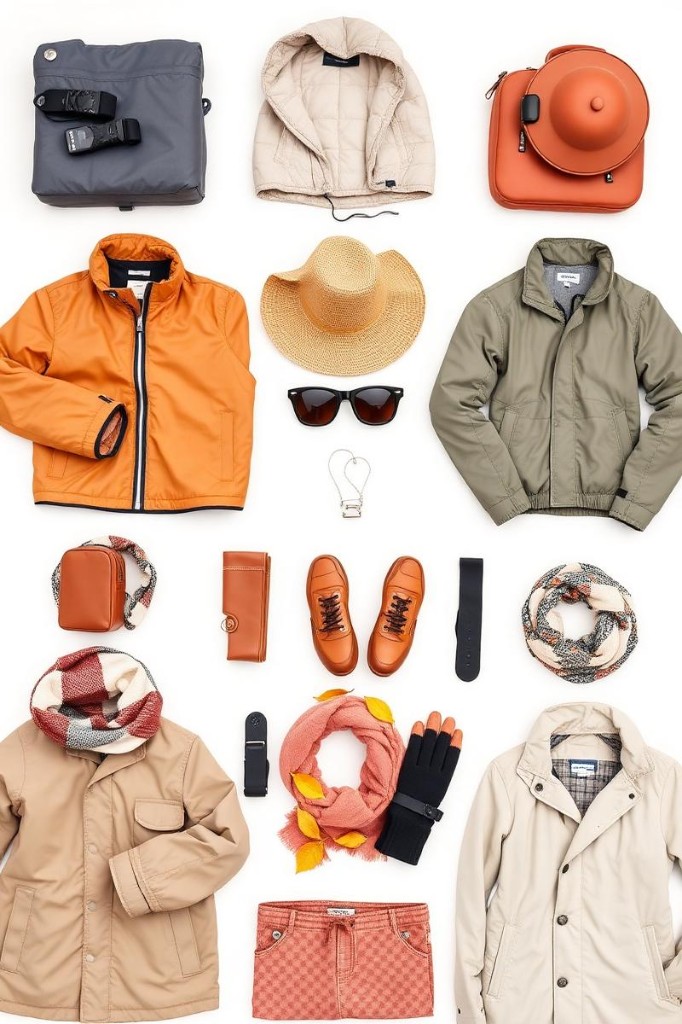
Dry season (December – April): • Breathable and lightweight T-shirts • Waterproof hiking shoes for Mount Scenery • High-protection sunscreen (SPF 50+) • Wide-brimmed hat • Lightweight jacket for evenings at altitude • Diving or snorkeling gear (or rental on-site)

Wet season (May – July): • Quick-drying clothing • Raincoat or lightweight waterproof jacket essential • Waterproof sandals for the harbor • Sun protection • Mosquito repellent

Hurricane season (August – October): • Reinforced raincoat • Non-slip closed-toe shoes • Warm clothing for air-conditioned interiors • Flashlight (power outages possible) • Travel insurance with weather coverage mandatory

Transition (November): • Versatile lightweight outfit • Compact raincoat • Versatile walking shoes

Travel clothing and gear by season

💰 Seasonal budget

PeriodAccommodation (€/night)Transport (€/day)Restaurants (€/day)Attractions (€)Traffic
Dec – Feb (high season)100 – 25015 – 3030 – 6020 – 50★★★★☆
Mar – Apr (late high season)90 – 22015 – 3030 – 5520 – 45★★★★☆
May – Jul (mid-season)60 – 14010 – 2520 – 4515 – 35★★☆☆☆
Aug – Oct (low season)40 – 10010 – 2015 – 3510 – 30★☆☆☆☆
Nov (transition)55 – 13010 – 2520 – 4515 – 35★★☆☆☆

💡 Money-saving tips

1. Book early for high season: Saba's accommodations are rare and fill up quickly from December to April. Plan at least 3 months in advance.

2. Opt for local guesthouses rather than the few hotels: better value for money and a more authentic experience.

3. Lunch at small local snacks at the harbor rather than at a restaurant in the evening to cut the bill in half.

4. Group diving is consistently cheaper than private outings: join an existing group at the Fort Bay dive shops.

5. Hiking is free: invest in good shoes rather than expensive guided tours for marked trails.

🏥 Health and precautions

  • Sun protection: UV rays are particularly intense in the tropics, even on cloudy days — SPF 50+ is essential year-round
  • Hydration: Drink regularly during hikes, especially in the hot season (May–October)
  • Mosquitoes: Repellent is essential in the wet season; low risk of dengue
  • Intensive walking: Saba's volcanic slopes are demanding — bring suitable shoes and monitor for blisters
  • Pharmacy: Limited medical resources on the island; bring a complete first-aid kit
  • Travel insurance: Medical evacuation coverage is strongly recommended, especially during hurricane season

Local events

Calendar of must-see events in Fort Bay and Saba

Despite its small size, Saba hosts unique global events that turn a stay into an unforgettable experience and set the rhythm for life in Fort Bay throughout the year.

🌊 Sea & Learn Festival – October

The Sea & Learn Festival is undoubtedly Saba's most iconic event. Each October, marine scientists, biologists, and passionate divers converge on Fort Bay for a series of lectures, underwater workshops, and research excursions in the Saba National Marine Park. It is a unique opportunity to dive alongside experts and understand the exceptional marine ecosystem surrounding the island.

Location: Fort Bay Harbour and Saba National Marine Park

Highlight: The only global festival combining marine science with tourism accessible to the general public

Climate impact: October remains a period with hurricane risk, but the festival enlivens the island during the low season, with a slight increase in traffic and prices

Transport access: Flight from Sint Maarten (Winair) or ferry from Saint-Barth, arriving at Fort Bay

Planning tip: Book accommodation and workshop spots starting in July; participant numbers are limited

🎉 Saba Day – First Monday of December

Saba Day celebrates the island's identity and culture with a full day of popular festivities. Live music, traditional dances, local food stalls, and sports competitions take over the streets of The Bottom and Windwardside. The atmosphere is warm, authentic, and offers a precious window into the deep soul of the Saban community.

Location: The Bottom (capital), Windwardside, Fort Bay

Highlight: Saba's national holiday, full local participation — a rare cultural immersion

Climate impact: December marks the start of the high season, excellent weather conditions, high demand for accommodation

Transport access: Winair flight from Sint Maarten, arriving at Juancho E. Yrausquin Airport, then taxi to The Bottom

Planning tip: Book at least 2 months in advance; accommodation supply is very limited on the island

🥁 Saba Carnival – July

The Saba Carnival brings festive and colorful energy to the island's streets every summer. Costume parades, steel bands, local cooking contests, and dance parties highlight several days of celebration. This is the time when the Saban diaspora returns in large numbers, creating an atmosphere of joyful and contagious reunions.

Location: Primarily Windwardside and The Bottom

Highlight: An intimate, human-scale carnival, perfect for authentic encounters with locals

Climate impact: July is the beginning of the wet season; some showers are possible, but the festivities continue regardless

Transport access: Winair flight from Sint Maarten or ferry from Saint-Barth

Planning tip: Book 6 to 8 weeks in advance; this is a peak period for the return of the local diaspora

Seasonal events

Dry season (December – April):

  • Saba Day (first Monday of December) – National holiday, The Bottom & Windwardside
  • Caribbean New Year (December 31 – January 1) – Fireworks at Fort Bay harbor
  • Easter (March/April) – Traditional religious services, quiet atmosphere on the island

Early wet season (May – July):

  • Saba Carnival (July) – Parades and musical festivities
  • King's Day (April 27) – Official celebrations in The Bottom

Hurricane season (August – October):

  • Sea & Learn Festival (all of October) – Fort Bay Harbour, scientific and diving event

Transition (November):

  • Christmas craft markets – Windwardside, mid-November

Responsible travel in Saba

Visiting Fort Bay and Saba means entering a fragile and preserved ecosystem. With only 2,000 inhabitants and a protected marine environment, every traveler's choice counts for the sustainability of this Caribbean jewel.

Saba is one of the few Caribbean islands to have made environmental protection an absolute priority. The Saba National Marine Park prohibits all commercial fishing and strictly regulates nautical activities. The island has no mass hotel infrastructure, which naturally preserves its authenticity. Choosing small local guesthouses, consuming in Saban establishments, and respecting the marine park rules are essential gestures.

🌱 Low-season advantages

Visiting Saba off-season (May – November) helps to reduce pressure on the island's limited resources, support the local economy during the off-season, and live a much more authentic experience in contact with the locals.

♻️ Sustainable travel tips

1. Strictly respect the rules of the Saba National Marine Park: never touch corals, do not feed fish, follow the briefings of local dive shops.

2. Support local artisans by buying Saban Lace directly from the creators in Windwardside.

3. Use local taxis rather than renting a vehicle: the island is small, the drivers are excellent guides, and their activity is vital to the community.

4. Reduce plastic waste: recycling resources are very limited on the island; bring your reusable water bottle.

5. Choose small family guesthouses rather than international platforms so that your money directly benefits the local economy.

6. Dive only with operators certified by the Saba Conservation Foundation.

🏙️ Local sustainable initiatives

The Saba Conservation Foundation manages the Saba National Marine Park and the Saba Bank, one of the largest marine protection areas in the Dutch Caribbean. The island has prohibited plastic bags for several years, promotes solar energy, and develops marked trails to channel hiker traffic in the most sensitive areas.

Our recommendations

Recommendations for your stay in Fort Bay and Saba

Fort Bay and the island of Saba reveal their full splendor between December and April, when weather conditions are favorable and the Caribbean Sea offers its best visibility for diving. This period combines clear skies, ideal temperatures, and a lively island atmosphere. For flexible travelers, March and April represent a perfect compromise: high season with a slight decrease in crowds and still acceptable prices. October, despite its status as a cyclonic month, attracts enthusiasts thanks to the Sea & Learn Festival. Regardless of the period chosen, booking early is imperative on an island where accommodation supply remains very limited.

Optimal period: December to April

Recommended months: December, January, February, March, April

Advantages:

  • Exceptional diving and snorkeling conditions (visibility up to 30m / 98ft)
  • Stable weather, low precipitation, mild temperatures (22-28°C / 72-82°F)
  • Hurricane risk almost zero
  • Saba Day in December, unique festive atmosphere
  • Hiking trails accessible in excellent conditions

Key events: Saba Day (December), Caribbean New Year, Easter (March/April)

Disadvantages: Accommodations are more expensive and must be booked well in advance; slight increase in traffic compared to low season.

Ideal profile: Divers, hikers, families, first-time visitors, couples

Stay duration: 5 to 7 days recommended to explore the island in depth

Interesting alternative: March and April

Alternative months: March, April

March and April constitute an ideal window for travelers wishing to combine optimal weather conditions with a more controlled budget. The high season begins to decline, accommodations are slightly cheaper, and sea conditions remain excellent for diving and snorkeling. The vegetation is lush after the few rains at the beginning of the year.

Specific advantages: Fewer visitors than in January-February, more accessible accommodation rates, lush nature, calm and clear sea.

For whom: Budget travelers, couples on a romantic getaway, divers demanding quality conditions.

👥 Tips for your travel style

Divers: January to April for maximum visibility in the Saba National Marine Park; book your outing with Saba Divers or Sea Saba as soon as you arrive in Fort Bay.

Hikers: December to March to climb Mount Scenery in optimal conditions; prefer early morning to avoid the heat.

Families: December to April, the safest and most comfortable period; opt for accommodation in Windwardside, which is better equipped.

Budget: March-April or November to enjoy intermediate prices without sacrificing weather quality.

First trip: January or February, high season at its best, ideal conditions to discover everything without unpleasant climatic surprises.

Romantic: April for its calm and gentle lifestyle, the isolated beaches of Wells Bay, and sunsets over Fort Bay Harbour.

Periods to avoid: August to October

Months not recommended: August, September, October

Reasons: Hurricane season at its peak, high risk of disruptions and cancellations of flights or ferries to Fort Bay, partially closed accommodations, suspended water activities, maximum humidity.

Nuances: October can attract marine science enthusiasts thanks to the Sea & Learn Festival, and Saba historically resists hurricanes better than its neighbors due to its volcanic terrain. Very flexible and well-insured travelers can consider this period with caution.

Villes du même pays

All cities

Frequently Asked Questions

Preparing for your trip to Fort Bay and Saba? Here are the answers to essential questions to plan your stay with peace of mind, considering the climate and specificities of this unique island.

What is the best month to visit Fort Bay?

The best month to visit Fort Bay is January or February, in the heart of the Caribbean dry season. Temperatures hover between 22°C and 27°C (72°F – 81°F), precipitation is minimal (70 to 85 mm / 2.8 to 3.3 in), and underwater visibility reaches its peak in the Saba National Marine Park. The Caribbean Sea is calm, ideal for diving and snorkeling. Hikes to Mount Scenery are done in perfect conditions. March and April are an excellent alternative with slightly more accessible prices and a slight decrease in crowds.

How many days should I plan for visiting Fort Bay and Saba?

Plan for at least 4 to 5 days to enjoy the best of Saba: a day of diving in the Marine Park, an ascent of Mount Scenery, exploring the villages of The Bottom and Windwardside, and some relaxation time at Fort Bay harbor. For divers wishing to explore multiple sites, or hikers wanting to cover all trails, 7 days are recommended. Since the island is small, no time is wasted on transport.

What to do in Fort Bay when it rains?

Showers in Fort Bay are often brief and tropical. In case of rain, take the opportunity to visit the Saba Museum in The Bottom and discover the island's Dutch history. Visit the Saban Lace artisans in Windwardside to witness a demonstration of this unique art. The waterfront restaurants in Fort Bay invite you to savor Creole-Dutch cuisine facing the harbor. Rain does not prevent diving, as underwater conditions remain excellent.

Which events should not be missed in Fort Bay and Saba?

Three unmissable events define life on Saba. The Sea & Learn Festival in October is a unique global event combining marine science and diving accessible to all. Saba Day (first Monday of December) celebrates the island's identity with music, dance, and local food in an authentic festive atmosphere. The July Carnival brings Caribbean colors and rhythms to Windwardside and The Bottom. For New Year's, the atmosphere at Fort Bay harbor is unforgettable.

What budget should I expect depending on the season in Fort Bay?

In high season (December – April), expect between 150€ and 350€ per day all-inclusive (guesthouse accommodation, local meals, diving). In mid-season (May – July), the budget drops to 100 – 220€/day. In low season (August – October), the lowest rates allow for travel for 80 – 150€/day, but weather risks must be factored in. Note that flight tickets from Sint Maarten (Winair) represent a significant part of the budget: expect 80 to 150€ round-trip depending on the season.