When to visit Saba? Complete Guide

The island of Saba offers a unique tropical climate with surprising nuances depending on altitude and exposure.

  • 0.002 M population
  • Dutch, English language
  • 180 days rainy days/year
  • December to April best time to visit
  • 4 to 7 days recommended stay

Weather and Climate of Saba

Understanding Saba's tropical maritime climate

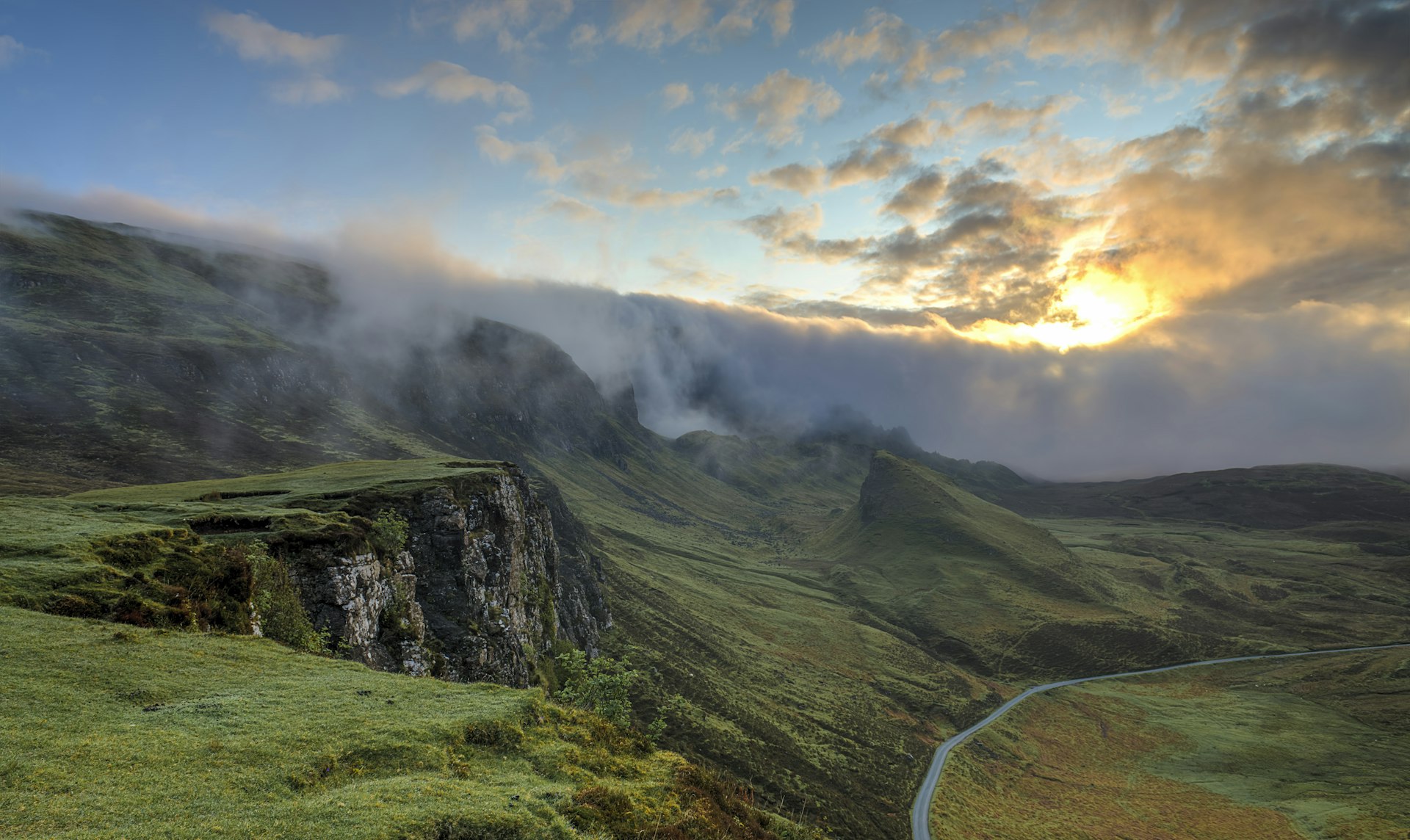
Lush tropical nature landscape under a blue sky, typical of the Caribbean climate by V2F on Unsplash

Saba features a tropical maritime climate influenced by its unique volcanic topography. The island experiences two distinct climatic zones depending on altitude, creating fascinating microclimates for such a small area.

  • Coastal Zone (0-300m / 0-984ft): Warm and humid tropical climate with constant trade winds
  • Mountainous Zone (300-877m / 984-2877ft): Cooler temperatures and higher precipitation
MonthTemp. (°C / °F)Rain (mm / in)Humidity (%)
January24-28°C / 75-82°F65 / 2.5675
February24-28°C / 75-82°F55 / 2.1774
March25-29°C / 77-84°F60 / 2.3673
April26-30°C / 79-86°F70 / 2.7675
May27-31°C / 81-88°F95 / 3.7478
June27-31°C / 81-88°F110 / 4.3380
July27-32°C / 81-90°F120 / 4.7281
August28-32°C / 82-90°F130 / 5.1282
September28-32°C / 82-90°F140 / 5.5183
October27-31°C / 81-88°F150 / 5.9182
November26-30°C / 79-86°F120 / 4.7280
December25-29°C / 77-84°F85 / 3.3577

Altitude significantly influences the climate, with a decrease of 2°C / 3.6°F every 300 meters / 984 feet. Mount Scenery frequently creates cloud formations.

Seasons in Saba

Climate by Region in Saba

Despite its small size, Saba presents remarkable climatic diversity linked to its steep volcanic relief. Altitude and exposure to trade winds create distinct microclimates.

🏖️ Coastal Zone (The Bottom, Ladder Bay)

Description: The coastal zone benefits from a classic tropical maritime climate with constant trade winds that temper the heat. This region houses the capital and the island's main access points.

PeriodConditionsTemperatureRecommended Activities
Dec-AprDry and windy24-29°C / 75-84°FDiving, snorkeling, relaxing
May-NovHot and humid27-32°C / 81-90°FMorning swimming, exploration

Specifics: Direct exposure to trade winds, sea generally calm on the west side, stronger currents on the east side.

⛰️ Mountainous Zone (Mount Scenery, The Ladder)

Description: The heights of Saba offer a cooler and more humid climate. Mount Scenery, the highest point in the Netherlands at 877m / 2877ft, creates its own weather conditions with frequent cloud formations.

PeriodConditionsTemperatureRecommended Activities
Dec-AprCool and dry18-24°C / 64-75°FHiking, nature observation
May-NovHumid and misty20-26°C / 68-79°FBotany, mist photography

Specifics: Daily cloud formation, dense tropical forest, temperatures 4-6°C / 7-11°F cooler than on the coast.

🌊 Marine Zone (Territorial Waters)

Description: The waters surrounding Saba benefit from a stable marine microclimate, ideal for scuba diving. Visibility and conditions vary by season and exposure.

PeriodConditionsVisibilityRecommended Activities
Dec-AprCalm sea25-40m / 82-131ftDeep diving, snorkeling
May-NovChoppier15-25m / 49-82ftCoastal diving, observation

Specifics: Variable marine currents, water temperature 26-29°C / 79-84°F, preserved coral reefs.

Practical Guide for Saba

Preparing for a trip to Saba requires special attention to climatic variations and the specificities of this unique volcanic island. Our practical tips will help you optimize your stay based on the chosen season.

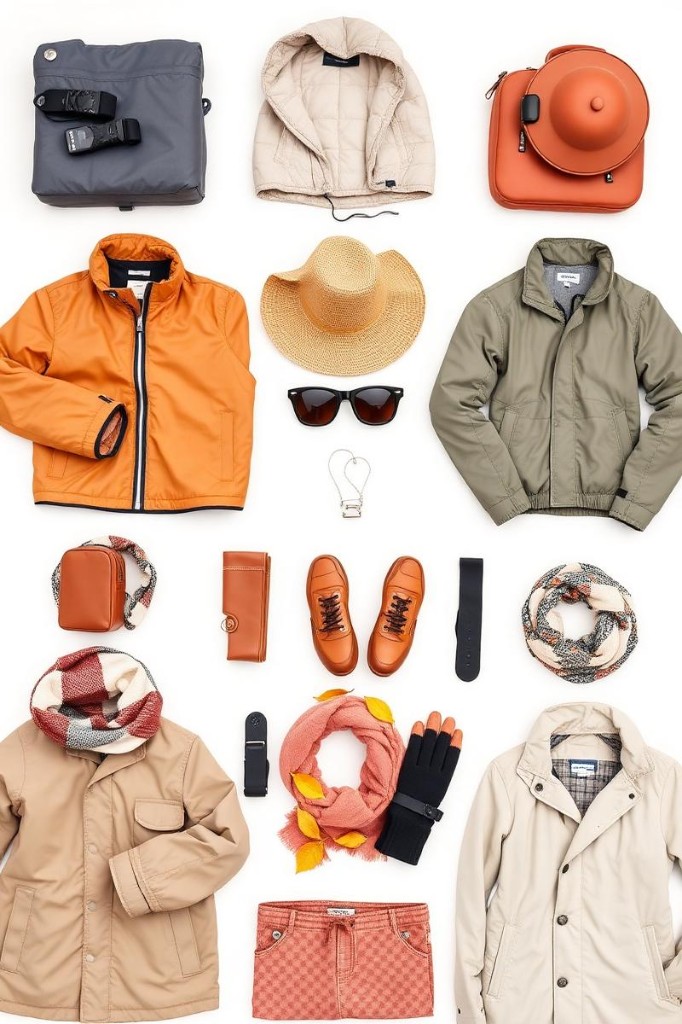
👕 Seasonal packing

Dry Season (December-April):

  • Light cotton clothing
  • Windbreaker for trade winds
  • Hiking shoes
  • Swimwear
  • Hat and sunglasses

Wet Season (May-November):

  • Breathable, quick-dry clothing
  • Light raincoat
  • Non-slip shoes
  • Jacket for evenings at altitude
  • Mosquito repellent
Travel clothing and gear by season

💰 Seasonal budget

PeriodAccommodation (€)Transport (€)Activities (€)Crowds (/5)Savings Tips
Dec-Apr150-30080-12060-1005/5Book 6 months in advance
May-Jun120-25070-10050-803/5Avoid US weekends
Jul-Aug140-28075-11055-904/5Short stays possible
Sep-Nov100-20060-9040-702/5Best rates, flexible dates

💡 Money-saving tips

  • Avoid December-March for the best accommodation rates
  • Book flights via Sint Maarten at least 3 months in advance
  • Prioritize September-November for low-season promotions
  • Bundle diving activities into weekly packages
  • Cook on-site as restaurants are limited and expensive

🏥 Health and precautions

  • All year: SPF50+ sun protection, constant hydration, first-aid kit
  • Dry season: Watch for dehydration while hiking, eye protection against glare
  • Wet season: Mosquito repellent, closed-toe shoes for trails, watch for slippery surfaces
  • Diving: Specialized insurance mandatory, decompression chamber in Sint Maarten
  • Altitude: Progressive adaptation, warm clothing for Mount Scenery

Events and Festivals in Saba

Cultural calendar and festivities not to be missed in Saba

Saba offers an authentic event calendar blending Caribbean traditions and Dutch culture in a unique, intimate setting.

Saba Carnival (July-August)

Description: Traditional Caribbean carnival with colorful parades, calypso music, and folk dances. The event transforms the island for a week with a unique festive atmosphere.

Location: The Bottom and island villages

Highlight: The most intimate carnival in the Caribbean with full community participation

Climate Impact: Hot and humid period, ensure hydration and sun protection

Saba Day (First Monday of December)

Description: National holiday celebrating Saba's autonomy with official ceremonies, cultural performances, and local cuisine. A special moment to discover the Saban identity.

Location: The Bottom, administrative center

Highlight: The only national holiday specific to Saba, highly cherished by residents

Climate Impact: Start of the dry season, optimal weather conditions

Sea and Learn (October)

Description: Eco-educational festival dedicated to marine conservation with lectures, guided dives, and educational activities. A flagship event for marine ecology enthusiasts.

Location: Saba Marine Park and dive centers

Highlight: The only festival entirely dedicated to marine preservation in the Caribbean

Climate Impact: End of hurricane season, variable underwater conditions

Seasonal events

Dry Season (Dec-Apr):

  • Saba Day (December)
  • King's Day celebrations (April)
  • Diving festivals (February-March)

Wet Season (May-Nov):

  • Saba Carnival (July-August)
  • Sea and Learn (October)
  • Local culinary festivals (May-June)

Responsible Travel in Saba

Saba, a fragile and unique ecosystem, requires a respectful tourism approach adapted to the natural cycles and climatic constraints of this small volcanic island.

The island of Saba focuses on exemplary sustainable tourism with visitor quotas, marine park preservation, and respect for terrestrial ecosystems. Each visitor contributes to this delicate balance.

🌱 Low-season advantages

Traveling in the wet season reduces tourist pressure, supports the local economy outside peak times, and minimizes environmental impact on sensitive ecosystems.

♻️ Sustainable travel tips

  • Respect quotas for diving and hiking trails
  • Use reusable water bottles as fresh water is precious
  • Prioritize local transport and walking
  • Avoid breeding periods for sea turtles (May-October)
  • Buy local products and Saban handicrafts
  • Respect marine wildlife during dives

🏙️ Local sustainable initiatives

Saba develops innovative programs: marine park protected since 1987, renewable energy, sustainable water management, coral reef conservation programs, and ecological awareness.

Our Expert Recommendations

Expert recommendations for your trip to Saba

After analyzing climatic data and field experience, our experts recommend optimal periods based on your priorities. Saba offers different experiences depending on the season, each with specific advantages to maximize your exploration of this Caribbean volcanic pearl.

🏆 Optimal Period: December to April

Recommended months: January, February, March

Advantages:

  • Ideal weather conditions with constant trade winds
  • Exceptional underwater visibility (30-40m / 98-131ft)
  • Dry and safe hiking trails
  • No hurricane risk
  • Calm sea for all nautical activities

Disadvantages:

  • High tourist season
  • Peak pricing

Ideal profile: Experienced divers, hikers, families, comfort-seeking travelers

⚖️ Balanced Alternative: May and November

Alternative months: May, November

Description: Transition periods offering an optimal compromise between acceptable weather conditions and moderate prices

Specific advantages:

  • Attractive intermediate rates
  • Fewer crowds
  • Conditions still favorable for activities
  • Lush vegetation

👥 Tips for your travel style

👨‍👩‍👧‍👦 Family: December-March, safe conditions, calm sea. Avoid July-August (too hot).

💰 Budget: September-November, best rates. Date flexibility mandatory for weather.

🎒 Adventure: January-February, optimal conditions for hiking and technical diving.

🏖️ Luxury: February-March, peak climatic comfort, full services.

📸 Photographer: December-January, perfect light, maximum underwater visibility.

⚠️ Periods to avoid: August to October

Reasons: Peak of the hurricane season with high weather risks, high humidity, degraded diving conditions, and dangerous trails during rainy weather.

Cities to explore

Discover the must-sees of urban travel

All cities

Frequently Asked Questions

Find essential answers to the most common questions about planning a trip to Saba based on climatic conditions.

When is the best time for diving in Saba?

The dry season from December to April offers the best conditions with visibility of 25-40 meters / 82-131 feet, moderate currents, and calm seas. February-March are optimal with maximum visibility.

Are there risks of hurricanes in Saba?

The hurricane season runs from June to November, peaking in August-October. Saba can be affected, but its geographical position provides partial protection. Monitor weather forecasts in real-time.

Can you hike Mount Scenery all year round?

Hiking is possible year-round but is recommended during the dry season (December-April). In the wet season, trails become slippery and dangerous, especially after tropical rains.

How should I dress for the seasons in Saba?

Dry season: light clothing, windbreaker for trade winds. Wet season: breathable fabrics, light raincoat, non-slip shoes. Always bring a jacket for higher altitudes.

Do prices vary significantly by season?

Yes, differences can reach 50%. High season (December-April): maximum rates. Low season (September-November): best promotions. May-June and July-August: intermediate rates.