When to visit Grande Terre? Travel Guide

Discover the main island of New Caledonia according to the seasons for an unforgettable stay.

  • 0.3 M population
  • French language
  • 120 days rainy days/year
  • May to October best time to visit
  • 7 to 14 days recommended stay

Climate of Grande Terre

Understanding the tropical oceanic climate of Grande Terre

Grande Terre enjoys a tropical oceanic climate characterized by two distinct seasons. Southeast trade winds moderate temperatures, creating a pleasant environment year-round with variations based on altitude and coastal exposure.

  • West Coast: Drier and sunnier, protected from trade winds
  • East Coast: More humid with prevailing winds and frequent rainfall
  • Central Mountains: Cooler temperatures and significant rainfall
  • Far South: The windiest area with a more temperate climate
MonthMin Temp (°C / °F)Max Temp (°C / °F)Precipitation (mm / in)Sunshine (h/day)Tourist TrafficRecommended Activities
January23°C / 73°F29°C / 84°F120mm / 4.7in6★★★★Beaches, snorkeling
February23°C / 73°F29°C / 84°F140mm / 5.5in6★★★★Morning hiking
March22°C / 72°F28°C / 82°F130mm / 5.1in6★★★Cultural discovery
April20°C / 68°F26°C / 79°F80mm / 3.1in7★★★Hiking, diving
May18°C / 64°F24°C / 75°F60mm / 2.4in7★★★★All activities
June16°C / 61°F22°C / 72°F50mm / 2.0in7★★★★★Hiking, cycling
July15°C / 59°F21°C / 70°F40mm / 1.6in7★★★★★Trekking, observation
August15°C / 59°F22°C / 72°F40mm / 1.6in8★★★★★Water sports
September17°C / 63°F23°C / 73°F50mm / 2.0in7★★★★Diving, hiking
October19°C / 66°F25°C / 77°F70mm / 2.8in7★★★Nature exploration
November21°C / 70°F27°C / 81°F90mm / 3.5in6★★Beaches, relaxation
December22°C / 72°F28°C / 82°F110mm / 4.3in6★★★★Festivities, beaches

Altitude significantly influences the climate: temperatures decrease by 6°C / 10.8°F per 1000m / 3281ft of altitude, creating microclimates from the warm coasts to the cooler peaks. The terrain accentuates rainfall on slopes exposed to trade winds.

The Seasons

Regions by Weather

Grande Terre offers varied microclimates depending on the region, allowing you to adapt your itinerary to weather conditions to optimize every day of your stay.

☀️ West Coast - Dry Weather

Sunny Coast

The west coast benefits from a drier climate thanks to the shelter effect of the central mountains.

Recommended Sites:
🏖️ Poé Beach - 2h - Free - All year
🐢 Nouméa Aquarium - 2h - 1200 XPF - Optimal dry season
🌺 Blue River Park - Day - 500 XPF - May-October
⛵ Îlot Maître - Half-day - Transport 2500 XPF - Dry season
🏛️ Tjibaou Cultural Center - 3h - 1000 XPF - All year


Practical Tip: Take advantage of mornings for outdoor activities

Tip: Combine beaches and cultural sites according to sunshine
🌧️ East Coast - Humid Weather

Authentic Coast

The east coast, which is wetter, offers lush landscapes and preserved Kanak culture.

Recommended Sites:
🏛️ Covered cultural centers - 2-3h - Variable - Wet season
🍃 Covered local markets - 1h - Free - Morning
🏨 Spas and wellness centers - 2-4h - 5000-15000 XPF - Rainy weather
🎨 Craft workshops - 2h - 2000-5000 XPF - Any weather
🦎 Zoological park - 3h - 800 XPF - Avoid heavy rain


Best Time: Mornings are often milder

Season Tip: Prefer May-October for outdoor activities

🏔️ Central Mountains

Relief and Coolness

The mountains offer a cooler climate and activities suitable for all weather.

Versatile Sites:
🥾 Trails with shelters - Variable - Free
🏞️ Panoramic viewpoints - 1-2h - Free
🌿 Dry forests with cover - Half-day - Free


Weather Tip: Check conditions before departure, fog is frequent

Itinerary Example: Morning hike, afternoon cultural visit in case of rain

🆓 Free Activities

Economic Discovery

Free Sites:
🏖️ Public beaches - All day
🥾 Hiking trails - Variable
🏛️ Historical monuments - 1-2h
🌅 Panoramic viewpoints - Sunrise/sunset
🎪 Local markets - Morning


Free Days: Some museums are free on the first Sunday of the month

Budget Tips: Picnics on the beach, self-guided hikes, free wildlife observation

Practical Guide

Prepare for your trip to Grande Terre with our tips adapted to the island's climatic specificities. The alternation between dry and wet seasons requires appropriate clothing and budget preparation to fully enjoy your Caledonian stay.

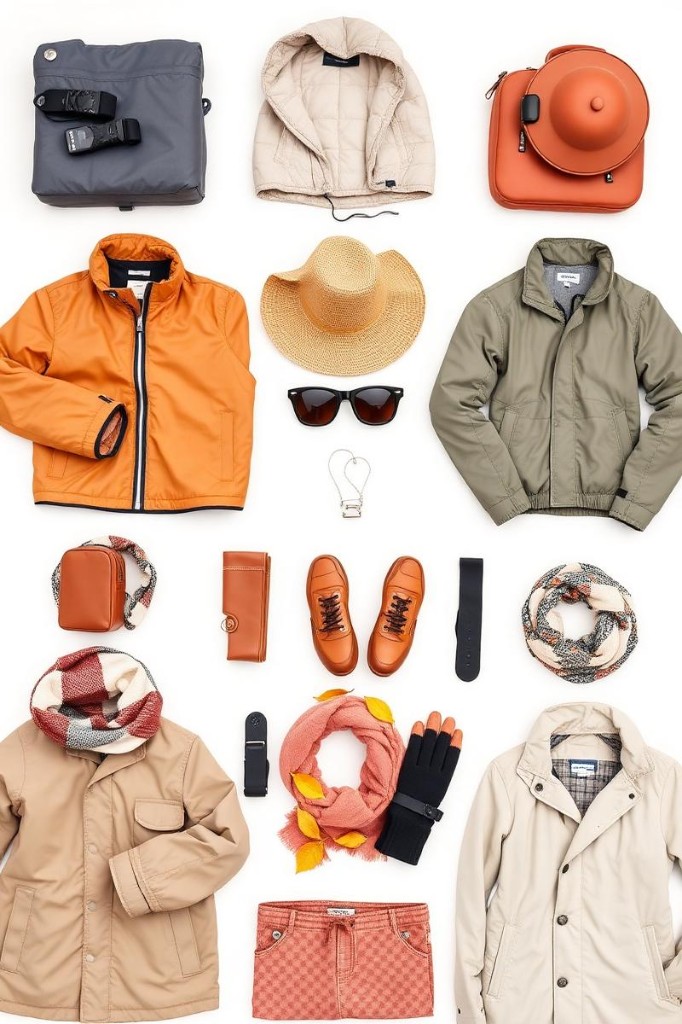
👕 Seasonal packing

Dry Season (May-October): • Waterproof hiking shoes • Windbreaker for cool mornings • Swimsuit and sunscreen • Long pants for evenings

Wet Season (November-April): • Light, breathable clothing • Light raincoat or poncho • Waterproof shoes • Mosquito repellent • Hat and sunglasses
Travel clothing and gear by season

💰 Seasonal budget

PeriodAccommodation (€/night)Transport (€/day)Restaurants (€/day)Activities (€)Traffic
Dry Season (May-Oct)80-15025-4035-6020-80★★★★★
Wet Season (Nov-Apr)60-12020-3530-5015-60★★★
Cyclonic Period (Jan-Mar)50-10015-3025-4510-40★★
Year-End Holidays100-20030-5045-8025-100★★★★

💡 Money-saving tips

Accommodation: Book 3-6 months in advance in the dry season • Transport: Car rental recommended, fuel is expensive • Dining: Economical local markets, tourist restaurants are more expensive • Activities: Many free hikes, paid diving and excursions • Shopping: Expensive imported products, affordable local crafts

🏥 Health and precautions

Tropical Sun: Enhanced sun protection is mandatory • Mosquitoes: Repellent is essential in the wet season • Hydration: Drink regularly, tap water is potable • Hiking: Proper footwear, risk of falling rocks • Swimming: Be aware of currents, occasional jellyfish • Pharmacies: Well-stocked in Nouméa, limited in the bush

Major Events

Calendar of must-see events in Grande Terre

Grande Terre vibrates to the rhythm of unique cultural events blending Kanak traditions and Oceanian influences, creating exceptional cultural richness that transforms the island's atmosphere according to the seasons.

🎭 Pacific Arts Festival (July-August)

A major cultural event celebrating traditional and contemporary Pacific arts with performances, exhibitions, and workshops. The festive atmosphere turns Nouméa into an Oceanian cultural capital.

Location: Tjibaou Cultural Center and sites in Nouméa

Specialty: Meetings between artists from across the Pacific

Climate Impact: Ideal dry season, maximum attendance, reservations essential

Access: Special shuttles from the city center

Tip: Book accommodation 6 months in advance

🏁 New Caledonia Cycling Tour (October)

An international cycling competition crossing Grande Terre from north to south, creating a unique sporting atmosphere with spectacular stages through Caledonian landscapes. Roads turn into popular festive routes.

Location: Entire island, varying start and finish points

Specialty: Route through all microclimates

Climate Impact: End of dry season, optimal conditions, modified traffic

Access: Free viewing points along the route

Tip: Follow the mountain stages for the atmosphere

🎄 Year-End Festivities (December-January)

Celebrations blending French traditions and Oceanian customs with tropical Christmas markets, outdoor concerts, and fireworks on the beaches. The unique festive atmosphere combines a Southern Hemisphere summer with the Christmas spirit.

Location: Nouméa and bush communes

Specialty: Christmas in summer with local traditions

Climate Impact: Start of wet season, warm temperatures, possible thunderstorms

Access: Enhanced public transport

Tip: Book very early, this is the most expensive period

Seasonal events

Dry Season: • Film Festival (June) • Bourail Fair (August) • Heritage Days (September)

Wet Season: • Nouméa Carnival (February) • Yam Festival (March) • Tourism Fair (November)

Recurring Events: • Weekly night markets • Traditional music festivals • Outrigger canoe competitions

Responsible Travel

Grande Terre offers the opportunity for tourism that respects the fragile Pacific environment and ancestral Kanak cultures, by prioritizing sustainable and ethical travel choices.

Responsible tourism in Grande Terre involves respecting sacred Kanak sites, protecting the UNESCO-listed lagoon, preserving endemic biodiversity unique in the world, and supporting the local economy through traditional crafts and community-based ecotourism.

🌱 Low-season advantages

Visiting in the wet season reduces tourist pressure on fragile sites, allows for a more authentic discovery of local communities, offers advantageous rates, and contributes to a balanced distribution of tourist flows.

♻️ Sustainable travel tips

Transport: Favor public transport or carpooling • Accommodation: Choose ecolodges or family guesthouses • Activities: Local Kanak guides, respect for sacred sites • Consumption: Local products, traditional crafts • Waste: Zero plastic waste, selective sorting • Water: Save precious fresh water

🏙️ Local sustainable initiatives

Grande Terre is developing community ecotourism with botanical trails managed by tribes, protected marine areas, participatory reforestation programs, environmental certification of accommodations, and awareness-raising regarding the protection of the lagoon and its exceptional biodiversity.

Our Recommendations

Recommendations for your trip to Grande Terre

Our climate and cultural analyses reveal that Grande Terre is best discovered during three distinct periods. The dry season offers optimal conditions for adventure and discovery, while the intermediate periods allow for a perfect balance between favorable weather and authenticity. The choice depends on your priorities: climate comfort, budget, tourist crowds, and the type of experiences sought.

🌟 Optimal Period: May to October

Recommended Months: June, July, August, September

Advantages:
• Perfect weather conditions
• Calm sea and excellent visibility for diving
• All hiking trails accessible
• Low risk of precipitation
• Ideal temperatures for all activities

Key Events: Pacific Arts Festival, Bourail Fair

Disadvantages: Maximum crowds, high prices

Ideal Profile: Adventure seekers, divers, hikers

Stay Duration: 10-14 days recommended

⚖️ Interesting Alternative: April and November

Alternative Months: April, November

Description: Transition periods offering an excellent compromise between acceptable weather conditions and moderate attendance, with more accessible rates.

Specific Advantages: Fewer tourists, moderate prices, nature in transition, authentic local events

For Whom: Flexible travelers, medium budgets, families, cultural discovery

👥 Tips for your travel style

Family: May-September, west coast, gentle activities, family accommodation
Budget: November-April, camping, free hikes, local markets
Culture: All year round, cultural centers, tribal encounters, festivals
Adventure: June-September, hiking, diving, water sports
Relaxation: May-October, spas, beaches, slow pace, west coast

⚠️ Periods to avoid: January to March

Months not recommended: January, February, March

Reasons: High cyclonic risk, significant rainfall, excessive humidity, some activities limited

Nuances: Acceptable for beach or cultural stays with flexibility

Villes du même pays

All cities

Frequently Asked Questions

Find answers to essential questions to plan your trip to Grande Terre based on the climate and specificities of this Pacific island.

What is the best month to visit Grande Terre?

The months of June to September offer the best conditions with a dry climate, pleasant temperatures (15-24°C / 59-75°F), and excellent visibility for diving. It is the ideal period for hiking, water sports, and exploring the island. However, it is also the high tourist season with higher prices and significant crowds.

How many days should I plan for Grande Terre?

Count on a minimum of 7 days to discover the essentials: Nouméa, the west coast, and a few natural sites. For a complete exploration including hiking, diving, cultural encounters, and relaxation, plan for 10 to 14 days. Trekking and nature enthusiasts can easily fill 3 weeks by adding the Loyalty Islands.

What to do in Grande Terre when it rains?

Rain is never a deal-breaker! Visit the Tjibaou Cultural Center, the Nouméa Aquarium, or covered markets to discover local crafts. Spas and wellness centers offer a relaxing break. Museums and cultural centers allow for a deeper understanding of Kanak culture. Many activities remain possible with a simple waterproof jacket.

What events should not be missed in Grande Terre?

The Pacific Arts Festival (July-August) is the major cultural event, unique in Oceania. The Cycling Tour (October) enlivens the entire island. Year-end festivities offer an original tropical Christmas. In the wet season, the Nouméa Carnival (February) and the Yam Festival (March) reveal authentic Caledonian culture.

What budget should I plan according to the season?

In the dry season, expect 120-200€/day/person (accommodation, meals, transport, activities). In the wet season, prices drop by 20-30%: 80-150€/day. New Caledonia remains expensive (imported goods), but nature activities are often free. Plan a higher budget than for Asian destinations but comparable to Australia.