When to visit New Caledonia? A Complete Guide

Between tropical climate and oceanic influences, New Caledonia reveals contrasting seasons that will transform your travel experience.

  • 0.27 M population
  • French language
  • 120 days rainy days/year
  • May to October best time to visit
  • 10 to 15 days recommended stay

Weather and Climate of New Caledonia

Understanding the tropical oceanic climate of New Caledonia

New Caledonia enjoys a tropical oceanic climate influenced by southeast trade winds and the proximity of the Pacific Ocean. This unique geographical location creates two distinct climatic zones that determine your travel experience depending on the chosen period.

  • West and South Coast: Drier zone protected by the central mountain range, more stable temperatures
  • East Coast: More humid zone exposed to trade winds, higher rainfall and lush vegetation
MonthTemperature (°C / °F)Precipitation (mm / in)Humidity (%)Conditions
January24-30°C / 75-86°F120 / 4.780Hot and humid
April22-28°C / 72-82°F80 / 3.175Pleasant transition
July18-24°C / 64-75°F40 / 1.665Dry and cool
October20-26°C / 68-79°F60 / 2.470Ideal

The altitude variations of the central range (up to 1,628m / 5,341ft at Mount Panié) create microclimates with cooler temperatures at higher elevations and variable rainfall depending on exposure to prevailing winds.

The Seasons in New Caledonia

Climate by Region in New Caledonia

The New Caledonian archipelago presents remarkable climatic diversity due to the central mountainous relief that creates a barrier effect. This geographical configuration generates distinct microclimates between the east and west coasts, directly influencing your choice of destination according to your meteorological preferences.

🏖️ Grande Terre - West Coast

The west coast enjoys a drier and sunnier climate, protected from humid trade winds by the central range. Nouméa and its surroundings offer stable weather conditions with less rainfall.

PeriodConditionsTemperatureActivities
May-OctDry and sunny20-26°C / 68-79°FBeaches, diving, city-tour
Nov-AprilHot and humid25-30°C / 77-86°FNightlife, museums, shopping

Specifics: Rainfall 30% lower than the east coast, weaker winds, calmer sea for water activities.

🌿 Grande Terre - East Coast

The east coast has a more humid and green climate, directly exposed to Pacific trade winds. This region offers lush landscapes and exceptional biodiversity thanks to more abundant rainfall.

PeriodConditionsTemperatureActivities
May-OctCool and breezy18-24°C / 64-75°FHiking, nature observation
Nov-AprilTropical humid23-29°C / 73-84°FWaterfalls, forests, photography

Specifics: Higher rainfall, dense vegetation, rivers fed year-round, altitude microclimates.

🏝️ Loyalty Islands

The Loyalty Islands (Ouvéa, Lifou, Maré) enjoy a more temperate oceanic climate with constant sea breezes. These coral atolls offer ideal conditions for seaside activities.

PeriodConditionsTemperatureActivities
May-OctPerfect22-27°C / 72-81°FDiving, snorkeling, beaches
Nov-AprilBreezier26-30°C / 79-86°FKitesurfing, sailing, exploration

Specifics: Refreshing sea breezes, protected lagoons, fewer climatic variations, exposure to trade winds.

⛰️ Central Range

The central range offers a unique tropical mountain climate with cooler temperatures at altitude. This region reveals particular ecosystems and variable weather conditions depending on exposure.

PeriodConditionsTemperatureActivities
May-OctCool and dry15-22°C / 59-72°FHiking, trekking
Nov-AprilHumid and cloudy18-25°C / 64-77°FWildlife observation, botany

Specifics: Altitudinal thermal gradient, morning fog, orographic rainfall, remarkable endemic biodiversity.

Practical Guide for New Caledonia

Preparing for a trip to New Caledonia requires adapting to the tropical climatic specificities of the archipelago. This practical guide assists you with equipment choices, budget, and health precautions according to the seasons to optimize your comfort and safety during your stay.

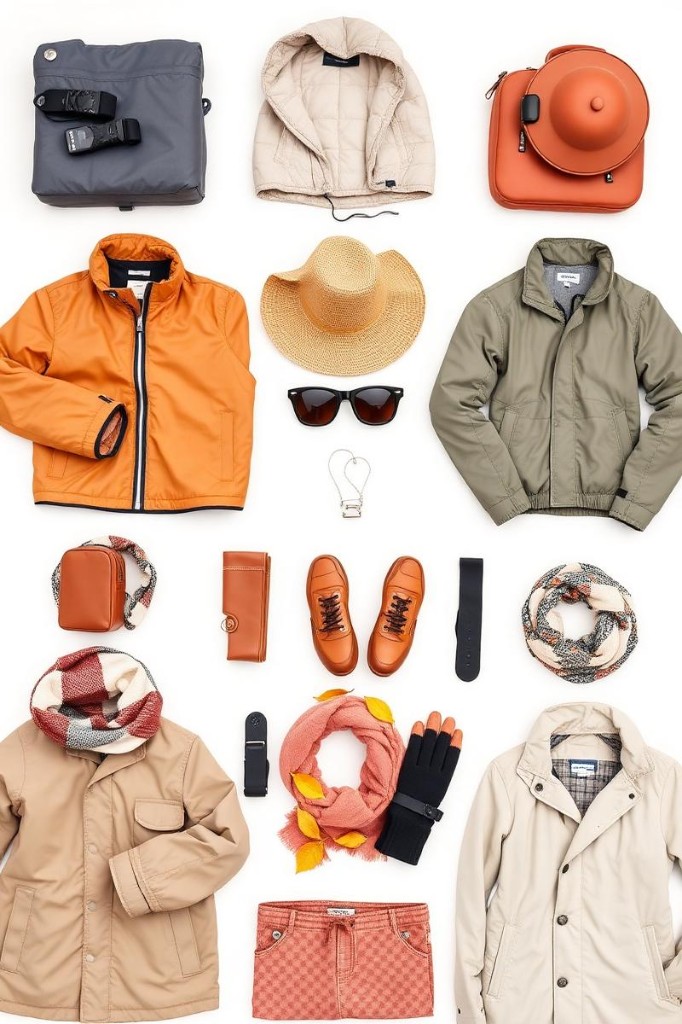
👕 Seasonal packing

Dry Season (May-October):

  • Light cotton or linen clothing
  • Light sweater for evenings
  • Hiking shoes
  • Sun protection (hat, sunglasses)
  • Windbreaker for the islands

Wet Season (November-April):

  • Breathable, quick-drying clothing
  • Light raincoat or poncho
  • Waterproof shoes
  • Mosquito repellent
  • Compact umbrella
Travel clothing and gear by season

💰 Seasonal budget

PeriodAccommodation (€)Transport (€)Activities (€)Crowds (/5)Savings Tips
May-July120-200150-25080-1504/5Book 3 months in advance
August-October150-250200-300100-1805/5Avoid school holidays
November-January80-150120-20060-1202/5Take advantage of promotions
February-April90-160130-22070-1303/5Negotiate rates

💡 Money-saving tips

  • Avoid August-September: Most expensive period due to Australian holidays
  • Book in advance: Preferential rates 4-6 months before for the dry season
  • Take advantage of low season: Savings up to 40% during the wet period
  • Compare islands: Loyalty Islands are often more affordable than Grande Terre
  • All-inclusive packages: Best rates for stays of 10+ days

🏥 Health and precautions

  • Enhanced sun protection: Very high UV index all year, SPF 50+ cream mandatory
  • Constant hydration: Drink 2-3L of water/day, especially in the wet season
  • Mosquito prevention: DEET repellents, covering clothing in the evening
  • Marine precautions: Water shoes for corals, jellyfish monitoring
  • Adapted kit: Anti-diarrheal medication, antiseptics, waterproof bandages
  • Travel insurance: Repatriation recommended, high medical costs

Events & Festivals in New Caledonia

Cultural calendar and festivities not to be missed in New Caledonia

New Caledonian cultural events punctuate the year and offer an authentic immersion into the archipelago's multicultural richness, blending Kanak traditions, French influences, and Oceanian cultures.

🎭 Pacific Arts Festival (July-August)

A major cultural event celebrating traditional and contemporary arts of the South Pacific. Dance, music, crafts, and gastronomy blend in an exceptional festive atmosphere that attracts artists from all over Oceania.

Location: Nouméa and Grande Terre municipalities

Special feature: The only event of this scale in the French-speaking Pacific

Climate impact: Scheduled during the dry season to ensure outdoor performances

🏁 New Caledonia Cycling Tour (October)

An international cycling competition crossing the spectacular landscapes of the archipelago. This major sporting event reveals the territory's geographical diversity while benefiting from the optimal climatic conditions of the late dry season.

Location: Grande Terre and Loyalty Islands circuit

Special feature: The only UCI cycling event in French Oceania

Climate impact: Organized to avoid excessive heat and rain

🌺 Yam Festival (February-March)

A traditional Kanak celebration marking the harvest of the yam, a sacred tuber in Melanesian culture. This ancestral festival reveals the importance of subsistence farming and natural cycles in traditional society.

Location: Tribes of Grande Terre and the islands

Special feature: Authentic millenary tradition preserved

Climate impact: Aligned with the wet season agricultural cycle

Seasonal events

Dry Season (May-October):

  • Pacific Young Talents Festival (June)
  • Tourism and Leisure Fair (August)
  • Bourail Fair (September)

Wet Season (November-April):

  • Dumbéa Country Festival (December)
  • Nouméa Carnival (February)
  • Melanesia 2000 Festival (March)

Responsible Travel in New Caledonia

Traveling responsibly in New Caledonia means respecting the fragility of tropical ecosystems, traditional Kanak cultures, and adapting your stay to the natural cycles of this unique South Pacific archipelago.

New Caledonia is home to ecosystems unique in the world with an exceptional rate of endemism. Respecting marine wildlife breeding seasons, protecting coral reefs, and being sensitive to climatic variations require a conscious and adapted tourism approach.

🌱 Low-season advantages

Traveling during the wet season reduces tourist pressure on fragile sites, supports the local economy during the off-season, and lowers your carbon footprint thanks to more accessible transport rates that encourage longer stays.

♻️ Sustainable travel tips

  • Reef respect: Biodegradable sunscreen, maintain distance from corals
  • Water management: Crucial savings in the dry season, rainwater harvesting
  • Local transport: Prefer buses and carpooling, limit inter-island flights
  • Waste: Plastic reduction, sorting, reusable packaging
  • Marine life: Observation without contact, respect turtle nesting periods
  • Local cultures: Photography authorization, purchase fair-trade crafts

🏙️ Local sustainable initiatives

The archipelago is developing innovative sustainable projects: solar farms, coral restoration programs, marine protected areas, Kanak community tourism initiatives, and reforestation projects with endemic species to fight erosion.

Our Expert Recommendations

Expert recommendations for your trip to New Caledonia

After analyzing multi-year climate data and field feedback, our recommendations are based on optimizing the weather/price/crowd ratio. New Caledonia's unique geographical position and its microclimates require precise planning to maximize your travel experience according to your priorities and traveler profile.

🏆 Optimal Period: May to September

Recommended months: May, June, July, August, September

  • Advantages: Stable and dry weather, ideal temperatures 20-26°C / 68-79°F, calm sea for diving, refreshing trade winds, low humidity
  • Disadvantages: High prices in August, mandatory reservations
  • Ideal profile: First-time visitors, families, diving enthusiasts, comfortable budget

⚖️ Balanced Alternative: October to November

Alternative months: October, early November

Description: Ideal transition between seasons offering good conditions with falling rates

  • Specific advantages: Best value for money, fewer crowds, nature turning green, pleasant temperatures

👥 Tips for your travel style

👨‍👩‍👧‍👦 Family: May-July for weather safety and adapted activities. Avoid cyclone season.

💰 Budget: November-April for substantial savings, accept weather constraints.

🏃‍♂️ Adventure: June-September for safe hiking and water sports.

🏨 Luxury: May-June or September for perfect conditions without the August crowds.

📸 Photographer: April-May for soft light and lush post-rain nature.

⚠️ Periods to avoid

  • January-March: Maximum cyclone risk, extreme humidity, intense rain
  • August: Highest prices, maximum crowds, difficult reservations

Cities to explore

Discover the must-sees of urban travel

All cities

Frequently Asked Questions

Find answers to essential questions to plan your trip to New Caledonia according to the archipelago's climatic and seasonal conditions.

What is the best time to avoid cyclones in New Caledonia?

The cyclone season runs from November to April with a peak risk in January-February. To completely avoid this risk, prefer the period from May to October. If you must travel during the wet season, choose November-December or April when the risk is lower.

Is it cold during the austral winter in New Caledonia?

The austral winter (June-August) remains very pleasant with temperatures of 18-24°C / 64-75°F. It never gets truly cold, but evenings can be chilly. Bring a light sweater and enjoy this ideal period for daytime activities.

Can you swim all year round in New Caledonia?

Yes, the water temperature varies between 22°C (72°F) in August and 27°C (81°F) in February, allowing for year-round swimming. In the dry season, the water is cooler but very pleasant, while in the wet season it becomes warmer and perfect for prolonged water activities.

What is the climate difference between the east and west coasts?

The west coast (Nouméa) is drier and sunnier, protected by the mountains. The east coast receives 30% more rainfall and is greener. For a first trip, the west coast offers more meteorological stability.

How should I dress according to the seasons in New Caledonia?

In the dry season: light cotton clothing, a sweater for evenings, and sun protection. In the wet season: quick-drying fabrics, a light raincoat, and waterproof shoes. In all cases, choose breathable clothing and reinforced UV protection.