When to visit Kathmandu? City-Trip Guide

Between millennial temples and Himalayan mountains, Kathmandu reveals different faces depending on the seasons and the monsoon.

  • 1.4 M population
  • Nepali, English language
  • 120 days rainy days/year
  • October to April best time to visit
  • 4 to 7 days recommended stay

Climate and weather in Kathmandu

Understanding the subtropical mountain climate of Kathmandu

Kathmandu enjoys a subtropical mountain climate at an altitude of 1,400 meters / 4,593 feet. The summer monsoon dramatically transforms the urban atmosphere, while the dry winter offers exceptional visibility of the Himalayas from the valley.

The Kathmandu Valley features a microclimate influenced by its altitude and geographical position, with notable variations between the dense city center and the surrounding hills.

MonthMin Temp (°C / °F)Max Temp (°C / °F)Precipitation (mm / in)Sunshine (h/day)Tourist TrafficRecommended Activities
January2°C / 36°F19°C / 66°F15mm / 0.6in7⭐⭐⭐⭐Temples, urban trekking
February4°C / 39°F22°C / 72°F20mm / 0.8in8⭐⭐⭐⭐⭐Festivals, heritage
March8°C / 46°F25°C / 77°F25mm / 1.0in8⭐⭐⭐⭐⭐Markets, historic districts
April12°C / 54°F28°C / 82°F60mm / 2.4in8⭐⭐⭐⭐Gardens, terraces
May16°C / 61°F29°C / 84°F120mm / 4.7in7⭐⭐⭐Museums, indoor sites
June19°C / 66°F29°C / 84°F240mm / 9.4in5⭐⭐Cultural centers
July20°C / 68°F28°C / 82°F360mm / 14.2in4Galleries, cafes
August20°C / 68°F28°C / 82°F340mm / 13.4in4Crafts, indoor activities
September18°C / 64°F28°C / 82°F200mm / 7.9in6⭐⭐End of monsoon
October13°C / 55°F26°C / 79°F40mm / 1.6in8⭐⭐⭐⭐⭐All outdoor activities
November7°C / 45°F23°C / 73°F5mm / 0.2in8⭐⭐⭐⭐⭐Trekking, panoramas
December3°C / 37°F20°C / 68°F10mm / 0.4in7⭐⭐⭐⭐Temples, spirituality

The altitude of 1,400 meters / 4,593 feet tempers summer heat and softens winters, creating pleasant conditions for urban exploration most of the year.

The seasons

Must-sees by weather

Kathmandu is full of attractions adapted to every weather condition, allowing you to optimize your discovery of the Nepali capital regardless of the weather.

☔ In cloudy/rainy weather

{ 'titre': 'Indoor & sheltered', 'intro': 'The monsoon reveals the mystical Kathmandu of sacred interiors and covered cultural spaces, perfect for spiritual immersion.', 'sites': '🏛️ National Museum of Nepal (2h, 200 NPR, Oct-Mar optimal)
🏛️ Hanuman Dhoka Palace and museums (3h, 1000 NPR, all year)
🙏 Covered Pashupatinath Temple (1h30, 1000 NPR, morning)
📿 Kopan Monastery (2h, free, afternoon)
🎭 Thamel cultural centers (1h, variable, evening)
🛍️ Covered markets of Asan Tole (2h, free, daytime)

', 'conseil_pratique': 'Online booking recommended to avoid queues. Museum pass available for 7 days.', 'astuce_supplementaire': 'Logical sequence of covered Durbar Square then museums, ideal for a full rainy day' }

☀️ In good weather

{ 'titre': 'Optimal outdoor', 'intro': 'Kathmandu’s clear sky reveals Himalayan panoramas and enhances the architecture of the valley’s open-air temples.', 'sites': '🏔️ Swayambhunath Hill panorama (2h, 200 NPR, sunrise)
🏛️ Kathmandu Durbar Square outdoor (3h, 1000 NPR, morning)
🙏 Boudhanath Stupa circumambulation (2h, 400 NPR, late afternoon)
🌸 Garden of Dreams (1h30, 200 NPR, afternoon)
🏔️ Nagarkot Himalayan excursion (day trip, transport 2000 NPR, early morning)
🚶 Thamel district stroll (2h, free, evening)

', 'meilleur_moment_journee': 'Sunrise at Swayambhunath for Himalayan panorama, golden hour at Boudhanath for spiritual atmosphere', 'conseil_saison': 'October-April optimal, avoid noon-2 PM in summer due to excessive heat on exposed sites' }

🌤️ Versatile for all weather

{ 'titre': 'Flexible', 'intro': 'Sites combining covered and open spaces, perfect for adapting to Kathmandu’s frequent weather changes.', 'sites': '🏛️ Full Pashupatinath complex (4h, indoor/outdoor)
🏛️ Patan Durbar Square and museum (3h, covered/uncovered)
🛍️ Thamel district covered/terraces (flexible, all day)

', 'astuce_meteo': 'Start with outdoor if weather is nice, retreat indoors if it changes, optimize according to conditions', 'exemple_itineraire': 'Morning Swayambhunath if clear, afternoon museums if cloudy, evening Thamel under arcades' }

💰 Free or economical

{ 'titre': 'Budget-friendly', 'sites': '🚶 Thamel and Freak Street stroll (free)
🙏 Local neighborhood temples (free, numerous)
🌅 Surrounding hill viewpoints (free)
🛍️ Asan Tole and New Road markets (free)

', 'jours_gratuits': 'Some museums free for residents, reduced rates for students with international card', 'astuces_budget': 'Free panoramas from restaurant terraces, authentic morning markets, typical residential neighborhoods' }

Practical guide

Kathmandu requires wardrobe adjustments based on extreme seasons and altitude. The city alternates between heat, cold, dryness, and monsoon, requiring versatility and preparation to optimize your city trip in the Himalayan capital.

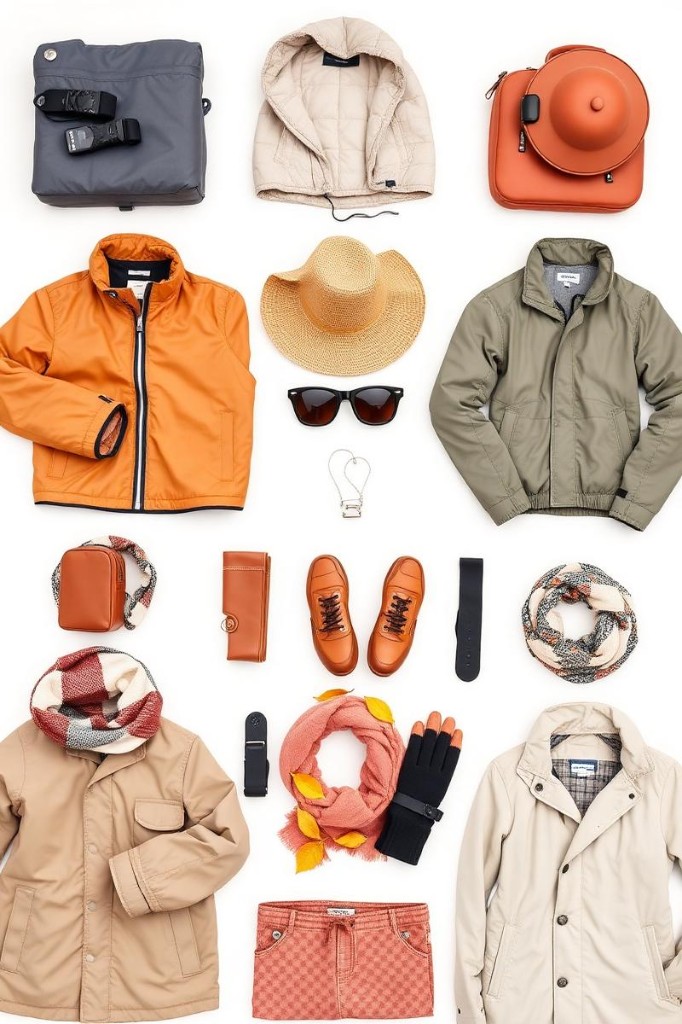
👕 Seasonal packing

**Winter (Dec-Feb)**: • Warm closed shoes • Fleece jacket for morning/evening • Layers • Beanie and gloves for mornings

**Spring (Mar-May)**: • Comfortable walking sneakers • Light jacket for evenings • Breathable clothing • Sun protection

**Monsoon (Jun-Sep)**: • Waterproof non-slip shoes • Quality raincoat • Compact umbrella • Quick-dry clothing

**Autumn (Oct-Nov)**: • Versatile shoes • Mid-season jacket • Layers • Festival accessories
Travel clothing and gear by season

💰 Seasonal budget

PeriodCity Center Accommodation (€/night)Transport (€/day)Restaurants (€/day)Attractions (€)Crowds
High season (Oct-Nov, Feb-Mar)25-605-88-1515-25⭐⭐⭐⭐⭐
Mid-season (Dec-Jan, Apr)15-404-66-1212-20⭐⭐⭐⭐
Low season (May, Sep)10-253-55-1010-15⭐⭐
Very low season (Jun-Aug)8-203-44-88-12

💡 Money-saving tips

Temple city pass: cost-effective for 4+ sites (30-40% savings) • Local restaurants: dal bhat 2-3€ vs tourist spots 8-12€ • Thamel accommodation: central but expensive, peripheral areas -50% • Local transport: bus/tempo 0.20€ vs taxi 3-5€ • Authentic markets: local prices vs tourist boutiques

🏥 Health and precautions

Altitude 1,400m / 4,593ft: increased hydration, rest on the first day • Urban pollution: mask recommended during winter peaks • Monsoon: watch for slippery ground, appropriate footwear • Drinking water: only sealed or purified bottles • Pharmacies: numerous in Thamel, 24h hospital guards • Insurance: mountain evacuation recommended

Urban events

Essential event calendar for Kathmandu

Kathmandu vibrates to the rhythm of millennial festivals that transform the urban atmosphere, color the streets, and bring the entire valley together in unique celebrations.

{ 'nom': 'Dashain - Major Festival (September-October)', 'description': 'The largest Nepali festival celebrating the victory of good over evil. Kathmandu is adorned with decorations, families gather, and a festive atmosphere fills every neighborhood with processions, kites, and colorful rituals in all temples.', 'lieu': 'Entire valley, concentrated in Durbar Square and Pashupatinath', 'particularite': 'General 3-day closure, unique family atmosphere, kites in the sky', 'impact_climat': 'Ideal post-monsoon, clear skies, maximum crowds, bookings essential 2 months in advance', 'acces_transport': 'Reduced public transport, walking preferred in city center, taxis are rare', 'conseil_anticipation': 'Accommodation booked 3 months ahead, family restaurants closed, food stocks' }
{ 'nom': 'Tihar - Festival of Lights (October-November)', 'description': 'A 5-day festival honoring animals and family bonds. Kathmandu sparkles with thousands of lights, houses are decorated with colorful rangoli, and the nocturnal atmosphere becomes magical with traditional songs echoing through the alleys.', 'lieu': 'Residential areas, Thamel, main squares', 'particularite': 'Spectacular illuminations, door-to-door singing, floral decorations', 'impact_climat': 'Perfect post-monsoon period, mild evenings, optimal visibility, high crowds', 'acces_transport': 'Dense evening traffic, walking recommended, crowded transport', 'conseil_anticipation': 'Accommodation with street view for illuminations, participation in singing encouraged' }
{ 'nom': 'Holi - Festival of Colors (March)', 'description': 'An explosion of spring joy where Kathmandu turns into a giant rainbow. Locals and visitors throw colored powders and water, creating a unique playful atmosphere in the streets, especially lively in Durbar Square and Thamel.', 'lieu': 'Kathmandu Durbar Square, Basantapur, Thamel district', 'particularite': 'Universal participation, social barriers abolished, spectacular photography', 'impact_climat': 'Ideal spring, mild temperatures, perfect for outdoor festivities', 'acces_transport': 'Closed city center streets, walking mandatory, colorful vehicles', 'conseil_anticipation': 'Sacrifiable clothing, camera protection, respectful participation' }

Seasonal events

**Winter**: • Buddha Jayanti (May, full moon) • Maghe Sankranti (January, solstice) • Tibetan Losar (February, New Year)

**Spring**: • Shivaratri (February-March, Pashupatinath) • Ghode Jatra (March-April, horse race) • Chaite Dashain (March-April)

**Summer**: • Rato Machhindranath (April-May, chariot procession) • Gai Jatra (August, cow festival) • Janai Purnima (August, sacred cord)

**Autumn**: • Indra Jatra (September, masked dance) • Kojagrat Purnima (October, Lakshmi) • Chhath (October-November, sun)

Responsible city trip

Kathmandu, a fragile world heritage site, requires respectful tourism of its millennial legacy and local population to preserve the authenticity of this unique Himalayan capital.

Responsible tourism in Kathmandu prioritizes walking in the old town, supports traditional local crafts, respects sacred sites according to customs, avoids plastic in a city without a developed recycling system, and favors community-based heritage preservation initiatives.

🌱 Low-season advantages

Visiting during the monsoon reduces tourist pressure on fragile sites, offers fair prices to locals, allows for authentic immersion in daily Nepali life, and decreases the environmental impact of transport.

♻️ Sustainable travel tips

Walking preferred: pedestrian historic center, reduced pollution • Local crafts: direct purchases from artisans vs imports • Family accommodations: local guesthouses vs international chains • Traditional cuisine: local dal bhat vs Western dishes • Local guides: direct support to communities • Plastic waste: reusable bottle, refuse plastic bags

🏙️ Local sustainable initiatives

Kathmandu is developing expanded pedestrian zones in the historic center, encouraging cycling with emerging bike lanes, supporting heritage restoration through UNESCO, promoting traditional crafts in fair-trade cooperatives, and raising awareness about waste sorting in tourist areas.

Our recommendations

Recommendations for your city trip to Kathmandu

After analyzing climatic conditions, tourist traffic, and cultural events, our recommendations prioritize periods offering the best balance between favorable weather, authentic atmosphere, and controlled budget. Kathmandu reveals its most beautiful faces outside the monsoon, with nuances depending on your travel priorities.

{ 'titre': 'Optimal period', 'mois': 'October to November', 'avantages': '• Exceptional post-monsoon visibility of the Himalayas • Major festivals Dashain and Tihar • Ideal temperatures 7-26°C / 45-79°F • Exceptionally pure air • Widespread festive atmosphere in the valley', 'evenements_phares': 'Dashain (September-October), Tihar Festival of Lights (October-November)', 'inconvenients': 'High tourist traffic, high accommodation prices (+50%)', 'profil_ideal': 'First visit, culture enthusiasts, photographers, romantic trip', 'duree_sejour': '5 to 7 days recommended' }
{ 'titre': 'Interesting alternative', 'mois': 'February to March', 'description': 'Excellent compromise with dry climate, decent visibility, pleasant temperatures, and the Holi festival. Less crowded than autumn but rich cultural atmosphere.', 'avantages_specifiques': 'Moderate accommodation prices, unique Holi festival, spring blooms, stable climate', 'pour_qui': 'Budget-conscious travelers, fans of participatory festivals, extended stays' }

👥 Tips for your travel style

**Family**: October-November or February-March, central Thamel accommodation, private transport, child-friendly sites, 4-5 days

**Budget**: May or September, local guesthouses, public transport, dal bhat restaurants, avoid high season

**Culture**: Festival period (October-November), local guides, homestays, ceremony participation, 6-7 days

**Romantic**: October-November, accommodation with Himalayan view, Swayambhunath sunsets, terrace restaurants, 4-5 days

**Weekend**: Any period outside monsoon, Thamel base, concentrated major sites, 3-4 days

**First trip**: October-April, guide recommended, comfortable accommodation, must-see sites, 5-6 days

{ 'titre': 'Periods to avoid', 'mois': 'June to August (monsoon)', 'raisons': 'Intense daily rains, zero mountain visibility, complicated travel, landslide risks', 'nuances': 'Acceptable for tight budgets, deep cultural immersion, photographers seeking mystical atmosphere' }

Villes du même pays

All cities

Frequently asked questions

Answers to essential questions for planning your city trip to Kathmandu according to the climate and specific Nepali cultural nuances.

What is the best month to visit Kathmandu?

October and November offer optimal conditions with a dry post-monsoon climate, exceptional visibility of the Himalayas, and major festivals like Dashain and Tihar. The alternative of February-March offers an excellent balance of climate, price, and culture with pleasant temperatures and the Holi festival. Avoid June-August (monsoon) unless on a very tight budget.

How many days should I plan for Kathmandu?

5 to 7 days allow for a complete discovery of major sites (Durbar Square, Swayambhunath, Boudhanath, Pashupatinath) at a pace adapted to the altitude. A 3-4 day weekend is suitable for the essentials, while 7-10 days include valley excursions (Bhaktapur, Patan) and deep cultural immersion with festival participation.

What to do in Kathmandu when it rains?

The monsoon reveals the mystical Kathmandu of interiors: National Museum, Hanuman Dhoka Palace, Thamel cultural centers, covered monasteries, and arcade-lined markets like Asan Tole. The spiritual atmosphere of temples in the rain offers a unique experience. Bring a quality raincoat and non-slip shoes for moving between sites.

Which events should not be missed in Kathmandu?

Dashain (September-October) turns the whole valley into a giant party, Tihar (October-November) illuminates the city with thousands of lights, and Holi (March) colors the streets in an explosion of joy. Shivaratri at Pashupatinath (February-March) attracts pilgrims from all over the world. Each festival offers incomparable cultural immersion into the Nepali soul.

What budget should I plan according to the season?

High season (October-November): 60-100€/day all-inclusive with comfortable accommodation. Mid-season (February-April): 40-70€/day balanced. Low monsoon season (June-August): 25-45€/day tight budget. Significant accommodation variations (+100% during festivals), local restaurants always affordable (dal bhat 2-3€), economical public transport (0.20€/trip).