When to visit Solukhumbu? Everest Trekking Guide

Discover the climatic secrets of the Everest region for an unforgettable trek in the Nepalese Himalayas.

  • 107,000 inhabitants population
  • Nepali, Sherpa language
  • 120 days rainy days/year
  • October to November and March to May best time to visit
  • 12 to 21 days recommended stay

Climate and weather in Solukhumbu

Understanding the Himalayan climate of the Everest region

The Himalayan climate of Solukhumbu varies drastically by altitude, ranging from subtropical at 1,500m / 4,921ft to polar above 5,000m / 16,404ft. The summer monsoon and high-altitude winds strongly influence trekking conditions toward Everest.

  • Subtropical zone (1,500-2,500m / 4,921-8,202ft): Mild climate, lush vegetation, main Sherpa villages
  • Temperate zone (2,500-4,000m / 8,202-13,123ft): Rhododendron forests, cool temperatures, Namche Bazaar
  • Alpine zone (4,000m+ / 13,123ft+): Extreme conditions, permanent snow, base camps
MonthTemp. min/max (°C / °F)Precipitation (mm / in)Sunshine (h/day)Tourist trafficTrekking conditions
January-8/8°C / 18/46°F15mm / 0.6in7⭐⭐Extreme cold, clear skies
February-6/10°C / 21/50°F20mm / 0.8in8⭐⭐Cold, exceptional views
March-2/13°C / 28/55°F25mm / 1.0in8⭐⭐⭐⭐Start of season, excellent
April2/16°C / 36/61°F35mm / 1.4in8⭐⭐⭐⭐⭐Ideal, rhododendrons
May6/18°C / 43/64°F65mm / 2.6in7⭐⭐⭐⭐⭐Excellent, pre-monsoon
June8/20°C / 46/68°F140mm / 5.5in6⭐⭐Start of monsoon
July10/21°C / 50/70°F285mm / 11.2in4Intense monsoon
August10/21°C / 50/70°F275mm / 10.8in4Continuous rain
September7/19°C / 45/66°F155mm / 6.1in6⭐⭐⭐End of monsoon
October2/16°C / 36/61°F35mm / 1.4in8⭐⭐⭐⭐⭐Perfect, crystal clear skies
November-3/12°C / 27/54°F10mm / 0.4in8⭐⭐⭐⭐Excellent, dry
December-6/9°C / 21/48°F8mm / 0.3in7⭐⭐Cold, clear views

Altitude causes extreme thermal variations: -6°C / 10.8°F for every 1,000m / 3,281ft of elevation. Between Lukla (2,840m / 9,318ft) and Everest Base Camp (5,364m / 17,598ft), the difference can reach 25°C / 45°F. Katabatic winds and the foehn effect locally modify weather conditions.

Himalayan seasons

Sites by weather conditions

Optimize your discovery of Solukhumbu by adapting your visits to weather conditions for a safe and enriching experience.

☔ In cloudy/rainy weather

Cultural and spiritual refuges

When clouds mask the peaks, dive into rich Sherpa culture sheltered from the elements.

Recommended sites:
🏛️ Tengboche Monastery - 2h visit - Free - Morning/evening ceremonies
🏛️ Namche Sherpa Museum - 1h30 - 200 NPR - Local history
🏠 Traditional villages Khumjung/Khunde - Half-day - Free
🏛️ Pangboche Monastery - 1h - Free - Oldest in the region
☕ Traditional tea houses - Variable - Cultural immersion

Practical tip: Book guided monastery tours online to avoid large groups

Additional tip: Combine several cultural sites with the Khumbu Cultural Pass to save money and enrich the experience
☀️ In good weather

Panoramas and iconic peaks

Take advantage of Himalayan clarity for spectacular viewpoints and high-altitude trekking.

Must-see sites:
🏔️ Kala Patthar (5,545m / 18,192ft) - 6h R/T - Optimal Everest view
🏔️ Gokyo Ri (5,357m / 17,575ft) - 4h R/T - 360° panorama of four 8,000m / 26,247ft peaks
🏔️ Everest Base Camp - 2 days - Iconic goal
🏔️ Hotel Everest View - 3h - View from 3,880m / 12,730ft altitude
🏔️ Syangboche airstrip - 1h - Accessible viewpoint

Best time of day: Sunrise (6am-7am) for golden light on Everest, avoid afternoon fog

Seasonal tip: October-November and March-May are optimal, avoid monsoon June-September

🌤️ Versatile for all weather

Adaptable experiences

Sites offering indoor/outdoor alternatives depending on changing weather conditions.

Flexible sites:
🏘️ Namche Bazaar - Covered market + outdoor streets
🌉 Hillary suspension bridges - Partial protection, variable views
🏥 Khunde Hospital - Educational visit, heated interior

Weather tip: Check local forecasts every morning to optimize your day's itinerary

Example itinerary: Museum in the morning if cloudy, viewpoint in the afternoon if clearings appear

💰 Authentic experiences

Free cultural immersion

Free discoveries of Sherpa culture and Himalayan traditions.

No-cost sites:
🏘️ Traditional Sherpa villages - Free
🙏 Prayer wheels and chortens - Free
🌄 Accessible viewpoints - Free
🎭 Public monastic ceremonies - Free

Free experiences: Participation in morning ceremonies in monasteries (6am), Saturday local market in Namche

Budget tips: Short hikes around villages, observing local life, exchanges with Sherpa families

Mountain practical guide

Prepare your Himalayan adventure with our specialized recommendations to face the extreme conditions of Everest safely and optimize your budget according to the seasons.

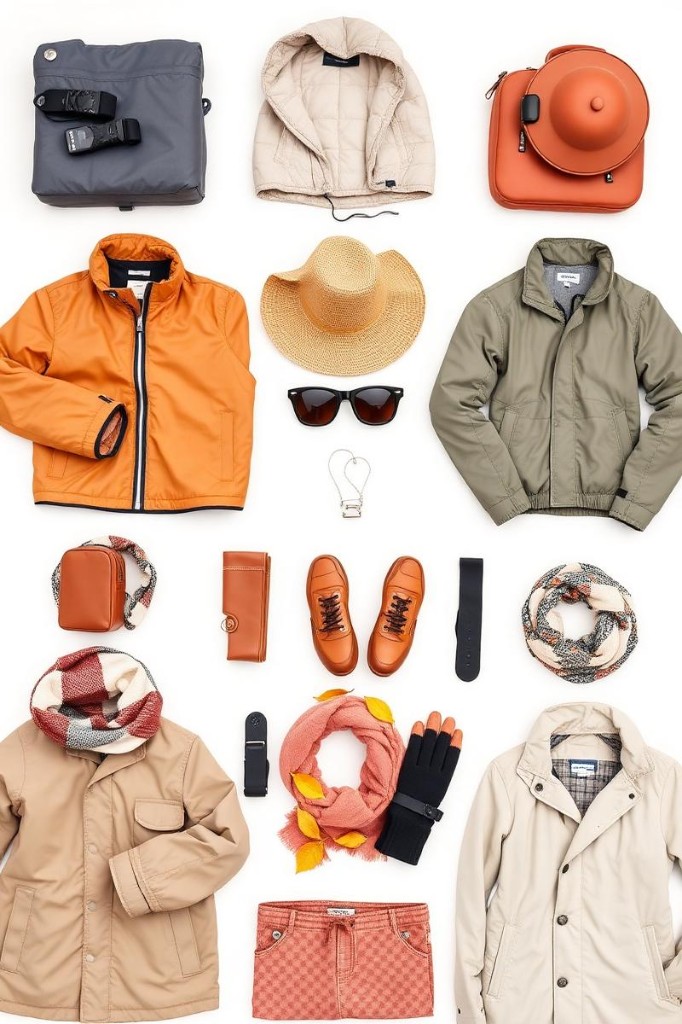
👕 Seasonal packing

Spring/Autumn: • Waterproof high-cut trekking boots • 3-layer system (breathable base, insulating fleece, waterproof shell) • Warm gloves and hat • Category 4 sunglasses • Anti-snow gaiters

Summer/Monsoon: • Full rain poncho • Waterproof shoes with non-slip soles • Quick-dry clothing • Waterproof over-pants • Dry bag for electronics

Winter: • Extreme cold equipment (-20°C / -4°F) • Expedition down jacket • Thermally insulated boots • Hand warmer system • Face protection mask
Travel clothing and gear by season

💰 Seasonal budget

PeriodLodge (€/night)Meals (€/day)Guide/Porter (€/day)Permits (€)Traffic
March-May15-2525-3525-3045⭐⭐⭐⭐
June-Sept8-1515-2520-2545
Oct-Nov20-3530-4030-3545⭐⭐⭐⭐⭐
Dec-Feb10-1820-3022-2845⭐⭐

💡 Money-saving tips

Save by booking Kathmandu-Lukla flights 3 months in advance (30% savings), opt for community lodges rather than private hotels, negotiate guide rates in low season, favor local dal bhat (rice-lentils) meals which are more economical than Western dishes, invest in a high-performance sleeping bag to avoid daily rental.

🏥 Health and precautions

Altitude sickness: progressive acclimatization mandatory, max ascent 500m / 1,640ft per day above 3,000m / 9,843ft • Hypothermia: monitor body temperature, dry clothes imperative • Altitude dehydration: 4-5L / 1.1-1.3 gal water/day minimum • UV protection: SPF 50+ cream, intense snow glare • First aid kit: diamox, painkillers, high-altitude bandages • Evacuation insurance: helicopter mandatory, 6,000m / 19,685ft coverage minimum

Sherpa cultural events

Calendar of traditional festivities in the Everest region

Sherpa celebrations pace the spiritual life of Solukhumbu, offering trekkers an authentic immersion into millennial Himalayan culture.

🎭 Mani Rimdu Festival (October-November)

An exceptional sacred spectacle at Tengboche Monastery, blending traditional masked dances, Tibetan music, and Buddhist ceremonies. Monks reenact the victory of good over evil in a grandiose spiritual theater.

Location: Tengboche Monastery (3,867m / 12,687ft), direct view of Everest

Specialty: Only major high-altitude festival, ritual dances passed down for 400 years

Climate impact: Ideal post-monsoon period, peak attendance, lodge reservations essential 6 months in advance

Transport access: Trekking mandatory from Lukla (3-4 days walking), no motorized access

Planning tip: Book Tengboche lodge from January, cultural guide recommended to understand symbolism

🌸 Dumje Festival (June-July)

Summer celebration of the birth of Guru Rinpoche, founder of Tibetan Buddhism. Despite the monsoon, Sherpa communities maintain this tradition with fervor in mid-altitude villages.

Location: Monasteries of Khumjung, Pangboche, and Sherpa villages

Specialty: Most authentic festival, few tourists, intense local participation

Climate impact: Monsoon period, difficult conditions but unique cultural experience, lodges open in main villages

Transport access: Access possible but trails are muddy, rain gear essential

Planning tip: Flexibility in dates required depending on weather, local guide essential for navigation

🏔️ Everest Day (May 29)

Commemoration of the first ascent of Everest by Hillary and Tenzing in 1953. Official Nepalese celebrations and tributes to the pioneers of Himalayan mountaineering throughout the Khumbu region.

Location: Namche Bazaar, Tengboche, Lukla - multiple ceremonies

Specialty: Blend of Sherpa culture and world mountaineering history, presence of Hillary/Tenzing families

Climate impact: End of dry season, start of pre-monsoon, conditions still favorable, moderate attendance

Transport access: Regular Lukla flights, weather conditions generally stable

Planning tip: Ideal period to combine trekking and culture, standard reservations sufficient

Seasonal events

Spring: • Losar (Tibetan New Year, February-March) in monasteries • Saga Dawa (Buddha's birth, May) special ceremonies • Local Sherpa village festivals

Summer: • Janai Purnima (August) sacred thread change • Gai Jatra (August) sacred cow festival • Teej (August-September) women's celebrations

Autumn: • Dashain (October) biggest Nepalese festival • Tihar (November) festival of lights • Chhath (November) sun worship

Winter: • Tamu Lhosar (December) Gurung New Year • Maghe Sankranti (January) winter solstice • Maha Shivaratri (February-March) night of Shiva

Responsible trekking in the Himalayas

Preserve the fragile Himalayan ecosystem and support Sherpa communities through tourism that respects the environment and ancestral local traditions.

Responsible tourism in the Himalayas involves protecting fragile high-altitude ecosystems, respecting Sherpa Buddhist traditions, managing waste in high mountains, supporting the local economy, and reducing the carbon footprint in preserved environments.

🌱 Low-season advantages

Trekking outside tourist seasons reduces environmental pressure on fragile trails, offers a more authentic cultural experience with local communities, and decreases the impact on limited resources like water and firewood.

♻️ Sustainable travel tips

Use certified local Sherpa guides and porters, favor community lodges over private structures, carry your non-organic waste back to Lukla, use water purification tablets instead of plastic bottles, respect sacred Buddhist sites, opt for durable and repairable equipment, and offset your international flight carbon footprint.

🏙️ Local sustainable initiatives

The region is developing eco-responsible programs: community waste management with sorting centers in Namche, participatory reforestation with native rhododendrons, guide training in sustainable practices, solar and biogas lodges, wildlife protection with village committees, and visitor awareness regarding environmental impact.

Our Everest recommendations

Expert recommendations for your trekking in Solukhumbu

Our in-depth climate analyses and field expertise reveal the optimal periods to discover the Everest region. Himalayan weather conditions, seasonal tourist traffic, Sherpa cultural festivals, and price variations determine the quality of your trekking experience. Our selection prioritizes high-altitude safety, visibility of iconic peaks, and authentic cultural immersion.

🏆 Optimal period

Months: October to November

Advantages:
• Exceptional visibility of Everest and 8,000m / 26,247ft peaks
• Perfect trekking conditions with meteorological stability
• Mani Rimdu and Tihar festivals for cultural immersion
• Ideal temperatures for high altitude
• Crystal clear post-monsoon air for photography

Key events: Mani Rimdu festival at Tengboche, national Dashain, Tihar festival of lights

Disadvantages: High international traffic, lodge rates at their peak

Ideal profile: All levels of trekkers, first Himalaya experience, photographers

Stay duration: 14 to 18 days recommended

🌸 Spring alternative

Months: March to May

Description: Magical period with rhododendron blooms, mild temperatures, and excellent visibility. Less crowded than in autumn but conditions are near-perfect.

Specific advantages: Unique floral spectacle, moderate rates, gradual increase in traffic, optimal acclimatization conditions

For whom: Nature lovers, botanical photographers, trekkers seeking a quality-price balance

👥 Tips for your travel style

Family with children: March-April or October, Namche/Tengboche lodges, 10-12 days maximum, guide mandatory

Tight budget: January-February or June, community lodges, local dal bhat cuisine, avoid high season

Photographers: October-November sunrise, March-May rhododendrons, cold/humidity protection equipment

First Himalaya trek: October or April, experienced guide, evacuation insurance, progressive acclimatization

Confirmed mountaineers: December-February extreme conditions, May pre-monsoon, extreme cold equipment, total autonomy

⚠️ Periods to avoid

Months: June to September (monsoon)

Reasons: Dangerous weather conditions with slippery trails, zero visibility of peaks, landslide risks, Lukla flights frequently canceled

Nuances: Acceptable for very experienced trekkers seeking extreme solitude and minimal rates

Villes du même pays

All cities

Frequently Asked Questions

Answers to essential questions for planning your trekking in the Everest region according to Himalayan weather conditions.

What is the best month to visit Solukhumbu?

October and November offer optimal conditions with exceptional visibility of Everest, meteorological stability, and mild temperatures. March to May is an excellent alternative with rhododendron blooms and fewer crowds. Avoid June-September (monsoon) unless you are a very experienced trekker seeking extreme solitude.

How many days should I plan for Solukhumbu?

Count on 14 to 18 days minimum for an Everest Base Camp trek with safe acclimatization. Experienced trekkers can reduce this to 12 days, while families or first-time trekkers require 18-21 days. Add 2-3 days of buffer for Lukla flights potentially delayed by weather. Progressive acclimatization is non-negotiable above 3,000m / 9,843ft.

What to do in Solukhumbu in case of bad weather?

Take refuge in the monasteries of Tengboche or Pangboche to discover Sherpa spirituality, visit the Sherpa Museum in Namche Bazaar, participate in morning Buddhist ceremonies, explore the traditional villages of Khumjung/Khunde, or enjoy the hospitality of lodges with cultural exchanges. These alternatives enrich the experience beyond simple trekking.

Which events should not be missed in Solukhumbu?

The Mani Rimdu festival (October-November) at Tengboche Monastery remains the major cultural event with sacred masked dances. Everest Day (May 29) commemorates the historic Hillary-Tenzing ascent. Seasonal festivals like Dashain (October) and Tibetan Losar (February-March) offer authentic immersion in Sherpa culture but require flexibility based on weather conditions.

What budget should I plan for based on the season?

Expect 80-120€ / $85-130 per day in high season (October-November, April-May) including lodge, meals, guide, and permits. Low season (December-February, June-September) reduces costs to 50-70€ / $55-75 per day but with weather constraints. Add 500-800€ / $540-860 for international flights and Kathmandu-Lukla, plus 200€ / $215 for specialized equipment if necessary. Helicopter evacuation insurance (100-150€ / $110-160) is mandatory.