When to visit Korhogo? City-Trip Guide

From the cool dry season to the generous rains, Korhogo reveals a unique Senufo soul in every season.

  • 0.6 M population
  • French, Senufo (Dioula, Tagbana) language
  • 90 days rainy days/year
  • November to February best time to visit
  • 3 to 5 days recommended stay

Weather and Climate Trends in Korhogo

Understanding the Tropical Savanna Climate of Korhogo

Korhogo enjoys a tropical savanna climate (Köppen type Aw), characterized by a marked alternation between dry and rainy seasons. Located approximately 450 km / 280 miles north of Abidjan at an altitude of 350 m / 1,148 ft, the city is influenced by the harmattan, a hot, dry wind from the Sahara that dries out the air between December and February. Heat is present year-round, with intense peaks in March and April.

MonthMin Temp (°C / °F)Max Temp (°C / °F)Precipitation (mm / in)Sunshine (h/day)Tourist FootfallRecommended Activities
January17°C / 63°F33°C / 91°F5 mm / 0.2 in8.5⭐⭐⭐Artisan market, walks, weavers
February19°C / 66°F35°C / 95°F15 mm / 0.6 in8.0⭐⭐⭐Traditional villages, blacksmiths
March23°C / 73°F39°C / 102°F40 mm / 1.6 in7.5⭐⭐Early morning visits, museum
April24°C / 75°F39°C / 102°F80 mm / 3.1 in6.5⭐⭐Indoor sites, covered market
May22°C / 72°F35°C / 95°F120 mm / 4.7 in6.0⭐⭐Green landscapes, nature
June21°C / 70°F32°C / 90°F155 mm / 6.1 in5.0Cultural discovery, crafts
July21°C / 70°F30°C / 86°F165 mm / 6.5 in4.5Museum, artisan workshops
August20°C / 68°F29°C / 84°F195 mm / 7.7 in4.0Cultural immersion, green bush
September20°C / 68°F30°C / 86°F175 mm / 6.9 in5.0Crafts, local market
October20°C / 68°F32°C / 90°F105 mm / 4.1 in6.0⭐⭐Return to dry season, walks
November18°C / 64°F33°C / 91°F20 mm / 0.8 in8.0⭐⭐⭐All activities, Senufo villages
December16°C / 61°F32°C / 90°F5 mm / 0.2 in9.0⭐⭐⭐Festivities, market, nightlife

The Seasons in Korhogo

Must-sees in Korhogo by Weather

Whether the sky is radiant or cloudy, Korhogo offers unforgettable experiences. Organize your visits according to the daily weather to optimize every hour of your stay in this cultural capital of northern Ivory Coast.

☔ In Cloudy or Rainy Weather

Indoor & Sheltered in Korhogo

During rainy days, the artisan workshops and covered sites of Korhogo prove to be exceptional cultural refuges. Rain does not mean boredom here, quite the contrary.

  • 🎨 Korhogo Weaver Workshop (Waranièné village) — allow 1.5 hours, free entry with appreciated tip — open year-round
  • 🔨 Koni Blacksmith Village — traditional forge demonstrations, 45 min, free access — ideal year-round
  • 🏛️ Senufo Arts and Traditions Museum — 2 hours, indicative price 1,000 FCFA — optimal in rainy season
  • 🖼️ Korhogo Canvas Painting Workshops — purchase possible, 1 hour, pay what you want — year-round
  • 🛒 Korhogo Covered Grand Market — total immersion, 1 to 2 hours, free — daily

Practical Tip: Bring small bills for artisans; negotiation is welcome but respectful. No reservation necessary, but arriving early in the morning ensures the best welcome.

Tip: Combine weavers, blacksmiths, and painting workshops in one morning for a complete discovery of Senufo crafts.
☀️ In Good Weather

Optimal Outdoors around Korhogo

Under a beautiful sun — ideally from November to February — the surroundings of Korhogo transform into an exceptional discovery ground. The light is perfect for photography and the savanna landscapes are striking.

  • 🏔️ Mount Korhogo — panoramic hike, 2 hours, 360° view, best early in the morning
  • 🌳 Niofoin Village — classified Senufo tower-huts, 1.5 hours, free access + local guide recommended
  • 🐘 Comoé National Park (excursion, 150 km / 93 miles) — wildlife, full day, best in dry season
  • 🕌 Great Mosque of Korhogo — Sudanese architecture, 30 min, exterior free
  • 🌅 Senufo Village Road — bush excursion, half-day, guide advised

Best Time of Day: Sunrise on Mount Korhogo (extraordinary photographic golden hour) and sunset from the heights for orange light on the savanna.

Season Tip: Prioritize December to February for optimal comfort. Avoid outings between 11:00 AM and 4:00 PM in March-April (extreme heat).

🌤️ Versatile for Any Weather

Flexible Sites by Conditions

Some sites in Korhogo combine covered spaces and outdoor discovery, offering you total flexibility regardless of the weather.

  • 🛒 Korhogo Grand Market — partially covered, total immersion, 1 to 2 hours
  • 🎭 Korhogo Cultural Center — exhibitions and shows, variable program, 1 hour minimum
  • 🕌 Mosque Historic District — walk + visit, covered and outdoor, 45 min

Weather Tip: Start at the market at opening (6:00 AM), take refuge in artisan workshops in case of a downpour, then resume the walk once the rain stops.

Example Itinerary: 6:00 AM Central Market → 8:00 AM Weaver workshops (Waranièné) → 11:00 AM Senufo Museum → 2:00 PM Local lunch break → 4:00 PM Historic district walk → 6:00 PM Sunset from Mount Korhogo.

💰 Free or Economical

Korhogo for Free or Almost

  • 🚶 Waranièné Weaver District — free observation of artisans at work
  • 🕌 Great Mosque Exterior — remarkable architecture, free exterior access
  • 🌳 Weekly Bush Market — free, authentic atmosphere, days vary by village
  • 🌅 Panoramas from the heights of Korhogo — free access, exceptional sunset

Free Days: Weekly markets in surrounding villages (Sinématiali, Dikodougou) are free and extraordinarily authentic.

Budget Tips: Eat at the local market (dishes from 500 FCFA), opt for family guesthouse accommodation, negotiate your craft purchases directly at the workshop.

Korhogo Practical Guide

Preparing for a stay in Korhogo requires some adjustments depending on the chosen season. Heat is omnipresent, but its intensity varies considerably between the relative coolness of December and the 39°C / 102°F of April. Your equipment, budget, and schedule must reflect this tropical reality to fully enjoy this jewel of northern Ivory Coast.

👕 Seasonal packing

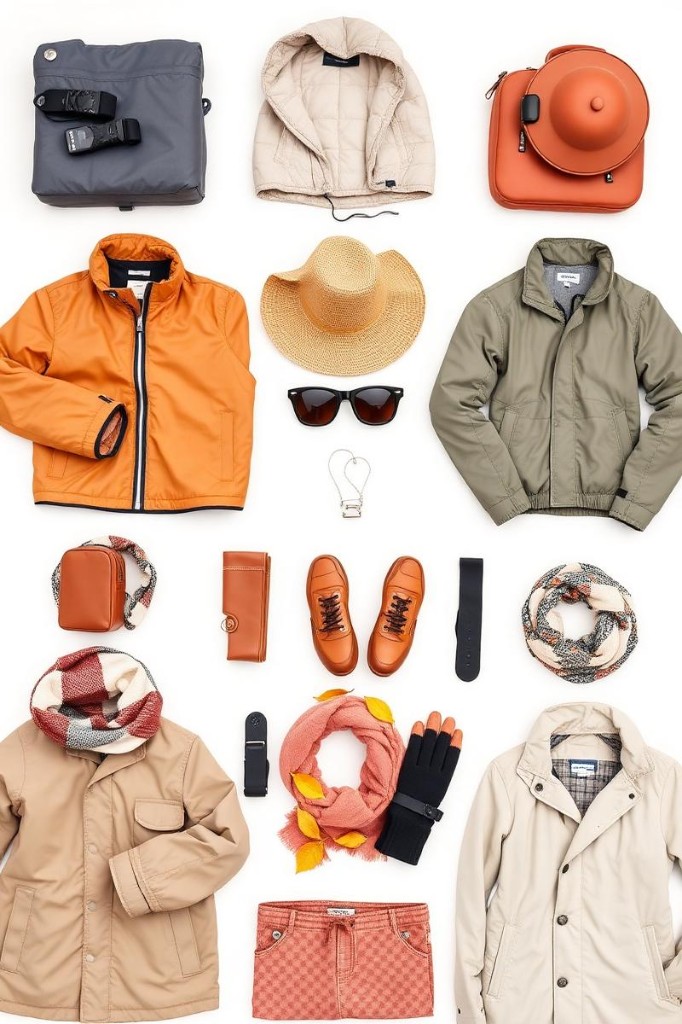
Cool Dry Season (Nov–Feb): Lightweight and breathable clothing (linen, cotton) • Extra light layer for cool nights • Wide-brimmed hat essential • High-SPF sunscreen • Sunglasses • Closed walking shoes (harmattan dust) • Light scarf against dust

Hot Dry Season (Mar–Apr): Ultra-light and light-colored clothing • Constant hydration (1.5 L / 50 oz bottle minimum) • Maximum sun protection • Outings limited to cool hours • Portable fan recommended

Rainy Season (May–Oct): Lightweight raincoat or poncho • Waterproof shoes or trekking sandals • Powerful mosquito repellent • Antimalarial medication (doctor's prescription) • Quick-dry clothing • Waterproof bag for cameras

Travel clothing and gear by season

💰 Seasonal budget

PeriodAccommodation (€/night)Transport (€/day)Restaurants (€/day)Attractions (€)Footfall
Nov–Feb (High)20–605–158–202–10⭐⭐⭐
Mar–Apr (Hot)15–404–106–152–8⭐⭐
May–Jul (Early Rain)12–354–105–121–6
Aug–Oct (Full Rain)10–303–85–101–5

💡 Money-saving tips

  • Prefer family guesthouses over chain hotels for lower prices and authentic immersion
  • Eat at the local market or in maquis (local popular restaurants): meal budget divided by 3 compared to tourist establishments
  • Always negotiate motorcycle taxi (zémidjan) rates before departure, as the price is never displayed
  • Visit artisans directly in their workshops rather than in shops for fairer prices
  • Travel in low season (June–October) for accommodations up to 50% cheaper

🏥 Health and precautions

  • 🦟 Malaria: Antimalarial prophylaxis mandatory — consult your doctor before departure (Malarone or Doxycycline)
  • 💉 Recommended Vaccines: Yellow fever (mandatory), hepatitis A and B, typhoid, meningitis A
  • 💧 Hydration: Drink at least 2.5 L / 85 oz of water per day (bottled water only)
  • ☀️ Heatstroke: Avoid direct exposure between 11:00 AM and 3:00 PM from March to May
  • 🏥 Medical Care: Bring a complete travel pharmacy; common medications are available in town
  • 🩟 Intensive Walking: Wear closed shoes for laterite tracks

Cultural Events in Korhogo

Calendar of Must-See Events in Korhogo

Korhogo vibrates to the rhythm of ancestral Senufo ceremonies and cultural events that significantly enrich the travel experience and reveal the deep soul of this city.

🎭 Poro Mask Festival — December to January

The Poro ceremony is the most sacred and fascinating event in Senufo culture. Colorful zoomorphic masks — representing mythical animals and ancestral spirits — invade the villages in an atmosphere of trance and deep spirituality. It is a moment of intense communion between the visible and the invisible, rarely accessible to uninitiated tourists.

Location: Senufo villages around Korhogo (Sinématiali, Niofoin, Waraniéné) | Note: Some ceremonies are reserved for initiates — strictly respect prohibitions on photography | Climate Impact: Ideal dry season, discreet presence of specialists and researchers | Access: Motorcycle taxi or vehicle rental from Korhogo | Tip: Book your accommodation in Korhogo 2 months in advance for December.

🛒 Annual Grand Artisan Market of Korhogo — November

In November, Korhogo hosts an exceptional gathering of artisans from all over northern Ivory Coast. Weavers, sculptors, blacksmiths, potters, and canvas painters exhibit their works in a unique traditional fair atmosphere. It is the best time to acquire the famous Korhogo cloth at competitive prices directly from its creators.

Location: Grand Market Square, Korhogo city center | Note: Live demonstrations of weaving and blacksmithing | Climate Impact: Ideal cool dry season, pleasant outdoor weather | Access: Walking distance from all downtown accommodations | Tip: Arrive at opening (7:00 AM) for the best pieces and exceptional photographic light.

🌾 Senufo Harvest Festival — September to October

At the end of the rainy season, Senufo communities celebrate the abundance of the harvest with songs, balafon dances, and collective feasts. Less known to tourists, this festival offers an authentic and moving immersion into the agricultural and spiritual life of northern Ivory Coast. A raw, sincere, and deeply human experience.

Location: Agricultural villages in the Korhogo region | Note: Authentic access possible with a trusted local guide | Climate Impact: End of rainy season, roads can be difficult — 4x4 vehicle recommended | Access: Mandatory with a local guide (arrange from Korhogo) | Tip: Notify your accommodation in advance to organize logistics.

Seasonal events

Cool Dry Season (Nov–Feb):

• Poro Mask Festival (December–January, Senufo villages) • Grand Artisan Market (November, city center) • Christmas and New Year celebrations (December, mixed atmosphere) • Sinématiali weekly market (every Thursday, 20 km / 12 miles from Korhogo)

Hot Dry Season (Mar–Apr):

• Easter celebrations (April, varies by calendar, festive city atmosphere) • Local night markets (more active in the evening to avoid the heat)

Rainy Season (May–Oct):

• Senufo Harvest Festival (September–October, agricultural villages) • Ramadan (variable dates, changes the city's rhythm) • Ivory Coast National Day — August 7 (parades and city celebrations)

Traveling Responsibly in Korhogo

Korhogo is a destination still preserved from mass tourism. Every travel choice — period, accommodation, consumption — has a direct and measurable impact on Senufo communities and on the fragility of this unique cultural and natural ecosystem.

Korhogo offers tourism on a human scale where your euros spent locally directly irrigate artisan families, independent guides, and small restaurateurs. Favor certified family guesthouses, meals in local maquis, and systematically refuse any purchase of sacred cultural objects (Poro masks, ritual statuettes) that belong to the community heritage.

🌱 Low-season advantages

Visiting Korhogo in the low season (June–October) helps reduce pressure on cultural sites, contributes directly to the local economy during slow months, pays fair prices, and accesses total authenticity without tourist staging.

♻️ Sustainable travel tips

  • 🚴 Favor the local motorcycle taxi (zémidjan) rather than car rental for getting around town
  • 🍽️ Eat in maquis and family restaurants rather than establishments intended for expats
  • 🎁 Buy your souvenirs directly from artisans in their workshops, without intermediaries
  • 🚫 Never photograph without explicit permission, especially during traditional ceremonies
  • 💧 Carry a reusable water bottle and filter water rather than multiplying plastic bottles
  • 🌱 Choose a certified local guide for your excursions in the villages (Korhogo Tourist Office)

🏙️ Local sustainable initiatives

The Korhogo Tourist Office develops community tourism circuits that directly donate part of the revenue to the villages visited. Senufo artisan cooperatives offer authenticity labels guaranteeing the artisanal origin of fabrics and sculptures. Local associations work to preserve the Poro intangible heritage.

Our Recommendations

Recommendations for your city-trip to Korhogo

After a complete analysis of the climate, cultural events, and tourist traffic, November and December stand out as the ideal months to visit Korhogo. The sky is perfectly clear, temperatures are bearable, artisans are in full activity, and the first Poro ceremonies animate the surrounding villages. January and February are excellent alternatives, slightly cooler at night. Travelers seeking absolute authenticity and the lowest prices will find their happiness in September-October, at the cost of reduced meteorological comfort.

✅ Optimal Period: November to February

Recommended Months: November, December, January, February

  • Clear sky and maximum sunshine (8 to 9 hours/day)
  • Pleasant temperatures in the morning and evening (16–33°C / 61–91°F)
  • Easy access to all villages and rural tracks
  • Poro Mask Festival and Grand Artisan Market
  • Exceptional photographic atmosphere — golden light

Key Events: Poro Masks (Dec–Jan), Grand Artisan Market (Nov), Year-end festivities

Disadvantages: Slight crowds in December, harmattan causing dust

Ideal Profile: Families, photographers, culture lovers, first trip to Ivory Coast

Recommended Duration: 3 to 5 days

🔄 Interesting Alternative: October and March

Alternative Months: October, March

October marks the gradual end of the rains: the savanna is beautifully green, prices are still low, and crowds are almost non-existent. March still offers a clear sky but with increasing heat, offset by very attractive prices and total freedom of movement.

Specific Advantages: Accommodation prices -30 to -40%, green landscapes in October, total absence of tourists, privileged access to available artisans

For Whom: Experienced travelers, nature photographers, tight budgets, lovers of off-the-beaten-path travel

👥 Tips for your travel style

🏡 Family: November–January • Weaver workshops accessible to children • Colorful and safe central market • Family guesthouses in the city center • Collective taxi transport

💰 Tight Budget: September–October • Local maquis (500–1,500 FCFA per meal) • Guesthouses from 8,000 FCFA/night • Zémidjan for all travel • Free bush markets

🎭 Culture: December–January • Senufo villages with certified guide • Arts Museum • Poro ceremony (with respect for customs) • Immersive artisan workshops

📸 Photographers: November–February • Sunrise on Mount Korhogo • Golden hour on weaving • Morning markets from 6:00 AM • Perfect side lighting in dry season

🌍 First Trip: November–December • Organized tour with French-speaking guide • Mid-range hotel accommodation • Day excursions from Korhogo • Combined visit with Abidjan or Man

⚠️ Periods to Avoid: July and August

Months Not Recommended: July, August

Reasons: Peak of the rainy season with precipitation reaching 195 mm / 7.7 inches per month, rural roads impassable without a 4x4, maximum malaria risk, reduced visibility, some artisans less active

Nuances: For travelers with a 4x4 vehicle, rigorous antimalarial prophylaxis, and a true passion for authentic Africa, even July-August can offer unforgettable moments of total immersion.

Villes du même pays

All cities

Frequently Asked Questions

Here are the questions travelers most often ask before planning their stay in Korhogo, to ensure a smooth and well-prepared trip.

What is the best month to visit Korhogo?

November and December are the ideal months to visit Korhogo. The dry season sets in, the sky is clear, and temperatures range from 16°C / 61°F at night to 33°C / 91°F in the afternoon — perfectly bearable with shade and water. This is also when Senufo artisans are most active and the first traditional ceremonies begin in surrounding villages. January and February are excellent alternatives, slightly cooler at night, with the harmattan sometimes bringing fine dust.

How many days should I plan for Korhogo?

Plan for at least 3 days for a serious discovery of Korhogo and its immediate surroundings. One day for the city center (market, mosque, museum), one day for artisan villages (Waraniéné, Koni), and one day for rural excursions (Mount Korhogo, Niofoin). 5 days will allow you to add an excursion to Sinématiali or take the time to immerse yourself in a village during a weekly market. For Comoé National Park, count an additional day.

What to do in Korhogo if it rains?

Rain in Korhogo is never a disaster! Take the opportunity to visit the covered weaver workshops of Waraniéné, where artisans work regardless of the weather. The Senufo Arts and Traditions Museum is an excellent option on gray days. The covered Grand Market is full of atmosphere and color. The blacksmith workshops of Koni, partially sheltered, also operate in rainy weather. It is also a great time to stop in a local 'maquis' to enjoy a peanut sauce or attiéké-fish in an authentically Ivorian atmosphere.

What events should not be missed in Korhogo?

The most exceptional event is undoubtedly the Poro Mask Festival (December–January), a Senufo initiation ceremony of rare spiritual depth. In November, the Grand Artisan Market brings together the best artisans of northern Ivory Coast. In September–October, the Harvest Festival in agricultural villages offers an authentic immersion. The weekly Sinématiali market (Thursdays) and bush markets in surrounding villages are also worth a visit year-round.

What budget should I plan for Korhogo depending on the season?

In high season (November–February), expect about 30 to 80 € / 32 to 86 USD per day all-inclusive (guesthouse accommodation, local meals, motorcycle taxi transport, site entry fees). In low season (June–October), this budget drops to 20–50 € / 21–54 USD per day due to accommodations being 30–40% cheaper and no price pressure. Meals in local maquis cost between 1 and 3 € / 1 and 3 USD; mid-range hotels cost between 15 and 60 € / 16 and 65 USD per night depending on the season. Plan an extra budget for local guides (10–20 € / 11–22 USD per day), which are essential for accessing Senufo villages.