When to visit Côte d'Ivoire? Complete Guide

Between savanna and tropical forest, Côte d'Ivoire offers contrasting climates depending on the region and season.

  • 28.9 M population
  • French language
  • 120 days rainy days/year
  • November to March best time to visit
  • 10 to 15 days recommended stay

Weather and Climate in Côte d'Ivoire

Understanding the equatorial tropical climate of Côte d'Ivoire

Côte d'Ivoire features three distinct climatic zones influenced by the Atlantic Ocean, the equatorial forest, and proximity to the Sahel. This geographical diversity creates significant variations between the humid coastline and the drier interior.

  • Southern coastal zone: Very humid equatorial climate with two distinct rainy seasons
  • Central forest zone: Humid tropical climate with a marked dry season
  • Northern Sudanese zone: Dry tropical climate with Sahelian influence and the harmattan
MonthTemperature (°C / °F)Precipitation (mm / in)Humidity (%)Conditions
January26-32°C / 79-90°F25mm / 1.0in65Dry and sunny
February27-33°C / 81-91°F45mm / 1.8in68Dry, harmattan
March28-33°C / 82-91°F85mm / 3.3in72Transition
April27-32°C / 81-90°F140mm / 5.5in78Start of rainy season
May26-31°C / 79-88°F180mm / 7.1in82Rainy
June25-29°C / 77-84°F220mm / 8.7in85Very rainy
July24-28°C / 75-82°F95mm / 3.7in83Little dry season
August24-28°C / 75-82°F75mm / 3.0in81Relatively dry
September25-29°C / 77-84°F160mm / 6.3in84Return of rains
October26-30°C / 79-86°F185mm / 7.3in82Rainy
November27-32°C / 81-90°F65mm / 2.6in75End of rainy season
December26-32°C / 79-90°F30mm / 1.2in68Dry and pleasant

Altitude variations remain moderate, from 0m / 0ft to 1,752m / 5,748ft at Mount Nimba, creating local microclimates, particularly in the western mountainous regions.

The Seasons in Côte d'Ivoire

Climate by Region in Côte d'Ivoire

Ivorian geographical diversity creates distinct microclimates from the Atlantic coastline to the Sahelian borders. Relief, ocean, and latitude modulate regional weather conditions.

🏖️ Coastal Region (Abidjan - San Pedro)

The Ivorian coastline benefits from a maritime equatorial climate with marked seasonal variations. Oceanic influence moderates temperatures but maintains consistently high humidity. This region concentrates the country's economic activity.

PeriodWeatherTemperature (°C / °F)Recommended activities
Dec-MarDry and breezy25-31°C / 77-88°FBeaches, Abidjan visit
Apr-JunVery rainy24-29°C / 75-84°FMuseums, shopping centers
Jul-AugLull23-28°C / 73-82°FCoastal walks
Sep-NovModerate rain25-30°C / 77-86°FUrban exploration

Specifics: Refreshing sea breezes, navigable lagoons all year round, high urbanization creating heat islands.

🌳 Forest Region (Man - Daloa)

The heart of the Ivorian tropical forest, this mountainous region has the most humid climate in the country. The reliefs of Mount Tonkoui and the Toura Mountains create significant orographic precipitation and altitude microclimates.

PeriodWeatherTemperature (°C / °F)Recommended activities
Dec-FebRelatively dry22-30°C / 72-86°FHiking, waterfalls
Mar-MayIntense rain23-29°C / 73-84°FWildlife observation
Jun-AugVery humid21-27°C / 70-81°FEcolodges
Sep-NovVariable rain23-29°C / 73-84°FTraditional cultures

Specifics: Coolest temperatures in the country at altitude, exceptional biodiversity, difficult roads in the rainy season.

🦁 Savanna Region (Korhogo - Ferkessédougou)

The northern Sudanese zone has a dry tropical climate with marked Sahelian influence. The harmattan is more intense and the dry season is longer, creating characteristic savanna landscapes with preserved wildlife.

PeriodWeatherTemperature (°C / °F)Recommended activities
Nov-MarDry and harmattan20-35°C / 68-95°FSafaris, markets
Apr-MayVery hot25-38°C / 77-100°FRest, shade
Jun-SepRainy season23-32°C / 73-90°FBird watching
OctoberEnd of rain24-33°C / 75-91°FCultural discovery

Specifics: Significant temperature ranges, harmattan dust, national parks accessible in dry season only.

🏛️ Central Region (Bouaké - Yamoussoukro)

A zone of climatic transition between forest and savanna, this administrative region houses the political capital. The climate is more moderate than in the north with well-defined but less extreme seasons.

PeriodWeatherTemperature (°C / °F)Recommended activities
Dec-MarDry and pleasant23-33°C / 73-91°FBasilica, official sites
Apr-JunRainy24-31°C / 75-88°FCultural visits
Jul-AugLess humid23-29°C / 73-84°FRegional discovery
Sep-NovModerate rain24-31°C / 75-88°FLocal crafts

Specifics: Ideal transition climate, decent road infrastructure, geographic center of the country.

Practical Guide for Côte d'Ivoire

Successfully traveling in Côte d'Ivoire requires preparation adapted to tropical climatic variations. Between dry and rainy seasons, equipment and budget vary considerably depending on the chosen period.

👕 Seasonal packing

Dry season (Nov-Mar):
  • Light cotton clothing
  • Hat and sunglasses
  • High-protection sunscreen
  • Light jacket for evenings
  • Closed dust-proof shoes
Rainy season (Apr-Oct):
  • Quality raincoat
  • Quick-dry clothing
  • Waterproof shoes
  • Waterproof plastic bags
  • Compact umbrella
  • Effective mosquito repellent
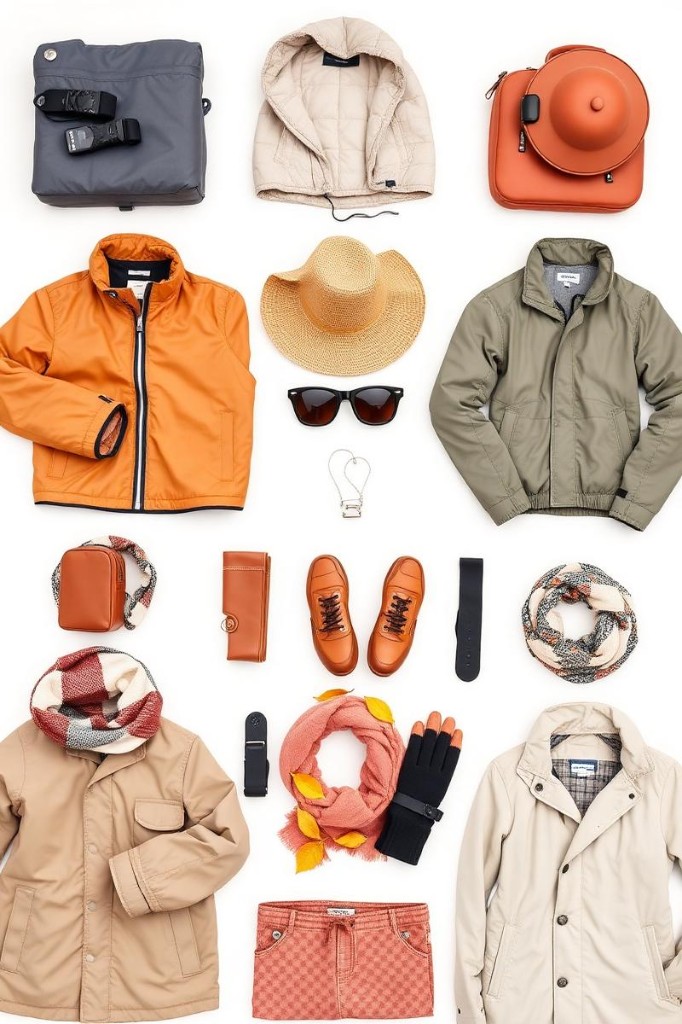
Travel clothing and gear by season

💰 Seasonal budget

PeriodAccommodation (€)Transport (€)Activities (€)Crowds (/5)Budget tips
Dec-Mar80-20060-12040-1005/5Book 3 months in advance
Apr-Jun50-13045-9025-702/5Negotiate on-site
Jul-Aug60-15050-10030-803/5Take advantage of special offers
Sep-Nov55-14045-9525-752/5Long stays are advantageous

💡 Money-saving tips

  • Avoid December-February: Most expensive period; book very early or choose alternatives
  • Take advantage of May-June: Best prices despite the rain, perfect for tight budgets
  • Negotiation in wet season: Accommodation is often flexible on rates
  • Local transport: Prefer public transport, avoid rentals in the rainy season
  • Group activities: Significant discounts for group excursions

🏥 Health and precautions

  • Mandatory vaccinations: Yellow fever required; hepatitis A/B and typhoid recommended
  • Malaria: Preventive treatment essential; mosquito nets and reinforced repellents in wet season
  • Hydration: Drink 3-4L / 100-135oz per day in dry season; bottled water only
  • Sun protection: SPF50+ cream even on cloudy days, sunglasses, and hat
  • Rainy season: Beware of skin infections, keep feet dry, waterproof first aid kit
  • Diet: Avoid raw vegetables and ice cubes; prefer cooked foods and peeled fruits

Events & Festivals in Côte d'Ivoire

Cultural calendar and festivities not to be missed in Côte d'Ivoire

Ivorian cultural richness is expressed through festivals punctuated by seasons and ancestral traditions.

🎭 Festival of Masks in Man (February)

The most spectacular festival in Côte d'Ivoire brings together the masked traditions of the mountainous west. Sacred dances, stilt-walking masks, and ancestral rituals take place in an exceptional natural setting.

Location: Man and surrounding villages in the 18 Mountains region

Special feature: The only time certain sacred masks appear in public

Climate impact: Dry season is ideal for mountain travel and outdoor ceremonies

🥁 International Percussion Festival (November)

Abidjan vibrates to the rhythm of percussions from around the world. This major event attracts international musicians and fans of traditional African music to the economic capital.

Location: Abidjan, Palais de la Culture and outdoor sites

Special feature: Unique fusion of local traditions and global influences

Climate impact: The end of the rainy season allows for outdoor concerts

🌾 Yam Festival (August-September)

A major traditional celebration marking the new yam harvest. Each region has its specificities, but the spirit remains the same: gratitude to the land and community cohesion.

Location: Throughout the country, particularly intense in the center and north

Special feature: Prohibition of consuming the new yam before the rituals

Climate impact: Coincides with the end of the rainy agricultural season

Seasonal events

Dry season (Nov-Mar):
  • Bouaké Carnival (March)
  • Popo Carnival of Bonoua (March)
  • Dipri Festival in Gomon (April)
Rainy season (Apr-Oct):
  • Street Arts Festival (May)
  • Yam Festival (August-September)
  • Gourou Festival (October)

Responsible Travel in Côte d'Ivoire

Discovering Côte d'Ivoire responsibly involves respecting its fragile ecosystems and supporting local communities according to natural seasonal rhythms.

Ivorian biodiversity, from protected forests to national parks, requires a respectful approach adapted to natural cycles. Animal breeding periods, nesting seasons, and traditional agricultural cycles guide responsible practices.

🌱 Low-season advantages

Traveling in the wet season reduces tourist pressure on fragile sites, supports the local economy in the off-season, and reduces the carbon footprint through better flow distribution.

♻️ Sustainable travel tips

  • Water management: Save this precious resource, especially in the dry season
  • Plastic waste: Bring a reusable water bottle and bags; a major problem in Africa
  • Local transport: Prefer bush taxis and public transport
  • Local crafts: Buy directly from producers, avoid imports
  • Respect wildlife: Safety distances, no feeding, certified local guides
  • Communities: Ask permission for photos, pay for services rendered

🏙️ Local sustainable initiatives

Côte d'Ivoire is developing sustainable projects: fair-trade cocoa reforestation, community parks, rural solar energy, and marine conservation programs on the Atlantic coast with active participation from local populations.

Our Expert Recommendations

Expert recommendations for your trip to Côte d'Ivoire

After analyzing climatic data and field feedback, our experts recommend optimized periods based on your priorities. Ivorian geographical diversity allows for varied experiences all year round with proper preparation.

🏆 Optimal period: December to February

Recommended months: December, January, February

Climatic advantages:
  • Ideal weather conditions everywhere
  • Refreshing harmattan
  • Fully passable roads
  • Bearable humidity (65-70%)
  • Perfect for safaris and hiking
Limitations:
  • Most expensive period
  • High tourist traffic

Ideal profile: Families, first-time travelers to Africa, comfort seekers, safari enthusiasts

⚖️ Balanced alternative: November and March

Alternative months: November, March

Description: Transition periods offering an excellent compromise between acceptable weather conditions and moderate prices

Specific advantages:
  • Interesting intermediate prices
  • Reasonable crowds
  • Still favorable conditions
  • Booking flexibility

👥 Tips for your travel style

Family: December-February, avoid rainy season, plan indoor activities. Budget: May-October, negotiation possible, local transport. Adventure: All year round depending on experience, rainy season for experts only. Luxury: December-March, advance booking essential. Photographer: November-February for light, rainy season for lush vegetation.

⚠️ Periods to avoid: May-June

The heart of the major rainy season with maximum precipitation, impassable bush roads, and difficult conditions for most tourist activities.

Cities to explore

Discover the must-sees of urban travel

All cities

Frequently Asked Questions

Answers to essential questions to plan your trip according to the Ivorian climate and its seasonal peculiarities.

What is the best time to visit Côte d'Ivoire?

The dry season from December to February offers the best conditions: pleasant temperatures (24-33°C / 75-91°F), low humidity, passable roads, and optimal activities. It is the ideal time to discover the entire country, from beaches to national parks.

Can you travel to Côte d'Ivoire during the rainy season?

Yes, but with necessary adaptations. The rainy season (April-October) offers beautiful lush green landscapes and attractive prices. Bring waterproof gear, maintain flexibility in your schedule, and avoid difficult bush travel.

What are the climatic differences between the north and south of the country?

The south is more humid with four distinct seasons and oceanic influence. The north is drier with two marked seasons and Sahelian influence. Temperatures are similar, but humidity varies from 65% in the north to 85% in the south.

How to prepare for the harmattan?

The harmattan (December-February) brings dry wind and dust from the Sahara. Bring moisturizing cream, lip balm, sunglasses, a scarf for protection, and drink plenty of water. Visibility may be reduced, but temperatures are pleasant.

When to observe wildlife in national parks?

The dry season (November-April) is optimal: animals are concentrated near water points, vegetation is less dense facilitating observation, and access roads are passable. Avoid May-October when park access can be limited by rains.