When to visit Kuala Lumpur? City-Trip Guide

Between monsoon and tropical lightning, Kuala Lumpur reveals a unique urban atmosphere depending on the season: it's up to you to choose the right time.

  • 1.8 M (8 M in metropolitan area) population
  • Malay (official), English, Mandarin, Tamil language
  • 200 days rainy days/year
  • June to August best time to visit
  • 4 to 7 days recommended stay

Kuala Lumpur Climate

Understanding the equatorial tropical climate of Kuala Lumpur

Kuala Lumpur enjoys a humid equatorial climate (Köppen Af), with stable temperatures year-round between 23°C / 73°F and 34°C / 93°F. Located just 3° north of the equator, the city experiences two alternating monsoon seasons, a significant urban heat island effect due to its density, and frequent, intense but brief tropical showers.

MonthMin/Max Temp (°C / °F)Precip. (mm)Sunlight (h/day)Tourist CrowdRecommended Activities
January23-32°C / 73-90°F1705★★★Temples, museums, Batu Caves (Thaipusam)
February23-33°C / 73-91°F1306★★★★Chinatown, Chinese New Year, Petronas Towers
March23-33°C / 73-91°F2006★★★★Shopping, street food, museums
April24-33°C / 75-91°F2705★★★Shopping malls, galleries, SPAs
May24-33°C / 75-91°F1806★★★★Hari Raya (variable), urban parks, street food
June24-33°C / 75-91°F1206★★★★★All activities: tours, markets, rooftops
July23-32°C / 73-90°F1006★★★★★Petronas, KLCC Park, Merdeka Square, night markets
August23-32°C / 73-90°F1305★★★★Merdeka Day (Aug 31), night walks, rooftops
September23-32°C / 73-90°F1705★★★Malaysia Day (Sept 16), museums, shopping
October23-32°C / 73-90°F2804★★Deepavali, indoor visits, gastronomy
November22-31°C / 72-88°F2804★★Museums, galleries, culinary experiences
December22-31°C / 72-88°F2205★★★Christmas decorations, multicultural festivities, shopping

Seasons in Kuala Lumpur

Attractions by Weather

In Kuala Lumpur, the weather dictates the pace of your day. Alternating between indoor and outdoor sites according to the whims of the tropical sky will allow you to optimize every hour of your city-trip without ever running out of ideas.

☔ In cloudy or rainy weather

Indoor & Protected

Kuala Lumpur has an exceptional network of covered sites, sometimes directly connected by walkways, allowing you to spend hours exploring without ever facing the rain.

  • 🏙️ Petronas Towers (KLCC) – Observation deck on the 41st floor and indoor galleries | 1h30-2h | ~80 MYR | online booking essential
  • 🛍️ Suria KLCC Mall – Iconic shopping center with aquarium, cinema, and galleries | 2-4h | free entry
  • 🎨 National Museum of Malaysia (Muzium Negara) – Malaysian history and culture | 2h | ~5 MYR | open daily
  • 🏛️ National Gallery (Balai Seni Visual) – Malaysian and regional contemporary art | 1h30 | free
  • 🦋 Butterfly Park KL – 6,000 m² / 64,583 sq ft covered park housing 5,000 butterflies | 1h | ~25 MYR
  • 🎭 KL Convention Centre – Temporary exhibitions and cultural events | variable

Practical Tip: Book tickets for the Petronas Towers at least 48 hours in advance online (klcc.com.my) to avoid long lines and secure a guaranteed time slot.

Additional Tip: The KL City Pass bundles several major attractions with savings of up to 40% – ideal for making the most of a completely rainy day.

☀️ In good weather

Optimal Outdoor

When the sun graces KL, the city reveals a striking urban beauty between futuristic skyscrapers, lush tropical parks, and colorful heritage districts to photograph without restraint.

  • 🏙️ KLCC Park – Iconic park at the foot of the Petronas with fountains and jogging paths | 1-2h | free | best time: 7am-9am or 5pm-7pm
  • 🕌 Masjid Jamek – Century-old mosque at the confluence of two rivers | 30 min | free
  • 🏯 Dataran Merdeka – Independence Square and colonial district | 1h | photographic golden hour at sunset
  • 🌿 Perdana Botanical Garden – 90 ha / 222 acres of tropical greenery with a lake | 2-3h | free | ideal in the morning before the heat
  • 🕌 Batu Caves – Spectacular Hindu temple (30 min from KL by train) | 2h | free | arrive before 9am
  • 🏘️ Bukit Bintang District – Shopping arteries and street art to explore on foot | 2-3h

Best time of day: Sunrise from KLCC Park offers exceptional light on the Petronas Towers, ideal for photography. In the evening, the Heli Lounge Bar rooftop offers a 360° view of the skyline at sunset.

Seasonal Tip: Favor June and July for outdoor excursions. Avoid the midday sun in April and May when the felt heat index exceeds 40°C / 104°F.

🌤️ Versatile for any weather

Flexible Sites

Some districts and sites in KL can be enjoyed in any weather thanks to their mixed indoor/outdoor configuration, perfect for unpredictable days.

  • 🏮 Chinatown (Petaling Street) – Covered market and lively alley, covered or open-air | 2-3h
  • 🕌 Little India (Brickfields) – Cultural district with arcades, spices, and textiles | 1-2h
  • 🎭 Central Market (Pasar Seni) – Historic indoor craft market with shops and shows | 1-2h

Weather Tip: Start with the covered spaces of Central Market if the sky is threatening, then slip into the alleys of Chinatown as soon as it clears up. Both are connected on foot in five minutes.

Example itinerary: 9am Chinatown (morning market) → 11am Central Market (crafts) → 1pm street food lunch under the Petaling Street arcades → 3pm Little India → 5pm walk back to KLCC if the sun has returned.

💰 Free or economical

No Cost

KL offers many quality experiences without spending a single ringgit, including some of the most spectacular panoramas in Southeast Asia.

  • 🌇 KL Tower – Free outdoor observation (gardens) – Stunning view of the skyline from the base
  • 🌿 Perdana Botanical Garden – Free entry, tropical birds, and orchids
  • 🕌 Masjid Jamek – Free outside of prayer hours
  • 🎨 Balai Seni Visual (National Gallery) – Free entry all year round
  • 🏮 Brickfields – Little India – District to explore entirely on foot, free

Free days: The National Gallery is free every day. The Botanical Garden is freely accessible from dawn.

Budget Tips: Night markets (Pasar Malam) offer the best meals for less than 5€ / $5.50; opt for the RapidKL train rather than taxis to connect districts at a lower cost.

Practical Guide

In Kuala Lumpur, the humid heat and tropical showers require a few basic rules for comfortable travel. The good news? The city is so well-equipped with shopping malls and air-conditioned metro that a city-trip remains pleasant regardless of the season, provided you prepare well.

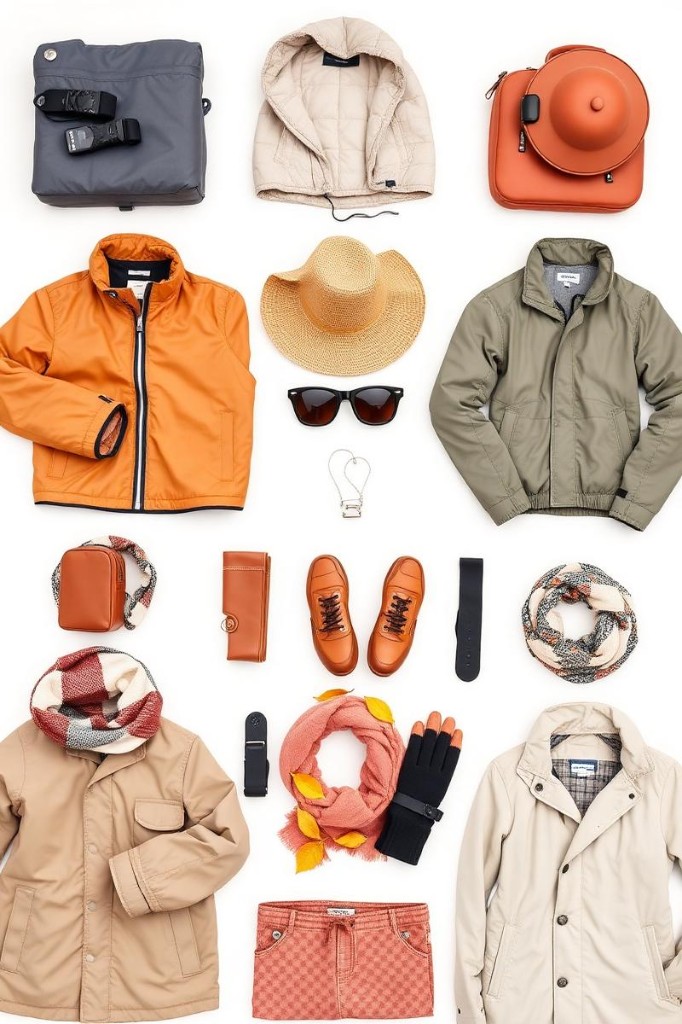
👕 Seasonal packing

June–August (dry season): Light cotton or linen clothing • T-shirt + shorts or light dress for outings • Small jacket or shawl for heavily air-conditioned shopping malls • Breathable closed walking shoes • SPF50+ sunscreen • Sunglasses • Small telescopic umbrella for rare showers

October–December (major monsoon): Lightweight folding raincoat is essential • Non-slip closed shoes for wet sidewalks • Waterproof backpack or rain cover • Quick-drying clothing • Waterproof sandals as a backup

February–May (inter-monsoon): Light outfits for the heat • Compact raincoat for sudden afternoon showers • Light scarf for visiting mosques and temples • Easy-to-remove shoes for religious sites

Universal note: Frequent transitions between the outside (35°C / 95°F) and malls (20°C / 68°F) create significant thermal shocks. Always bring an extra light layer.

Travel clothing and gear by season

💰 Seasonal budget

PeriodCenter Accommodation (€/night)Transport (€/day)Restaurants (€/day)Attractions (€)Crowd
June–Aug (high season)80–1805–1015–4020–50★★★★★
Feb. (Chinese New Year)90–2005–1015–3520–45★★★★★
Mar.–May (inter-monsoon)50–1205–812–3015–40★★★
September55–1305–812–3015–40★★★
Oct.–Dec. (major monsoon)35–904–710–2512–35★★
January (post-holidays)45–1005–812–2815–40★★★

💡 Money-saving tips

  • KL City Pass: Bundle your attractions (Petronas, KL Tower, museums) into a single pass to save up to 40% on individual ticket prices.
  • Transport: The RapidKL network (LRT + MRT + monorail) covers the entire city for less than 2€ / $2.20 per trip. Buy a rechargeable Touch 'n Go card upon arrival at the airport.
  • Restaurants: Eat lunch at hawker centers and mall food courts for complete meals under 3€ / $3.30; book fine dining restaurants for lunch (lunch menus are 30 to 50% cheaper than dinner).
  • Accommodation: The Chow Kit, Ampang, or Bangsar districts offer well-located hotels 20 to 40% cheaper than the Bukit Bintang center for equivalent quality.
  • Free Events: Merdeka Day, Malaysia Day, and Deepavali celebrations offer exceptional quality free public shows.

🏥 Health and precautions

  • Hydration: Drink at least 2 liters / 68 oz of water per day; the combination of heat and humidity can quickly lead to dehydration during long urban walks.
  • Air Pollution: Check the Malaysian AQI index (aqicn.org) – haze episodes can occur during the dry season.
  • Food Precautions: Favor busy stalls and hawker centers; avoid ice in less frequented establishments.
  • Sun Protection: Apply SPF50+ every 2 hours when outdoors; sunburn is common even under cloudy skies in the tropics.
  • Mosquitoes: Use mosquito repellent, especially during the rainy season (low but existing risk of dengue).
  • 24h Pharmacies: Guardian and Watson have many branches open late in major shopping malls.

Events in Kuala Lumpur

Calendar of must-see events in Kuala Lumpur

Kuala Lumpur, a multicultural city par excellence, celebrates Malay, Chinese, Indian, and international festivals throughout the year that radically transform the urban atmosphere and enrich any city-trip experience.

🏮 Thaipusam – January or February (date varies by Hindu calendar)

One of the most impressive Hindu festivals in Asia takes place annually in Kuala Lumpur and the famous Batu Caves, located 13 km / 8 miles from the center. Hundreds of thousands of devotees carry kavadis (ornate metal structures) in a mind-blowing night procession that lasts several days. The spectacle, both mystical and visual, is absolutely unique in the world and deeply moving.

Location: Batu Caves (Gombak) and Sri Mahamariamman Temple, Tun H.S. Lee Street, Chinatown

Highlight: Night procession with torches, relentless drumming, and devotees in a trance – an unforgettable sensory experience.

Impact: KL is covered in fairy lights in Little India; huge crowds at Batu Caves (over 1.5 million visitors over 3 days) – booking accommodation 3 months in advance is essential.

Access: KTM Komuter train from KL Sentral to Batu Caves (30 min, ~2 MYR).

Tip: Arrive at the Batu Caves before 5 AM to avoid the crowds and witness the procession in the best conditions.

🧧 Chinese New Year – January or February (date varies)

The Lunar New Year transforms Chinatown (Petaling Street) and the Chow Kit district into a breathtaking spectacle of red and gold for 15 days. Dragon dances, firecrackers, giant lanterns, and special markets invade the historic alleys. The entire city celebrates: shopping malls are adorned with spectacular decorations, and restaurants offer New Year's Eve menus that must be booked weeks in advance.

Location: Chinatown (Petaling Street), Pavilion KL, Suria KLCC, Kepong district

Highlight: The night of Chap Goh Mei (15th day) is particularly festive, featuring the tossing of mandarin oranges into the lake.

Impact: High regional influx (Singapore, Indonesia); city center hotels sell out as early as November – book at least 2 to 3 months in advance.

Access: LRT Pasar Seni metro for Chinatown; Imbi monorail for Bukit Bintang.

Tip: Book a table at a Chinatown restaurant for the New Year's dinner as soon as reservations open (often 6 weeks prior).

🇲🇾 Hari Merdeka & Malaysia Day – August 31 and September 16

These two national holidays are at the heart of Malaysian identity. August 31 marks Malaysia's Independence (1957) and September 16 the formation of the Malaysian federation (1963). In Kuala Lumpur, Dataran Merdeka becomes the epicenter of grand official ceremonies, colorful military parades, and night pyrotechnic shows visible from all over the city center. The city is draped in Malaysian flags throughout August.

Location: Dataran Merdeka (Independence Square), KL city center

Highlight: The August 31 fireworks display from Merdeka Square, with the Petronas Towers in the background, is one of Malaysia's iconic images.

Impact: Strong presence of Malaysian tourists from federal states; public transport is very busy on the evening of August 31 – plan extra travel time.

Access: LRT Masjid Jamek or a walk from KLCC (20 min).

Tip: Position yourself on the Masjid Jamek bridge or along the Klang River from 8 PM for a clear view of the fireworks without the crowd.

Seasonal events

December–January: • Deepavali (Oct/Nov – Little India illuminated) • Christmas festivities (spectacular decorations in all major malls) • New Year's Eve countdown (Dataran Merdeka, KLCC – one of the most beautiful fireworks in Asia)

February–May: • Thaipusam (Jan/Feb – Batu Caves, night procession) • Chinese New Year (Jan/Feb – Chinatown festivities) • Hari Raya Aidilfitri (date varies – end of Ramadan, Malay districts celebrate with open houses accessible to tourists)

June–August: • KL Fashion Week (June) • KL International Jazz Festival (July) • Merdeka Day (Aug 31 – parade and fireworks)

September–October: • Malaysia Day (Sept 16 – national celebrations) • Deepavali preparations (Little India transforms from October) • Mooncake Festival (Sept)

Responsible City-trip in Kuala Lumpur

Visiting Kuala Lumpur while considering the environmental and social impact of your stay means contributing to the preservation of a metropolis whose overtourism is beginning to weigh on certain historic districts and on water resources already under climate pressure.

KL has invested heavily in its public transport network (LRT, MRT, monorail, RapidKL bus) which covers practically all major tourist sites. Favor these modes of travel over cars or taxis. Support hawker centers and restaurants run by local families rather than international chains. Avoid single-use plastic: many cafes now offer reusable containers as part of Malaysian waste reduction policies.

🌱 Low-season advantages

Traveling to KL in October or November means reducing tourist pressure on Chinatown and Batu Caves, enjoying hotel prices up to 50% lower than in high season, and living an authentic urban experience in contact with local life, far from mass tourist flows.

♻️ Sustainable travel tips

  • Use exclusively the RapidKL network (LRT/MRT/monorail/bus) for your intra-urban travel.
  • Eat in hawker centers and food courts managed by local Malaysian, Chinese, or Indian families.
  • Refuse plastic straws and carry a refillable water bottle (potable water available in hotels).
  • Choose accommodations bearing the Green Hotel Malaysia label or ISO 14001 certified.
  • Explore districts on foot or by bike (oBike available in some areas).
  • Avoid wildlife in captivity in non-ethically certified theme parks.

🏙️ Local sustainable initiatives

Kuala Lumpur has developed green corridors connecting KLCC Park to the botanical gardens. The city is gradually expanding its pedestrian zones around Chinatown and Dataran Merdeka. The KL Low Carbon City Framework program aims for carbon neutrality by 2030, with expansion of the MRT network, green roofing, and rainwater harvesting in new districts.

Our Recommendations

Recommendations for your city-trip to Kuala Lumpur

After an in-depth analysis of Kuala Lumpur's tropical climate, tourist traffic, and cultural calendar, June and July clearly emerge as the most favorable months for a successful city-trip. These two months combine the lowest rainfall of the year, optimal sunshine for exploring outdoor sites, reasonable prices before the August peak, and a particularly vibrant urban scene. For tight budgets, November offers exceptionally low rates with the added bonus of Deepavali lights in Little India.

Optimal Period: June–July

Recommended Months: June and July

  • Lowest rainfall of the year (100–120 mm / 3.9–4.7 inches per month) with brief and rare showers
  • Maximum sunshine (6h/day) to enjoy outdoor sites and rooftops
  • Night markets and outdoor terraces accessible every evening
  • Urban entertainment at its peak: KL Jazz Festival (July), lively markets
  • Mild evening temperatures for night walks in Chinatown

Key Events: KL International Jazz Festival (July), Merdeka Day preparations (August), weekly outdoor night markets.

Drawbacks: Hotel prices at their maximum in high season; attractions like the Petronas Towers sell out without advance booking.

Ideal Profile: First-time visitors to KL, families, photographers, lovers of nightlife and urban culture.

Recommended Duration: 5 to 7 days to discover major districts and take an excursion to Batu Caves.

Interesting Alternative: February–March

Alternative Months: February and March

February offers the magic of Chinese New Year and Thaipusam, two of the most spectacular cultural events in all of Southeast Asia, in a city that is still relatively dry. March sees rains gradually return, but mornings remain usable. Prices, although higher during the New Year, become attractive again from mid-February.

Specific Advantages: Major cultural events, city adorned with lanterns and festive decor, authentic atmosphere hard to find the rest of the year, fewer Western tourists than in summer.

For Whom: Travelers passionate about Asian culture, photographers in search of unique images, couples seeking an emotionally strong experience.

👥 Tips for your travel style

Family: June–July for KLCC Park, the Suria KLCC aquarium, and Batu Caves – stay in family-friendly hotels in Bukit Bintang with direct access to shopping malls. MRT and LRT are safe and air-conditioned.

Budget: November–January (excluding New Year) for 2-3 star hotels under 40€ / $43 per night in the Chow Kit or Bangsar district. Eat exclusively in hawker centers and food courts.

Culture: February (Chinese New Year + Thaipusam) for a unique immersion in Malaysian diversity. Must-sees: Muzium Negara, National Gallery, Chinatown temples.

Romantic: July for rooftop dinners overlooking the illuminated skyline (Heli Lounge Bar, Marini's on 57) and night walks around KLCC Park at sunset.

Long Weekend: June for 4 optimal days: Petronas + KLCC Park + Chinatown + Batu Caves + night in Bukit Bintang. Book Petronas Towers before you leave.

First Trip: June–July, stay in the Bukit Bintang district to be within walking distance of all major attractions. Start with a guided walking tour of the historic center.

Periods to Avoid: October–November

Months not recommended: October and November

Reasons: These are the two rainiest months of the year (280 mm / 11 inches per month), with daily thunderstorms in the late afternoon that can last several hours. Local flooding risks sometimes disrupt transport. Overcast skies limit panoramic views of the skyline. Most outdoor activities are severely compromised.

Nuances: These months remain interesting for very budget-conscious travelers (hotels up to 50% cheaper), indoor shopping enthusiasts, or those wishing to experience Deepavali celebrations in Little India at the end of October. If you are flexible and have a raincoat, KL remains a fascinating city even in the rain.

Villes du même pays

All cities

Frequently Asked Questions

Here are the questions most frequently asked by travelers before planning their city-trip to Kuala Lumpur, to help choose the best time according to their profile and budget.

What is the best month to visit Kuala Lumpur?

June and July are the most recommended months to visit Kuala Lumpur. They are statistically the least rainy months of the year (100 to 120 mm / 3.9 to 4.7 inches in July), with maximum sunshine of 6 hours per day and pleasant evening temperatures for exploring night markets and rooftop bars. February is also excellent if you wish to attend the Chinese New Year or Thaipusam, two cultural events of rare emotional intensity. Avoid October and November if you are counting on favorable weather for outdoor visits.

How many days should I plan for Kuala Lumpur?

For a first city-trip to Kuala Lumpur, 5 to 7 days is the ideal duration to discover the iconic neighborhoods (Chinatown, Bukit Bintang, Little India, KLCC) without rushing, visit the Petronas Towers and Batu Caves, and immerse yourself in Malaysian gastronomy. If you have less time, 4 days allow you to cover the essentials at a steady pace. Beyond 7 days, plan excursions to Putrajaya or the Taman Negara forest for variety.

What to do in Kuala Lumpur when it rains?

Kuala Lumpur is one of the best-equipped cities in Asia for rainy days. Take advantage of the Muzium Negara to dive into Malaysia's history, explore the indoor galleries of Suria KLCC and Pavilion KL (shopping and dining), visit the Butterfly Park under its large covered greenhouse, or discover the National Gallery (Balai Seni Visual) for free. Central Market and its craft shops are also ideal. The covered hawker centers of Petaling Street and Jalan Alor allow you to eat local while staying dry.

Which events should not be missed in Kuala Lumpur?

In Kuala Lumpur, the must-see events are: Thaipusam (Jan/Feb) with its spectacular night procession at Batu Caves; the Chinese New Year (Jan/Feb) and its 15 days of festivities in Chinatown; Hari Raya Aidilfitri (date varies) with traditional open houses accessible to tourists; Merdeka Day (Aug 31) and its fireworks from Dataran Merdeka; and Deepavali (Oct/Nov) which turns Little India into a sea of lights. Each of these events offers a unique and authentic cultural experience.

What budget should I plan for Kuala Lumpur depending on the season?

In low season (Oct-Nov), expect about 35€ to 80€ / $38 to $87 per night for a decent hotel in the city center, 10€ to 20€ / $11 to $22 per day for food (hawker centers + one restaurant), and 15€ to 30€ / $16 to $33 for attractions. In high season (June-Aug), the accommodation budget rises to 80€-180€ / $87-$195 per night in well-located hotels. Overall, Kuala Lumpur remains a very affordable destination compared to European capitals: a full daily budget of 60€ to 100€ / $65 to $108 per person in high season is realistic for a comfortable stay including attractions, meals, and transport.