When to visit Malacca? City-Trip Guide

Discover the Malaysian historic pearl in all its climatic facets for an unforgettable urban stay.

  • 0.9 M population
  • Malay, English, Chinese language
  • 180 days rainy days/year
  • June to September best time to visit
  • 2 to 4 days recommended stay

Climate and weather in Malacca

Understanding the tropical equatorial climate of Malacca

Malacca enjoys a tropical equatorial climate with consistent temperatures year-round. Located near the equator on the west coast of Malaysia, the city is influenced by monsoons and its proximity to the Strait of Malacca, creating a warm and humid urban environment.

MonthMin Temp (°C / °F)Max Temp (°C / °F)Precipitation (mm / in)Sunshine (h/day)Tourist TrafficRecommended Activities
January23°C / 73°F32°C / 90°F120mm / 4.7in6★★★Heritage tours, museums
February24°C / 75°F33°C / 91°F90mm / 3.5in7★★★★Walking tours, markets
March24°C / 75°F33°C / 91°F140mm / 5.5in6★★★Indoor historical sites
April25°C / 77°F33°C / 91°F180mm / 7.1in6★★Museums, shopping malls
May25°C / 77°F33°C / 91°F160mm / 6.3in6★★Indoor activities, spa
June25°C / 77°F33°C / 91°F130mm / 5.1in6★★★Jonker Street, river
July24°C / 75°F32°C / 90°F140mm / 5.5in6★★★★Night walks, food courts
August24°C / 75°F32°C / 90°F150mm / 5.9in6★★★★Temples, Chinatown
September24°C / 75°F32°C / 90°F170mm / 6.7in5★★★River cruise, museums
October24°C / 75°F32°C / 90°F220mm / 8.7in5★★Shopping, local cuisine
November24°C / 75°F31°C / 88°F250mm / 9.8in5★★Cultural centers, galleries
December23°C / 73°F31°C / 88°F180mm / 7.1in5★★★Festivities, illuminations

Seasons in Malacca

Attractions by weather

Optimize your discovery of Malacca by choosing your activities according to weather conditions to fully enjoy this historic city.

☔ In cloudy/rainy weather

🏛️ Indoor & Sheltered

Rainy days are perfect for exploring Malacca's rich sheltered cultural heritage, with numerous air-conditioned and covered sites.


Recommended Sites:
🏛️ History and Ethnography Museum (2h, 5 RM, year-round)
🏮 Cheng Hoon Teng Temple (1h, free, beautiful in gray weather)
🛍️ Dataran Pahlawan Shopping Mall (3h, shopping and dining)
🎭 Arts and Traditions Museum (1h30, 3 RM, exceptional collections)
🍜 Jonker Walk Food Court (covered, local specialties)
⛪ Christ Church and museum (45min, colonial heritage)
🎨 Jonker Street art galleries (covered, contemporary art)

Practical Tip: Book online to avoid queues, several sites offer combined passes

Additional Tip: Combine History Museum + Christ Church + Cheng Hoon Teng Temple within a 300m radius

☀️ In good weather

🌞 Optimal Outdoor

Take advantage of the sun to explore iconic outdoor sites and exceptional panoramas of the historic city.


Recommended Sites:
🏰 A Famosa Fort (45min, free, optimal at sunrise/sunset)
🌊 Malacca River Cruise (45min, 15 RM, after 5 PM ideal)
🎡 Menara Taming Sari (20min, 23 RM, panoramic view)
🚶 Jonker Street Walk (2h, free, early morning or evening)
🌸 Taman Mini Malaysia Park (1h30, 5 RM, tropical gardens)
📸 Red Square and Stadthuys (30min, iconic photos)
🚲 Historic center bike tour (3h, 20 RM, cool morning)

Best time of day: Sunrise at A Famosa (6:30 AM), golden hour at Red Square (6:30 PM)

Seasonal Tip: June to September is optimal, avoid 12 PM - 3 PM in peak heat

🌤️ Versatile for all weather

🔄 Flexible

Adaptable sites offering indoor/outdoor options depending on changing weather conditions.


Recommended Sites:
🏛️ Baba & Nyonya Heritage Museum (indoor/garden)
🍴 Jonker Street (covered + modular terraces)
🛍️ Mahkota Parade (mall + outdoor terraces)
⛪ Temples with courtyards (Sri Poyyatha Vinayagar)
🎪 Casa del Rio (hotel with covered/open spaces)

Weather Trick: Start outdoors if the weather is nice, retreat indoors if it rains

Example Itinerary: Morning Red Square (outdoor) → Baba Museum (indoor/outdoor) → Jonker Street lunch (covered) → Mahkota Shopping (air-conditioned)

💰 Free or economical

🆓 Free of charge

Discover Malacca without impacting your budget with these free or very affordable sites.


Free Sites:
🏰 A Famosa Fort (free historic ruins)
🌊 Malacca River Promenade (free, cruise is paid)
🏮 Chinese and Hindu temples (free access)
📸 Red Square and Stadthuys (outdoor photos)
🚶 Dutch colonial district (free walk)

Free Days: Some museums offer free access on Sunday mornings for residents, reduced rates for tourists

Budget Tips: Local Pasar Besar markets, free panoramas from Menara (lobby), authentic Kampong Morten districts

Practical Guide

Prepare your stay in Malacca with our practical tips adapted to the tropical climate and the specifics of this compact historic urban destination.

Architectural detail of an iconic red building in the historic city center by T RR on Unsplash

👕 Seasonal packing

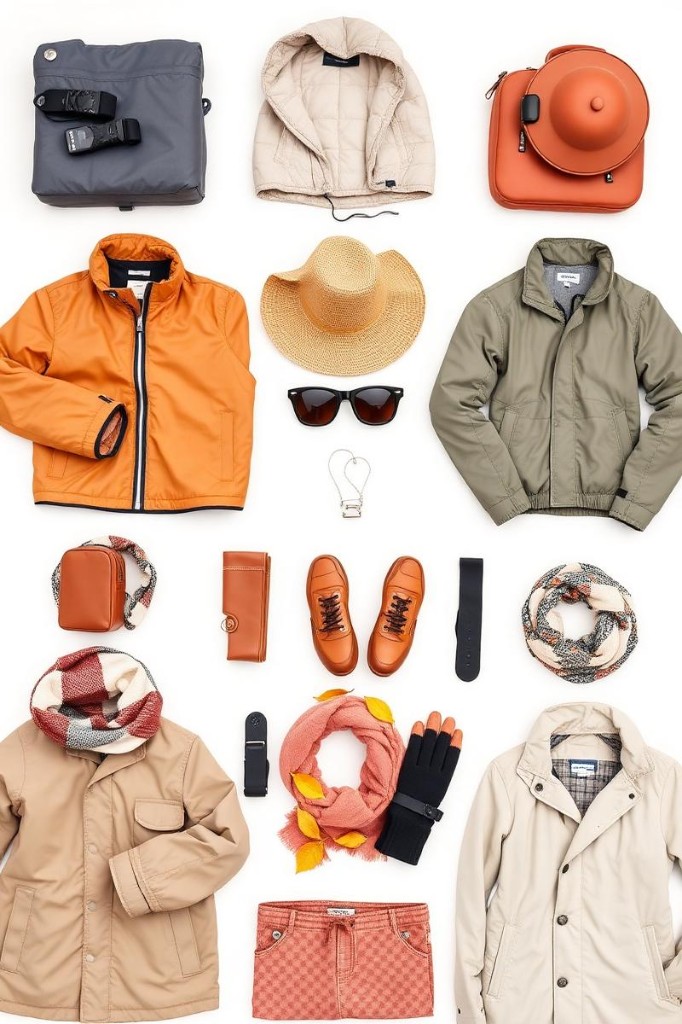
Dry Season (June-September): • Breathable and non-slip walking shoes • Hat and sunglasses are essential • Lightweight cotton clothing, long sleeves for temples • Compact umbrella for short showers • Waterproof backpack for cameras

Wet Season (October-May): • Lightweight raincoat and waterproof shoes • Quick-dry clothing • Plastic bag to protect electronics • Sandals for temple interiors • Light jacket for excessive air conditioning in malls
Travel clothing and gear by season

💰 Seasonal budget

PeriodCentral Accommodation (€/night)Transport (€/day)Restaurants (€/day)Attractions (€)Traffic
High season (June-Sept)45-808-1215-2520-35★★★★
Shoulder season (Feb-May)35-656-1012-2015-30★★★
Low season (Oct-Jan)25-505-810-1815-25★★
Festivals (Chinese New Year)60-12010-1520-3525-40★★★★★

💡 Money-saving tips

Malacca Heritage Pass: 30 RM for 6 museums, profitable from 3 visits onwards • Local restaurants on Jonker Street are 50% cheaper than in the tourist zone • Authentic and economical Kampong Morten accommodations • Free public panoramic bus in the historic center • Free night markets with street performances

🏥 Health and precautions

Increased hydration: tropical climate requires at least 3L of water/day • Sun protection is essential even in cloudy weather • Mosquito repellent is essential (dengue is present) • 24h pharmacies (Guardian and Watson) in the city center • Closed shoes recommended to avoid infections • Strong air conditioning: bring a light jacket

Urban events

Malacca's essential events calendar

Cultural festivities punctuate urban life in Malacca, transforming the atmosphere of the historic city and significantly influencing tourist traffic.

🏮 Chinese New Year (January/February)

Malacca's largest celebration transforms Jonker Street into a magical spectacle of red lanterns, lion dances, and fireworks. The festive atmosphere fills all Chinese districts with lavish decorations and colorful processions.

Location: Jonker Street and historic Chinese temples
Highlights: Free street performances and extended night markets
Climate Impact: Ideal dry period, maximum attendance, bookings essential 2 months in advance
Access: Special shuttles from bus terminal, temporary parking
Advice: Accommodation prices double, book restaurants in advance

🎭 Malacca Arts Festival (July)

An international festival transforming the city into a giant artistic stage with street performances, contemporary exhibitions, and shows in historic sites. The event reveals the modern creativity of this heritage city.

Location: Red Square, museums, and historic center galleries
Highlights: Fusion of contemporary art and UNESCO heritage
Climate Impact: Favorable dry season, outdoor evenings, programming adapted to heat
Access: Expanded pedestrian center, free buses to cultural sites
Advice: Book tickets online, take advantage of festival passes

🍜 Malacca Food Festival (April)

A gastronomic celebration honoring unique Peranakan cuisine and multicultural specialties. Jonker Street becomes a massive open-air restaurant with culinary demonstrations and tastings.

Location: Jonker Street and Pasar Besar (central market)
Highlights: Ancestral Peranakan recipes and culinary fusion
Climate Impact: Start of rainy season, covered stalls provided
Access: Light rail to Malacca Sentral then bus
Advice: Reservations at participating restaurants recommended

Seasonal events

Dry Season (June-September): • International Film Festival (August, cinemas and outdoor) • Malacca River Festival (September, night cruises) • Independence Day (August 31, patriotic parades)

Wet Season (October-May): • Deepavali (October/November, Hindu temple illuminations) • Christmas Light-Up (December, magical Red Square) • Thaipusam (January/February, colorful processions) • Wesak Day (May, Buddhist celebrations)

Public Holidays: Hari Raya (Malay shop closures), Chinese New Year (Chinatown closures for 2 days)

Responsible City-Trip

Adopt responsible urban tourism in Malacca by prioritizing sustainable practices that respect this UNESCO heritage and its local inhabitants.

Group of tourists enjoying an organized river cruise on the Melaka River by SR on Unsplash

Malacca, a fragile historic city, requires respectful tourism: prioritizing soft mobility in the pedestrian center, supporting local artisans rather than international chains, responsible waste management in this compact city, respecting prayer times in places of worship, and avoiding peak hours to reduce urban congestion.

🌱 Low-season advantages

Visiting Malacca in the low season (October-January) reduces tourist pressure on heritage sites, allows for a more authentic experience with local communities, lowers your carbon footprint, and supports the local economy during off-peak periods.

♻️ Sustainable travel tips

• Prioritize walking and cycling in the compact historic center • Choose local family restaurants rather than tourist chains • Accommodations certified by Green Building Index Malaysia • Reduce plastic: reusable water bottle, cloth bags for markets • Respect temple and mosque schedules • Alternative tours in residential Kampong districts

🏙️ Local sustainable initiatives

Malacca is developing a Smart Heritage City program: self-service electric bikes, expanded pedestrian zones in the UNESCO center, greening of colonial roofs, reinforced recycling of tourist waste, local organic Pasar Besar markets, and ecotourism labels for sustainably renovated heritage accommodations.

Our recommendations

Recommendations for your city trip to Malacca

After analyzing climatic data, tourist traffic, and cultural events, here are our personalized tips to optimize your discovery of this Malaysian historic pearl. The recommendations take into account seasonal price variations, tropical weather, and the intensity of the urban experience according to the periods.

🌟 Optimal Period

Months: June to September

Advantages:
• Most favorable weather conditions for urban walking
• Reduced precipitation facilitating outdoor exploration
• Terraces and night markets in full swing
• Malacca River cruises in optimal conditions
• Quality art festivals and cultural events

Major Events: Arts Festival (July), Independence Day (August)

Disadvantages: High tourist traffic, accommodation prices increased by 30-50%

Ideal Profile: First-time visitors, photographers, romantic couples

Stay Duration: 3-4 days recommended

⚖️ Interesting Alternative

Months: February to March

Description: Excellent compromise between acceptable weather conditions and attractive rates, with less tourist traffic for a more authentic experience.

Specific Advantages: Accommodation rates reduced by 25%, less crowded sites, authentic local experience, slightly cooler temperatures

For Whom: Budget travelers, local culture enthusiasts, relaxation stays

👥 Tips for your travel style

Family: June-August, Mahkota Parade area accommodation, air-conditioned museum activities, panoramic bus transport

Budget: February-March, Kampong Morten guesthouses, Jonker Street street food, free A Famosa sites

Culture: Year-round, heritage museums, ethnic districts, religious festivals

Romantic: June-September, colonial boutique hotels, sunset cruises, terrace restaurants

Weekend: Avoid Friday-Sunday (local crowds), prefer Tuesday-Thursday

First Trip: July-August, UNESCO historic center, combined museum pass, French-speaking guide

⚠️ Periods to Avoid

Months: October to December

Reasons: Monsoon peak with intense daily precipitation, uncomfortable extreme humidity, some outdoor activities compromised, risk of localized flooding

Nuances: Acceptable for budget travelers prioritizing indoor culture and gastronomy

Villes du même pays

All cities

Frequently Asked Questions

Answers to essential questions for planning your city trip to Malacca based on optimal weather conditions.

What is the best month to visit Malacca?

July and August offer optimal conditions with less precipitation, a lively urban atmosphere, and bearable temperatures. June and September are excellent alternatives with fewer crowds. Avoid October-December (intense monsoon) unless you prefer indoor cultural activities and reduced rates.

How many days should I plan for Malacca?

2 to 3 days are enough to discover the essentials: UNESCO historic center, heritage museums, Jonker Street, and river cruises. History and culture enthusiasts can extend to 4 days to explore ethnic districts and participate in festivals. A long weekend allows for a complete discovery without rushing.

What to do in Malacca when it rains?

Malacca excels in quality indoor activities: History and Ethnography Museum, Baba & Nyonya Heritage Museum, covered temples (Cheng Hoon Teng), Dataran Pahlawan and Mahkota Parade shopping malls, Jonker Street art galleries, and local cuisine tasting in air-conditioned food courts. Tropical showers are often short.

What events should not be missed in Malacca?

Chinese New Year (January/February) turns the city into a magical spectacle, the Arts Festival (July) fuses heritage with contemporary creativity, and the Food Festival (April) celebrates unique Peranakan gastronomy. Each season offers colorful religious festivities in historic temples and mosques.

What budget should I plan according to the season?

High season (June-September): €80-€120/day for 2 people including central accommodation, meals, and activities. Low season (October-January): €50-€80/day with reduced rates. Chinese New Year can double accommodation prices. Minimum budget possible is €35/day for backpackers using guesthouses and street food.