When to visit Labé? City-Trip Guide

Capital of the Fouta-Djalon, Labé offers a refreshing mountain climate and unique cultural authenticity depending on the season.

  • 200,000 inhabitants population
  • French, Pulaar language
  • 120 days rainy days/year
  • from November to April best time to visit
  • 3 to 5 days recommended stay

Climate and weather in Labé

Understanding the tropical highland climate of Labé

Labé enjoys a tropical highland climate, tempered by its location on the Fouta-Djalon plateau at 3,281 ft / 1,000 m. This privileged geographical position offers cooler temperatures than the rest of Guinea, ideal for urban exploration.

MonthMin Temp (°C / °F)Max Temp (°C / °F)Precipitation (mm)Sunshine (h/day)Tourist TrafficRecommended Activities
January15°C / 59°F28°C / 82°F58⭐⭐⭐Hiking, markets
February17°C / 63°F30°C / 86°F88⭐⭐⭐Urban exploration
March19°C / 66°F32°C / 90°F157⭐⭐⭐⭐Cultural visits
April20°C / 68°F33°C / 91°F456⭐⭐⭐Last excursions
May19°C / 66°F31°C / 88°F1205⭐⭐Indoor activities
June18°C / 64°F28°C / 82°F1804Museums, crafts
July17°C / 63°F26°C / 79°F2203Cultural centers
August17°C / 63°F26°C / 79°F2503Authentic local life
September17°C / 63°F27°C / 81°F2004Culinary discovery
October18°C / 64°F29°C / 84°F806⭐⭐Ideal transition
November16°C / 61°F30°C / 86°F207⭐⭐⭐⭐All activities
December14°C / 57°F28°C / 82°F88⭐⭐⭐⭐Optimal period

The seasons in Labé

Must-sees according to the weather

Optimize your discovery of Labé by adapting your visits to weather conditions to fully enjoy the Pulaar cultural riches.

☔ In cloudy/rainy weather

Indoor & Protected

The covered spaces of Labé reveal the soul of Pulaar culture during rainy days, offering an authentic immersion into local crafts and traditions.

Recommended Sites:
🏛️ Franco-Guinean Cultural Center - 2h - Free - All year
🎨 Pulaar craft workshops - 3h - €15-25 - Optimal in rainy season
🏪 Large covered market - 1h30 - Free - Mornings recommended
🏛️ Former governor's residence - 1h - €5 - Colonial architecture
📚 Municipal library - 1h - Free - Temporary exhibitions

Practical Tip: Book craft workshops in advance, particularly active during the rainy season

Additional Tip: Combine the covered market and cultural center for a full morning of immersion
☀️ In good weather

Optimal Outdoor

The highland climate of Labé makes outdoor exploration particularly pleasant, revealing spectacular panoramas and traditional Pulaar architecture.

Recommended Sites:
🏔️ Labé Lookout - 2h - Free - Sunrise/Sunset
🏘️ Traditional Pulaar neighborhoods - 3h - Free - Cool morning
🌳 Central public garden - 1h - Free - All day
🏛️ Central Mosque - 30min - Free - Respect prayer times
🚶 Plateau promenade - 2-4h - Free - Guide recommended

Best time of day: 7 AM-10 AM and 4 PM-6 PM to avoid heat and enjoy golden light

Seasonal Tip: November to March is optimal; avoid April-May which is too hot

🌤️ Versatile for all weather

Flexible

These adaptable sites allow you to switch between indoors and outdoors according to the changing weather conditions of the Fouta-Djalon.

Recommended Sites:
🏪 Labé Craft Complex - Covered workshops + gardens
🏛️ Governor's Palace - Interior + panoramic terraces
🍽️ Traditional restaurants - Terraces + air-conditioned rooms

Weather Tip: Start outdoors in the morning, retreat indoors in case of a shower

Example Itinerary: Lookout (morning) → Covered crafts (noon) → Neighborhoods (afternoon)

💰 Free or economical

No Cost

Free Sites:
🌅 Panoramic viewpoints - Spectacular at sunrise
🏪 Local markets - Authentic cultural immersion
🚶 Guided urban walks - Some days by the tourist office

Free Days: Cultural center free on Sunday mornings

Budget Tips: Natural panoramas, food markets, authentic Pulaar residential neighborhoods

Practical Guide

Prepare for your stay in Labé by taking into account the climatic specifics of the Fouta-Djalon and the Pulaar cultural peculiarities for an optimal experience.

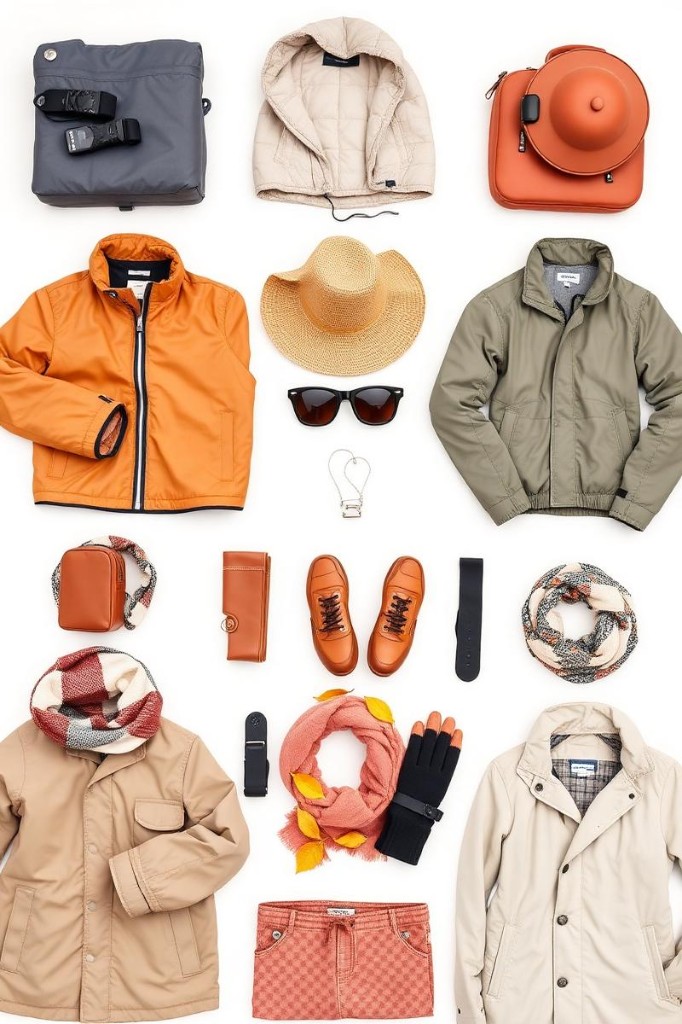
👕 Seasonal packing

**Dry Season (Nov-Apr)**: • Comfortable walking shoes for the plateaus • Light jacket for cool nights • Hat and sunglasses • Protection against harmattan dust

**Rainy Season (May-Oct)**: • Quality raincoat is essential • Waterproof non-slip shoes • Quick-dry clothing • Waterproof bag for electronic equipment • Fleece jacket for cool highland evenings
Travel clothing and gear by season

💰 Seasonal budget

PeriodAccommodation (€/night)Transport (€/day)Restaurants (€/day)Attractions (€)Traffic
High season (Dec-Feb)25-458-1215-255-15⭐⭐⭐⭐
Mid-season (Nov, Mar-Apr)20-356-1012-205-12⭐⭐⭐
Low season (May-Oct)15-255-810-153-8

💡 Money-saving tips

• Negotiate accommodation prices in the low season (up to -40%) • Prefer local restaurants over tourist establishments • Use public transport rather than private taxis • Buy crafts directly from producers • Take advantage of the many free cultural events in the dry season

🏥 Health and precautions

• Increased hydration during the dry season and harmattan • Sun protection is essential at altitude • Malaria prevention all year round, reinforced in the rainy season • Closed shoes recommended to avoid infections • First aid kit with anti-diarrheal medication • Pharmacies available in the city center

Cultural Events

Calendar of must-see events in Labé

Pulaar cultural events shape life in Labé and offer a unique immersion into the traditions of the Fouta-Djalon, which are particularly rich during the dry season.

Festival of Pulaar Arts and Traditions (February)

The largest cultural gathering in the Fouta-Djalon transforms Labé into a Pulaar artistic capital. Traditional dances, kora concerts, and craft exhibitions animate every neighborhood of the city for a full week.

Location: City center and Governor's Palace esplanade
Specialty: Participation of renowned griots from across West Africa
Climate impact: Peak attendance, accommodation bookings essential 2 months in advance
Transport access: Free shuttles from the bus station
Anticipation tip: Book accommodation from November; rates double during the event

Traditional Cattle Market (every Thursday)

The most authentic market in the region reveals the Pulaar pastoral soul. Breeders, merchants, and artisans meet in a colorful and lively atmosphere that constitutes a unique cultural spectacle.

Location: Northern outskirts of Labé, Hamdallaye district
Specialty: Transactions still carried out according to traditional Pulaar codes
Climate impact: More spectacular in the dry season; difficult access in the rainy season
Transport access: Motorcycle taxi or 20-minute walk from the center
Anticipation tip: Arrive early in the morning (7 AM) for the best atmosphere

Ramadan and Tabaski Celebrations (variable dates)

These religious festivities reveal the spiritual fervor of Labé and Pulaar hospitality. Collective prayers, shared meals, and family activities create a warm and welcoming atmosphere.

Location: Central Mosque and public squares
Specialty: Exceptional opening of family homes to visitors
Climate impact: City particularly lively; businesses adjust their hours
Transport access: City center accessible on foot
Anticipation tip: Respect dress codes; inquire about schedules

Seasonal events

**Dry Season**: • Kora Festival (January) • Pulaar Poetry Contest (March) • Craft Fair (April) • Traditional Sports Tournaments (February-March)

**Rainy Season**: • Craft learning workshops (June-August) • Traditional storytelling (July) • Initiation ceremonies (August-September) • Modern music festivals (October)

Responsible Tourism in Labé

Discovering Labé responsibly helps preserve Pulaar cultural authenticity while supporting the local economy of this fragile mountainous region.

Sustainable tourism in Labé favors local Pulaar initiatives: family-run accommodation, community guides, fair-trade crafts, and respect for traditions. This approach preserves the unique cultural identity of the Fouta-Djalon while generating direct income for communities.

🌱 Low-season advantages

Visiting Labé in the rainy season offers an authentic experience with less tourist pressure, fair local prices, and privileged immersion in traditional Pulaar daily life.

♻️ Sustainable travel tips

• Favor family-run Pulaar accommodation over international structures • Buy crafts directly from local producers • Use community guides trained by local associations • Respect Pulaar dress and behavioral codes • Consume in traditional family restaurants • Participate in craft workshops to support the transmission of skills

🏙️ Local sustainable initiatives

Labé is developing community-based ecotourism: cultural circuits managed by Pulaar families, fair-trade craft workshops, locally trained guides, and restored traditional accommodation. These initiatives preserve cultural heritage while creating sustainable jobs.

Our Recommendations

Recommendations for your city-trip to Labé

Our climatic and cultural analyses reveal the best periods to discover Labé according to your priorities: cultural immersion, climatic comfort, controlled budget, or maximum authenticity. The temperate highland climate and the richness of Pulaar traditions offer varied experiences depending on the season.

Optimal Period: December to February

Recommended Months: December, January, February

Advantages:
• Ideal climate with cool temperatures (14-30°C / 57-86°F)
• Dry harmattan facilitating all activities
• Pulaar Arts Festival in February
• Perfect visibility on the Fouta-Djalon plateaus
• Very lively and accessible markets

Key Events: Festival of Pulaar Arts and Traditions, year-end markets
Disadvantages: Peak attendance, high accommodation prices
Ideal Profile: First-time visitors, culture lovers, photographers
Stay Duration: 4-5 days recommended

Interesting Alternative: November and March

Alternative Months: November, March
Description: Excellent compromise between favorable climatic conditions and moderate attendance, with more accessible rates than in high season.
Specific Advantages: Fewer tourists, negotiable prices, still very pleasant climate, local cultural events
For Whom: Experienced travelers, medium budgets, authenticity lovers

👥 Tips for your travel style

**Family**: December-February

Family-friendly city center accommodation

Adapted cultural activities

Organized transport**Budget**: May-October

Local hostels

Family restaurants

Craft price negotiation**Culture**: February

Homestays

Festival participation

Specialized cultural guides**First Visit**: December-January

City center hotels

Organized tours

French-speaking guide**Authentic**: June-September

Total immersion

Traditional accommodation

Craft learning

Periods to Avoid: July-August

Not Recommended Months: July, August
Reasons: Intense rains limiting travel, difficult roads to villages, reduced visibility of landscapes
Nuances: Acceptable for experienced travelers seeking maximum cultural immersion and minimal prices

Villes du même pays

All cities

Frequently Asked Questions

Answers to essential questions to help you plan your discovery of Labé according to the climate and cultural conditions of the Fouta-Djalon.

What is the best month to visit Labé?

February is the optimal month to discover Labé. The climate is ideal (15-30°C / 59-86°F), the harmattan brings pleasant dry air, and the Festival of Pulaar Arts and Traditions transforms the city into a cultural capital. Visibility on the Fouta-Djalon plateaus is perfect, and all sites are accessible. However, plan to book your accommodation in advance as this is the period of highest attendance.

How many days should I plan for Labé?

A stay of 3 to 5 days allows you to discover the essentials of Labé and its surroundings. Count on 2 days for the city (markets, traditional neighborhoods, cultural centers), 1 day for the surrounding plateaus, and 1-2 additional days if you wish to participate in craft workshops or attend cultural events. Travelers passionate about Pulaar culture can extend their stay up to a week for complete immersion.

What to do in Labé when it rains?

Labé offers many indoor alternatives during the rainy season. Visit the Franco-Guinean Cultural Center, participate in Pulaar craft workshops (weaving, pottery, leatherwork), explore the large covered market, discover the former governor's residence, or attend traditional performances. It is also the ideal time to enjoy local cuisine in family restaurants and interact with artisans in their workshops.

Which events should not be missed in Labé?

The Festival of Pulaar Arts and Traditions in February is the major must-see event. The Thursday cattle markets offer an authentic experience all year round. Depending on the season, do not miss the religious celebrations (Tabaski, Ramadan), Pulaar poetry contests (March), and craft learning workshops (rainy season). Each event reveals a different facet of the rich Pulaar culture of the Fouta-Djalon.

What budget should I plan for according to the season?

In high season (December-February), expect to spend €60-90/day all-inclusive. In mid-season (November, March-April), €45-70/day is sufficient. The low season (May-October) allows you to travel for €35-55/day. Accommodation varies from €15 (low season) to €45 (high season) per night. Meals cost €10-25/day depending on the standard. Crafts and cultural activities remain affordable all year round (€5-15). Always negotiate prices respectfully, especially in the low season.