When to visit the Fouta Djallon? Travel Guide

Explore the lush plateaus of the Fouta Djallon according to the seasons for an optimal experience

  • 3.2 M population
  • Pulaar, French language
  • 120 days rainy days/year
  • November to April best time to visit
  • 7 to 14 days recommended stay

Climate of the Fouta Djallon

Understanding the tropical mountain climate of the Fouta Djallon

The Fouta Djallon enjoys a tropical mountain climate tempered by its altitude. This mountainous region features cooler temperatures than the rest of Guinea, with a distinct dry season and a heavy rainy season that significantly influences travel conditions.

  • Central Plateaus: The coolest zone with moderate temperatures year-round
  • Valleys and Plains: Warmer and more humid climate, especially during the rainy season
MonthMin Temp (°C / °F)Max Temp (°C / °F)Precipitation (mm / in)Sunshine (h/day)Tourist TrafficRecommended Activities
January15°C / 59°F28°C / 82°F5mm / 0.2in8⭐⭐⭐Hiking, waterfalls
February17°C / 63°F30°C / 86°F10mm / 0.4in8⭐⭐⭐⭐Trekking, villages
March19°C / 66°F32°C / 90°F20mm / 0.8in7⭐⭐⭐⭐Exploration, culture
April20°C / 68°F32°C / 90°F40mm / 1.6in7⭐⭐⭐Final hikes
May19°C / 66°F30°C / 86°F120mm / 4.7in6⭐⭐Waterfalls flowing
June18°C / 64°F28°C / 82°F180mm / 7.1in5Green landscapes
July18°C / 64°F26°C / 79°F220mm / 8.7in4Rest, reading
August18°C / 64°F26°C / 79°F250mm / 9.8in4Nature observation
September18°C / 64°F27°C / 81°F200mm / 7.9in5Photography
October18°C / 64°F28°C / 82°F80mm / 3.1in6⭐⭐Seasonal transition
November16°C / 61°F29°C / 84°F20mm / 0.8in7⭐⭐⭐Hiking resumes
December15°C / 59°F28°C / 82°F5mm / 0.2in8⭐⭐⭐Ideal climate

The altitude of the Fouta Djallon (800 to 1500m / 2,625 to 4,921ft) creates notable climatic variations: cooler temperatures at night, frequent morning fog, and higher precipitation on heights exposed to westerly winds.

The Seasons

Sites by Weather

Optimize your discovery of the Fouta Djallon by adapting your visits to climatic conditions for a memorable experience.

☀️ In dry weather

Optimal Exploration

Dry conditions reveal the full splendor of the panoramas of the Fouta Djallon and allow access to the most remote sites.


Recommended Sites:
🏔️ Mount Loura (highest point, 3h climb, free, Nov-Mar)
💧 Kinkon Falls (iconic waterfall, 2h walk, 50,000 GNF, Dec-Apr)
🏘️ Dounet Village (traditional architecture, 1h visit, free, all dry season)
🌊 Source of the Niger River (historical site, 1h30 walk, free, Jan-Mar)
🗻 Dalaba Plateau (panoramas, 2h exploration, free, Nov-Apr)
⛰️ Fello Peak (hike, 4h round trip, guide 100,000 GNF, Dec-Mar)
🏞️ Ditinn Valley (landscapes, 3h trek, guide required, Jan-Apr)

Best time: Sunrise and sunset for photography
Seasonal Tip: Avoid March-April (excessive daytime heat)
🌧️ In wet weather

Refuges and accessible sites

The rainy season limits access but reveals unique natural spectacles for adapted travelers.


Adapted Sites:
🏛️ Labé Craft Center (local crafts, 2h visit, 20,000 GNF, year-round)
🏘️ Pita Market (local culture, 1h visit, free, morning recommended)
💧 Ditinn Falls (maximum spectacle, 1h easy walk, free, Jun-Sep)
🏠 Host villages (cultural immersion, overnight 150,000 GNF, year-round)
🌿 Dalaba Botanical Gardens (tropical flora, 1h30 visit, 30,000 GNF)

Weather Tip: Prioritize mornings, lulls between showers
Seasonal Tip: Bring waterproof equipment and non-slip shoes

🌤️ All weather

Versatile sites

Some places offer enriching experiences regardless of the weather.


Flexible Sites:
🏛️ Labé Museum (Fula history, indoor, 1h30, 25,000 GNF)
🏘️ Friguiagbé Mosque (architecture, visit possible, free)
🌿 Compound Gardens (traditional agriculture, 1h, free)

Weather Tip: Combine indoor/outdoor according to conditions
Example itinerary: Morning museum, afternoon nature if weather permits

💰 Budget experiences

Accessible discoveries

The Fouta Djallon offers many authentic experiences without significant costs.


Free Sites:
🏔️ Panoramic viewpoints (sunsets, free)
🏘️ Traditional villages (warm welcome, donation appreciated)
🌊 Natural springs (swimming, free)
🚶 Hiking trails (local marking, free)

Budget tips: Cheaper community guides, homestays, local markets for meals

Practical Guide

Prepare your trip to the Fouta Djallon with our tips adapted to the climatic and geographical specificities of this unique mountainous region of Guinea.

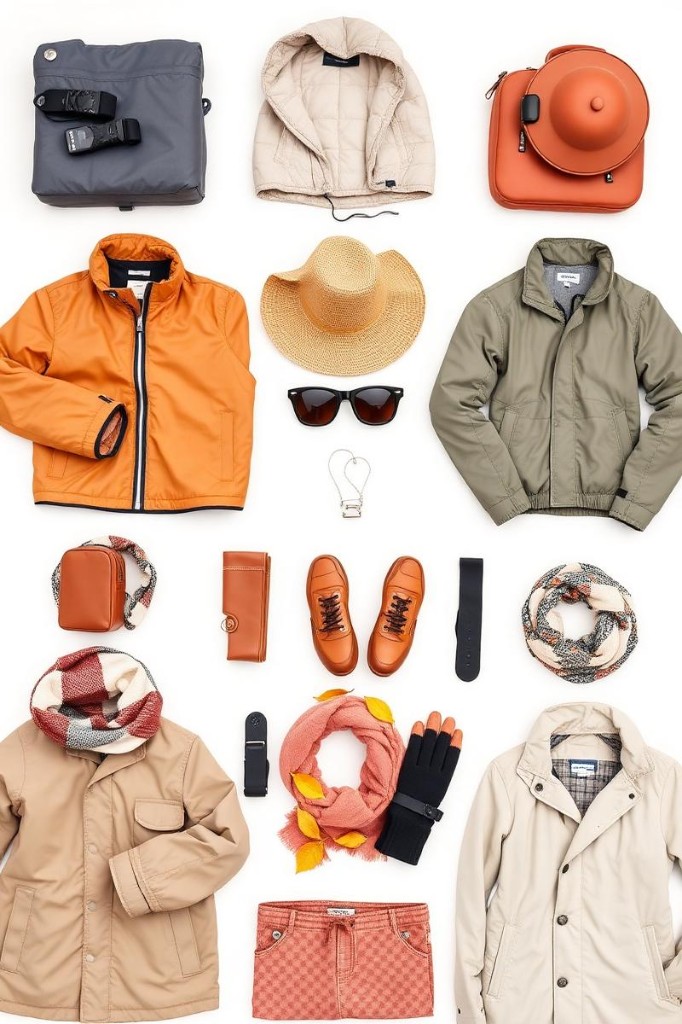
👕 Seasonal packing

Dry Season (Nov-Apr): • Sturdy hiking boots • Lightweight clothing for the day • Fleece for cool nights • Hat and sunglasses • High-protection sunscreen

Rainy Season (May-Oct): • Waterproof boots mandatory • Poncho or rain jacket • Quick-dry clothing • Waterproof bags for equipment • Spare socks • Insect repellent
Travel clothing and gear by season

💰 Seasonal budget

PeriodAccommodation (€/night)Transport (€/day)Meals (€/day)Activities (€)Traffic
Dry season25-6015-308-1520-50⭐⭐⭐
Transition20-4512-256-1215-40⭐⭐
Rainy season15-3510-205-1010-30

💡 Money-saving tips

• Negotiate guide prices in groups • Prioritize homestays (authentic and economical) • Buy supplies in local markets • Avoid religious holiday periods (higher prices) • Plan for mandatory guide budget for remote sites

🏥 Health and precautions

• Yellow fever vaccination mandatory • Reinforced antimalarial treatment in rainy season • Water purification essential • Complete first aid kit (distance from medical centers) • Altitude sun protection • Precautions against snakes and insects

Cultural Events

Calendar of traditional festivities in the Fouta Djallon

Fula celebrations punctuate life in the Fouta Djallon, offering unique opportunities to discover the cultural richness of this region.

🎭 Fouta Arts Festival (February)

A major celebration of Fula culture gathering artists, musicians, and traditional storytellers. Folk dances and music played on the hoddu resonate through the villages, creating a unique festive atmosphere.

Location: Labé and surrounding villages
Highlights: Fula poetry contest and craft demonstrations
Climate Impact: Ideal dry period, moderate crowds, accommodation booking recommended
Access: Easy transport from Conakry, tracks are passable
Tip: Book accommodation 1 month in advance

🌾 Harvest Festival (November)

Celebration of the end of the agricultural season marking the return of the dry season. Communities gather to share the fruits of their labor in an atmosphere of gratitude and sharing.

Location: All Fouta villages
Highlights: Tasting of local specialties and traditional dances
Climate Impact: Start of dry season, optimal travel conditions
Access: Roads become passable again after the rains
Tip: Ideal time to start a stay

🕌 Religious Holidays (Variable)

Celebrations of Eid and Ramadan hold special importance in this predominantly Muslim region, transforming the village atmosphere into moments of reflection and community sharing.

Location: Mosques and village squares
Highlights: Enhanced hospitality, invitations to family meals
Climate Impact: Dates vary according to the lunar calendar
Access: Local transport slows down during celebrations
Tip: Respect traditions, plan appropriate attire

Seasonal events

Dry season: • Cultural festivals (Dec-Mar) • Lively weekly markets • Traditional wedding ceremonies

Rainy season: • Agricultural rituals (May-Jun) • Intimate village feasts • End of Ramadan celebrations if timing aligns

Year-round: • Labé (Thursday) and Pita (Sunday) markets • Initiation ceremonies according to local calendar

Responsible Travel

Discovering the Fouta Djallon respectfully helps preserve this fragile ecosystem and support local communities.

Responsible tourism in the Fouta Djallon involves respecting Fula traditions, protecting the fragile mountain environment, and supporting the local economy. Prioritize community guides, homestays, and adopt practices that respect nature and local customs.

🌱 Low-season advantages

Traveling in the rainy season reduces tourist pressure, allows for more authentic immersion with local communities, offers advantageous rates, and contributes to a balanced distribution of tourism income.

♻️ Sustainable travel tips

• Use local guides and porters to support the economy • Respect sacred sites and Fula traditions • Avoid single-use plastic, bring a filtered water bottle • Buy crafts directly from producers • Limit impact on trails, stay on marked paths • Participate in proposed community activities

🏙️ Local sustainable initiatives

The Fouta Djallon is developing community-based ecotourism: locally trained guides, certified family accommodations, protection of springs and waterfalls, participatory reforestation, promotion of traditional crafts, and environmental awareness in schools.

Our Recommendations

Recommendations for your trip to the Fouta Djallon

After analyzing climatic data, seasonal accessibility, and cultural specificities, our recommendations are adapted to different traveler profiles. The choice of period depends on your priorities: climatic comfort, natural spectacles, cultural immersion, or budget. Each season reveals a different face of this exceptional region of Guinea.

🌟 Optimal Period: December to March

Recommended Months: December, January, February, March

Advantages:
• Ideal climatic conditions (15-30°C / 59-86°F)
• Roads and trails perfectly passable
• Excellent visibility for panoramas
• Minimal malaria risk
• Cultural festivals and festive atmosphere

Key Events: Fouta Arts Festival, Harvest Festival, traditional wedding season

Disadvantages: Higher tourist traffic, slightly higher prices

Ideal Profile: First-time travelers, families, hikers, photographers
Stay duration: 10 to 14 days recommended

🌤️ Interesting Alternative: November and April

Months: November, April
Description: Transition periods offering an excellent compromise between favorable weather conditions and moderate attendance, with more attractive rates.
Specific Advantages: Fewer tourists, more affordable prices, nature in spectacular transition, conditions still favorable
For whom: Flexible travelers, tight budgets, tranquility seekers

👥 Tips for your travel style

Family: Dry season mandatory, Labé accommodation, short activities, experienced guide
Budget: April-May or October-November, local accommodation, shared transport, community guides
Nature: December-February optimal, camping possible, long hikes, wildlife observation
Culture: February (festivals), village accommodation, community immersion, learning Pulaar
Adventure: Any season depending on experience, adapted equipment, specialized guides, flexible itineraries

⚠️ Periods to avoid: July-August

Months: July, August
Reasons: Maximum rainfall making roads impassable, high malaria risk, reduced visibility, equipment constantly damp
Nuances: Acceptable for very experienced adventurers seeking total immersion and the spectacle of raging waterfalls

Villes du même pays

All cities

Frequently Asked Questions

Answers to essential questions for planning your trip to the Fouta Djallon according to climatic conditions.

What is the best month to visit the Fouta Djallon?

February and March offer the best conditions: dry and pleasant climate, passable roads, waterfalls still flowing, and cultural festivals. January can be cooler at night, while April becomes warmer. This period combines climatic comfort, optimal accessibility, and cultural richness, ideal for a first discovery of the region.

How many days should I plan for the Fouta Djallon?

Plan for a minimum of 7 days for an overview, or 10-14 days for a complete discovery including hiking and cultural immersion. Distances and road conditions require time. Plan 2-3 days in Labé as a base, then 4-5 days for excursions to waterfalls and villages. Trekking enthusiasts can extend to 3 weeks.

What to do in the Fouta Djallon when it rains?

Visit the Labé craft center, discover mosque architecture, participate in traditional weaving workshops, or enjoy village hospitality for cultural exchanges. Covered markets also offer an authentic immersion. Some waterfalls are spectacular in the rain but require proper equipment and an experienced guide.

Which events should not be missed in the Fouta Djallon?

The Fouta Arts Festival in February is a must to discover Fula culture. The Harvest Festival in November marks the return of the dry season. Weekly markets (Thursday in Labé, Sunday in Pita) offer constant immersion. Traditional wedding ceremonies in the dry season reveal the authenticity of local customs.

What budget should I plan according to the season?

In the dry season (Nov-Apr): €60-€100/day all-inclusive with guide and transport. In the rainy season: €40-€70/day, but access is limited. Budget for a mandatory guide (€20-€30/day), 4x4 transport (€40-€60/day), and homestays (€10-€25/night). Festival periods increase prices by 20-30%. Minimum budget of €500 for a full week.