When to visit Lifuka? City-Trip Guide

Discover the pearl of Ha'apai and its paradisiacal landscapes according to the tropical seasons

  • 0.7 thousand population
  • Tongan, English language
  • 165 days rainy days/year
  • May to October best time to visit
  • 3 to 7 days recommended stay

Tropical climate of Lifuka

Understanding the maritime tropical climate of Lifuka

Lifuka enjoys a maritime tropical climate characterized by consistent temperatures and refreshing trade winds. Its insular position in the Ha'apai archipelago directly influences weather conditions, with a distinct dry season and a cyclone period to consider when planning your stay.

  • Coastal zone: Benefits from constant trade winds and temperatures moderated by the ocean
  • Island interior: Slightly warmer with less natural ventilation
  • Lagoons: Warmer and calmer waters, ideal for swimming
MonthMin Temp (°C / °F)Max Temp (°C / °F)Precipitation (mm)Sunshine (h/day)Tourist TrafficRecommended Activities
January24°C / 75°F30°C / 86°F1806★★★Diving, relaxing
February24°C / 75°F30°C / 86°F1606★★★Snorkeling, kayaking
March24°C / 75°F30°C / 86°F1706★★★Whale watching
April23°C / 73°F29°C / 84°F1207★★Hiking, beach
May22°C / 72°F28°C / 82°F907★★Fishing, exploration
June21°C / 70°F27°C / 81°F707★★★All activities
July20°C / 68°F26°C / 79°F607★★★★Water sports
August20°C / 68°F26°C / 79°F657★★★★Optimal diving
September21°C / 70°F27°C / 81°F757★★★Sailing, fishing
October22°C / 72°F28°C / 82°F857★★Cultural discovery
November23°C / 73°F29°C / 84°F1106★★Swimming, relaxing
December24°C / 75°F30°C / 86°F1506★★★Local festivities

As the island is relatively flat with a maximum altitude of 20 meters / 66 feet, climatic variations due to altitude are negligible. The southeast trade winds primarily influence the local climate.

The seasons

Activities by weather

Optimize your stay in Lifuka by choosing your activities according to weather conditions to fully enjoy this pearl of the Pacific.

☔ In rainy weather

Protected and cultural activities

Tropical showers offer the opportunity to discover authentic Tongan culture.

Activities:
🏛️ Visit the Pangai Cultural Center (2h, free)
🏪 Discover covered local markets (1h, 5-10 TOP)
🍽️ Taste traditional cuisine (local restaurants)
🎨 Meet local artisans (variable)
📚 Library and tourist information center

Practical tip: Showers are often short and intense, perfect for cultural breaks
Tip: Use this time to plan your water activities for the next day
☀️ In good weather

Water sports paradise

The sun reveals the full beauty of the crystal-clear waters and surrounding coral reefs.

Activities:
🤿 Diving in the passes (half-day, 80-120 TOP)
🏊 Snorkeling on the reefs (2-3h, 20-40 TOP)
🚤 Excursion to neighboring islets (day trip, 150-200 TOP)
🎣 Big game fishing (half-day, 100-150 TOP)
🏄 Kayaking in the lagoons (2h, 30-50 TOP)

Best time: Early morning (6am-10am) for optimal visibility
Seasonal tip: May to September offer the most stable conditions

🌤️ Versatile for any weather

Flexible activities

Some experiences adapt perfectly to tropical weather changes.

Activities:
🚶 Walking exploration of Pangai (flexible depending on showers)
🏖️ Beaches with natural shaded areas
🛶 Coastal kayaking (adaptable to conditions)

Weather tip: Always keep a Plan B for outdoor activities
Example itinerary: Morning beach, afternoon cultural if raining, local evening

💰 Budget-friendly activities

Free discoveries

Free sites:
🌅 Sunrise/sunset on the beaches
🚶 Coastal hiking trails
🏖️ Public beaches and lagoons
🎭 Community cultural shows (some evenings)

Budget tips: Picnics on the beaches, walking transport, activities with locals

Practical guide

Prepare for your stay in Lifuka with our practical tips adapted to the tropical climate and the specificities of this authentic Tongan island destination.

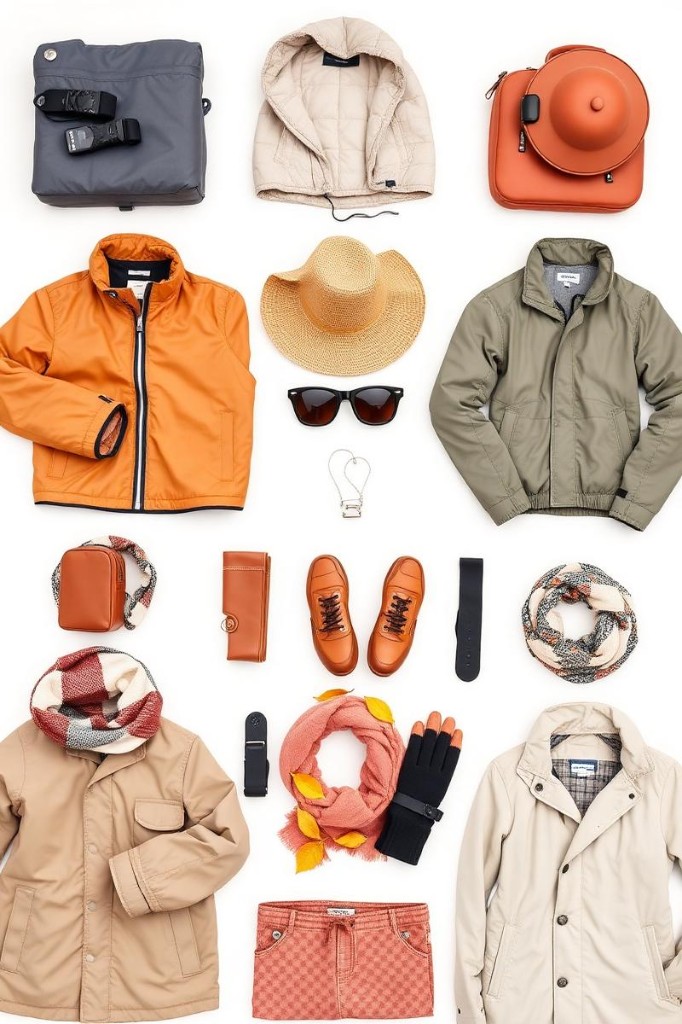
👕 Seasonal packing

Dry season (May-October): • Lightweight cotton clothing • Light windbreaker for trade winds • Closed-toe shoes for excursions • Multiple swimsuits • Hat and sunglasses

Wet season (November-April): • Breathable, quick-dry clothing • Light raincoat or poncho • Waterproof sandals • Extra changes of clothes • Mosquito protection
Travel clothing and gear by season

💰 Seasonal budget

PeriodAccommodation (TOP/night)Meals (TOP/day)Activities (TOP)Local Transport (TOP/day)Traffic
Dry season80-15040-7050-20020-30★★★★
Wet season60-12035-6040-15015-25★★
High season100-20050-8060-25025-35★★★★★

💡 Money-saving tips

• Book accommodation in the wet season to save 20-30%
• Choose local restaurants over resorts (40-50% savings)
• Group water activities to negotiate rates
• Buy supplies at the local Pangai market
• Avoid July-August for the best prices

🏥 Health and precautions

• High-strength sun protection (SPF 50+ minimum)
• Constant hydration (3L/day minimum)
• Mosquito repellent (especially in the wet season)
• First aid kit (due to distance from medical centers)
• Travel insurance including medical evacuation
• Sufficient supply of personal medications

Cultural events

Calendar of traditional festivities in Lifuka

Lifuka and the Ha'apai archipelago celebrate Tongan culture through authentic events that mark the island year.

🎭 Heilala Festival (July)

The largest cultural festival in Tonga takes place primarily in Nuku'alofa but influences all islands. Traditional dances, beauty pageants, and performances bring the archipelago to life for a week. The festive atmosphere reaches Lifuka with local celebrations and increased tourist traffic. Accommodations fill up, so booking 3-4 months in advance is essential.

🐋 Whale watching season (July-October)

Humpback whales migrate through the waters of Ha'apai, offering an exceptional natural spectacle. Lifuka becomes a prime starting point for marine observation. Excursions increase, and the island lives to the rhythm of this majestic migration. Expect an impact on water activity prices (+30-50%) and the need to book sea outings several days in advance.

🎉 Tongan Independence Day (June 4)

A national celebration featuring parades, traditional sports, and community feasts. Lifuka organizes its own local festivities in a friendly and authentic atmosphere. Residents wear traditional costumes and share their culture with visitors. This is an excellent time to discover Tongan hospitality, though tourist services may be reduced on the day.

Seasonal events

Dry season: • Fishing competitions (August-September) • Local dance festivals (June-July) • Religious celebrations (variable)

Wet season: • Tongan New Year (January) • Year-end celebrations (December) • Easter celebrations (March-April) • Harvest festivals (February-March)

Responsible tourism

Lifuka, a fragile jewel of the Pacific, requires a respectful approach to preserve its exceptional marine ecosystem and authentic culture.

Responsible tourism in Lifuka involves the protection of coral reefs, respect for Tongan traditions, and support for the local economy. This small island depends entirely on its natural environment and harmony with its visitors to maintain its unique ecological and cultural balance.

🌱 Low-season advantages

Visiting during the wet season reduces tourist pressure on the reefs, allows for more authentic interactions with locals, and supports the local economy during less busy periods, while offering more affordable rates.

♻️ Sustainable travel tips

• Use biodegradable sunscreen to protect corals
• Prioritize local guides and providers
• Respect the minimum distance from whales (100m / 328ft)
• Avoid single-use plastics
• Participate in organized beach cleanups
• Consume local products (fish, tropical fruits)

🏙️ Local sustainable initiatives

Lifuka is developing marine protection programs with protected reef zones, community recycling initiatives, and ecotourism projects that directly involve local families in welcoming eco-conscious visitors.

Our recommendations

Recommendations for your stay in Lifuka

Based on climate analysis and field experience, our recommendations optimize your discovery of Lifuka according to your preferences and constraints. The choice of period directly influences the quality of water activities, the authenticity of encounters, and the overall budget of your stay in this preserved archipelago.

🏆 Optimal period: May to September

Advantages:
• Ideal weather conditions (20-28°C / 68-82°F)
• Calm sea and exceptional visibility
• Constant refreshing trade winds
• Almost zero cyclone risk
• Whale season (July-September)

Events: Heilala Festival, whale watching, fishing competitions
Disadvantages: Higher tourist traffic, slightly higher prices
Ideal profile: Water sports enthusiasts, divers, families
Recommended duration: 5-7 days

🌺 Interesting alternative: October-November and April

Transition periods offering an excellent compromise between favorable weather conditions and moderate crowds. Pleasant temperatures, limited rainfall, and intermediate rates.

Advantages: Fewer tourists, moderate prices, still favorable weather
For whom: Flexible travelers, tight budgets, lovers of authenticity

👥 Tips for your travel style

Family: May-September, Pangai accommodations, safe activities, 5-7 days
Budget: April-May and October-November, local guesthouses, free activities, 3-5 days
Divers: June-September, certified dive centers, 5-10 days
Romantic: May-June, isolated resorts, sunsets, 4-6 days
Adventurers: All year, camping allowed, islet exploration, 7-14 days

⚠️ Periods to avoid: December to March

Reasons: Active cyclone season, heavy rainfall, high humidity, weather risks
Nuances: Acceptable for experienced travelers looking for low prices and total solitude

Villes du même pays

All cities

Frequently asked questions

Answers to essential questions to help you plan your trip to Lifuka based on optimal weather conditions.

What is the best month to visit Lifuka?

June to August is the optimal period with ideal weather conditions (20-26°C / 68-79°F), calm seas, and refreshing trade winds. It is also the peak whale watching season. Crowds are moderate compared to classic tourist destinations, but prices are slightly higher. May and September are excellent alternatives with fewer visitors.

How many days should I plan for Lifuka?

5 to 7 days allow you to discover the essentials: reef diving, excursions to neighboring islets, cultural encounters, and relaxation. Diving enthusiasts or those seeking total disconnection can extend their stay to 10-14 days. A minimum of 3 days is necessary to soak up the unique atmosphere of the Ha'apai archipelago.

What is there to do in Lifuka when it rains?

Tropical showers are generally short but intense. Use this time to visit the Pangai cultural center, discover local crafts, taste traditional Tongan cuisine, or plan your next activities. Locals appreciate these moments to share their culture. Many accommodations offer covered areas with ocean views to wait out the rain.

Which events should I not miss in Lifuka?

The whale watching season (July-October) is the major natural event. The Heilala Festival in July brings the whole archipelago to life with traditional dances and shows. Independence Day (June 4) offers an authentic cultural immersion. Local fishing competitions (August-September) are a great way to meet locals in a friendly atmosphere and learn about maritime traditions.

What budget should I expect depending on the season?

Dry season: 200-400 TOP/day (accommodation, meals, activities) with peaks in July-August. Wet season: 150-300 TOP/day with significant discounts on accommodation. Water activities remain the main expense (50-200 TOP/excursion). Budget extra for potential medical evacuation. Local meals can save you 40-50% compared to resorts.