When to visit Nuku'alofa? City-Trip Guide

Between the soothing dry season and the festive rainy season, Nuku'alofa reveals a unique face throughout the months.

  • 0.1 M population
  • Tongan, English language
  • 175 days rainy days/year
  • May to October best time to visit
  • 5 to 7 days recommended stay

Weather and climate trends in Nuku'alofa

Understanding the tropical oceanic climate of Nuku'alofa

Nuku'alofa, the island capital of Tonga, enjoys a tropical oceanic climate influenced by its position at 21° South latitude and the immediate proximity of the Pacific Ocean. There are two main seasons: a hot and humid season (November to April) with a risk of cyclones, and a cool and dry season (May to October), which is ideal for a city trip.

  • Coastal zone: Benefits from refreshing sea breezes and moderate humidity
  • City center: Slightly warmer with a moderate urban heat island effect
  • Port areas: More exposed to winds and sea spray
MonthMin Temp (°C / °F)Max Temp (°C / °F)Precipitation (mm / in)Sunshine (h/day)Tourist TrafficRecommended Activities
January24°C / 75°F30°C / 86°F170 mm / 6.7 in6★★☆☆☆Indoor culture, museums
February24°C / 75°F30°C / 86°F200 mm / 7.9 in6★★☆☆☆Covered markets, local gastronomy
March24°C / 75°F30°C / 86°F160 mm / 6.3 in6★★☆☆☆Cultural visits, Royal Palace
April23°C / 73°F29°C / 84°F120 mm / 4.7 in6★★★☆☆Coastal walks, whale watching
May22°C / 72°F27°C / 81°F90 mm / 3.5 in7★★★☆☆City-walk, Talamahu markets
June20°C / 68°F26°C / 79°F80 mm / 3.1 in7★★★☆☆Whale watching, kayaking
July19°C / 66°F25°C / 77°F70 mm / 2.8 in7★★★★★Heilala Festival, snorkeling
August19°C / 66°F25°C / 77°F70 mm / 2.8 in8★★★★★Humpback whales, diving, hiking
September20°C / 68°F26°C / 79°F70 mm / 2.8 in8★★★★☆Agricultural fair, natural sites
October21°C / 70°F27°C / 81°F90 mm / 3.5 in8★★★☆☆Snorkeling, coastal visits
November22°C / 72°F28°C / 82°F110 mm / 4.3 in7★★☆☆☆National Day, local culture
December23°C / 73°F29°C / 84°F150 mm / 5.9 in6★★☆☆☆Holiday festivities, local life

Located at sea level, Nuku'alofa has few significant altitude variations. The surrounding gentle hills offer panoramas of the capital and the ocean, with temperatures similar to the city center.

The seasons

Must-sees by weather

In Nuku'alofa, weather conditions dictate the pace of visits. Whether it rains or shines, the Tongan capital offers memorable experiences by intelligently adapting your program according to the weather.

☔ In cloudy/rainy weather

Indoor & sheltered

In rainy weather, Nuku'alofa reveals its cultural and spiritual soul. Sheltered sites offer an authentic immersion into Tongan history and tradition, away from tropical showers.

  • 🏛️ Tonga National Museum (Tupou College Road) – Entry ~5 TOP | Duration: 1h30 | Open year-round – Archaeological and ethnographic collections unique in Polynesia
  • Cathedral of the Immaculate Conception – Free entry | Duration: 30 min | Beautiful colonial architecture, haven of peace
  • Centenary Church (Free Wesleyan) – Free entry | Duration: 30 min | Attend a Sunday service, unforgettable musical experience
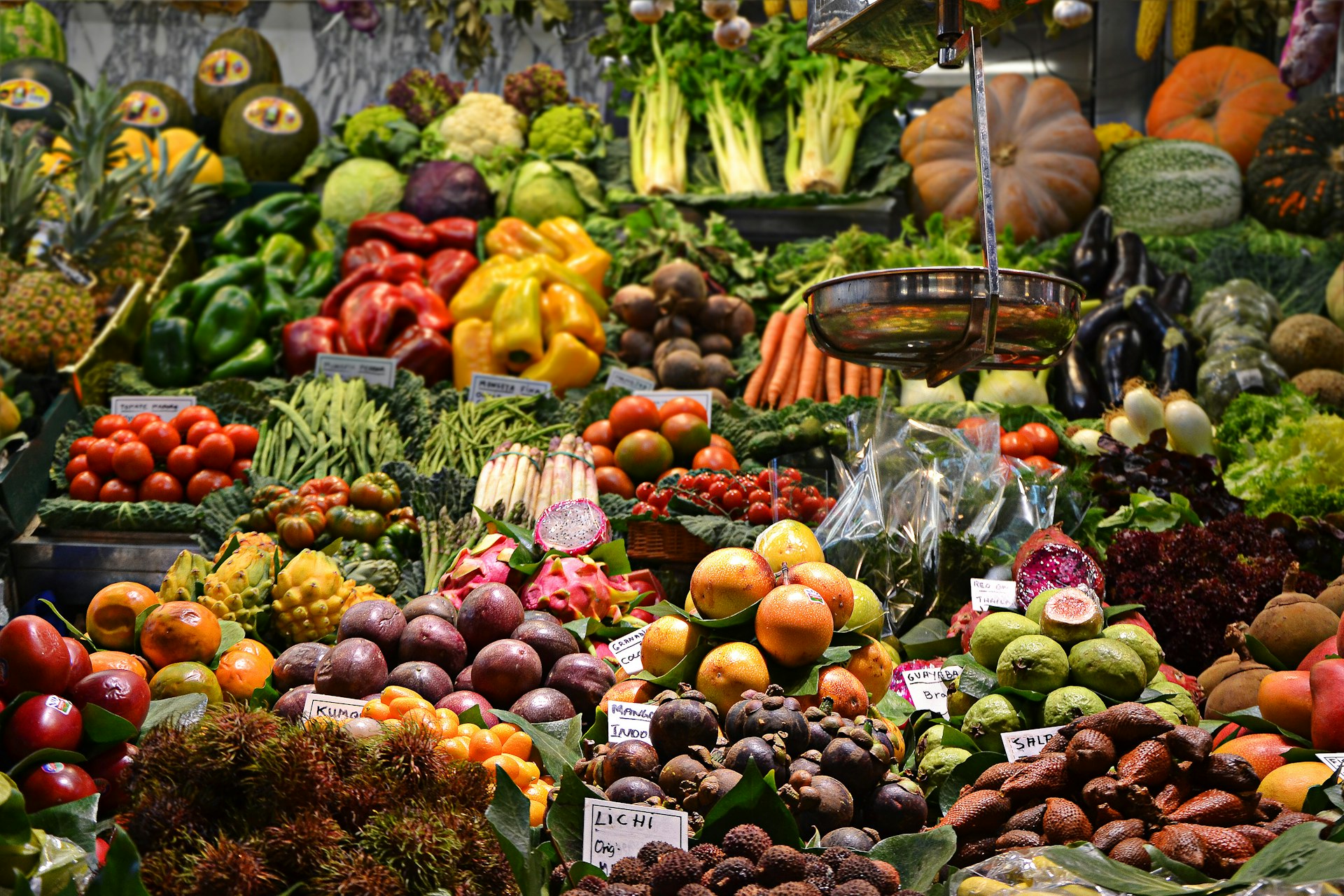
  • 🛍️ Talamahu covered market – Free entry | Duration: 1h | Handicrafts, tapa, vanilla – a must in any weather
  • 🍽️ Waterfront restaurants (Vuna Road) – Duration: variable | Authentic Tongan gastronomy, local atmosphere

Practical tip: Talamahu market closes early (around 1 PM on Sundays). Prioritize morning visits. No reservation required for most sites.

Tip: Combine the cathedral, market, and museum in a half-day of cover for a complete cultural immersion without getting wet.
☀️ In good weather

Optimal outdoors

Under the sun of Nuku'alofa, the natural beauty of Tongatapu is fully expressed. The golden light of the Pacific enhances every site and makes outdoor outings absolutely unforgettable.

  • 🌊 Houma Blowholes (Mapu'a 'a Vaea) – Free entry | Duration: 1h | Best time: 10 AM - 2 PM during high seas
  • 🌴 'Oholei Beach – Paid access ~20 TOP | Duration: 2-3h | Turquoise waters ideal for snorkeling
  • 👑 Royal Palace (exteriors) – Free entry | Duration: 30 min | Photo at sunrise for perfect golden light
  • 🌿 Ha'amonga 'a Maui Archaeological Site (Trilithon) – Entry ~5 TOP | Duration: 1h30 | Tongan Neolithic monument, best visited in the cool morning
  • 🐠 Snorkeling excursion to the Ha'apai islands – ~50-80 TOP | Duration: full day | Book on windless days
  • 🌅 Vuna Road Waterfront – Free entry | Duration: 1h | Spectacular sunset over the Pacific

Best time: Golden hour at the end of the day on Vuna Road for exceptional photographs of the Pacific. Avoid outings between 11 AM and 2 PM in the hot season.

🌤️ Versatile in all weather

Flexible

Some Nuku'alofa sites can be enjoyed in all weather conditions, offering valuable flexibility for travelers with tight schedules.

  • 🛍️ Talamahu Market – Partial coverage, guaranteed atmosphere regardless of the weather
  • Vuna Road Waterfront – Walk and restaurants, ideal from sunshine to light rain
  • 🕌 Historic city center district – Mix of indoor and outdoor sites, adaptable on demand

Weather tip: In case of changing skies, start with the Blowholes (outdoor) in the morning, then retreat to the market and restaurants in case of a shower.

Typical itinerary: 8 AM Royal Palace (photo) → 9:30 AM Talamahu Market → 12 PM Lunch on Vuna Road → 2 PM National Museum → 5 PM Waterfront sunset.

💰 Free or economical

No cost

  • 👑 Exteriors of the Royal Palace – View of the King's official residence, free walk
  • Centenary Free Wesleyan Church – Free entry, Sunday morning service recommended (exceptional polyphonic singing)
  • 🌅 Vuna Road Waterfront – Free coastal walk, magical sunset
  • 🌿 Nuku'alofa public gardens – Relaxation and observation of local life, no cost

Free days: Sunday is very special in Tonga – most businesses close and the city shifts to religious rest, offering a unique atmosphere to experience.

Budget tips: Buy your food directly at the Talamahu market for local meals under 5 TOP.

Practical Guide

Visiting Nuku'alofa requires smart adaptation to the tropical weather. Between the dry and rainy seasons, the essentials to pack vary considerably. Walking remains the best way to explore the compact city center, and appropriate gear makes the difference between a comfortable stay and an exhausting experience in the equatorial heat.

👕 Seasonal packing

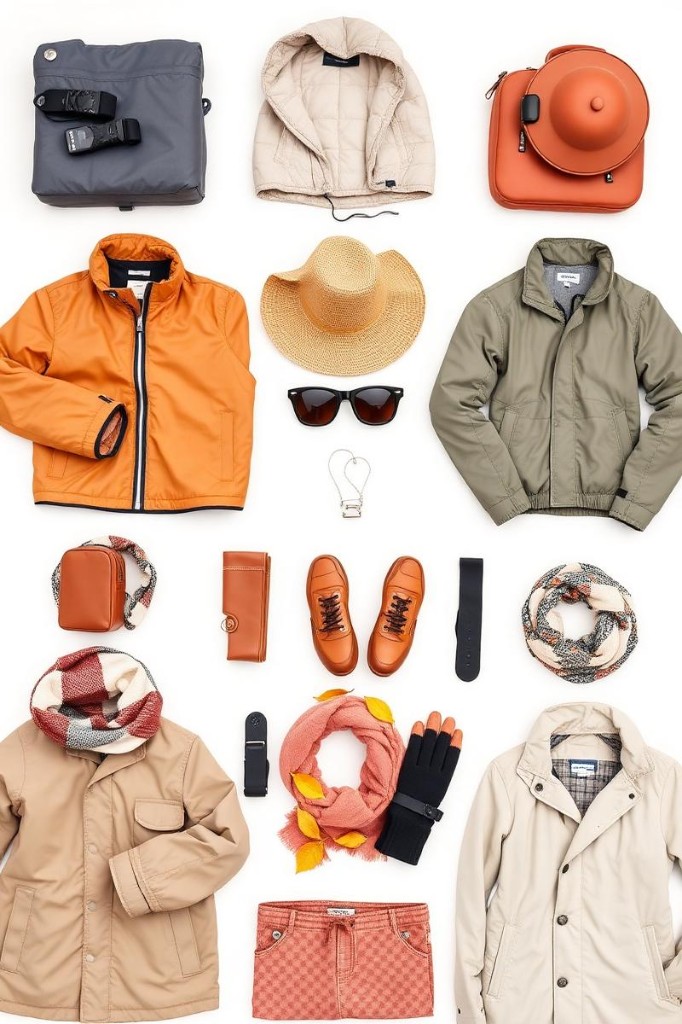
Cool season (May – October): • Light clothing but an extra layer for cool evenings (thin sweater) • Comfortable and breathable walking shoes • High-protection sunscreen (essential) • Wide-brimmed hat • Lightweight backpack for excursions

Hot and humid season (November – April): • Ultra-light clothing in breathable fibers • Compact rain poncho (frequent sudden rain) • Waterproof sandals or quick-drying shoes • Effective mosquito repellent (dengue risk) • Reusable water bottle (crucial hydration) • Compact umbrella kept in your bag at all times

Travel clothing and gear by season

💰 Seasonal budget

PeriodCity Center Accommodation (€/night)Transport (€/day)Restaurants (€/day)Attractions (€)Traffic
May – June60 – 100 €10 – 20 €20 – 35 €5 – 15 €★★★☆☆
July – August (high season)90 – 160 €15 – 25 €25 – 45 €10 – 30 €★★★★★
September – October70 – 110 €10 – 20 €20 – 35 €5 – 20 €★★★☆☆
November – December55 – 90 €10 – 15 €15 – 30 €5 – 15 €★★☆☆☆
January – April (low season)45 – 80 €10 – 15 €15 – 25 €5 – 10 €★★☆☆☆

💡 Money-saving tips

Shop at the Talamahu market rather than the supermarket to save 40 to 60% on daily food.

Choose local guesthouses (30-60 €/night) over international hotels: authentic hospitality and prices cut in half.

Rent a bike to explore the north coast of Tongatapu: about 10 TOP/day, economical and ecological.

Travel in the low season (January to June, excluding July) for 30 to 40% discounts on accommodation.

Whale excursions (July-October) are the main expense: book directly with local operators to avoid commissions.

🏥 Health and precautions

  • Dengue risk present year-round, increased in the humid season: mosquito repellent is essential after sunset
  • Increased hydration in the hot season (November-April): tropical heat is exhausting for the unaccustomed
  • High sun protection (SPF 50+): very intense UV radiation under tropical Pacific latitudes
  • Cyclone vigilance between January and March: consult official weather bulletins from the Tonga Meteorological Service
  • Main pharmacy in Nuku'alofa (Taufa'ahau Road): open weekdays, closed on Sundays

Urban events

Calendar of must-see events in Nuku'alofa

Events in Nuku'alofa reflect a vibrant and proud Polynesian culture. They transform the city and are reason enough to choose specific travel dates.

🌺 Heilala Festival (July)

The Heilala Festival is the highlight of the Tongan year, celebrating the birthday of King Tupou VI in July. For a full week, Nuku'alofa is adorned with heilala flowers (the national flower), traditional dances, and cultural competitions. The atmosphere is both solemn and festive, reflecting the deep soul of the Tongan people.

Location: Taufa'ahau Road and Royal Palace – Nuku'alofa city center

Highlights: Miss Heilala beauty pageant, royal parades, tapa cloth demonstrations, and traditional kava ceremonies

Impact: The city reaches its annual peak in attendance; accommodations are fully booked as early as March. High demand for flights from Auckland and Sydney.

Transport access: All events are within walking distance of the city center

Tip: Book your accommodation 6 to 8 months in advance for this highly popular week.

🇹🇴 Tonga National Day (November 4)

November 4 marks the anniversary of the Tongan Constitution (1875) and is the country's most important patriotic celebration. The streets of Nuku'alofa are decked in national red and white colors, military and civil parades enliven the city center, and Tongans proudly express their attachment to the constitutional monarchy. A unique day to observe the authentic cultural pride of this island nation.

Location: Taufa'ahau Road and Nuku'alofa central square

Highlights: Royal parade with participation from the Tongan Royal Family

Impact: Most businesses close; the atmosphere is reflective yet festive

Transport access: City center is entirely walkable

Tip: Book your accommodation at least 2 months in advance for this date.

🌾 Tonga Agricultural Fair (September)

The National Agricultural Fair is held every September and is a must-see event to understand the Tongan economy and rural culture. Local producers from across the archipelago converge on Nuku'alofa to showcase their harvests, livestock, and handicrafts. It is an exceptional window into Polynesian rural life, far from standard tourist circuits.

Location: Agricultural grounds on the outskirts of Nuku'alofa

Highlights: Tropical fruit tastings, livestock competitions, handicrafts, and traditional singing

Impact: Moderate influx but a very authentic local atmosphere

Transport access: Local taxi from the center (approx. 10-15 TOP one way)

Tip: Come early in the morning to enjoy maximum activity and cooler temperatures.

Seasonal events

Cool season (May – October): • Heilala Festival (July – King's birthday, parades, dances) • Humpback whale watching (July to October, excursions from the port) • National Agricultural Fair (September, outskirts of Nuku'alofa) • Emancipation Day – June 4 (National holiday)

Hot season (November – April): • Constitution National Day – November 4 (patriotic parades) • Christmas celebrations (December 25 – near-total closure, intense community life) • New Year's Eve (December 31 – festivities on the waterfront) • Warning: cyclone season January-March, check the weather before each outing

Responsible city trip

Visiting Nuku'alofa responsibly means protecting a fragile island ecosystem. Travelers' seasonal and behavioral choices have a direct impact on this capital, which is still preserved from mass tourism.

Nuku'alofa remains one of the least visited capitals in the Pacific, which gives it a particular fragility. Soft mobility (biking, walking) is naturally favored by the compactness of the city center. Supporting local businesses and artisans at the Talamahu market rather than imported souvenir shops is a simple but fundamental gesture. Plastic waste management is a major issue for this island archipelago: systematically refuse single-use plastics.

🌱 Low-season advantages

Traveling off-season (November to June) to Nuku'alofa reduces pressure on local infrastructure, guarantees a more authentic experience in contact with the inhabitants, and contributes to more balanced tourism throughout the year.

♻️ Sustainable travel tips

• Prioritize walking and biking to explore the compact city center: economical, ecological, and ideal for meeting people

• Buy your meals and souvenirs at the Talamahu market to directly support local producers

• Refuse single-use plastics – particularly crucial in an island environment where waste is very difficult to process

• Choose certified local operators for whale excursions, attentive to regulatory protection distances for cetaceans

• Respect local dress codes (modesty recommended) and religious practices (Sunday calm)

• Opt for local family guesthouses rather than international chains so that your money stays in the Tongan economy

🏙️ Local sustainable initiatives

Tonga is developing marine protection initiatives with several reserve zones around Tongatapu. Local associations work on reducing plastics on beaches and environmental education. The Tongan government has signed strong climate commitments, acknowledging the extreme vulnerability of the archipelago to rising sea levels.

Our recommendations

Recommendations for your city trip to Nuku'alofa

After a complete analysis of the climate and events in Nuku'alofa, the May-October period stands out as the ideal window to visit the Tongan capital. Weather conditions are optimal, the cyclone risk is zero, and cultural life is intense. July remains the flagship month thanks to the Heilala Festival and the start of the whale season, but competition for accommodation is high. For those seeking the perfect balance between favorable weather, reasonable prices, and authenticity, May-June and September-October offer a very compelling alternative.

Optimal period

Recommended months: July – August – September

  • Dry season with zero cyclone risk
  • Heilala Festival in July: unique cultural immersion
  • Humpback whale watching (July to September)
  • Maximum sunshine up to 8 hours/day in August-September
  • Ideal temperatures between 19°C / 66°F and 26°C / 79°F for comfortable sightseeing

Flagship events: Heilala Festival (July), Agricultural Fair (September)

Cons: High tourist season with more expensive accommodation that must be booked early; July = busiest time of the year.

Ideal profile: Families, marine wildlife lovers, Polynesian culture enthusiasts, first-time travelers

Recommended duration: 5 to 7 days

Interesting alternative

Alternative months: May – June and October

These periods offer a remarkable balance between pleasant weather, attractive prices, and reduced crowds. The dry season is already well established in May-June, with mild temperatures and rare rain. October still benefits from good weather while seeing fewer tourists.

Specific advantages: Accommodation 20 to 30% cheaper than in July-August; local markets without crowds; whale watching still possible in October; Emancipation Day (June 4) for an authentic national holiday.

For whom: Budget-conscious travelers, lovers of authenticity, people avoiding tourist crowds

👥 Tips for your travel style

Family: July-August for whales and the Heilala Festival. Stay in a family guesthouse on Vuna Road, explore the blowholes and Tongatapu beaches. Plan for at least 6-7 days.

Budget: May or October for the best rates. Local guesthouses (30-50 €/night), meals at the Talamahu market, bike for transportation. Budget possible from 60-80 €/day all-inclusive.

Culture: July for the Heilala Festival or November for National Day. Prioritize interactions at the market, attend a Tongan singing service on Sunday morning.

Romantic: August-September for sunsets on Vuna Road and whale watching excursions. Stay in a seaside resort with a view of the Pacific.

First trip: July remains the absolute safe bet: perfect weather, numerous activities, full tourist infrastructure. Book 6 months in advance.

Periods to avoid

Months not recommended: January – February – March

Reasons: Cyclone season at its peak with serious meteorological risks (tropical cyclones recorded in the archipelago). Extreme heat and humidity making walking exhausting. Very frequent precipitation disrupting water activities and excursions. Some air connections may be canceled in case of a cyclone alert.

Nuances: Experienced tropical travelers and lovers of intense nature may still find a particular beauty in the lush vegetation of this period. December remains acceptable despite increasing rain, thanks to the festive Christmas atmosphere.

Villes du même pays

All cities

Frequently Asked Questions

All the answers to essential questions to plan your trip to Nuku'alofa with peace of mind based on the climate, your budget, and your interests.

What is the best month to visit Nuku'alofa?

July is the ideal month to visit Nuku'alofa, provided you book early. It combines all the advantages: the dry season is well established with only 70 mm / 2.8 in of rain, pleasant temperatures between 19°C / 66°F and 25°C / 77°F, the Heilala Festival for a unique cultural immersion, and the start of the humpback whale watching season. If you want to avoid peak crowds while still enjoying excellent conditions, May-June or September are excellent alternatives with prices 20 to 30% more attractive.

How many days should I plan for Nuku'alofa?

Plan for at least 5 days to discover the essentials of Nuku'alofa and the island of Tongatapu. Two days are enough to explore the compact city center (market, royal palace, waterfront, museum), but you should plan additional days for excursions: Houma blowholes, Ha'amonga archaeological site, snorkeling, and, in season (July-October), the unforgettable whale watching trips. Travelers wanting a complete experience including the surrounding islands can easily extend their stay to 7 to 10 days.

What is there to do in Nuku'alofa when it rains?

Rain in Nuku'alofa is rarely synonymous with boredom! Talamahu covered market offers hours of exploration among crafts, spices, and conversations with local vendors. The Cathedral of the Immaculate Conception and the large Wesleyan churches are remarkable architectural and cultural refuges. The Tonga National Museum provides a fascinating dive into the archipelago's history. Also, enjoy a long lunch at a local restaurant on Vuna Road: Tongan cuisine is well worth the time.

Which events should not be missed in Nuku'alofa?

Three events are worth building your trip around. The Heilala Festival (July) is an absolute must: royal parades, traditional dances, and cultural competitions transform Nuku'alofa for a full week. National Day on November 4 offers a touching glimpse of Tongan monarchical pride. The Agricultural Fair in September reveals rural and authentic Tonga. Finally, do not miss a Sunday service of Tongan singing in a large church: a deeply moving musical and spiritual experience.

What budget should I expect depending on the season?

In high season (July-August), expect 130 to 230 € per day per person including mid-range hotel accommodation, meals, local transport, and an excursion. In shoulder season (May-June, September-October), a budget of 90 to 160 €/day is realistic. In low season (November to April), budget travelers can get by with 60 to 90 €/day by opting for local guesthouses and meals at the market. Whale watching excursions (50 to 80 € depending on the operator) represent the most significant but absolutely unforgettable expense.