When to visit Masada? Travel Guide

Explore the mythical fortress of Masada according to the seasons and enjoy optimal climatic conditions.

  • Hebrew, Arabic language
  • 15 days rainy days/year
  • October to April best time to visit
  • 1 to 2 days recommended stay

Climate and weather in Masada

Understanding the desert climate of Masada

Masada enjoys an arid desert climate characterized by scorching summers and mild winters. Located in the Judean Desert near the Dead Sea, this historic fortress experiences significant temperature variations between day and night.

The Masada site features a uniform desert climate with influences from the nearby Dead Sea, which slightly moderates temperature fluctuations.

MonthMin Temp (°C / °F)Max Temp (°C / °F)Precipitation (mm / in)Sunshine (h/day)Tourist TrafficRecommended Activities
January8°C / 46°F20°C / 68°F15mm / 0.6in7⭐⭐⭐Hiking, sunrise
February9°C / 48°F22°C / 72°F12mm / 0.5in8⭐⭐⭐Exploration, photography
March13°C / 55°F26°C / 79°F8mm / 0.3in9⭐⭐⭐⭐Full tour, trekking
April18°C / 64°F32°C / 90°F3mm / 0.1in10⭐⭐⭐⭐⭐Sunrise, hiking
May23°C / 73°F38°C / 100°F1mm / 0.04in11⭐⭐⭐⭐Morning visit only
June26°C / 79°F42°C / 108°F0mm / 0in12⭐⭐Sunrise exclusively
July28°C / 82°F44°C / 111°F0mm / 0in12Avoid visits
August28°C / 82°F43°C / 109°F0mm / 0in11Avoid visits
September25°C / 77°F39°C / 102°F1mm / 0.04in10⭐⭐Morning visit
October20°C / 68°F33°C / 91°F5mm / 0.2in9⭐⭐⭐⭐Hiking, exploration
November14°C / 57°F27°C / 81°F8mm / 0.3in8⭐⭐⭐⭐Full tour
December10°C / 50°F22°C / 72°F12mm / 0.5in7⭐⭐⭐Sunrise, trekking

The altitude of 400 meters / 1,312 feet above the Dead Sea level creates notable temperature variations, particularly noticeable during sunrises and sunsets.

Seasons in Masada

Visits according to conditions

Optimize your discovery of Masada by adapting your activities to climatic conditions to fully enjoy this exceptional historic site.

🌅 Sunrise (year-round)

Optimal morning experience

The sunrise from Masada remains the must-do experience regardless of the season, offering bearable temperatures even in summer.

Sites and activities:
🏔️ Fortress summit - 2h - Free - Optimal 5am-7am
🚡 Cable car - 15min - €28 - Opening 5:30am
🥾 Snake Path - 1h30 - Free - Departure 4:30am
📸 East viewpoint - 30min - Free - Sunrise 6am
🏛️ Herod's Palace - 1h - Included - After sunrise
🌡️ Roman baths - 30min - Included - Morning

Practical tip: Cable car booking recommended in high season, arrive 1 hour before sunrise

Extra tip: Bring a headlamp and warm clothing, descent possible on foot via panoramic path
❄️ Cool conditions (October-April)

Complete exploration possible

Moderate temperatures allow for an in-depth visit of the entire archaeological site without major time constraints.

Sites and activities:
🏛️ Palatial complex - 2h - Included - All day
🛡️ Casemates and fortifications - 1h30 - Included - Afternoon possible
⛪ Ancient synagogue - 45min - Included - Morning ideal
🏺 Warehouses and cisterns - 1h - Included - Midday
🎭 Visitor center - 1h - Included - Start or end
🥾 Full rampart tour - 2h30 - Included - Full day

Best time of day: 8am-4pm optimal, golden light 4pm-5pm for photos

Seasonal tip: November-March ideal, avoid December-January for occasional rain

🔥 Extreme heat (May-September)

Exclusive morning visit

Extreme heat requires a visit limited to the early hours with a mandatory return before 9am.

Priority sites:
🌅 Sunrise - 1h - Free - 5am-6:30am
🏛️ North Palace - 45min - Included - 6:30am-7:30am
📸 Viewpoints - 30min - Free - 7am-8am

Weather tip: Real-time temperature monitoring, abandon visit if >35°C / 95°F at 8am

Example itinerary: 5am cable car departure, sunrise, express palace tour, 8:30am maximum descent

💧 Hydration and safety

Essential precautions

Sites with water points:
🏢 Visitor center - Fountains and shop
🚡 Cable car station - Vending machines
⛑️ First aid station - Medical assistance

Essential equipment: 2L / 68oz water minimum, hat, SPF50 sunscreen, covering clothing

Safety tips: Travel with a companion, inform others of your route, respect summer closures

Practical Guide

Prepare your visit to Masada effectively by considering the specific climatic constraints of the Judean Desert and the unique features of this historic site.

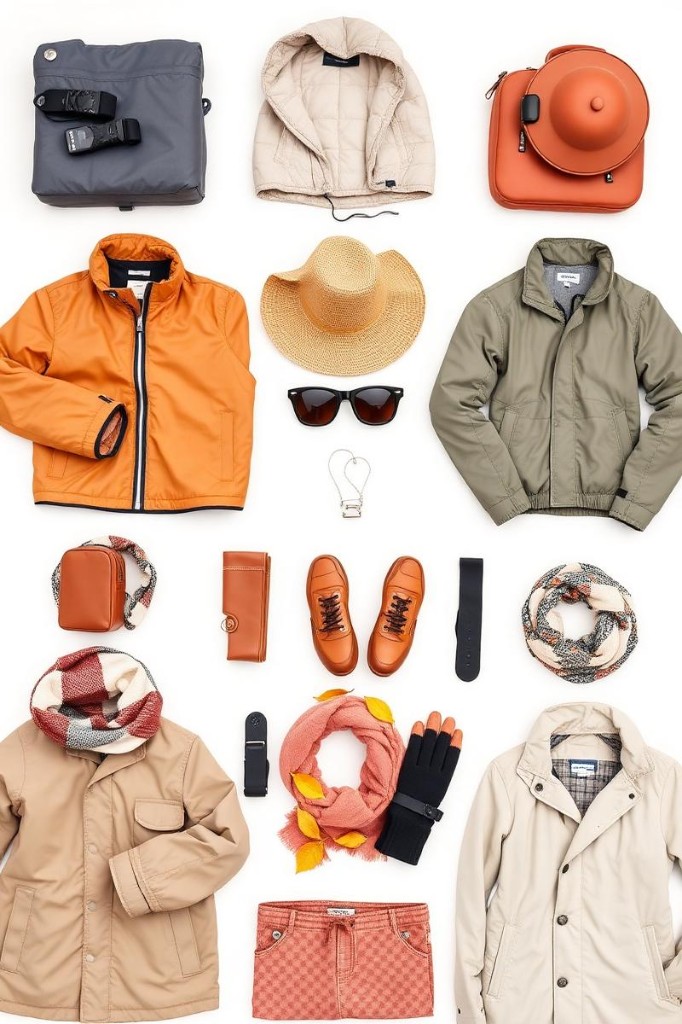
👕 Seasonal packing

Winter (Dec-Feb): • Non-slip hiking boots • Warm jacket for mornings • Layered clothing • Light windbreaker

Spring (Mar-May): • Closed breathable shoes • Long UV-protective clothing • Wide-brimmed hat • Sunglasses

Summer (Jun-Aug): • Closed shoes mandatory • Light-colored covering clothing • Maximum protection • Avoid synthetics

Autumn (Sep-Nov): • Walking shoes • Light covering clothing • Sun protection • Warm morning layer
Travel clothing and gear by season

💰 Seasonal budget

PeriodDead Sea Accommodation (€/night)Transport (€/day)Dining (€/day)Masada Entrance (€)Crowds
Winter80-15025-4030-5014⭐⭐⭐
Spring120-20030-4535-6014⭐⭐⭐⭐⭐
Summer60-12020-3525-4514
Autumn100-18025-4030-5514⭐⭐⭐⭐

💡 Money-saving tips

• Book Dead Sea accommodation 3 months in advance for preferential rates • Opt for breakfast included before excursions • Buy water and snacks in Ein Bokek rather than on-site • Combine with Ein Gedi National Park for a group pass • Budget for the cable car if heat or physical condition is limited

🏥 Health and precautions

Intensive hydration: 3L / 100oz minimum per person in summer • Maximum UV protection all year round • Watch for heatstroke from 30°C / 86°F • Increased supervision for children and seniors • First aid kit recommended • Travel insurance covering desert activities

Special Events

Calendar of exceptional events in Masada

Masada hosts unique cultural events that transform the visitor experience and enrich the discovery of this iconic historic site.

🎭 Masada Sound and Light Show (March-October)

An exceptional night show retracing the dramatic history of the fortress with projections on ancient ruins. Magical atmosphere under the desert stars with narration in multiple languages.

Location: Natural amphitheater on the west side of Masada

Special feature: The only sound and light show at a UNESCO site in Israel

Climate impact: Schedule adapted to temperatures, suspended in July-August, booking mandatory

Transport access: Special shuttles from Dead Sea tourist centers

Advance planning: Booking 2 weeks in advance, warm clothing required even in summer

🕯️ Bar/Bat Mitzvah Ceremony (Year-round)

Traditional religious ceremonies organized at sunrise on this symbolic site. A moment of intense emotion for Jewish families from around the world in this place steeped in history.

Location: Restored ancient synagogue of Masada

Special feature: Oldest active synagogue in the world

Climate impact: Times adapted by season, morning ceremonies preferred in summer

Transport access: Private cable car or guided night climb

Advance planning: Respect ongoing ceremonies, silence requested

🏃 Judean Desert Marathon (February)

International race crossing the desert with a spectacular finish at the foot of Masada. Exceptional sporting challenge attracting runners from around the world in a preserved natural setting.

Location: Desert course with views of the Dead Sea

Special feature: Only marathon in a UNESCO archaeological site

Climate impact: Period chosen for optimal temperatures, high demand for accommodation

Transport access: Traffic restrictions, organized shuttles

Advance planning: Book accommodation 6 months in advance, check alternative visit dates

Seasonal events

Winter: • Archaeological festivals (January-February) • Historical conferences (December) • Specialized guided tours (January-March)

Spring: • Passover celebrations (March-April) • Heritage days (May) • Classical music festivals (April)

Summer: • Night shows (June-September) • Astronomical observations (July-August) • Educational programs (June-August)

Autumn: • Traditional Jewish holidays (September-October) • Archaeology open days (November) • Harvest celebrations (October)

Responsible Tourism

Visit Masada in an eco-responsible way by respecting this fragile World Heritage site and minimizing your environmental impact on the unique desert ecosystem.

Sustainable tourism in Masada involves strict adherence to marked trails, preservation of archaeological remains, responsible waste management in this fragile desert environment, and support for local conservation initiatives.

🌱 Low-season advantages

Visiting Masada in the winter low season reduces tourist pressure on infrastructure, allows for a more authentic experience, and lowers environmental impact while supporting the local economy.

♻️ Sustainable travel tips

• Use public transport from the Dead Sea rather than individual vehicles • Respect marked trails to preserve desert vegetation • Carry out all waste, no trash cans on-site • Prefer reusable water bottles over plastic ones • Avoid picking rare desert plants • Support certified local guides

🏙️ Local sustainable initiatives

The National Parks Authority develops conservation programs including ecological restoration, sustainable management of tourist flows, environmental awareness, and protection of endemic desert wildlife like the Nubian ibex.

Our recommendations

Recommendations for your trip to Masada

After analyzing climatic conditions, tourist traffic, and site specifics, here are our personalized tips to optimize your discovery of this exceptional historic fortress. Recommendations take into account desert constraints, significant temperature variations, and the site's archaeological richness.

🌟 Optimal period: March-April and October-November

Advantages:
• Ideal temperatures of 15-30°C / 59-86°F for complete exploration
• Perfect conditions for hiking and photography
• Spectacular sunrises without time constraints
• Ability to visit the entire archaeological site
• Excellent visibility of the Dead Sea and Jordanian mountains

Key events: Cultural festivals, traditional ceremonies, sound and light shows

Disadvantages: High tourist traffic, increased accommodation prices

Ideal profile: All types of travelers, families, hikers, history buffs

Stay duration: 1-2 days recommended

🌤️ Interesting alternative: December-February

Description: Winter period offering an excellent compromise with favorable climatic conditions and more moderate attendance.

Specific advantages: Fewer tourists, attractive accommodation rates, peaceful atmosphere, possibility of in-depth visits

For whom: Travelers seeking authenticity, budget-conscious travelers, tranquility seekers

👥 Tips for your travel style

Family: Prefer October-April, cable car recommended, plan 2L / 68oz water/child, morning activities

Budget: December-February optimal, Ein Gedi camping, public transport, avoid high season

Culture: March-May ideal, specialized guides, sound and light shows, interpretation centers

Adventure: November-March, Snake Path, sunrise, desert hikes, combined Ein Gedi

First trip: April or November, secure cable car, guided tour, nearby Dead Sea accommodation

⚠️ Periods to avoid: June-August

Reasons: Extreme dangerous heat of 40-45°C / 104-113°F, visits limited to early morning hours, high health risks, possible partial closures

Nuances: Possible for experienced desert travelers with early morning departure exclusively

Villes du même pays

All cities

Frequently Asked Questions

Answers to essential questions to plan your visit to Masada according to climatic conditions and site specifics.

What is the best month to visit Masada?

April and November offer optimal conditions with pleasant temperatures of 18-28°C / 64-82°F, perfect sunshine, and moderate crowds. March and October are excellent alternatives. Winter (December-February) is also perfect with cool mornings but mild days. Avoid June-August when extreme heat makes visiting dangerous.

How many days should I plan for Masada?

1 to 2 days are enough to discover Masada at your own pace. One day allows for an essential visit including sunrise and exploration of the main ruins. Two days offer an in-depth approach including hiking in the region, Ein Gedi National Park, and Dead Sea relaxation. Archaeology enthusiasts may plan 3 days for specialized tours and interpretation centers.

What to do in Masada during extreme heat?

During extreme heat, limit yourself to sunrise (5am-8am maximum) via cable car. Visit the air-conditioned visitor center, archaeological exhibits, and plan alternative activities: Dead Sea floating, hotel spas, or Ein Gedi in the very early morning. Postpone the visit if temperatures exceed 38°C / 100°F by 8am. Constant hydration and maximum protection are essential.

Which events should not be missed at Masada?

The sound and light show (March-October) is the flagship event with projections on the ruins. Bar/Bat Mitzvah ceremonies at sunrise offer a moving experience. The Judean Desert Marathon (February) attracts a unique international atmosphere. Spring cultural festivals and Jewish holiday celebrations enrich the site's historical dimension.

What budget should I plan according to the season?

High season (March-May, October-November): €150-250/day including Dead Sea accommodation, meals, and activities. Low season (December-February): €100-180/day with reduced rates. Summer (not recommended): €80-150/day but limited visits. Plan for €14 Masada entrance, €28 optional cable car, €25-45 daily transport. Savings possible with Ein Gedi camping and public transport.