When to visit the Middle East? Complete Guide

From the Arabian desert to the Mediterranean coasts, the Middle East reveals a fascinating climatic diversity that requires meticulous planning to fully enjoy.

Climate of the Middle East

Understanding the climatic diversity of the Middle East

Located between 12° and 42° North latitude, the Middle East is characterized by an arid and semi-arid dominance, modulated by influences from the Mediterranean Sea to the west, the Persian Gulf to the southeast, and the Iranian and Anatolian massifs to the north. These reliefs create striking thermal contrasts between temperate coastal valleys and continental plateaus subject to harsh winters. Planning your trip is therefore essential to avoid extremes.

  • Desert climate (BWh): Arabian Peninsula, heart of Jordan and the Sinai. Scorching summers (45°C / 113°F or more), mild and dry winters, precipitation below 100 mm/year (3.9 in/year), near-constant sunshine all year round.
  • Mediterranean climate (Csa): Coasts of Lebanon, Israel, Western Syria, and Southwestern Turkey. Hot and dry summers, mild and rainy winters, moderate temperature range, vegetation contrasted with the hinterland.
  • Semi-arid climate (BSh/BSk): Jordanian plateaus, Central Iran, Northern Saudi Arabia. Precipitation of 200 to 400 mm/year (7.9 to 15.7 in/year), long dry season, cold nights in winter, frequent sandstorms in spring.
  • Mountain climate (H): Zagros Mountains in Iran, Taurus chain in Turkey, Mount Lebanon range. Abundant snow in winter, cool and pleasant summers, high daily temperature range, precipitation potentially exceeding 1,000 mm/year (39.4 in/year).
  • Humid subtropical climate (Cfa): Caspian Sea coasts (Northern Iran), coastal regions of Southern Turkey and Yemen. Significant heat and humidity, rains distributed throughout the year or concentrated in summer depending on the coast.
MonthTemp. min/max (°C / °F)Precipitation (mm / in)Sunshine (h/day)Travel Recommendation
January8 / 20 °C (46 / 68 °F)25 mm (1 in)6 h/dayExcellent for the Levant and Jordan; avoid snow-covered peaks
February9 / 22 °C (48 / 72 °F)20 mm (0.8 in)7 h/dayVery good for Israel, Jordan, Emirates; early spring blooms
March13 / 26 °C (55 / 79 °F)12 mm (0.5 in)8 h/dayIdeal everywhere except Gulf deserts at the start of heat; sublime spring
April17 / 31 °C (63 / 88 °F)6 mm (0.2 in)9 h/dayVery good for the Arabian Peninsula before the heatwave; lush Lebanon
May22 / 36 °C (72 / 97 °F)2 mm (0.1 in)11 h/dayArabian Peninsula still bearable; prefer the Iranian high plateaus
June26 / 41 °C (79 / 106 °F)0 mm (0 in)12 h/dayHigh heat in the Gulf and Iraq; Mediterranean coasts and mountains recommended
July28 / 43 °C (82 / 109 °F)0 mm (0 in)12 h/dayAvoid the Gulf and Mesopotamia; coastal Turkey and mountain resorts ideal
August28 / 43 °C (82 / 109 °F)0 mm (0 in)12 h/daySame recommendation as July; tourist peaks on the Turkish coasts
September24 / 38 °C (75 / 100 °F)1 mm (0.04 in)10 h/dayTransition: Gulf still very hot, Levant more pleasant from late September
October18 / 32 °C (64 / 90 °F)8 mm (0.3 in)9 h/dayExcellent everywhere; Arabian Peninsula returns to bearable temperatures
November13 / 26 °C (55 / 79 °F)18 mm (0.7 in)7 h/dayVery good for Emirates, Oman, Jordan; winter rains begin in Lebanon
December9 / 21 °C (48 / 70 °F)26 mm (1 in)6 h/dayPerfect for Dubai, Abu Dhabi, Petra; Lebanon and mountains under snow

Seasons in the Middle East

Major Climatic Regions

The Middle East is divided into four major geographical entities with distinct climatic characteristics: the arid Arabian Peninsula, the Mediterranean Levant, Mesopotamia and the Iranian plateau, and Turkey and Cyprus at the crossroads of Europe and Asia.

🏜️ Arabian Peninsula

Main countries: Saudi Arabia, United Arab Emirates, Qatar, Kuwait, Bahrain, Oman, Yemen

Typical climate: Hot desert (BWh) dominant, humid subtropical on the coast of Oman

The Arabian Peninsula concentrates the most extreme conditions of the Middle East. Summer temperatures hover near or exceed 45°C / 113°F inland, with oppressive humidity on the Gulf coasts. Dubai, Abu Dhabi, and Doha rely on their air-conditioned infrastructure to attract tourists in summer, but winter remains the prime period. Oman distinguishes itself with Salalah, the "monsoon city," green from June to September thanks to Indian Ocean rainfall.

  • Best period: November to March
  • Period to avoid: June to September — extreme heat, coastal humidity, limited outdoor activities
  • Annual temperatures: 15 / 25°C (59 / 77°F) (winter) — 32 / 48°C (90 / 118°F) (summer)
  • Precipitation: Almost zero (less than 100 mm/year / 3.9 in/year) except Salalah (700 mm / 27.6 in in monsoon season)
  • Key destinations: Dubai, Abu Dhabi, Muscat, Riyadh, Salalah
  • Recommended duration: 7 to 14 days

🌿 Mediterranean Levant

Main countries: Israel, Palestine, Lebanon, Jordan, Syria, Western Iraq

Typical climate: Mediterranean (Csa) on the coasts, semi-arid (BSh) inland

The Levant offers remarkable diversity over short distances: the Israeli coast enjoys hot and dry summers, Beirut mixes Mediterranean sun and winter rains, and Jordan unfolds its landscapes from the fertile green north to the red deserts of Wadi Rum. Petra is accessible all year round, but winter can be cold and rainy. The Dead Sea offers a particularly healthy microclimate in all seasons.

  • Best period: March to May and October to November
  • Period to avoid: July-August (heat and coastal humidity), January-February (rains in Lebanon, cold nights in Petra)
  • Annual temperatures: 8 / 18°C (46 / 64°F) (coastal winter) — 25 / 38°C (77 / 100°F) (summer)
  • Precipitation: 400 to 900 mm/year (15.7 to 35.4 in/year) on the coasts, less than 200 mm / 7.9 in inland
  • Key destinations: Tel Aviv, Jerusalem, Beirut, Petra, Amman
  • Recommended duration: 10 to 21 days

🏔️ Iran and Mesopotamia

Main countries: Iran, Iraq

Typical climate: Desert (BWh/BWk), semi-arid (BSk), mountain (H) on the Zagros

Iran presents one of the most spectacular climatic diversities in the world: from humid subtropical forests on the Caspian Sea to salt deserts (Dasht-e Kavir), and snow-capped peaks of the Zagros. Isfahan, Shiraz, and Tehran shine in spring and autumn. Iraq, subject to extremely hot and dusty summers, primarily attracts pilgrims to Najaf and Karbala outside the scorching months.

  • Best period: April to June and September to November
  • Period to avoid: July-August (heatwave exceeding 45°C / 113°F in the Iraqi plain, sandstorms)
  • Annual temperatures: −5 / 12°C (23 / 54°F) (winter at altitude) — 28 / 45°C (82 / 113°F) (summer in the plain)
  • Precipitation: Less than 50 mm/year (2 in/year) in deserts, more than 1,200 mm/year (47.2 in/year) on the Caspian
  • Key destinations: Tehran, Isfahan, Shiraz, Persepolis, Yazd
  • Recommended duration: 10 to 18 days

🌊 Turkey and Cyprus

Main countries: Turkey, Cyprus

Typical climate: Mediterranean (Csa) on the coasts, continental (Dfb/Dsa) on the Anatolian plateau

Turkey is a true climatic concentrate: Istanbul experiences cold and rainy winters, the Aegean and Turquoise coasts benefit from an idyllic Mediterranean climate, and the Anatolian plateau sinks into harsh winters suitable for skiing in Uludağ or Erciyes. Cyprus, the third largest Mediterranean island, enjoys a dry and sunny climate with more than 300 days of sun per year. Cappadocia and Istanbul are best enjoyed in spring and autumn.

  • Best period: April to June and September to October
  • Period to avoid: July-August (overtourism on the coasts, dry inland heat), January-February (frost and snow on the plateau)
  • Annual temperatures: 2 / 10°C (36 / 50°F) (Istanbul winter) — 25 / 38°C (77 / 100°F) (Aegean summer)
  • Precipitation: 600 to 1,200 mm/year (23.6 to 47.2 in/year) on the Black Sea, less than 400 mm / 15.7 in on the southern coasts
  • Key destinations: Istanbul, Cappadocia, Antalya, Bodrum, Nicosia
  • Recommended duration: 7 to 15 days

Practical Guide

Traveling to the Middle East requires preparation adapted to the climatic extremes of the region. Depending on your destination and chosen season, you will transition from the cool nights of the Jordanian desert to the 45°C / 113°F of Dubai in summer, or from Lebanese ski resorts to the turquoise beaches of Oman. Clothing flexibility, sun protection, and constant hydration are your essential allies, regardless of the planned itinerary.

👕 Seasonal packing

Winter (December – February):

  • Light clothing for the day in the Gulf (25°C / 77°F)
  • Sweater or fleece jacket for cool evenings in the desert
  • Warm coat and raincoat for Lebanon, Istanbul, Iran
  • Scarf and beanie for mountain areas
  • Comfortable walking shoes for site visits

Spring (March – May):

  • Light outfits in breathable cotton
  • Light cover for cool evenings at altitude
  • Wide-brimmed hat and sunglasses
  • Protection against sand (light scarf)
  • Sunscreen SPF 50+ mandatory

Summer (June – September):

  • Ultra-light and loose clothing in light colors
  • Maximum sun protection (hat, glasses, SPF 50+ cream)
  • Large capacity reusable water bottle (1.5 L / 50 oz minimum)
  • Light jacket for heavily air-conditioned interiors
  • Outfits respectful of local dress codes (especially for women)

Autumn (October – November):

  • Light layering (tank top + shirt + jacket)
  • Clothing adapted to rain in Lebanon and Israel
  • Light waterproof shoes
  • Adapt your outfits to the cultural requirements of each country
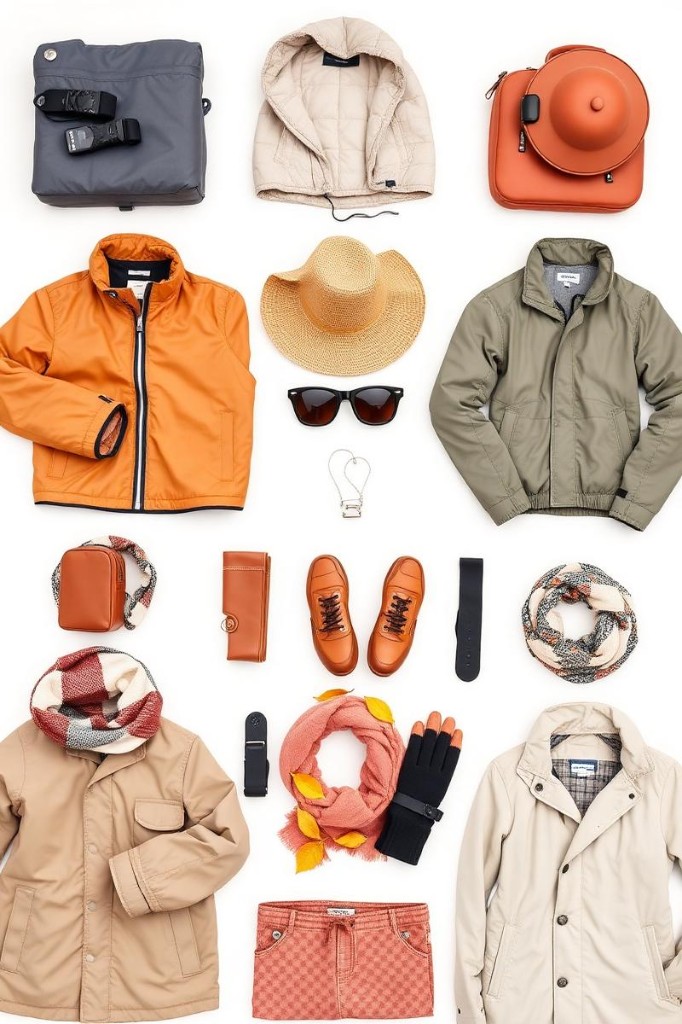
Travel clothing and gear by season

💰 Seasonal budget

PeriodAccommodation (€/night)Transport (€/day)Activities (€/day)Crowds (/5)Economy Tips
Winter Gulf (Dec–Feb)80 – 400 €20 – 60 €30 – 80 €⭐⭐⭐⭐⭐Book 3 months in advance, compare hotels outside the marina
Summer Gulf (Jun–Sep)30 – 150 €15 – 40 €20 – 50 €⭐⭐Hotel rates divided by 2 to 4, indoor visits prioritized
Spring Levant (Mar–May)40 – 150 €15 – 35 €20 – 50 €⭐⭐⭐Excellent youth hostels in Jordan and Israel
Autumn Turkey (Sep–Oct)50 – 200 €10 – 30 €25 – 60 €⭐⭐⭐⭐End of beach season: prices down, weather still superb
Spring Iran (Apr–May)25 – 80 €8 – 20 €10 – 30 €⭐⭐Very affordable destination, economical internal transport
Winter Lebanon/Jordan (Dec–Jan)35 – 120 €12 – 25 €15 – 40 €⭐⭐⭐Relative low season, visits without crowds, good hotel deals

💡 Money-saving tips

  • Prioritize summer in the Gulf: 5-star hotels in Dubai and Abu Dhabi offer discounts of 40 to 60% between June and September, with air-conditioned pools and indoor infrastructure.
  • Travel in spring or autumn in Jordan and Israel to benefit from intermediate rates and moderate attendance at sites like Petra or Jerusalem.
  • Iran remains the most economical destination in the Middle East, with very accessible accommodation and transport, especially outside the Noruz holidays (Persian New Year, March).
  • Systematically compare charter flight prices to coastal Turkey between May and June, before the summer peak that drives up rates.
  • Opt for local hostels and guesthouses in Jordan, Oman, and Iran to reduce costs while supporting the local economy.

🏥 Health and precautions

  • Recommended vaccinations: Hepatitis A and B for the whole region, typhoid fever for rural areas of Iran and Iraq, meningitis for pilgrimages to Mecca (Saudi Arabia).
  • Hydration: Drink at least 2 to 3 liters (67 to 100 oz) of water per day in summer, more during physical activity — dehydration is a real risk in Gulf countries and deserts.
  • Sun protection: SPF 50+ mandatory, reapply every 2 hours, cover head and shoulders during daytime site visits.
  • Vector-borne diseases: Risk of leishmaniasis in some rural areas of the Middle East; use mosquito repellents in the evening.
  • Altitude: In Iran (Tehran, Damavand) and Eastern Turkey, plan for gradual acclimatization to avoid altitude sickness.
  • Travel insurance: Essential, covering medical repatriation, emergency care, and cancellation — medical care can be very expensive in Gulf countries without coverage.

Sustainable Tourism in the Middle East

Traveling to the Middle East implies a particular responsibility towards often fragile ecosystems: deserts threatened by over-visitation, Red Sea and Gulf of Oman coral reefs under pressure, and water resources depleted by climate change. The carbon footprint of intercontinental flights to the region is also an issue not to be neglected.

The Middle East is home to unique and vulnerable ecosystems: the mangroves of Oman and the Emirates, the Red Sea reefs in Jordan and Saudi Arabia, and the ancient oases of Iran deserve respectful tourism. Marine fauna breeding periods (green turtles on Omani beaches from May to August, whales in the Gulf of Oman) should guide your choice of dates and water activities.

🌱 Low-season advantages

Traveling outside the high season in the Middle East helps reduce tourist pressure on fragile sites like Petra or Wadi Rum, support the local economy more evenly throughout the year, and decrease your overall carbon footprint by avoiding peak attendance periods that saturate infrastructure.

♻️ Sustainable travel tips

  • Water management: In Gulf countries and Jordan, water is a scarce resource — avoid waste at the hotel, prefer establishments with a responsible water management policy.
  • Land transport: Prioritize long-distance buses or the train between Istanbul and Ankara rather than internal flights; in Jordan, shared taxis (servees) reduce individual footprints.
  • Waste in nature: Always carry your trash out of the desert areas of Wadi Rum or the Arabian Sahara — these environments degrade very slowly.
  • Respect biodiversity: Do not disturb turtles on Omani beaches and avoid snorkeling activities that anchor on Red Sea corals.
  • Local accommodation: Choose Bedouin eco-lodges in Jordan or traditional Iranian guesthouses (khaneh) rather than large international chains.
  • Carbon offsetting: For a Paris-Dubai flight (approximately 5.5 tons of CO₂ round trip), offset via Gold Standard certified projects in the region.

🏙️ Local sustainable initiatives

In Jordan, the Royal Society for the Conservation of Nature program protects the Wadi Mujib and Dana reserves, accessible for ecotourism. Oman is actively developing its marine reserves and turtle protection projects in Ras al-Jinz. The United Arab Emirates has launched the UAE Net Zero 2050 program, including ecotourism initiatives in the Abu Dhabi mangroves and the Sir Bani Yas Island reserve.

Our Recommendations

Expert recommendations for your trip to the Middle East

After analyzing official climatic data for the region — notably from Météo-France, NCEP/NOAA, and the Gulf Meteorology Center — our main recommendation directs travelers to the months of October to April for the majority of Middle Eastern destinations. This window offers the most favorable weather conditions in the Gulf, Jordan, and Lebanon, while allowing you to enjoy open-air archaeological sites without the constraint of extreme heat. For Iran and Turkey, spring (April-June) constitutes the most balanced window, combining mild temperatures, green vegetation, and moderate attendance.

Optimal Period

  • Recommended months: November, December, January, February, March
  • Favorable regions: Arabian Peninsula (Gulf, Oman), Jordan, Israel, Lebanon (excluding mountains), southern coastal Turkey
  • Advantages:
    • Perfect temperatures in the Gulf (20 to 27°C / 68 to 81°F)
    • Comfortable archaeological site visits (Petra, Palmyra, Persepolis)
    • Generous sunshine (6 to 9 h/day)
    • Pleasant sea on the coasts of Oman and southern Turkey
    • Lively nightlife in Dubai and Beirut
  • Disadvantages:
    • High season in the Gulf — high rates and heavy crowds
    • Possible rains in Lebanon and Jordan (especially January-February)
  • Ideal profile: Families, couples, cultural travelers, luxury enthusiasts, first-time visitors to the Middle East

Balanced Alternative

  • Alternative months: April, May, October
  • Alternative regions: Iran (Isfahan, Shiraz), Turkey (Istanbul, Cappadocia), Northern Jordan, coastal Lebanon
  • Justification: These transition months offer an excellent quality-weather-price ratio. April-May marks spring with flowering landscapes and temperatures still bearable in the Gulf, while October sees the heat gradually dissipate while maintaining quality sunshine. Rates remain intermediate and crowds lighten at most sites.
  • Specific advantages:
    • Lower prices than in the winter high season in the Gulf
    • Spectacular blooms in Iran in April (Shiraz, Kashan gardens)
    • Cappadocia in balloons without the summer queues
    • Archaeological sites accessible without crowds or heat

👥 Tips for your travel style

Family: Prioritize the United Arab Emirates and Oman between November and February — excellent tourist infrastructure, high security, safe beaches, amusement parks, and varied activities. Avoid the Gulf in summer with young children due to dangerous heat.

Budget: Iran in spring (April-May) and Turkey in the low season (October-November) offer the best value for money in the Middle East. Jordan in January-February remains affordable with good hotels at reduced rates.

Adventure: The Sultanate of Oman (Wahiba Sands desert, Musandam fjords) in October-November, the Wadi Rum desert in Jordan in spring, or the ascent of Damavand in Iran (5,610 m / 18,405 ft) in July for experienced mountaineers.

Luxury: Dubai and Abu Dhabi in January-February offer ultra-luxurious hotels under ideal climatic conditions. Oman (Muscat, Jebel Akhdar) in November-March offers discreet luxury in an exceptional natural setting.

Photographer: Wadi Rum in Jordan in March-April (golden light, desert flowers), Cappadocia in Turkey in April and October (morning mist, balloons), and Isfahan in Iran in spring (raking light on Safavid mosques and gardens).

Countries to explore

Explorez les destinations de ce continent

All countries

Frequently Asked Questions

Are you planning your trip to the Middle East and wondering about the best times to visit, budgets to expect, and essential climate precautions? Find answers to your most frequently asked questions here.

What is the best time to visit the Middle East?

The overall best period is between November and March for the Gulf countries (Emirates, Oman, Qatar, Saudi Arabia), thanks to mild temperatures and generous sunshine. For Jordan, Israel, and Lebanon, the months of March to May and October to November offer the most pleasant conditions. Iran and Turkey shine in spring (April-June) and autumn (September-October). In short, there is no universal ideal season: it all depends on your priority destination within this vast region.

How many countries can you visit in 3 weeks in the Middle East?

In three weeks, it is reasonable to visit two to three countries in the Middle East without rushing. A classic itinerary combines Jordan (Amman, Petra, Wadi Rum – 8 days), Israel (Jerusalem, Tel Aviv, Dead Sea – 7 days), and the United Arab Emirates (Dubai, Abu Dhabi – 5 days). Alternatively, Turkey alone (Istanbul, Cappadocia, Turquoise Coast) is well worth three weeks. Aerial distances between capitals are short, but plan for visas in advance, as some countries involve entry constraints depending on your nationality.

Which regions should be avoided according to the season?

From June to September, absolutely avoid the plains of Iraq (Baghdad regularly exceeds 50°C / 122°F) and the coasts of the Persian Gulf if you are sensitive to heat and humidity. In January-February, Lebanon and the mountainous massifs of Iran and Eastern Turkey are snow-covered and difficult to access without proper equipment. In Yemen, the security situation takes precedence over any climatic consideration — many governments formally advise against this travel. In Saudi Arabia, the Hajj period (variable dates) causes significant crowds and restrictions in Mecca and Medina.

What budget should be planned for traveling in the Middle East?

Budgets vary considerably by country. The Emirates, Qatar, and Saudi Arabia are among the most expensive destinations in the region: expect 100 to 300 € per day per person in high season. Jordan and Israel fall into a medium range (60 to 150 €/day). Iran remains the most economical destination (20 to 60 €/day) thanks to a favorable exchange rate. Turkey offers excellent value for money (50 to 120 €/day). Always plan for an additional budget for site entrance fees and visas.

How to manage climatic differences between regions?

The key lies in layering your luggage: opt for lightweight, layerable clothing adapted to large temperature variations (hot days, cool nights in the desert, heavily air-conditioned interiors). Bring a light raincoat if your itinerary includes Lebanon, Israel, or Turkey in winter. Plan your itinerary from north to south in winter (start with Turkey then join the Gulf) to accompany the rise in temperatures. Consult regional forecasts on official sources like weather.gov and the national weather services of each country visited.