When to visit Lebanon? Complete 2026 Guide

Between the Mediterranean and snow-capped mountains, Lebanon reveals four contrasting seasons for unique experiences.

  • 6.8 million population
  • Arabic, French language
  • 65 days rainy days/year
  • April to June and September to November best time to visit
  • 7 to 12 days recommended stay

Weather and Climate in Lebanon

Understanding Lebanon's Mediterranean Mountain Climate

Lebanon benefits from three distinct climate zones influenced by the Mediterranean and the mountainous terrain. Altitude and coastal proximity create varied microclimates, offering different experiences depending on the region visited.

  • Mediterranean Coast: Mild and humid climate with hot summers and temperate winters
  • Mount Lebanon Range: Cool mountainous zone with winter snow and pleasant summers
  • Bekaa Valley: Dry continental climate with significant seasonal temperature variations
MonthCoastal Temp.Mountain Temp.PrecipitationConditions
January10-16°C / 50-61°F0-8°C / 32-46°F190mm / 7.5inRain, mountain snow
April16-23°C / 61-73°F8-18°C / 46-64°F45mm / 1.8inIdeal
July24-30°C / 75-86°F18-28°C / 64-82°F5mm / 0.2inDry and hot
October20-26°C / 68-79°F12-22°C / 54-72°F80mm / 3.1inPerfect

Altitude generates significant variations: 0°C / 32°F in the mountains versus 15°C / 59°F on the coast in winter.

The Four Lebanese Seasons

Climate by Region of Lebanon

The mountainous terrain of Lebanon creates varied microclimates on a small territory. Each region offers specific climatic conditions that directly influence your travel experience and choice of activities.

🏖️ Mediterranean Coast

The Lebanese coast benefits from a classic Mediterranean climate with hot, dry summers and mild but rainy winters. Beirut, Byblos, and Tyre enjoy moderate temperatures all year round thanks to maritime influence. The sea breeze mitigates summer heat, making evenings pleasant.

PeriodWeatherTemperatureActivities
SpringMild16-23°C / 61-73°FSightseeing, early beach
SummerHot dry24-30°C / 75-86°FBeach, nightlife
AutumnIdeal20-26°C / 68-79°FAll activities
WinterMild humid10-16°C / 50-61°FUrban culture
Specifics:
  • High humidity in summer
  • Morning fog possible
  • Warm sea from June to October

⛰️ Mount Lebanon Range

The Lebanese mountains offer a temperate mountain climate with cool summers and harsh winters. The Cedars, Faraya, and Ehden are summer refuges of coolness. The altitude generates significant snowfall, allowing for a ski season from December to April.

PeriodWeatherTemperatureActivities
SpringCool8-18°C / 46-64°FHiking, flowers
SummerPleasant18-28°C / 64-82°FTrekking, coolness
AutumnColorful12-22°C / 54-72°FHiking, photos
WinterSnowy0-8°C / 32-46°FSkiing, landscapes
Specifics:
  • Guaranteed snow above 1500m / 4921ft
  • Significant temperature variations
  • Frequent fog at altitude

🌾 Bekaa Valley

The Bekaa Valley has a dry continental climate with very hot summers and cold winters. This wine region benefits from exceptional sunshine and low rainfall. Baalbek and Ksara offer ideal conditions for viticulture and agriculture.

PeriodWeatherTemperature
SpringMild dry15-25°C / 59-77°F
SummerVery hot25-35°C / 77-95°F
AutumnPleasant18-28°C / 64-82°F
WinterCold5-12°C / 41-54°F
Specifics:
  • Maximum temperature variations
  • Very low summer rainfall
  • Strong winds possible

🏔️ Mountainous South

The mountainous south of Lebanon combines Mediterranean influences and rugged terrain. Jezzine and the Chouf mountains benefit from a particular microclimate, more humid than the Bekaa but drier than the north coast.

PeriodWeatherTemperature
SpringVerdant14-22°C / 57-72°F
SummerModerately hot22-30°C / 72-86°F
AutumnColorful16-25°C / 61-77°F
WinterHumid cool8-15°C / 46-59°F
Specifics:
  • Pine and oak forests
  • Frequent morning fog
  • Abundant springs and waterfalls

Practical Guide for Lebanon

Preparing for a trip to Lebanon requires adapting your equipment and budget to the significant climatic variations between regions and seasons. Our practical advice will help you optimize your stay according to the chosen period.

👕 Seasonal packing

Equipment by season:
Spring (March-May):
  • Layered clothing
  • Light waterproof jacket
  • Walking shoes
  • Sun protection
Summer (June-August):
  • Light and breathable clothing
  • Hat and sunglasses
  • High SPF sunscreen
  • Swimwear
Autumn (September-November):
  • Mid-season clothing
  • Sweater for evenings
  • Compact umbrella
  • Comfortable shoes
Winter (December-February):
  • Warm coat
  • Ski equipment if in mountains
  • Raincoat
  • Waterproof shoes
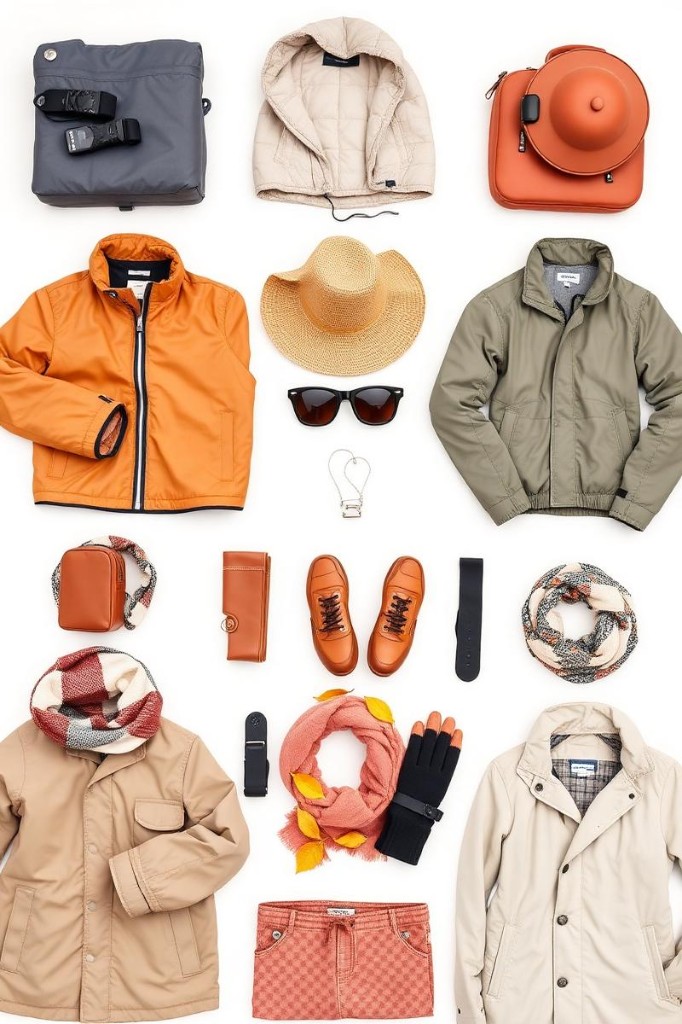
Travel clothing and gear by season

💰 Seasonal budget

PeriodAccommodation (€)Transport (€)Activities (€)Crowds (/5)Budget Tips
Spring60-12030-5025-402/5Book in advance
Summer100-20040-7035-605/5Avoid July-August
Autumn70-14035-5530-453/5Excellent value
Winter50-10025-4020-351/5Many promotions

💡 Money-saving tips

  • Avoid July-August: Prices 40% higher in high season
  • Book 2-3 months in advance in spring and autumn
  • Take advantage of winter promotions: up to -50% on accommodation
  • Choose half-board in the mountains where restaurants are rare
  • Use local transport: economical and authentic 'dolmus' service

🏥 Health and precautions

  • Enhanced sun protection: Altitude and reflection in the mountains
  • Stay hydrated: Dry air in summer, especially in the Bekaa
  • Watch for altitude changes: Gradual adaptation recommended
  • Food precautions: Bottled water recommended
  • Travel insurance: Covering winter sports and mountain activities
  • Basic pharmacy: Anti-diarrheal, antiseptic, bandages

Events & Festivals in Lebanon

Cultural calendar and festivities not to be missed in Lebanon

Lebanon vibrates to the rhythm of exceptional festivals that mark the seasons and significantly enrich the travel experience depending on the chosen period.

🎭 Baalbek Festival (July-August)

The most prestigious festival in the Middle East takes place in the Temple of Jupiter in Baalbek. International artists and grandiose shows in a unique archaeological setting. The dry summer guarantees perfect conditions for these magical evenings under the stars.

  • Location: Baalbek Temples, Bekaa Valley
  • Feature: Exceptional natural acoustics of the Roman ruins
  • Climate Impact: Ideal dry heat, pleasant cool nights
🎵 Beiteddine Festival (July-August)

In the Ottoman palace of Beiteddine, this festival blends classical music, jazz, and oriental performances. The sublime architecture of the palace and the mountain coolness create a unique atmosphere for these exceptional cultural evenings.

  • Location: Beiteddine Palace, Chouf Mountains
  • Feature: Preserved Ottoman architectural setting
  • Climate Impact: Altitude offering welcome coolness in summer
🍷 Harvest Festival (September-October)

The Bekaa Valley celebrates its winemaking traditions with tastings, winery tours, and rural festivities. Autumn offers perfect climatic conditions to discover Lebanese vineyards and their unique grape varieties in a friendly atmosphere.

  • Location: Bekaa Valley, vineyards
  • Feature: Tasting of ancient Lebanese wines
  • Climate Impact: Ideal temperatures for outdoor visits

Seasonal events

Spring:
  • Byblos Spring Festival (April)
  • Beirut Marathon (May)
  • Sacred Music Festival (May)
Summer:
  • Byblos International Festival (July)
  • Full Moon Nights (August)
  • Broummana Festival (August)
Autumn:
  • Beirut Film Festival (October)
  • Independence Day (November)
Winter:
  • Christmas Celebrations (December)
  • Ski Festival (February)

Responsible Travel in Lebanon

Traveling responsibly in Lebanon means respecting its fragile ecosystems and adapting your visit to natural cycles to minimize environmental impact while supporting the local economy.

Lebanon is home to precious Mediterranean ecosystems such as ancient cedar forests and coastal nature reserves. Respecting bird migration nesting periods and avoiding trampling in fragile areas preserves this unique biodiversity.

🌱 Low-season advantages

Traveling in the low season reduces tourist pressure on fragile sites, lowers the carbon footprint related to transport, and supports the local economy more equitably throughout the year.

♻️ Sustainable travel tips

  • Save water: Precious resource, especially in summer
  • Reduce plastic waste: Use reusable water bottles and bags
  • Use local transport: Buses and shared services
  • Respect wildlife: Safety distances, no feeding
  • Buy local: Handicrafts and local products
  • Avoid picking: Protected flowers and plants

🏙️ Local sustainable initiatives

Lebanon is developing cedar reforestation projects, protected nature reserves like Al-Shouf, and solar energy initiatives. Rural cooperatives offer authentic community-based tourism in the Bekaa.

Our Expert Recommendations

Expert recommendations for your trip to Lebanon

After analyzing climate data and our field experience, we recommend optimal periods based on your priorities. Lebanon offers different experiences depending on the seasons, allowing you to adapt your trip to your specific expectations while enjoying the best weather conditions.

🌟 Optimal Period: April-May and September-October
  • Recommended months: April, May, September, October
Advantages:
  • Perfect temperatures (18-25°C / 64-77°F)
  • Low precipitation
  • Magnificent landscapes
  • Reasonable rates
  • All activities possible
Disadvantages:
  • Some spring showers
  • Early booking recommended
Ideal profile:

Travelers seeking optimal conditions, families, hikers, photographers

⚖️ Balanced Alternative: June and November
  • Alternative months: June, November

Justification: June offers summer without the heatwave, November combines mildness and attractive rates. These months represent an excellent compromise between favorable weather conditions and moderate crowds.

Specific advantages:
  • June: Warm sea, long days
  • November: Autumn colors, mild prices

👥 Tips for your travel style

👨‍👩‍👧‍👦 Family: April-May and September-October, mild temperatures, varied activities possible.
💰 Budget: November-March (excluding holidays), reduced rates up to 40%, avoid July-August.
🏃‍♂️ Adventure: May-June and September, ideal conditions for mountain hiking, sea accessible.
💎 Luxury: April-May and October, perfect climate, fewer crowds, optimal service.
📸 Photographer: April (flowers), October (colors), exceptional golden autumn light.
Periods to avoid: July-August (heatwave, crowds, prices), January-February (coastal rain, mountain cold) except for skiing.

Cities to explore

Discover the must-sees of urban travel

All cities

Frequently Asked Questions

Find answers to essential questions for planning your trip to Lebanon according to weather conditions.

What is the best time to visit Lebanon?

The ideal periods are April-May and September-October with perfect temperatures (18-25°C / 64-77°F), little rain, and magnificent landscapes. These months offer an excellent balance between weather conditions and prices.

Can you ski and swim on the same day in Lebanon?

Yes, it is possible from April to May! The mountain ski resorts retain their snow while the Mediterranean coast allows for swimming. This unique feature makes Lebanon famous.

Which region to choose according to the season?

Spring/Autumn: all regions. Summer: prefer mountains for coolness or coast for the beach. Winter: mountains for skiing, coast for relative mildness.

Is Lebanon rainy?

The rainy season lasts from November to March with an average of 65 rainy days per year. Summer (June-September) is very dry. Precipitation varies greatly depending on altitude and region.

Should I avoid summer in Lebanon?

Summer remains pleasant despite the heat thanks to the refreshing mountains and sea breeze. It is the season for festivals and nightlife. Bring light clothing and prioritize high altitude during the day.