When to visit Tripoli? City-Trip Guide

Discover the pearl of Northern Lebanon according to the seasons and fully enjoy its unique historic heritage.

  • 0.5 M population
  • Arabic, French language
  • 65 days rainy days/year
  • from April to June and from September to November best time to visit
  • 2 to 4 days recommended stay

Climate and weather in Tripoli

Understanding the Mediterranean climate of Tripoli

Tripoli enjoys a typical Mediterranean climate with hot, dry summers and mild, wet winters. Its coastal position moderates temperatures, creating pleasant conditions for exploring its historic souks and citadel.

MonthMin Temp (°C / °F)Max Temp (°C / °F)Precipitation (mm / in)Sunshine (h/day)Tourist TrafficRecommended Activities
January9°C / 48°F16°C / 61°F180mm / 7.1in4⭐⭐Museums, hammams
February9°C / 48°F17°C / 63°F140mm / 5.5in5⭐⭐Covered souks
March11°C / 52°F20°C / 68°F100mm / 3.9in6⭐⭐⭐Citadel, old town
April14°C / 57°F24°C / 75°F50mm / 2.0in7⭐⭐⭐⭐Coastal walks
May18°C / 64°F27°C / 81°F20mm / 0.8in9⭐⭐⭐⭐⭐All activities
June22°C / 72°F30°C / 86°F5mm / 0.2in11⭐⭐⭐⭐⭐Beaches, terraces
July24°C / 75°F32°C / 90°F0mm / 0in12⭐⭐⭐⭐⭐Water activities
August25°C / 77°F33°C / 91°F0mm / 0in11⭐⭐⭐⭐⭐Evening terraces
September22°C / 72°F30°C / 86°F10mm / 0.4in9⭐⭐⭐⭐Cultural visits
October19°C / 66°F27°C / 81°F60mm / 2.4in7⭐⭐⭐⭐Markets, walks
November14°C / 57°F22°C / 72°F120mm / 4.7in6⭐⭐⭐Historic heritage
December11°C / 52°F18°C / 64°F170mm / 6.7in4⭐⭐Local crafts

The Seasons

Highlights by Weather

Organize your discovery of Tripoli according to weather conditions to optimize your stay and fully enjoy the treasures of this historic city.

☔ In cloudy/rainy weather

Indoor & sheltered

Rainy days reveal the charm of Tripoli's covered spaces, rich in history and authenticity.

Recommended Sites:
🕌 Mansouri Great Mosque (1.5h, free, Oct-Mar)
🛍️ Covered Al-Haraj Souk (2h, free, all year)
🏛️ Hammam al-Jadid (1h, €15, Nov-Feb)
🎨 Soap Museum (1h, €5, winter optimal)
🏺 Khan al-Khayyatin artisans (2h, free, Dec-Feb)
📚 Ahmad Pasha Library (1h, free, by appointment)

Practical Tip: Book hammams online, avoid very busy Fridays

Additional Tip: Link souk-mosque-hammam for a logical and sheltered route, artisan pass available

☀️ In good weather

Optimal outdoor

The sun reveals all the architectural splendor and exceptional panoramas of the northern city.

Recommended Sites:
🏰 Raymond de Saint-Gilles Citadel (2h, €8, morning recommended)
🌊 Corniche and fishing port (1.5h, free, sunset)
🕌 Taynal Mosque exterior (45min, free, afternoon)
🏛️ Ottoman Clock Tower (30min, free, golden hour)
🌳 Rashid Karami Public Gardens (1h, free, morning)
🎭 Tell Square and modern architecture (1h, free, end of day)

Best time of day: Sunrise at the citadel, sunset on the corniche for magical photos

Seasonal Tip: April-June and September-October are optimal, avoid July-August 12pm-4pm

🌤️ Versatile for all weather

Flexible

These sites offer the perfect versatility between covered spaces and outdoor discovery.

Recommended Sites:
🏛️ Qartawiyya Madrasa Complex (indoor/courtyard, 1.5h, €3)
🍯 Central market covered/terraces (2h, free)
🎨 Artisan workshops (indoor) + classes (1.5h, €10-€20)

Weather Tip: Start outdoors if the weather is nice, retreat indoors if it deteriorates

Example itinerary: Morning outdoor market → lunch in a covered restaurant → afternoon madrasa depending on weather

💰 Free or economical

No cost

Free Sites:
🕌 Historic mosques (dress code required)
🌊 Corniche promenade and port
🏛️ Exterior Ottoman architecture
🎭 Souk atmosphere (no purchase required)

Free days: Some heritage sites are free on Friday mornings for residents

Budget tips: Panoramas from cafe terraces (with a drink), food markets, artisan districts

Practical Guide

Prepare your city-trip to Tripoli with our tips tailored to the climatic and urban specifics of this authentic destination in Northern Lebanon.

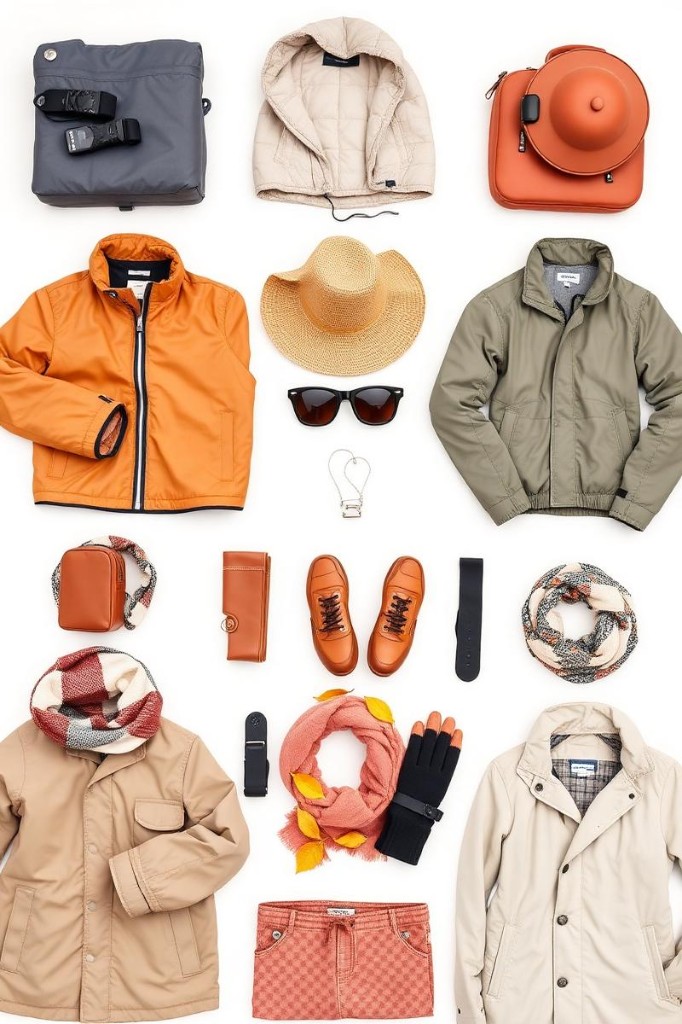
👕 Seasonal packing

Spring/Autumn: • Comfortable walking shoes for old cobblestones • Lightweight waterproof jacket • Scarf for mosques • Secure crossbody bag

Summer: • Lightweight, modest clothing (respect local culture) • Hat and sunglasses • Closed-toe shoes for souks • Strong sunscreen

Winter: • Quality raincoat • Non-slip shoes • Layers • Compact umbrella
Travel clothing and gear by season

💰 Seasonal budget

PeriodCity Center Accommodation (€/night)Transport (€/day)Restaurants (€/day)Attractions (€)Crowds
High season (Jun-Aug)60-12015-2525-4520-35⭐⭐⭐⭐⭐
Shoulder season (Apr-May, Sep-Oct)45-8510-2020-3515-25⭐⭐⭐⭐
Low season (Nov-Mar)30-608-1515-2510-20⭐⭐

💡 Money-saving tips

Heritage City Pass is cost-effective from 3 paid sites onwards • Local lunch restaurants are 50% cheaper than dinner • Residential district accommodation is 30% cheaper than the historic center • Cultural events are often free in mosques and squares • Walking is optimal in the compact center + economical service-taxis

🏥 Health and precautions

Increased hydration during Mediterranean summers and intensive walking • Strong sun protection due to sea reflection • Suitable footwear for irregular old town cobblestones • Respect dress code for religious sites • 24h pharmacies on Fouad Chehab Avenue • Tap water is potable but bottled water is recommended

Urban Events

Tripoli's essential events calendar

Cultural events punctuate life in Tripoli and transform the urban atmosphere, offering unique and authentic experiences.

🎭 Tripoli International Festival (July)

A major cultural festival transforming the citadel and historic squares into artistic stages. Traditional music, theater, and local crafts in an exceptional setting.

Location: Raymond de Saint-Gilles Citadel and the old town

Highlight: The only festival in Northern Lebanon held in a classified historic site

Climate Impact: High attendance, accommodation bookings essential 2 months in advance, night entertainment

Transport Access: Special shuttles from the city center, temporary parking lots

Planning Tip: Advance tickets, Tripoli accommodation fills up, Batroun (20km / 12mi) is a good alternative

🕌 Mawlid al-Nabawi (varies by lunar calendar)

Celebration of the Prophet's birth, transforming historic mosques into lively spiritual and cultural hubs. Processions, recitations, and community sharing.

Location: Mansouri Great Mosque and historic districts

Highlight: Exceptional access to sites usually closed to the public

Climate Impact: Solemn and warm atmosphere, temporary pedestrian streets, adapted business hours

Transport Access: City center accessible only on foot during ceremonies

Planning Tip: Respect strict dress code, tourist attractions may have modified hours

🛍️ Souk Festival (October)

Celebration of traditional craftsmanship in the historic souks with live demonstrations, participatory workshops, and ancient art exhibitions. Total immersion in local expertise.

Location: All covered souks and Khan al-Khayyatin

Highlight: Privileged access to workshops usually closed to the public

Climate Impact: Significant local attendance, promotional craft prices, friendly atmosphere

Transport Access: Souks accessible only on foot, peripheral parking

Planning Tip: Workshop schedule requires registration, increase shopping budget

Seasonal events

Spring: • Independence Day (November 22, parades at Tell Square) • Cultural Spring Festival (April-May, heritage sites) • Traditional Flower Market (March, corniche)

Summer: • Ramadan Nights (dates vary, historic districts) • Oriental Music Festival (August, citadel) • Illuminated Heritage Evenings (June-September)

Autumn: • World Heritage Days (September, free site access) • Levantine Gastronomy Festival (October) • Art Craft Fair (November)

Winter: • New Year's Eve Celebrations (December 31, fireworks at the port) • Orthodox Epiphany (January 6, processions) • Local Carnival (February, pedestrian streets)

Responsible City-Trip

Adopt respectful tourism in Tripoli by prioritizing sustainable practices that preserve exceptional heritage and support the local economy.

Tripoli offers many opportunities for responsible tourism: favor walking in the compact historic center, support local artisans rather than tourist boutiques, respect religious sites, and minimize waste in this city with fragile heritage.

🌱 Low-season advantages

Visiting Tripoli in low season (November-March) reduces tourist pressure on fragile historic sites, offers a more authentic experience with locals, and practices fair pricing.

♻️ Sustainable travel tips

• Prioritize walking in the compact historic center • Local family restaurants vs tourist establishments • Certified heritage traditional accommodation • Reusable water bottle, public fountains available • Direct artisan purchases in souks • Alternative routes in less frequented residential districts

🏙️ Local sustainable initiatives

Tripoli is developing sustainable initiatives: progressive pedestrianization of the old town, ecological restoration of historic monuments, promotion of traditional crafts, weekly local organic markets, heritage awareness in schools, eco-responsible labels for family accommodation.

Our Recommendations

Recommendations for your city-trip to Tripoli

After analyzing climatic data, tourist traffic, and cultural events, here are our personalized tips to optimize your discovery of Tripoli. The timing of your visit will significantly influence your experience, balancing favorable weather, attractive prices, and the authentic atmosphere of this pearl of Northern Lebanon.

🌟 Optimal Period

Months: April to June and September to October

Advantages:
• Ideal temperatures 18-27°C / 64-81°F for urban walking
• Generous sunshine without extreme heat
• Moderate crowds allowing for a serene discovery
• Reasonable accommodation prices
• Cultural festivals and authentic local atmosphere

Key Events: Cultural Spring Festival (April-May), Souk Festival (October), Heritage Days (September)

Disadvantages: Some autumn showers possible, booking recommended during festival periods

Ideal Profile: Cultural travelers, photographers, families, first-time visitors to Lebanon

Stay Duration: 3-4 days recommended

🌤️ Interesting Alternative

Months: March and November

Description: Climatic transition periods offering an excellent compromise between acceptable weather, attractive rates, and authentic discovery without tourist crowds.

Specific Advantages: Accommodation rates -40%, privileged contact with locals, peaceful heritage sites, artisans available for exchanges

For Whom: Budget travelers, heritage enthusiasts, relaxing stays, winter-mood photographers

👥 Tips for your travel style

Family: April-May is optimal, Mina district near the sea, short activities, easy local transport

Budget: November-February, peripheral accommodation, local restaurants, focus on free sites

Culture: September-October, historic center, local guides, heritage festivals

Romantic: May-June, traditional riad, sunsets on the corniche, terrace restaurants

Weekend: All year except heatwaves, compact city center, condensed itinerary

First Trip: April-June, central accommodation, organized tours, French-speaking guides

⚠️ Periods to Avoid

Months: July-August and December-January

Reasons: Summer heatwaves (30-33°C / 86-91°F) are difficult for walking tours, peak summer crowds, heavy winter rains limiting outdoor discovery, site closures on certain public holidays

Nuances: Summer is acceptable for heat lovers and nightlife, winter is interesting for indoor cultural immersion

Villes du même pays

All cities

Frequently Asked Questions

Answers to essential questions for planning your city-trip to Tripoli according to optimal weather conditions.

What is the best month to visit Tripoli?

May and October offer optimal conditions: pleasant temperatures of 20-27°C / 68-81°F, generous sunshine, limited rainfall, and moderate crowds. April and September are excellent alternatives with a similar climate. These months allow you to fully enjoy outdoor visits (citadel, corniche) and wandering through the souks without major weather constraints.

How many days should I plan for Tripoli?

3 to 4 days allow for a complete and relaxed discovery. 2 days are enough for the highlights (citadel, souks, great mosque), while 3-4 days allow for cultural immersion with artisan workshops, traditional hammams, and coastal excursions. Architecture and history enthusiasts will appreciate 5 days to explore every detail of the Mamluk and Ottoman heritage.

What to do in Tripoli in case of rain?

Tripoli excels with its authentic covered spaces: historic Al-Haraj souks for artisanal shopping, Mansouri Great Mosque for remarkable architecture, traditional hammams for relaxation, artisan workshops in Khan al-Khayyatin, the Soap Museum, and historic libraries. Traditional cafes offer perfect cultural immersion with views of the urban bustle.

Which events should not be missed in Tripoli?

The Tripoli International Festival (July) turns the citadel into an exceptional cultural stage, the Souk Festival (October) reveals traditional crafts with participatory workshops, and World Heritage Days (September) offer free access to classified sites. Religious celebrations like Mawlid al-Nabawi create a unique spiritual atmosphere in historic mosques.

What budget should I plan according to the season?

High season (June-August): €120-€190/day all-inclusive with city center accommodation. Shoulder season (April-May, September-October): €90-€145/day, excellent value for money. Low season (November-March): €65-€110/day, ideal for tight budgets. Add €20-€30 during major festivals. Local transport is economical (€8-€25/day), local dining is affordable (€15-€45/day depending on standard).