When to visit Tyre? City-Trip Guide

Discover the Phoenician pearl of Lebanon according to the seasons for an optimal stay between ancient history and Mediterranean charm.

  • 0.2 M population
  • Arabic, French language
  • 65 days rainy days/year
  • April to June and September to November best time to visit
  • 2 to 4 days recommended stay

Climate and weather in Tyre

Understanding the Mediterranean climate of Tyre

Tyre enjoys a typical Mediterranean climate with hot, dry summers and mild, wet winters. Its coastal position moderates temperatures through sea breezes, creating ideal conditions for exploring its archaeological treasures and enjoying its historic beaches.

  • Coastal zone: Climate tempered by the Mediterranean with refreshing sea breezes
  • Historic city center: Slightly warmer with a moderate urban heat effect
  • Archaeological sites: Direct sun exposure; protection is necessary in summer
MonthMin Temp (°C / °F)Max Temp (°C / °F)Precipitation (mm / in)Sunshine (h/day)Tourist TrafficRecommended Activities
January11°C / 52°F17°C / 63°F180mm / 7.1in5Museums, indoor sites
February11°C / 52°F18°C / 64°F140mm / 5.5in6Cultural visits
March13°C / 55°F20°C / 68°F100mm / 3.9in7⭐⭐Walking tours
April16°C / 61°F23°C / 73°F50mm / 2.0in8⭐⭐⭐Archaeological sites
May19°C / 66°F26°C / 79°F20mm / 0.8in10⭐⭐⭐⭐Beaches, hiking
June22°C / 72°F29°C / 84°F5mm / 0.2in11⭐⭐⭐⭐Water activities
July24°C / 75°F31°C / 88°F1mm / 0.04in12⭐⭐⭐⭐⭐Beaches, evenings
August25°C / 77°F32°C / 90°F1mm / 0.04in11⭐⭐⭐⭐⭐Morning activities
September23°C / 73°F30°C / 86°F15mm / 0.6in9⭐⭐⭐⭐Full tours
October20°C / 68°F27°C / 81°F80mm / 3.1in7⭐⭐⭐Photography, culture
November16°C / 61°F23°C / 73°F120mm / 4.7in6⭐⭐Museums, gastronomy
December13°C / 55°F19°C / 66°F160mm / 6.3in5Winter atmosphere

As Tyre is a low-altitude coastal city, climatic variations are primarily influenced by proximity to the sea rather than altitude.

The seasons

Sites by weather

Optimize your discovery of Tyre by adapting your visits to weather conditions to fully enjoy the archaeological treasures and attractions of this ancient city.

☔ In overcast/rainy weather

Indoor & protected

Rainy days reveal the covered heritage of Tyre, between fascinating museums and sheltered sites.

Recommended sites:
🏛️ National Museum of Tyre (2h, $5, Oct-Mar optimal)
🕌 Souk Mosque (30min, free, all year)
🏪 Traditional covered souk (1-2h, variable, winter pleasant)
🍽️ Traditional restaurants like Al-Fanar (meal, $15-25)
📚 Tyre Cultural Center (1h, free, temporary exhibitions)
🏨 Traditional Hammam (1h30, $20, winter relaxation)

Practical tip: Booking recommended for the museum in high season

Extra tip: Combine museum and souk for a complete cultural morning

☀️ In good weather

Optimal outdoor

The Mediterranean sun enhances the ancient ruins and reveals the full coastal splendor of Tyre.

Recommended sites:
🏛️ Al-Mina archaeological site (3h, $8, morning recommended)
🏺 Roman Hippodrome (2h, site included, sunrise)
🏖️ Ruins Beach (open, free, afternoon)
🚶 Phoenician Port Promenade (1h, free, sunset)
🌊 Tyre Nature Reserve (2-3h, $3, cool morning)
📸 Ottoman Lighthouse (30min, free, golden hour)

Best time of day: Sunrise at the hippodrome, sunset at the port

Seasonal tip: April-June and September-October are optimal; avoid July-August 12pm-4pm

🌤️ Versatile all-weather

Flexible

Adaptable sites offering indoor and outdoor alternatives depending on weather whims.

Recommended sites:
🏛️ Al-Bass archaeological complex (modular indoor/outdoor)
🕌 Abou Dhar Mosque with covered courtyard
🍽️ Restaurants with covered terraces at the port
🛍️ Central Market (covered + outdoor)
🏨 Historic hotels with patios

Weather tip: Start outside if it clears up, retreat inside if weather degrades

Itinerary example: Morning at Al-Bass site, lunch at a covered restaurant, afternoon at the museum if it rains

💰 Free or budget-friendly

No cost

Free sites:
🚶 Waterfront promenade
📸 Viewpoints of the ruins
🕌 Mosques (outside prayer hours)
🌳 Public gardens
🏖️ Public beaches

Free days: First Sunday of the month for some museums

Budget tips: Panoramas from the heights, local markets, authentic residential neighborhoods

Practical Guide

Prepare your stay in Tyre with our practical tips adapted to Mediterranean climate variations and the specificities of this major Lebanese archaeological destination to optimize your cultural city trip.

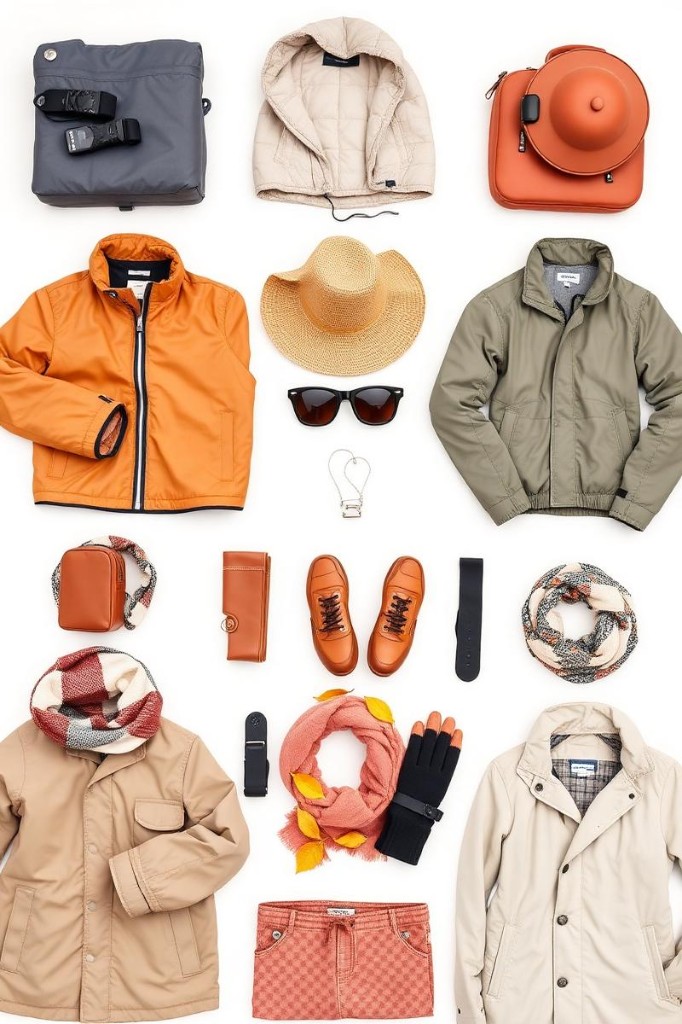
👕 Seasonal packing

Spring: • Comfortable walking shoes • Light jacket for evenings • Hat and sunglasses • Light backpack for sites

Summer: • Light, breathable clothing • Enhanced sun protection • Closed-toe shoes for ruins • Reusable water bottle

Autumn: • Layerable clothing • Light raincoat • Non-slip shoes • Waterproof bag for gear

Winter: • Warm waterproof jacket • Waterproof shoes • Compact umbrella • Change of clothes
Travel clothing and gear by season

💰 Seasonal budget

PeriodCity Center Accommodation (€/night)Transport (€/day)Restaurants (€/day)Attractions (€)Traffic
High season (Jun-Aug)80-15015-2525-4015-25⭐⭐⭐⭐⭐
Shoulder season (Apr-May, Sep-Oct)50-10010-2020-3512-20⭐⭐⭐
Low season (Nov-Mar)30-708-1515-2510-15⭐⭐

💡 Money-saving tips

Archaeological City Pass: Pays off after visiting 3 sites
Restaurants: Lunches in the souks are cheaper than tourist dinners
Accommodation: Residential neighborhoods are 30% cheaper than the seafront
Transport: Walking is preferred; the center is compact
Free events: Public square concerts, cultural festivals

🏥 Health and precautions

Intense sun: Enhanced UV protection on sites without shade
Hydration: Plenty of water; avoid tap water
Intensive walking: Archaeological sites have uneven terrain
Allergies: Spring pollen, dust from excavations
Pharmacies: 24h on-call service available in the city center

Cultural events

Calendar of must-see events in Tyre

The cultural events in Tyre enrich the tourist experience by revealing the contemporary soul of this ancient city, creating a unique atmosphere depending on the season.

🎭 Tyre International Festival (July-August)

A major Lebanese festival held in the Roman hippodrome, blending classical music, jazz, and traditional performances. The exceptional acoustics of the ancient site create an unforgettable experience under the Mediterranean stars.

Location: Roman Hippodrome, Al-Bass site

Highlight: The only festival in the world held in an ancient hippodrome

Climate impact: Perfect summer evenings; book accommodation 6 months in advance

Transport access: Special shuttles from Beirut

Planning tip: Tickets go on sale in April; limited seating

🕊️ Holy Week and Easter (March-April)

Major religious celebrations that transform Tyre into a pilgrimage center. Processions in the historic streets, masses in ancient churches, and special culinary traditions create a unique spiritual atmosphere.

Location: Historic center, Maronite churches

Highlight: Fusion of Eastern and Western Christian traditions

Climate impact: Ideal mild spring weather; high religious attendance

Transport access: Traffic restrictions in the city center

Planning tip: Book traditional restaurants in advance

🎨 Heritage Days (September)

Exceptional opening of sites usually closed to the public, free guided tours, and cultural activities. A unique opportunity to discover behind-the-scenes archaeological excavations and meet international researchers.

Location: All archaeological sites

Highlight: Access to active excavation zones

Climate impact: Perfect autumn temperatures for extended visits

Transport access: Free shuttles between sites

Planning tip: Detailed program available in August

Seasonal events

Spring: • Independence Day (March 22) • Flower Festival (April) • Museum Night (May)

Summer: • Gastronomy Festival (June) • Nights of Tyre (July-August) • Feast of the Assumption (August 15)

Autumn: • Archaeological Days (September) • Sea Festival (October) • Craft Fair (November)

Winter: • Christmas celebrations (December) • Lebanese New Year (January) • Traditional Carnival (February)

Responsible tourism

Adopting a responsible approach in Tyre preserves this exceptional world heritage while respecting local communities and the fragile Mediterranean environment.

Tyre, a UNESCO site, requires respectful tourism: prioritize certified local guides, support traditional crafts, respect sensitive archaeological zones, minimize impact on coastal ecosystems, and contribute to the local economy rather than international chains.

🌱 Low-season advantages

Visiting Tyre outside the summer season reduces pressure on local infrastructure, allows for authentic exchanges with residents, offers fair rates to service providers, and preserves the tranquility of archaeological sites.

♻️ Sustainable travel tips

Transport: Walking is preferred, public transport, bicycles available
Accommodation: Family guesthouses, certified eco-lodges
Dining: Local cuisine, seasonal products, sustainable fishing
Shopping: Local crafts, women's cooperatives, avoid counterfeits
Visits: Local guides, small groups, respect site rules
Waste: Plastic reduction, recycling, reusable bottles

🏙️ Local sustainable initiatives

Tyre is developing sustainable tourism: sea turtle preservation program, ecological restoration of ancient sites, local guide training, promotion of peri-urban organic farming, and community recycling projects involving visitors.

Our recommendations

Recommendations for your city trip to Tyre

After analyzing climate data, tourist traffic, and cultural events, here are our personalized tips to optimize your discovery of Tyre. The choice of period significantly influences your experience: favorable weather for outdoor sites, accommodation rates, service availability, and the general atmosphere of this exceptional historic city.

🌟 Optimal Period

Months: April-May and September-October

Advantages:
• Perfect temperatures (20-26°C / 68-79°F) for exploration
• Ideal light for photographing ruins
• Pleasant sea for swimming (September-October)
• Moderate crowds allowing for contemplation
• Reasonable accommodation and restaurant rates

Key events: Heritage Days (September), Flower Festival (April)

Disadvantages: Some showers possible in spring

Ideal profile: Culture lovers, photographers, couples

Stay duration: 3-4 days recommended

⚖️ Interesting Alternative

Months: March and November

Description: Transition periods offering an excellent compromise between acceptable weather, attractive rates, and authentic discovery without summer crowds.

Specific advantages: Accommodation prices -40%, local restaurants more available, peaceful archaeological sites, warm local hospitality

For whom: Budget travelers, seniors, peace seekers, soft-light photographers

👥 Tips for your travel style

Family: May-June, residential area, beach + culture activities, private transport, accommodation with pool

Budget: March-April/November, city center hostels, walking, local restaurants, priority on free sites

Culture: April-May/September-October, historic hotels, specialized guides, all museums, heritage events

Romantic: September-October, seafront, gourmet restaurants, sunsets, traditional spa

Weekend: All year except July-August, historic center, major sites concentrated, transport from Beirut

First trip: April-May, English-speaking guide, organized circuit, comfort accommodation, travel insurance

⚠️ Periods to avoid

Months: July-August and December-January

Reasons: Excessive heat (32°C+ / 90°F+) limiting site visits, summer overcrowding, prohibitive prices (summer) / Frequent rain and reduced services (winter)

Nuances: Summer is acceptable for festival and beach lovers; winter is interesting for tight budgets and exclusive cultural tourism

Villes du même pays

All cities

Frequently Asked Questions

Answers to essential questions for planning your city trip to Tyre based on the climate and the specific features of this archaeological destination.

What is the best month to visit Tyre?

May and October offer optimal conditions: pleasant temperatures (22-26°C / 72-79°F), little rain, swimmable sea in October, and perfect light for photographing ancient sites. Moderate crowds allow for a full appreciation of the Phoenician and Roman ruins. Prices remain reasonable compared to the high summer season, while all services remain open.

How many days should I plan for Tyre?

3 to 4 days allow for a complete discovery: one day for the Al-Mina site and the ancient port, one for Al-Bass and the hippodrome, one for the historic center and museums, plus a day for beach relaxation and gastronomy. Archaeology enthusiasts can plan for 5-6 days to delve deeper and include surrounding sites. A weekend is enough for an overview of the highlights.

What to do in Tyre when it rains?

Tyre offers beautiful indoor alternatives: the National Museum with its exceptional mosaics, the traditional souk for local crafts, authentic restaurants in the city center, and traditional hammams for relaxation. Historic mosques (outside prayer hours) and the cultural center also offer exhibitions. It is the perfect opportunity to discover Lebanese gastronomy in a warm atmosphere.

Which events should not be missed in Tyre?

The Tyre International Festival (July-August) in the Roman hippodrome is exceptional but requires early booking. Heritage Days (September) offer unique access to ongoing excavations. Holy Week transforms the city into a pilgrimage center with authentic processions. Each season offers more intimate events: food festivals, cultural nights, and craft fairs.

What budget should I plan according to the season?

In high season (June-August): 120-200€/day for 2 people (accommodation, meals, tours, transport). In shoulder season (April-May, September-October): 80-140€/day with excellent value for money. In low season (November-March): 60-100€/day, ideal for tight budgets. These amounts include mid-range accommodation, meals in local restaurants, major site entrance fees, and local transport.