When to visit Bcharré? City-Trip Guide

Discover the pearl of the Lebanese mountains according to the seasons, between sparkling snow and summer greenery.

  • 3,000 population
  • Arabic, French language
  • 85 days rainy days/year
  • from May to October best time to visit
  • 2 to 4 days recommended stay

Climate and weather in Bcharré

Understanding the Mediterranean mountain climate of Bcharré

Bcharré enjoys a Mediterranean mountain climate at an altitude of 1,400m / 4,593ft. Harsh winters bring snow and cold, while summers offer coolness and mildness. The altitude moderates summer temperatures, creating a natural refuge from the heat.

MonthMin Temp (°C / °F)Max Temp (°C / °F)Precipitation (mm / in)Sunshine (h/day)Tourist TrafficRecommended Activities
January-2 / 286 / 43180 / 7.14⭐⭐Skiing, museums, snow-covered cedars
February-1 / 308 / 46160 / 6.35⭐⭐Winter sports, heritage
March2 / 3612 / 54140 / 5.56⭐⭐Light hiking, culture
April5 / 4116 / 6180 / 3.17⭐⭐⭐Trekking, blooming season
May9 / 4821 / 7040 / 1.69⭐⭐⭐⭐Hiking, festivals
June13 / 5525 / 7710 / 0.411⭐⭐⭐⭐⭐Trekking, heritage
July16 / 6128 / 825 / 0.212⭐⭐⭐⭐⭐Mountains, summer festivals
August16 / 6128 / 825 / 0.211⭐⭐⭐⭐⭐Hiking, events
September13 / 5525 / 7720 / 0.89⭐⭐⭐⭐Trekking, photography
October9 / 4820 / 6860 / 2.47⭐⭐⭐Autumn hiking
November4 / 3914 / 57100 / 3.96⭐⭐Heritage, museums
December0 / 329 / 48150 / 5.94⭐⭐Winter preparations

Seasons in Bcharré

Sites by weather

Optimize your discovery of Bcharré by choosing your activities according to weather conditions to fully enjoy this mountain gem.

☔ In overcast/rainy weather

🏛️ Sheltered heritage

Rainy days reveal the rich indoor heritage of Bcharré, between museums and religious sites.


Recommended sites:
🏛️ Khalil Gibran Museum (1h30, 8€, all year)
⛪ Saint-Saba Church (45min, free, remarkable architecture)
🏛️ Saint-Antoine de Qozhaya Monastery (2h, 5€, historical frescoes)
🏠 Khalil Gibran's birthplace (1h, 6€, permanent exhibition)
⛪ Mar Challita Church (30min, free, sacred art)
🏛️ Bcharré Cultural Center (1h, variable per exhibition)


Practical tip: Book guided tours of the Gibran museum online, especially popular on bad weather days.


Additional tip: Combine the museum visit with the birthplace for a complete immersion in the poet's world.
☀️ In good weather

🏔️ Natural wonders

The sun reveals the full splendor of the mountain landscapes and exceptional natural sites in the region.


Must-see sites:
🌲 Forest of the Cedars of God (3h, 10€, UNESCO heritage)
🏔️ Qadisha Valley (4-6h, free, spectacular hike)
⛰️ Qornet es Sawda Peak (full day, highest point in Lebanon)
🏔️ Qadisha Gorges (2-4h, breathtaking landscapes)
🌊 Aafqa Springs (2h, natural coolness)
⛰️ Hermitages trail (3h, religious heritage in nature)


Best time: Sunrise over the cedars (6am-8am) and golden hour in the late afternoon (5pm-7pm) for exceptional photos.


Seasonal tip: May to October for full accessibility, July-August for optimal conditions but more crowds.

🌤️ Versatile for all weather

🔄 Adaptable sites

These places offer perfect flexibility combining covered spaces and outdoor discoveries according to conditions.


Flexible sites:
🏛️ Mar Elisha Monastery complex (indoor/outdoor modular)
🏘️ Historic city center (covered alleys and open squares)
⛪ Sanctuary of Our Lady of Bcharré (chapel and gardens)
🏛️ Archaeological site with interpretation center
🌲 Cedar Botanical Garden (greenhouses and outdoor path)


Weather tip: Start indoors if the weather is uncertain, then adapt according to the climatic evolution.


Example itinerary: Morning at the Gibran museum, lunch on a covered terrace, afternoon modular between cedars (if nice) or monasteries (if overcast).

💰 Free or economical

🆓 Accessible discoveries

Free sites:
🌲 Walk in the historic village
⛪ Churches and chapels (exteriors)
🏔️ Panoramic viewpoints
🚶 Short hiking trails
🏛️ Central square and Ottoman fountains


Free days: First Sunday of the month for the Gibran Museum (Lebanese residents).


Budget tips: Picnic with a view of the valley, local markets on Saturday mornings, stargazing in the evening (low light pollution).

Practical Guide

Prepare your stay in Bcharré with our tips adapted to the mountain climate and the specificities of this high-altitude destination for an optimal experience.

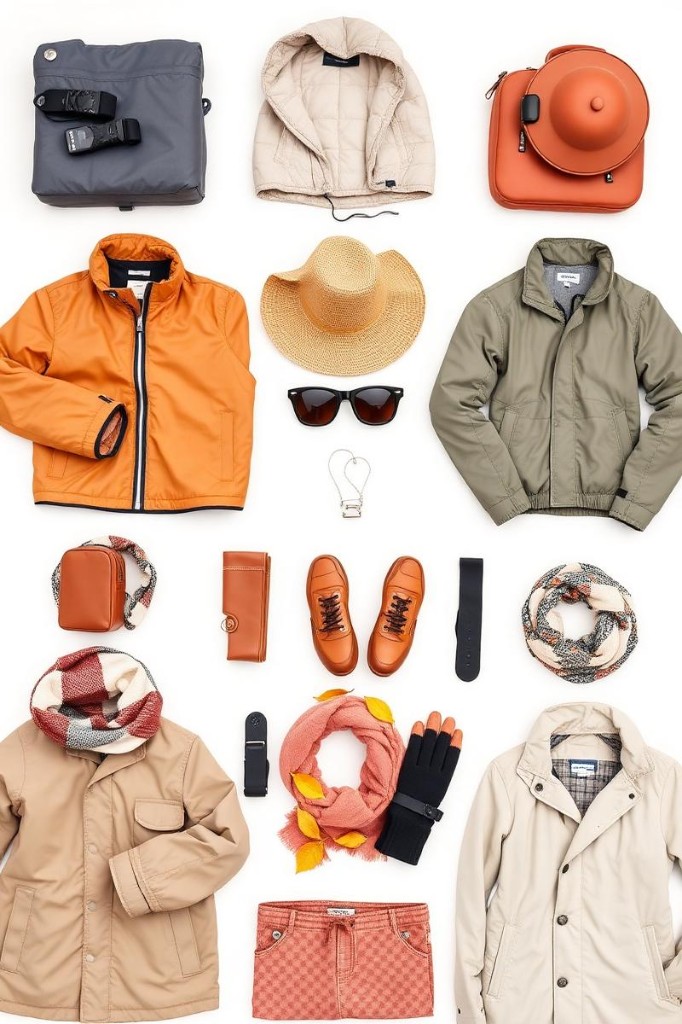
👕 Seasonal packing

Spring (March-May): • Waterproof hiking shoes • Windbreaker jacket • Multiple layers (t-shirt/sweater/jacket) • Trekking pants • Hat and sunglasses

Summer (June-August): • Breathable walking shoes • Light but covering clothing • High-protection sunscreen • Light jacket for evenings • Shorts and long pants

Autumn (Sept-Nov): • Waterproof shoes • Rain jacket • Warm sweater • Light gloves • Scarf for cool mornings

Winter (Dec-Feb): • Non-slip winter boots • Warm waterproof coat • Thermal underwear • Beanie and gloves • Warm socks
Travel clothing and gear by season

💰 Seasonal budget

PeriodAccommodation center (€/night)Transport (€/day)Restaurants (€/day)Attractions (€)Traffic
Winter (Dec-Feb)35-6015-2525-4015-25⭐⭐
Spring (Mar-May)50-8020-3030-5020-35⭐⭐⭐
Summer (Jun-Aug)80-15025-4040-7025-45⭐⭐⭐⭐⭐
Autumn (Sep-Nov)45-7520-3030-5520-35⭐⭐⭐

💡 Money-saving tips

• Book accommodation 2-3 months in advance in high season to avoid price hikes • Choose local village restaurants over tourist establishments • Opt for a shared car rental from Beirut (more economical than private transfers) • Take advantage of free hikes and panoramic viewpoints • Buy local products directly from producers

🏥 Health and precautions

Altitude: Increased hydration at 1,400m / 4,593ft, gradual adaptation for those sensitive • Mountain sun: High UV protection, reflection on snow in winter • Temperatures: Risk of hypothermia in winter, heatstroke avoided in summer due to altitude • Hiking: First aid kit, report itineraries • Pharmacies: Central pharmacy open 6 days/week, on call on Sundays

Cultural Events

Calendar of must-see events in Bcharré

Cultural events punctuate life in Bcharré and enrich the tourist experience through their mountain authenticity and spiritual dimension.

🎭 Bcharré International Festival (July)

Major cultural festival celebrating the legacy of Khalil Gibran with concerts, theater, and exhibitions in an exceptional mountain setting. Lebanese and international artists perform outdoors.

Location: Natural amphitheater near the cedars and cultural center

Highlight: Unique fusion of natural heritage and contemporary artistic creation

Climate impact: Ideal cool evenings, accommodation booking essential 3 months in advance, peak attendance

Transport: Special shuttles from Beirut, temporary parking provided

Planning tip: Book tickets from April and accommodation from March to avoid sell-outs

🍂 Cedar Festival (September)

Celebration of exceptional natural heritage with guided hikes, environmental workshops, and a local craft market. Awareness-raising for the preservation of ancient cedars.

Location: Forest of the Cedars of God and historic village

Highlight: Only event dedicated specifically to the conservation of Lebanon's cedars

Climate impact: Perfect temperatures for outdoor activities, emerging autumn colors, moderate attendance

Transport: Accessible by public transport, specially marked trails

Planning tip: Workshop registration recommended, hiking equipment provided

❄️ Mountain Winter Festival (February)

Unique event celebrating winter mountain culture with snow sports, local gastronomy, and indoor performances. Showcasing Lebanese winter heritage.

Location: Nearby ski resorts and historic town center

Highlight: Only winter festival in the region, blending tradition and modernity

Climate impact: Dependent on snowfall, unique cozy atmosphere, very attractive accommodation prices

Transport: 4x4 or snow chains recommended, transfers organized from the coast

Planning tip: Check weather conditions, winter gear essential

Seasonal events

Spring: • Easter Pilgrimage (March/April, traditional processions) • Flowering Festival (May, nature celebration) • Gibran Poetry Festival (May)

Summer: • Weekly cultural evenings (June-August) • Summer craft market (every Saturday) • Stargazing nights (August, astronomical observation)

Autumn: • Harvest Festival (October, agricultural traditions) • Nature Photo Festival (November)

Winter: • Maronite Christmas celebrations (January, according to the oriental calendar) • Traditional storytelling evenings (December-February). Note: Some sites close on local religious holidays.

Mountain responsible tourism

Bcharré, a fragile natural setting, requires a tourist approach respectful of its exceptional heritage and mountain environmental balances.

Responsible tourism in Bcharré involves the preservation of ancient cedars, respect for local communities, waste management at altitude, and limiting impact on fragile trails. Favoring local guides and artisan products supports the mountain economy.

🌱 Low-season advantages

Visiting Bcharré outside the summer season reduces pressure on fragile ecosystems, allows for authentic encounters with residents, offers fair rates, and preserves the tranquility of sacred places.

♻️ Sustainable travel tips

• Respect marked trails to protect alpine flora • Use public transport or carpooling from Beirut • Consume in family-run village restaurants • Take your waste with you when hiking • Avoid picking plants and do not disturb wildlife • Respect religious sites and local traditions

🏙️ Local sustainable initiatives

Bcharré is developing sustainable tourism with eco-certified trails, trained naturalist guides, reinforced waste management, promotion of local crafts, active preservation of cedars, and visitor awareness of mountain environmental issues.

Our Recommendations

Personalized recommendations for your stay in Bcharré

Our climate and cultural analyses converge on precise recommendations to optimize your discovery of Bcharré. The balance between favorable weather conditions, moderate tourist traffic, and the richness of cultural events guides our advice for an authentic experience in this Lebanese mountain gem.

🌟 Optimal period: May to September

Recommended months: May, June, September

Advantages:
• Ideal weather conditions for all activities
• Full accessibility to natural sites
• Spring blooms or autumn colors
• Perfect temperatures for hiking
• Enriching cultural festivals

Flagship events: Gibran Poetry Festival (May), International Festival (July), Cedar Festival (September)

Disadvantages: High attendance in July-August, increased accommodation prices

Ideal profile: Hikers, families, culture and nature lovers

Stay duration: 3 to 4 days recommended

⚖️ Balanced alternative: October - April

Alternative months: October, April

Description: Transition periods offering an excellent compromise between acceptable climatic conditions, moderate attendance, and preserved authenticity.

Specific advantages: Attractive prices, privileged contact with locals, changing landscapes, more intimate atmosphere

For whom: Flexible travelers, photographers, couples seeking tranquility, tight budgets

👥 Tips for your travel style

Families: May-September, city center accommodation, short activities, organized transport

Budget: April-May or October, local hostels, free hikes, public transport

Culture: Festival period (May, July, September), museums, specialized guides, traditional accommodation

Romantic: September-October, charming hotels, sunsets over cedars, gourmet restaurants

Weekend: Any season depending on weather, concentrated program, last-minute booking possible outside summer

First trip: June-September, French-speaking guide, organized tours, comfortable center accommodation

❌ Delicate periods: December - February

Not recommended: December, January, February

Reasons: Harsh cold, limited access to natural sites, difficult roads, partial closure of some accommodations

Nuances: Magical period for snow and winter sports lovers, very attractive prices for tight budgets

Villes du même pays

All cities

Frequently Asked Questions

Answers to essential questions to effectively plan your discovery of Bcharré according to the mountain climate.

What is the best month to visit Bcharré?

May and September offer optimal conditions: pleasant temperatures (15-25°C / 59-77°F), low crowds, moderate prices, and full site accessibility. June is suitable for families with children. July-August guarantee good weather but with more crowds and higher rates. Avoid December-February unless you enjoy snow and cold.

How many days should I plan for Bcharré?

3 to 4 days allow for a complete discovery: Day 1 (village and Gibran museum), Day 2 (Cedars of God and Qadisha Valley), Day 3 (hiking and monasteries), Day 4 optional (relaxation and craft shopping). A 2-day weekend is enough for the essentials. Hiking enthusiasts can plan 5-6 days to explore all the trails.

What to do in Bcharré if it rains?

Rain reveals the exceptional cultural heritage: Khalil Gibran Museum (must-see), monasteries with historical frescoes, churches with remarkable architecture, cultural center with temporary exhibitions, and local craft workshops. Traditional cafes offer an authentic atmosphere to taste mountain specialties. Bring a raincoat and waterproof shoes.

What events should not be missed in Bcharré?

The Bcharré International Festival (July) remains the flagship event with outdoor concerts. The Cedar Festival (September) promotes environmental awareness in an exceptional setting. The Gibran Poetry Festival (May) honors the literary heritage. In winter, the Mountain Festival (February) celebrates mountain culture. Book accommodation 2-3 months in advance for these periods.

What budget should I expect depending on the season?

High season (June-August): 120-200€/day (accommodation 80-150€, meals 40-70€, activities 25-45€). Shoulder season (April-May, September-October): 80-130€/day. Low season (November-March): 60-100€/day with accommodation 35-60€. Add transport from Beirut (30-50€) and artisan souvenirs (variable budget). Car rental recommended: 25-40€/day.