When to visit Oman? Complete Guide

Between burning deserts, cool mountains, and tropical coasts, Oman offers a fascinating climatic mosaic to discover.

  • 5.1 M population
  • Arabic language
  • 15 days rainy days/year
  • October to April best time to visit
  • 7 to 14 days recommended stay

Weather and Climate in Oman

Understanding Oman's arid subtropical climate

Oman features four distinct climatic zones influenced by the Indian Ocean, the Hajar Mountains, and the Rub' al Khali desert, creating varied weather experiences depending on the region visited.

  • North Coast (Muscat-Sohar): Hot and humid climate with refreshing sea breezes
  • Hajar Mountains: Moderate temperatures at altitude with marked nighttime coolness
  • Dhofar Region: Unique zone with a summer monsoon and tropical greenery
  • Interior Deserts: Hyper-arid climate with extreme day-night temperature fluctuations
MonthMuscat Temp.Salalah Temp.PrecipitationConditions
January20-26°C / 68-79°F22-28°C / 72-82°F10mm / 0.4inIdeal
April26-32°C / 79-90°F26-30°C / 79-86°F5mm / 0.2inExcellent
July30-40°C / 86-104°F25-29°C / 77-84°F2mm / 0.08inVery hot/Dhofar Monsoon
October26-34°C / 79-93°F26-31°C / 79-88°F5mm / 0.2inPerfect

Altitude variations create remarkable microclimates: a 15°C / 59°F difference between the coast and the peaks of Jebel Shams.

Climatic Seasons

Climate by Region of Oman

Oman's exceptional geographic diversity creates distinct microclimates: cool mountains, coasts tempered by sea breezes, deserts with extreme fluctuations, and the unique tropical region of Dhofar.

🏔️ Hajar Mountains (North)

Description: The Hajar Mountains offer a refreshing climate with moderate temperatures all year round. Jebel Shams peaks at 3,009m / 9,872ft, creating unique alpine conditions in the Arabian Peninsula. Nights can be cool even in summer.

PeriodWeatherTemperatureActivities
Oct-Mar☀️ Sunny15-25°C / 59-77°FTrekking, camping
Apr-May🌤️ Pleasant20-30°C / 68-86°FHiking, villages
Jun-Sep🔥 Hot25-35°C / 77-95°FRefuge from the heat

Specifics: The only region in Oman where morning frost is possible in winter. Day-night temperature differences can reach 20°C / 68°F. Microclimates in the wadis with lush vegetation.

🌊 North Coast (Muscat-Sohar)

Description: The north coast benefits from refreshing sea breezes that temper the heat. Muscat, the capital, enjoys a coastal urban climate with more moderate temperatures than the interior. Humidity can be high in summer.

PeriodWeatherTemperatureActivities
Nov-Mar☀️ Perfect20-28°C / 68-82°FBeach, sightseeing, diving
Apr-May🌤️ Hot28-35°C / 82-95°FMorning activities
Jun-Oct🔥 Very hot35-42°C / 95-108°FAir conditioning necessary

Specifics: Daily sea breezes in the late afternoon. Sea temperature pleasant all year round (24-30°C / 75-86°F). High humidity in summer (up to 80%).

🌿 Dhofar Region (Salalah)

Description: A region unique in the world where the Khareef monsoon transforms the arid landscape into a green meadow from June to September. Salalah benefits from an exceptional tropical climate in the Arabian Peninsula, attracting thousands of visitors from the Gulf.

PeriodWeatherTemperatureActivities
Oct-May☀️ Dry and hot25-35°C / 77-95°FBeaches, historical sites
Jun-Sep🌧️ Monsoon22-28°C / 72-82°FGreenery, waterfalls

Specifics: The only region in Oman receiving significant precipitation (up to 300mm / 11.8in during the Khareef). Frequent fog during the monsoon. Unique tropical vegetation with coconut and banana trees.

🏜️ Interior Deserts (Wahiba, Empty Quarter)

Description: The vast desert expanses offer a hyper-arid climate with the most extreme temperature fluctuations in the country. The Wahiba Sands desert and the fringes of the Rub' al Khali create authentic Bedouin conditions.

PeriodWeatherTemperatureActivities
Nov-Feb☀️ Ideal5-25°C / 41-77°FCamping, 4x4, stargazing
Mar-Apr🌤️ Pleasant15-30°C / 59-86°FCamel trekking
May-Oct🔥 Extreme20-50°C / 68-122°FAvoid activities

Specifics: Record temperature fluctuations (up to 30°C / 86°F difference between day and night). Almost zero precipitation all year round. Sand winds possible. Exceptional night sky for astronomy.

Practical Guide to Oman

Traveling in Oman requires preparation adapted to the extreme and varied climatic conditions of the Sultanate. Specific equipment according to the seasons and regions visited will ensure your comfort and safety.

👕 Seasonal packing

Cool season (October-April):

  • Light cotton clothing for the day
  • Sweater or jacket for evenings and mountains
  • Hiking shoes for wadis
  • Hat and sunglasses
  • High-protection sunscreen

Hot season (May-September):

  • Very light, loose, and light-colored clothing
  • Maximum protection against the sun
  • Closed shoes to avoid burns
  • Scarf to protect from sand wind

Dhofar Special (monsoon):

  • Light rain gear
  • Non-slip shoes
  • Quick-dry clothing
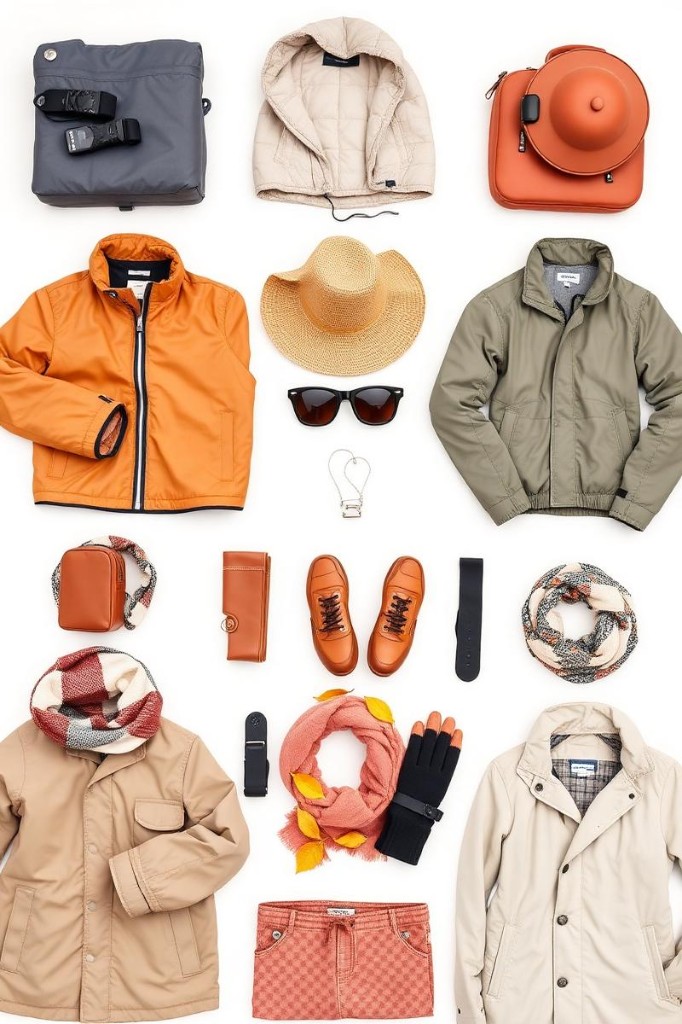
Travel clothing and gear by season

💰 Seasonal budget

PeriodAccommodation (€)Transport (€)Activities (€)Crowds (/5)Savings Tips
High season (Nov-Mar)80-200150-30050-1005/5Book 3 months in advance
Mid season (Oct, Apr)60-150120-25040-803/5Good quality-price compromise
Low season (May-Sep)40-10080-18030-601/5Discounts up to 50%
Khareef Dhofar (Jun-Sep)100-250200-35060-1204/5Book early, high demand

💡 Money-saving tips

  • Avoid December-February: most expensive period with maximum crowds
  • Prioritize October and April: excellent value for money with pleasant climate
  • Take advantage of May-September: significant discounts but intense heat
  • Book Khareef early: unique period but high prices in Dhofar
  • Negotiate in low season: flexibility from local providers

🏥 Health and precautions

General precautions:

  • Intensive hydration: 3-4 liters / 0.8-1 gallon of water per day minimum
  • Maximum sun protection: SPF 50+ cream, covering clothing
  • Avoid physical exertion between 10 AM and 4 PM in the hot season
  • Electrolytes: compensate for mineral salt loss
  • Gradual air conditioning: avoid significant thermal shocks
  • First aid kit: antiseptic, bandages for the desert
  • Travel insurance: covering medical evacuation if necessary

Events & Festivals in Oman

Cultural calendar and festivities not to be missed in Oman

Omani seasonal events punctuate the year and enrich the travel experience by revealing the millennial cultural richness of the Sultanate.

🎭 Muscat Festival (January-February)

Description: Oman's largest cultural event transforms the capital into a giant artistic stage. Traditional performances, international concerts, craft exhibitions, and local gastronomy blend in a unique festive atmosphere. The event attracts artists from around the world and celebrates Omani heritage.

Location: Parks and historical sites in Muscat

Special feature: Unique fusion of Bedouin traditions and international influences

Climate impact: Ideal period with mild temperatures allowing for outdoor activities

🌿 Khareef Festival (July-August)

Description: A unique celebration of the monsoon in Dhofar, this festival turns Salalah into a tropical destination. Folk dances, traditional music, and the discovery of lush nature attract thousands of visitors from the Gulf escaping the summer heat.

Location: Salalah and the Dhofar region

Special feature: The only festival in the world celebrating the monsoon in a desert environment

Climate impact: Perfectly coincides with the green transformation of the landscape

🏁 Oman Rally (February-March)

Description: An international automotive event crossing the Sultanate's spectacular landscapes. The rally highlights Omani geographic diversity, from mountains to deserts, offering a sporting spectacle in breathtaking natural settings.

Location: Circuit across the entire country

Special feature: Most geographically varied course in the world championship

Climate impact: Scheduled during the cool season for optimal conditions

Seasonal events

Cool season (October-April):

  • Omani National Day (November)
  • Jebel Akhdar Rose Festival (April)
  • Traditional camel races (December-March)

Hot season (May-September):

  • Khareef Festival in Salalah (June-September)
  • Summer festivals in the mountains (July-August)
  • Religious celebrations adapted to the climate

Responsible Travel in Oman

Sustainable tourism in Oman respects the fragile desert ecosystems, preserves limited water resources, and supports local communities facing climate challenges.

Oman is developing tourism that respects its unique environments: protection of sea turtles, preservation of oases, sustainable water management in the desert, and respect for the natural cycles of local wildlife adapted to extreme conditions.

🌱 Low-season advantages

Traveling during the low season reduces pressure on infrastructure, decreases the carbon footprint of transport, and supports the local economy in a more balanced way throughout the year.

♻️ Sustainable travel tips

  • Save water: a precious resource in the desert, take short showers
  • Respect wildlife: observe without disturbing, especially during breeding periods
  • Local transport: prioritize Omani guides and drivers
  • Plastic waste: bring a reusable water bottle, avoid disposable bottles
  • Responsible camping: leave no trace in the desert
  • Local crafts: support the traditional Omani economy

🏙️ Local sustainable initiatives

Oman invests in solar renewable energy, develops marine conservation programs for turtles, restores traditional irrigation systems (aflaj), and trains local communities in sustainable tourism.

Our Expert Recommendations

Expert recommendations for your trip to Oman

After analyzing detailed climate data and based on our field experience, we offer personalized recommendations to optimize your discovery of Oman. These tips incorporate regional weather variations, budgetary considerations, and seasonal cultural specificities to guarantee an unforgettable experience tailored to your expectations and traveler profile.

🌟 Optimal period: November to March

Recommended months: December, January, February

Advantages:

  • Ideal temperatures (20-28°C / 68-82°F) for all activities
  • Clear skies ensuring optimal sunshine
  • Perfect conditions for camping in the desert
  • Pleasant sea for swimming and water sports
  • Exceptional visibility for photography

Disadvantages:

  • High season with maximum rates
  • Significant tourist crowds

Ideal profile: First-time visitors, families, comfort travelers, photographers

⚖️ Balanced alternative: October and April

Alternative months: October, April

Description: Transition periods offering an excellent compromise between pleasant weather conditions and moderate rates

Specific advantages:

  • Temperatures still comfortable (25-32°C / 77-90°F)
  • Rates reduced by 20-30% compared to high season
  • Less tourist crowding
  • Flexibility in bookings

👥 Tips for your travel style

👨‍👩‍👧‍👦 Family: November-February, safe temperatures for children, varied activities. Avoid May-September entirely.

💰 Budget: October or April to save 30%, or May-September with extreme precautions against the heat.

🏔️ Adventure: December-February for mountain trekking, optimal desert camping. March-April for still acceptable conditions.

🏖️ Luxury: January-February, perfect season for high-end resorts, open-air spas, private excursions.

📸 Photographer: December-January, exceptional golden light, clear skies, optimal desert-mountain contrasts.

⚠️ Period to avoid: June to August (except Dhofar)

Extreme heat (40-45°C / 104-113°F) drastically limiting outdoor activities. Exception: Dhofar region during the Khareef for a unique monsoon experience.

Cities to explore

Discover the must-sees of urban travel

All cities

Frequently Asked Questions

Find answers to essential questions for planning your trip to Oman according to weather conditions.

What is the best time to visit Oman?

The optimal period is from October to April, with a peak from November to March. Temperatures are pleasant (20-30°C / 68-86°F), ideal for all activities. Avoid May to September when the heat can exceed 45°C / 113°F, except in Dhofar during the monsoon (June-September).

Can you visit Oman in summer?

Summer (May-September) is possible but difficult due to extreme heat (40-45°C / 104-113°F). The only exception is the Salalah region, which benefits from the Khareef monsoon with cool temperatures (22-28°C / 72-82°F) and unique lush vegetation.

What is the climate like in the Omani mountains?

The Hajar Mountains offer a cooler climate all year round. In winter, temperatures can drop to 5°C / 41°F at night on Jebel Shams. In summer, they remain bearable (25-35°C / 77-95°F) compared to the 45°C / 113°F in the plains, making the mountains a natural refuge.

When should I go to avoid crowds and save money?

October and April offer the best compromise: still pleasant climate (25-32°C / 77-90°F), rates reduced by 20-30%, and fewer crowds. May can also suit tight budgets but requires precautions against the rising heat.

Is there a rainy season in Oman?

Oman is generally very dry (15 days of rain/year). The only exception: Dhofar receives the Khareef monsoon (June-September) with up to 300mm / 11.8in of precipitation, transforming the region into a green oasis unique to the Arabian Peninsula.