When to visit Wahiba Sands? Desert Guide

Explore one of Oman's most beautiful deserts according to the seasons and live an authentic experience.

  • Arabic language
  • 5 days rainy days/year
  • from November to March best time to visit
  • 2 to 4 days recommended stay

Climate and weather in Wahiba Sands

Understanding the desert climate of Wahiba Sands

Wahiba Sands enjoys an arid desert climate characterized by extreme temperature variations between day and night. The proximity of the Indian Ocean slightly influences humidity, particularly in summer, making the heat more difficult to bear.

  • Heart of the desert: Most arid zone with the greatest temperature fluctuations
  • Eastern edge: Slight maritime influence, higher humidity
  • Western fringe: Transition towards the mountains, slightly more moderate temperatures
MonthMin Temp (°C / °F)Max Temp (°C / °F)Precipitation (mm / in)Sunshine (h/day)Tourist TrafficRecommended Activities
January12°C / 54°F26°C / 79°F8 mm / 0.3 in8★★★★Hiking, camping, photography
February15°C / 59°F28°C / 82°F12 mm / 0.5 in9★★★★Trekking, stargazing
March19°C / 66°F32°C / 90°F15 mm / 0.6 in9★★★★Dune exploration, safari
April24°C / 75°F37°C / 99°F8 mm / 0.3 in10★★★Sunrise, short excursions
May29°C / 84°F42°C / 108°F2 mm / 0.1 in11★★Morning activities only
June32°C / 90°F45°C / 113°F1 mm / 0.04 in11Not recommended except for experts
July34°C / 93°F47°C / 117°F1 mm / 0.04 in10Avoid
August33°C / 91°F46°C / 115°F2 mm / 0.1 in10Avoid
September30°C / 86°F43°C / 109°F1 mm / 0.04 in10Very limited activities
October25°C / 77°F38°C / 100°F2 mm / 0.1 in10★★Gradual return of activities
November19°C / 66°F32°C / 90°F3 mm / 0.1 in9★★★★All desert activities
December14°C / 57°F27°C / 81°F5 mm / 0.2 in8★★★★Camping, trekking, astronomy

Altitude variations in the dunes can create microclimates, with cooler temperatures in the hollows and warmer temperatures on wind-exposed ridges.

The seasons

Activities according to weather conditions

Wahiba Sands offers different experiences depending on weather conditions. Optimize your stay by adapting your activities to climatic variations.

🌙 In cool weather (November-March)

Optimal exploration

Cool conditions allow you to fully enjoy all desert activities without thermal constraints.

Recommended activities:
🏕️ Camping under the stars (nights at 12-19°C / 54-66°F) - All night - Free
🥾 Trekking on the dunes (sunrise/sunset) - 2-4h - Guide €40
📸 Panoramic photography (golden hour) - 1-2h - Free
🐪 Traditional camel trekking - 3-6h - €60-120
🚙 4x4 safari in the dunes - 4-8h - €80-150
⭐ Astronomy observation (clear sky) - All night - Free
🏛️ Visit Bedouin camps - 2-3h - €30-50

Practical tip: Book luxury camps 2-3 months in advance. Local guides offer the best authentic experiences.
Extra tip: Combine sunrise on the dunes with a Bedouin breakfast for an unforgettable experience.

🔥 In hot weather (April-October)

Morning activities only

Extreme heat requires activities very early in the morning or late in the evening, with maximum precautions.

Possible activities:
🌅 Sunrise on dunes (5am-7am) - 2h max - Guide mandatory
🚙 Morning express safari (5am-8am) - 3h max - €100-150
🏕️ Air-conditioned camps only - Night - €200-400
📸 Dawn photography (golden light) - 1h - Protective equipment
🐪 Short camel ride (6am-7am) - 1h max - €40

Best time of day: 5am-8am only, then mandatory rest until sunset
Seasonal tip: Avoid June-September unless you are a very experienced adventurer with a professional guide

💧 Transition activities

Adaptable

Some experiences adapt to climatic variations with appropriate adjustments.

Flexible experiences:
🏛️ Air-conditioned interpretation centers - All day - €10-15
🍽️ Traditional meals in tents - Depending on temperature - €25-40
🛍️ Bedouin crafts (covered workshops) - 2-3h - €20-30

Weather tip: Monitor forecasts and adapt your schedule. Sandstorms are rare but possible during seasonal transitions.
Example itinerary: Arrive at camp in late afternoon, sunset, dinner, night under stars, sunrise, early departure.

🎯 Authentic experiences

Cultural immersion

Discover authentic Bedouin culture adapted to climatic conditions.

Cultural experiences:
☕ Omani coffee ceremony - 1h - €15
🎵 Traditional musical evenings - 2-3h - €30
🍯 Local honey and date tasting - 30min - €10
🧵 Traditional weaving demonstrations - 1h - €20

Special days: Bedouin festivals in winter (December-February) with camel races
Budget tips: Bedouin families often offer more authentic and economical experiences than tour operators

Practical Guide

Prepare your desert adventure according to the climatic specifics of Wahiba Sands. Equipment and planning are crucial for a successful and safe experience.

👕 Seasonal packing

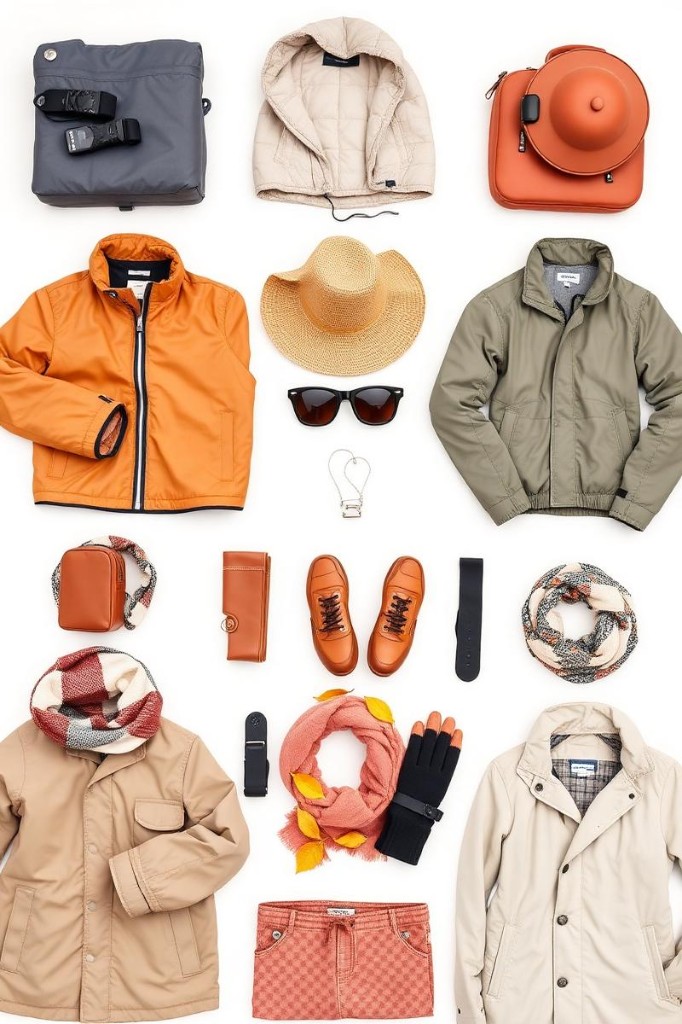
Cool season (Nov-Mar): • Layered clothing (significant temperature swings) • Closed-toe sand-proof shoes • Warm jacket for nights • Hat and sunglasses • High-protection sunscreen • Insulated water bottle

Hot season (Apr-Oct): • Long, light clothing (UV protection) • Breathable high-top shoes • Wide-brimmed hat mandatory • Category 4 sunglasses • SPF 50+ sunscreen • Multiple water bottles (3L / 0.8 gal minimum per day)
Travel clothing and gear by season

💰 Seasonal budget

PeriodDesert Camp (€/night)4x4 Guide (€/day)Meals (€/day)Activities (€)Traffic
Nov-Feb150-400100-15040-6050-120★★★★
Mar-Apr120-35080-13035-5540-100★★★
May-Oct60-20060-10025-4030-80
Dec-Jan200-500120-18050-7060-150★★★★★

💡 Money-saving tips

Book luxury camps 3 months in advance during high season. Local Bedouin guides are often cheaper and more authentic than agencies. Negotiate rates for stays of 3+ nights. Bring your own water and snacks to save money. Direct cultural experiences with families are more affordable.

🏥 Health and precautions

Intensive hydration: 4-5L / 1-1.3 gal minimum per day in summer • Maximum sun protection (extreme UV) • First aid kit adapted for the desert • Anti-allergy medication (sandstorms) • Medical evacuation insurance recommended • Satellite communication for isolated areas • Respect biological rhythms (mandatory siesta in summer)

Events and festivals

Calendar of cultural events in Wahiba Sands

Wahiba Sands comes alive according to the traditional Bedouin calendar, with authentic events that enrich the desert experience and reveal nomadic culture.

🐪 Camel Racing Festival (December-January)

The largest Bedouin gathering in the region transforms the desert into a festive arena. Tribes gather for traditional competitions, trade, and cultural celebrations in an authentic and colorful atmosphere.

Location: Temporary camps in the heart of the dunes
Highlight: Privileged access to authentic Bedouin culture, spectacular sunset races
Climate impact: Ideal period with cool temperatures, high local attendance, camp reservations essential
Transport access: 4x4 mandatory, local guides recommended to locate events
Planning tip: Book accommodation 4-6 months in advance, Bedouin guide contacts are essential

🌟 Astronomy Nights (November-March)

The exceptional conditions of the desert offer guided stargazing sessions led by local experts. The clear sky of Wahiba Sands reveals the Milky Way in all its splendor, creating unique contemplative experiences.

Location: Specialized camps with astronomical equipment
Highlight: Zero light pollution, exceptional visibility, Bedouin astronomer guides
Climate impact: Ideal cool nights, guaranteed clear skies, no moon for optimal viewing
Transport access: Transfers organized from Muscat or Sur
Planning tip: Check lunar calendar, bring warm clothing, reserve telescopes

🎭 Bedouin Poetry Festival (February-March)

A celebration of Bedouin oral tradition featuring poetry recitals, traditional storytelling, and desert music. Nomadic griots pass down cultural heritage in the magical atmosphere of the dunes under the stars.

Location: Natural amphitheater between the dunes
Highlight: Authentic cultural transmission, interactive participation possible
Climate impact: Perfect cool evenings, natural acoustics of the dunes, intimate atmosphere
Transport access: 4x4 access with specialized cultural guides
Planning tip: Learning a few words of Arabic is appreciated, respect cultural protocols

Seasonal events

Cool season: • Tribal gatherings (December-January) • Equestrian festivals (February) • Camel markets (November-March) • Eid celebrations (variable dates)

Hot season: • Morning spiritual retreats (May-September) • Traditional craft workshops (June-August) • Private family ceremonies (summer)

Transitions: • Bedouin migrations (April and October) • Date festivals (October-November) • Rare rain ceremonies (if precipitation occurs)

Responsible desert tourism

Preserve the fragile ecosystem of Wahiba Sands and respect the millennial Bedouin culture. Your choice of period influences environmental and social impact.

The Wahiba Sands desert is home to a unique ecosystem and traditional Bedouin communities. Responsible tourism involves respecting endemic wildlife, preserving dunes, managing waste in an environment without infrastructure, and authentically supporting local nomadic families.

🌱 Low-season advantages

Traveling in the off-season (April-May, October) reduces pressure on limited water resources, allows for more authentic interactions with Bedouins, avoids overcrowding fragile sites, and supports the local economy outside of peak tourist times.

♻️ Sustainable travel tips

Choose local Bedouin guides rather than large agencies • Strictly respect authorized camping areas • Take all your waste with you (no infrastructure) • Use water sparingly (precious resource) • Buy crafts directly from families • Avoid feeding wild animals • Respect the privacy of Bedouin camps

🏙️ Local sustainable initiatives

Bedouin communities are developing ecotourism with solar camps, traditional water management, preservation of historical caravan routes, protection of reintroduced Arabian oryx, and the transmission of ancestral desert navigation knowledge to tourist guides.

Our recommendations

Recommendations for your adventure in Wahiba Sands

After analyzing extreme weather conditions and cultural specifics, our recommendations are based on 15 years of experience in Omani desert tourism. The choice of period fundamentally determines the quality and safety of your experience, influencing possible activities, budget, comfort, and the authenticity of Bedouin encounters.

🌟 Optimal period: December to February

Recommended months: December, January, February

Advantages:
• Perfect daytime (22-28°C / 72-82°F) and nighttime (12-16°C / 54-61°F) temperatures
• Ideal conditions for camping and trekking
• Season of authentic Bedouin festivals
• Clear skies for astronomy and photography
• All desert activities possible

Key events: Camel races, tribal festivals, astronomy nights
Disadvantages: Maximum crowds, high rates (+50-100%), reservations required 3+ months in advance
Ideal profile: All travelers, families, photographers, culture lovers
Stay duration: 3-4 days recommended

💡 Interesting alternative: November and March

Alternative months: November, March

Excellent value-for-money compromise with conditions still very favorable but moderate crowds and rates. Temperatures are slightly warmer but perfectly bearable for all activities.

Specific advantages:
• Rates reduced by 30-40% compared to peak
• Fewer tourists, more intimate experience
• Interesting alternative cultural events
• Weather conditions still excellent

For whom: Flexible travelers, moderate budgets, those seeking authenticity

👥 Tips for your travel style

Family: December-February, camps with amenities, short activities, guides experienced with children
Budget: November/March, local guides, simple camping, negotiate long stays
Culture: January-February during festivals, Bedouin guides, family stays, traditional workshops
Adventure: December-January, multi-day trekking, wild camping, traditional navigation
Photography: January-February, optimal golden hours, clear skies, colorful events
First trip: December-January, organized tours, comfortable camps, experienced guides

⚠️ Periods to avoid: June to September

Months not recommended: June, July, August, September

Reasons:
• Dangerous extreme heat (45-47°C / 113-117°F)
• Activities limited to the early morning hours
• High health risks (dehydration, heatstroke)
• Major discomfort even in air-conditioned camps
• Tourist services reduced or closed

Nuances: Possible for very experienced adventurers with a professional guide and adapted equipment

Villes du même pays

All cities

Frequently Asked Questions

Answers to essential questions for planning your desert adventure according to the climatic specifics of Wahiba Sands.

What is the best month to visit Wahiba Sands?

January and February offer optimal conditions with pleasant daytime temperatures (24-28°C / 75-82°F), cool nights perfect for camping (12-16°C / 54-61°F), and the Bedouin festival season. December is also excellent but more crowded. November and March are great alternatives with better value, still very favorable conditions, and fewer tourists.

How many days should I plan for Wahiba Sands?

2 to 4 days depending on your goals. A weekend (2 days) allows you to discover the essentials: 4x4 safari, sunset/sunrise, night under the stars. Three days add trekking and deeper Bedouin encounters. Four days allow for full exploration with cultural activities, astronomy, and relaxation. Beyond that, the experience may become repetitive unless you are a desert enthusiast or professional photographer.

What to do in Wahiba Sands in case of a sandstorm?

Sandstorms are rare but possible during seasonal transitions. Stay in your camp, hermetically seal tents and vehicles, protect electronic equipment, and wear masks and goggles. Experienced guides usually anticipate these phenomena. It is an opportunity to discover Bedouin crafts, listen to traditional stories, or enjoy the covered areas of the camps to rest and plan subsequent activities.

Which events should not be missed in Wahiba Sands?

The Camel Racing Festival (December-January) is the major event offering exceptional authentic cultural immersion. Astronomy nights (November-March) reveal a sky of rare purity. The Bedouin Poetry Festival (February-March) transmits the millennial oral tradition. Spontaneous tribal gatherings during winter offer unpredictable but magical authentic encounters with nomadic communities.

What budget should I plan according to the season?

In high season (December-February): €200-500/night for luxury camps, €80-150/day for a guide, total budget €400-800/day. In moderate season (November, March): €120-350/night, €60-130/day for a guide, budget €250-600/day. Summer (April-October): €60-200/night, €60-100/day for a guide, but conditions are difficult. Add transport from Muscat (€150-200), meals (€25-70/day), activities (€30-150). Total budget for 2-4 days: €800-2500 depending on comfort and season.