When to visit Muscat? City-Trip Guide

Between tradition and modernity, Muscat reveals its charms according to the seasons in a desert climate tempered by the ocean.

  • 1.4 M population
  • Arabic language
  • 12 days rainy days/year
  • November to March best time to visit
  • 3 to 5 days recommended stay

Climate and Weather in Muscat

Understanding Muscat's subtropical desert climate

Muscat enjoys a subtropical desert climate tempered by its coastal position on the Gulf of Oman. The moderating effect of the ocean mitigates extreme temperatures, creating an urban microclimate that is more bearable than the interior of the country.

The Omani capital features a homogeneous climate with mostly seasonal variations. The proximity of the Indian Ocean influences humidity and tempers summer heat, while the surrounding mountains protect the city from desert winds.

MonthMin Temp (°C / °F)Max Temp (°C / °F)Precipitation (mm)Sunshine (h/day)Tourist TrafficRecommended Activities
January18°C / 64°F26°C / 79°F158★★★★☆Outdoor visits, souks
February19°C / 66°F28°C / 82°F209★★★★★Hiking, beaches
March22°C / 72°F32°C / 90°F189★★★★★Urban exploration
April26°C / 79°F37°C / 99°F810★★★☆☆Museums, shopping malls
May30°C / 86°F42°C / 108°F211★★☆☆☆Morning activities
June32°C / 90°F44°C / 111°F111★☆☆☆☆Air-conditioned interiors
July31°C / 88°F42°C / 108°F310★☆☆☆☆Malls, restaurants
August30°C / 86°F41°C / 106°F510★☆☆☆☆Nightlife
September28°C / 82°F39°C / 102°F210★★☆☆☆Early explorations
October25°C / 77°F36°C / 97°F110★★★☆☆Heritage tours
November22°C / 72°F31°C / 88°F59★★★★☆All activities
December19°C / 66°F27°C / 81°F108★★★★★Festivals, markets

Muscat's modest altitude (sea level to 300m / 984ft) limits thermal variations related to relief. Coastal districts remain cooler than the hinterland, which is particularly appreciated during the summer months.

Seasons in Muscat

Attractions by Weather

Optimize your stay by choosing your activities according to weather conditions to fully enjoy Muscat's treasures.

☀️ In good weather (Nov-March)

Optimal Outdoors

Take advantage of the mild temperatures to explore heritage sites and urban natural spaces.

Recommended Sites:
🏰 Sultan Qaboos Grand Mosque (2h, free, 8am-11am optimal)
🏛️ Al Alam Palace and government district (1h, free, late afternoon)
🏺 Muttrah Souks (2-3h, bargaining, cool morning)
🌊 Muttrah Corniche (1h walk, free, sunset)
⛰️ Al Mirani and Al Jalali Forts (exterior, 30min, panoramic view)
🌴 Qurum Park (relaxation, free, picnic possible)

Best time: 7am-10am and 4pm-6pm to avoid the midday sun
Seasonal Tip: December-February ideal, avoid March after 2pm

🏢 In hot weather (April-Oct)

Indoor and Air-Conditioned

Escape the intense heat in air-conditioned spaces while discovering modern Omani culture.

Recommended Sites:
🏛️ National Museum of Oman (3h, 5 OMR, 10am-5pm air-conditioned)
🛍️ Oman Avenues Mall (shopping, dining, cinema)
🏺 Bait Al Zubair Museum (2h, 3 OMR, private heritage)
🍽️ Traditional restaurants in Al Bustan or Chedi
🏺 Omani Craft Center (souvenirs, air-conditioned)
🎭 Royal Opera House Muscat (shows, architecture)

Weather Tip: Book morning slots for museums, afternoon for shopping
Practical Tip: Taxi/Uber recommended between sites, avoid walking 11am-4pm

🌤️ Versatile for all weather

Flexible and Adaptable

Sites offering indoor/outdoor options depending on current weather conditions.

Recommended Sites:
🏰 Fort complex (modular indoor/outdoor)
🛍️ Covered souks of Muttrah (shaded passages)
🍽️ Restaurants with retractable terraces

Weather Tip: Start with outdoors early in the morning, switch to indoors according to temperature
Sample Itinerary: 8am forts → 10am covered souks → 12pm air-conditioned restaurant → 4pm museum → 6pm corniche

💰 Budget-friendly and free

Discovery without cost

Explore Muscat with a controlled budget thanks to numerous free sites.

Free Sites:
🕌 Grand Mosque (free, dress code required)
🏛️ Al Alam Palace (exterior, photos allowed)
🌊 Muttrah Corniche and port (free walking)
🏺 Old Muscat historic district (heritage walk)

Free Days: Some museums offer free access on Friday mornings
Budget Tips: Local public transport, food markets, panoramas from the forts

Practical Guide

Essential tips to optimize your stay in Muscat according to climatic variations and the specifics of this Gulf capital.

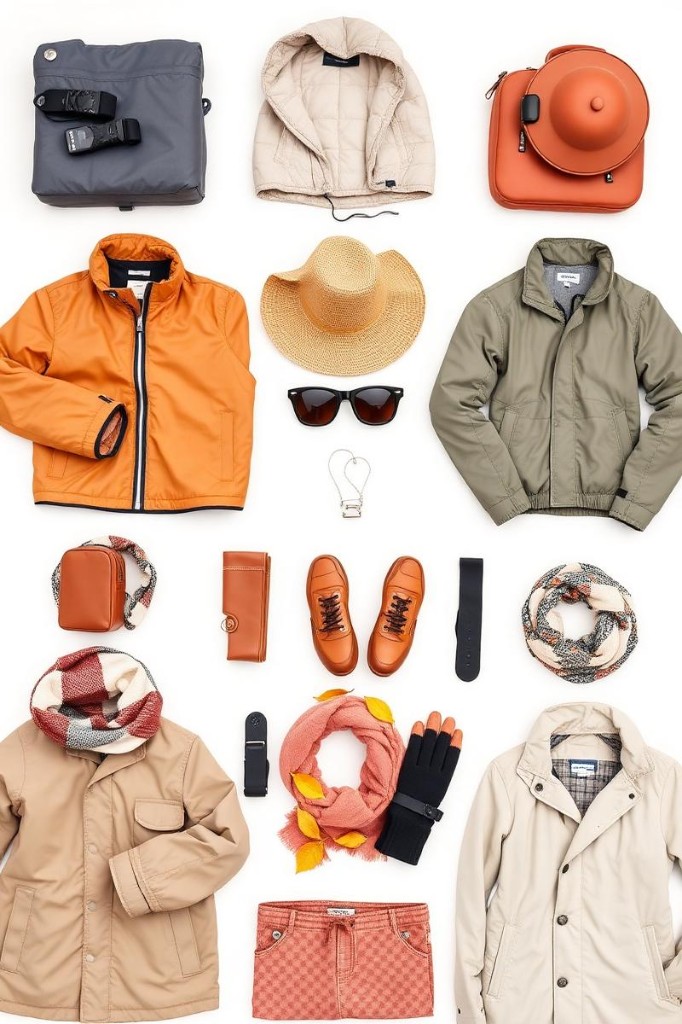
👕 Seasonal packing

Cool season (Nov-March): • Comfortable walking shoes for souk cobblestones • Light jacket for evenings (15-18°C / 59-64°F) • Hat and sunglasses • Respectful attire for mosques (arms/legs covered) • Lightweight ventilated backpack

Hot season (April-Oct): • Very light clothing, light colors • Maximum sun protection (SPF50+ sunscreen) • Permanent water bottle • Closed-toe shoes for air conditioning • Head scarf for protection • Frequent transitions between air-conditioned interiors and scorching outdoors
Travel clothing and gear by season

💰 Seasonal budget

PeriodAccommodation (€/night)Transport (€/day)Restaurants (€/day)Attractions (€)Traffic
Dec-Feb120-20025-3540-6015-25★★★★★
Mar-Apr100-16020-3035-5015-25★★★☆☆
May-Sep60-10015-2525-4010-20★☆☆☆☆
Oct-Nov80-14020-3030-4515-25★★★☆☆

💡 Money-saving tips

City Pass Muscat: cost-effective if visiting 3+ museums • Local restaurants for lunch vs international hotels (-50%) • Accommodation in Qurum/Azaiba districts vs city center (-30%) • Public transport vs private taxi (-70%) • Free events at mosques and cultural centers

🏥 Health and precautions

Intensive hydration mandatory (3L/day in summer) • Extreme sun protection (SPF50+, reapply every 2h) • Air conditioning: bring a light jacket to prevent thermal shock • 24h pharmacies in main malls • Beware of urban pollution during heat peaks • Intensive walking: frequent shade breaks

Cultural Events

Calendar of must-see events in Muscat

Cultural events punctuate life in Muscat and significantly enrich the urban experience depending on the season.

🎭 Muscat Festival (January-February)

Oman's largest cultural festival transforms the capital into a giant artistic stage with performances, exhibitions, and traditional entertainment in all historic districts.

Location: Multiple sites (Muttrah, Old Muscat, Qurum)
Highlight: Unique fusion of contemporary art and Omani traditions
Climate Impact: Ideal period (20-25°C / 68-77°F), peak attendance, reservations essential
Transport Access: Free shuttles between main sites
Planning Tip: Book accommodation 2 months in advance, rates +40%

🕌 Ramadan and Eid (variable dates)

An intense spiritual period that transforms the urban rhythm with evening opening of shops, family entertainment, and exceptional gastronomy in a unique festive atmosphere.

Location: City-wide, concentrated in Muttrah souks
Highlight: Authentic discovery of Omani Islamic culture
Climate Impact: Rhythm adapted to summer heat, intense nightlife
Transport Access: Enhanced public transport in the evenings
Planning Tip: Respect restaurant hours, explore night markets

🎵 Royal Opera House Season (Oct-April)

Prestigious international programming in one of the most beautiful opera houses in the Middle East, offering classical concerts, ballets, and traditional Omani performances.

Location: Royal Opera House Muscat (Shati Al-Qurum)
Highlight: Exceptional architecture blending Islamic and contemporary styles
Climate Impact: Season aligned with the optimal cool period
Transport Access: Taxi recommended, VIP parking available
Planning Tip: Online booking, elegant dress code required

Seasonal events

Cool season (Nov-March): • Oman National Day (November) • Muscat Book Fair (February) • International sports tournaments (Jan-March)

Hot season (April-Oct): • Indoor mall festivals • Ramadan and religious celebrations • Luxury hotel culinary events • Note: partial closures on Fridays and Islamic holidays

Responsible Tourism

Adopting an eco-friendly approach in Muscat helps reduce environmental impact while supporting the local economy.

Muscat is developing sustainable initiatives: electric public transport, smart urban air conditioning management, promotion of local crafts vs imports, enhanced recycling in hotels, and awareness of desert environment preservation.

🌱 Low-season advantages

Visiting during the hot season reduces tourist pressure, lowers the carbon footprint of overloaded infrastructure, and offers a more authentic cultural experience with locals.

♻️ Sustainable travel tips

• Prioritize public transport or shared taxis vs car rental • Local family restaurants vs international chains • Environmentally certified accommodation (Green Key) • Plastic reduction: reusable water bottle mandatory • Walking in historic districts • Buying local crafts in souks vs malls

🏙️ Local sustainable initiatives

Muscat invests in sustainable mobility with electric buses, bike-sharing in some districts, urban greening adapted to the desert climate, water recycling systems, and promotion of traditional architectural heritage.

Our Recommendations

Expert recommendations for your city trip to Muscat

After analyzing climatic data, tourist traffic, and cultural events, here are our personalized tips to optimize your discovery of Muscat according to your priorities and travel profile.

🌟 Optimal Period: December to February

Advantages:
• Perfect temperatures (18-28°C / 64-82°F) for urban exploration
• Optimal sunshine without excessive heat
• Muscat Festival and intense cultural season
• All outdoor activities possible
• Festive end-of-year atmosphere

Key Events: Muscat Festival, Royal Opera House season, Christmas markets
Disadvantages: Peak attendance, accommodation prices +40%
Ideal Profile: First-time visitors, families, culture lovers
Stay Duration: 4-5 days recommended

⚖️ Interesting Alternative: November and March

Months: November, March
Description: Ideal compromise between favorable weather and moderate crowds, with more accessible rates than in high season.
Specific Advantages: Fewer tourists, accommodation prices -25%, beginning/end of cultural season, still pleasant temperatures
For Whom: Flexible travelers, average budgets, couples, urban photography enthusiasts

👥 Tips for your travel style

Family: December-February, stay in Qurum Beach, activities in morning/late afternoon, malls for heat breaks
Budget: May-September, stay in Ruwi, public transport, local restaurants, free sites
Culture: January-March, Old Muscat, museums, festivals, Royal Opera House, traditional souks
Romantic: November-February, luxury hotels in Al Bustan, sunsets on the Corniche, gourmet restaurants
Weekend: Possible all year round, adapt activities to the season, 2-3 days sufficient
First Trip: December-February absolutely, English-speaking guide, Muttrah district as base, must-see sites

⚠️ Periods to avoid: June to August

Months: June, July, August
Reasons: Extreme heat (35-44°C / 95-111°F), outdoor activities impossible during the day, maximum energy consumption
Nuances: Acceptable for travelers experienced in hot climates, very tight budgets (accommodation -50%), or fans of air-conditioned urban culture

Villes du même pays

All cities

Frequently Asked Questions

Answers to essential questions for planning your city trip to Muscat based on climate and local specifics.

What is the best month to visit Muscat?

December to February offers optimal conditions with temperatures of 18-28°C / 64-82°F, perfect sunshine, and the richest cultural season. January remains the ideal month thanks to the Muscat Festival, despite the tourist crowds. For a budget/weather compromise, choose November or March for milder rates and still very pleasant temperatures.

How many days should I plan for Muscat?

3 to 5 days are enough to discover the essentials of Muscat at your own pace. A 3-day weekend covers the highlights (Grand Mosque, souks, forts, museums), while 4-5 days offer time to explore neighborhoods, enjoy urban beaches, and attend shows. In summer, allow an extra day to compensate for the pace slowed by the heat.

What to do in Muscat during extreme heat?

Take refuge in air-conditioned spaces: National Museum of Oman, Oman Avenues or City Centre malls, traditional restaurants, Royal Opera House. Schedule outdoor visits very early (6am-9am) or in the evening (6pm-8pm). The covered souks of Muttrah remain accessible thanks to their shaded passages and refreshing traditional architecture.

Which events should not be missed in Muscat?

The Muscat Festival (January-February) is the major event with free performances and entertainment throughout the city. The Royal Opera House season (October-April) offers prestigious international programming. During Ramadan, discover the night markets and the unique festive atmosphere. The National Day celebrations (November 18) also offer an authentic glimpse into Omani culture.

What budget should I plan according to the season?

In high season (December-February), expect 150-250€/day for a comfortable stay (accommodation 120-200€, meals 40-60€, transport 25-35€). In low season (May-September), the budget drops to 80-150€/day with accommodation at 60-100€. Attractions remain stable (15-25€/site) but restaurants often offer summer promotions. Expect +30% during major festivals.