When to visit the United Arab Emirates? Complete Guide

Between scorching deserts and air-conditioned oases, discover the secrets to a successful trip in this multifaceted destination.

  • 9.9 M population
  • Arabic language
  • 15 days rainy days/year
  • November to March best time to visit
  • 4 to 7 days recommended stay

Weather and Climate in the Emirates

Understanding the subtropical desert climate of the United Arab Emirates

The United Arab Emirates features two distinct climate zones influenced by the Persian Gulf and the Al Hajar Mountains. This geographical diversity creates notable variations between coastal areas and the desert interior, directly impacting your travel experience.

  • Gulf Coastal Zone: Humid subtropical climate with temperatures moderated by the sea
  • Desert Interior: Extreme arid climate with significant day/night temperature variations
MonthTemperature (°C / °F)Precipitation (mm / in)Humidity (%)
January18-24°C / 64-75°F10mm / 0.4in65%
April25-33°C / 77-91°F5mm / 0.2in55%
July30-42°C / 86-108°F0mm / 0in70%
October26-35°C / 79-95°F2mm / 0.08in60%

Altitude variations in the Al Hajar Mountains (up to 1,900m / 6,234ft) create cooler microclimates, which are particularly pleasant in summer.

Climatic Seasons

Climate by Emirate

Each emirate presents specific climatic nuances linked to its geographical position, terrain, and proximity to the Persian Gulf or the mountains, significantly influencing the travel experience.

🏙️ Dubai and Emirate of Dubai

The cosmopolitan jewel enjoys a coastal climate moderated by the sea breeze of the Persian Gulf. Massive urbanization creates heat islands, but air-conditioned infrastructure largely compensates. The proximity to the sea offers constant humidity that can become stifling in summer.

PeriodWeatherTemperatureRecommended Activities
Nov-Mar☀️ Sunny20-28°C / 68-82°FBurj Khalifa, beaches, souks
Apr-Oct🔥 Very hot32-42°C / 90-108°FMalls, aquariums

Specifics: Urban heat island effect, refreshing sea breezes, exceptional air-conditioned infrastructure.

🏛️ Abu Dhabi

The cultural capital has a slightly drier climate than Dubai, with comparable temperatures but often less oppressive humidity. Vast green spaces and artificial islands create pleasant microclimates.

PeriodWeatherTemperatureRecommended Activities
Nov-Mar☀️ Ideal19-27°C / 66-81°FLouvre, Grand Mosque, Corniche
Apr-Oct🌡️ Scorching31-44°C / 88-111°FMuseums, malls

Specifics: Slightly drier climate, occasional desert winds, refreshing urban vegetation.

🏔️ Ras al-Khaimah

The mountainous emirate offers the most varied climate thanks to the Al Hajar Mountains. Altitudes create cooler temperatures and slightly higher rainfall, particularly appreciated in summer.

PeriodWeatherTemperatureRecommended Activities
Nov-Mar🌤️ Perfect16-26°C / 61-79°FHiking, hot springs
Apr-Oct☀️ Hot28-40°C / 82-104°FHigh-altitude activities

Specifics: Mountain microclimates, cooler temperatures at altitude, occasional winter rainfall.

🏜️ Eastern Emirates

Sharjah, Ajman, Umm al-Qaiwain, and Fujairah present varied climates between the Gulf coast and the Indian Ocean. Fujairah, on the east coast, benefits from a slightly more humid climate with protective mountains.

PeriodWeatherTemperatureRecommended Activities
Nov-Mar☀️ Pleasant18-27°C / 64-81°FDiving, cultural heritage
Apr-Oct🔥 Intense30-43°C / 86-109°FMuseums, cultural centers

Specifics: Coastal diversity, mountain influence in Fujairah, preserved cultural heritage.

Practical Guide

A successful trip to the Emirates requires preparation adapted to climate extremes. From clothing to budget considerations, every aspect must account for significant seasonal variations to ensure comfort and safety.

👕 Seasonal packing

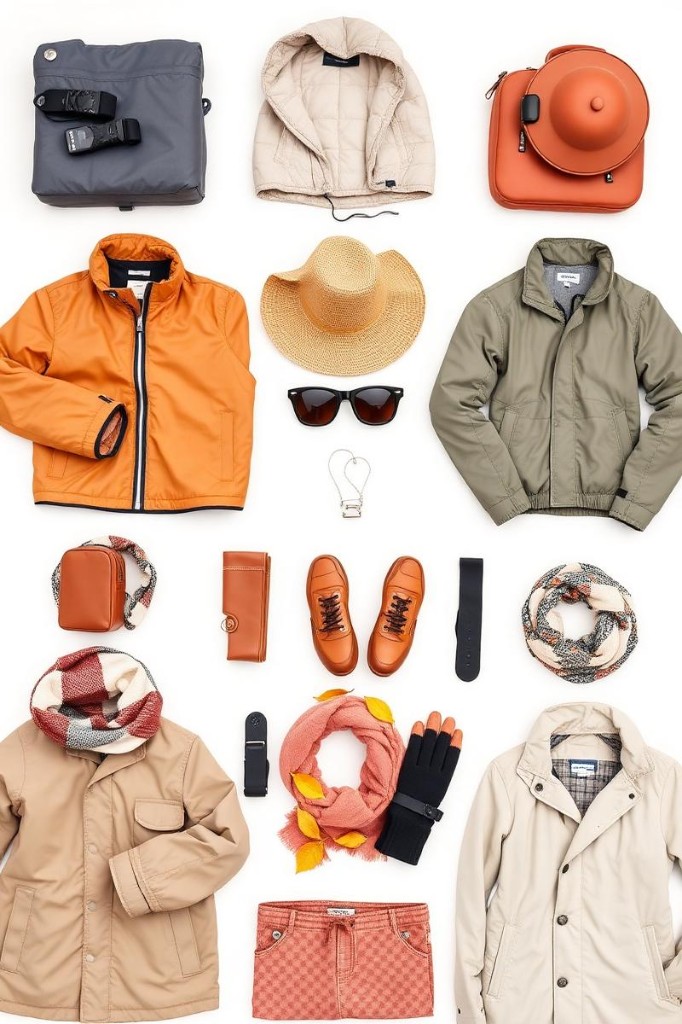
Cool Season (Nov-Mar): • Lightweight cotton clothing • Light jacket for evenings • Sun protection (hat, sunglasses) • Closed-toe shoes for the desert • Swimwear

Hot Season (Apr-Oct): • Ultra-light and breathable clothing • Frequent changes of clothes • High-SPF sunscreen • Insulated water bottle • Long clothing for air-conditioned areas

Travel clothing and gear by season

💰 Seasonal budget

PeriodAccommodation (€)Transport (€)Activities (€)Crowds (/5)Savings Tips
Nov-Mar200-500€/night80-150€/day100-300€/day5/5Book 6 months in advance
Apr-Jun100-250€/night60-100€/day80-200€/day3/5Take advantage of shoulder season offers
Jul-Sep80-200€/night50-80€/day60-150€/day1/5Negotiate rates on-site
October120-300€/night70-120€/day90-250€/day2/5Avoid weekends

💡 Money-saving tips

  • Avoid December-January for the best rates
  • Book restaurants in advance during high season
  • Take advantage of summer offers in luxury hotels
  • Use air-conditioned public transport
  • Plan indoor activities for the summer

🏥 Health and precautions

Essential precautions:

  • Hydration: Drink at least 3L / 101oz of water per day in summer
  • Sun protection: SPF50+ sunscreen mandatory year-round
  • Air conditioning: Bring warm clothing for indoors
  • Heatstroke: Recognize symptoms (nausea, dizziness)
  • Insurance: Medical coverage recommended for emergencies

Events & Festivals

Cultural calendar and festivities not to be missed in the United Arab Emirates

Seasonal events punctuate Emirati cultural life and significantly enrich the travel experience, especially during the cooler season.

🎭 Dubai Shopping Festival (January-February)

The world's largest shopping and entertainment festival transforms Dubai into a massive cultural stage. Street performances, fireworks, international concerts, and exceptional promotions in all malls create a unique festive atmosphere.

Location: Throughout Dubai

Highlight: Combines shopping, culture, and entertainment over 6 weeks

Climate Impact: Perfectly takes advantage of ideal winter temperatures

🏎️ Abu Dhabi Formula 1 Grand Prix (November)

An iconic night race at the Yas Marina Circuit, marking the start of the tourist season. The event attracts a high-end international crowd and offers exceptional VIP experiences in a futuristic architectural setting.

Location: Yas Marina Circuit, Abu Dhabi

Highlight: The only night F1 race with a day-to-night transition

Climate Impact: Perfect temperatures for prolonged outdoor activities

🎨 Art Dubai (March)

An international contemporary art fair that positions Dubai as a regional cultural hub. Galleries from around the world exhibit in a modern setting, accompanied by performances, conferences, and temporary urban installations.

Location: Madinat Jumeirah, Dubai

Highlight: A bridge between Western and Middle Eastern art

Climate Impact: End of the cool season, ideal for outdoor events

Seasonal events

Cool Season (Nov-Mar): • Dubai Shopping Festival (Jan-Feb) • Art Dubai (Mar) • Dubai World Cup (Mar) • Ramadan (dates vary)

Hot Season (Apr-Oct): • Dubai Summer Surprises (Jun-Aug) • Eid al-Fitr • Indoor air-conditioned events

Responsible Travel

Adopting an eco-responsible approach in the Emirates involves respecting the environmental challenges of the desert while supporting ambitious local sustainable initiatives.

The Emirates face unique environmental challenges: water scarcity, fragile desert ecosystems, and high energy consumption. Traveling responsibly means respecting these constraints while discovering remarkable local sustainable innovations.

🌱 Low-season advantages

Traveling in the low summer season reduces tourist pressure, promotes fair economic distribution, and decreases the collective carbon footprint of travelers.

♻️ Sustainable travel tips

  • Save water in hotels (a precious resource)
  • Use air-conditioned public transport (metro, tram)
  • Choose local restaurants rather than chains
  • Respect desert wildlife during safaris
  • Prioritize cultural activities over energy-intensive attractions
  • Avoid food waste (culture of sharing)

🏙️ Local sustainable initiatives

The Emirates are investing heavily in solar energy (Mohammed bin Rashid Al Maktoum Solar Park), sustainable desalination, and smart cities. These visionary projects are transforming the country into a laboratory for sustainable development.

Our Recommendations

Expert recommendations for your trip to the United Arab Emirates

After analyzing climatic and field data, our recommendations are based on 15 years of expertise in the region. The Emirates offer two distinct experiences depending on the chosen season, requiring planning adapted to the extreme but predictable conditions of the subtropical desert climate.

🌟 Optimal Period: November to March

Recommended Months: December, January, February

Climatic Advantages:
  • Ideal temperatures 20-28°C / 68-82°F day and night
  • Bearable humidity (60-70%)
  • Perfect sunshine without excessive heat
  • Optimal conditions for all activities
  • Pleasant swimming in the Gulf (22-25°C / 72-77°F)
Limitations:
  • Hotel rates at maximum (x3 vs summer)
  • High tourist crowds

Ideal Profile: Families, first-time visitors, culture and outdoor activity enthusiasts

⚖️ Balanced Alternative: October and April

Alternative Months: October (best), April

Justification: Transition periods offering an interesting compromise between acceptable climate and moderate rates. October remains preferable with decreasing temperatures.

Specific Advantages:
  • Intermediate rates (-30% vs high season)
  • Fewer tourist crowds
  • Climate still manageable (28-35°C / 82-95°F)
  • Better hotel availability

👥 Tips for your travel style

👨‍👩‍👧‍👦 Family: Prioritize December-February, book indoor activities as a backup. Absolutely avoid June-September.

💰 Budget: Try May-September for rates, but budget for air conditioning and indoor activities.

🏃‍♂️ Adventure: November-March for the desert, October-April for mountain hiking in Ras al-Khaimah.

💎 Luxury: January-February for the optimal experience, book 6 months in advance in palaces.

📸 Photographer: December-January for perfect golden light and clear skies, spectacular sunrises/sunsets.

⚠️ Period to avoid: July-August (extreme temperatures 40-45°C / 104-113°F, humidity 85-90%)

Cities to explore

Discover the must-sees of urban travel

All cities

Frequently Asked Questions

Find answers to essential questions to plan your trip to the Emirates according to optimal weather conditions.

What is truly the best time to visit the United Arab Emirates?

The optimal period is from November to March, with peak comfort in December, January, and February. Temperatures range between 20-28°C / 68-82°F, ideal for all activities. Avoid July and August, when 45°C / 113°F temperatures and 90% humidity make outings difficult.

Can you travel to the Emirates in summer despite the heat?

It is possible but very challenging. Pros: prices divided by 3, fewer crowds, giant air-conditioned malls. Cons: extreme heat (40-45°C / 104-113°F), stifling humidity, outdoor activities are impossible. Reserved for experienced travelers and tight budgets.

How should I dress for the seasons in the Emirates?

Winter (Nov-Mar): light clothing + jacket for evenings + sun protection. Summer (Apr-Oct): ultra-breathable fabrics + frequent changes of clothes + sweater for intense air conditioning. Always carry SPF50+ sunscreen.

What budget should I expect depending on the season?

High season (Dec-Feb): 300-600€/day all-inclusive. Low season (Jun-Sep): 150-300€/day. Luxury hotels offer exceptional rates in summer (-70%) but watch out for hidden costs (air conditioning, indoor activities).

Are there any health risks related to the climate?

The main risks are dehydration and heatstroke in summer. Drink at least 3L / 101oz of water per day, wear a hat, and avoid sun exposure from 11 AM to 4 PM. Intense air conditioning can cause thermal shock. No specific vaccines are required.