When to visit Saudi Arabia? Complete Guide

Between vast deserts and tropical coasts, Saudi Arabia reveals surprising climates depending on the seasons and regions.

  • 35.8 M population
  • Arabic language
  • 15 days rainy days/year
  • November to March best time to visit
  • 7 to 14 days recommended stay

Weather and Climate in Saudi Arabia

Understanding the arid desert climate of Saudi Arabia

Saudi Arabia features three distinct climatic zones influenced by its vast desert expanse, its coastlines on the Red Sea, and the Persian Gulf, creating significant variations for your trip.

  • Central Desert (Najd): The most arid zone with significant temperature fluctuations between day and night.
  • West Coast (Red Sea): Humid tropical climate with consistently high temperatures.
  • East Coast (Persian Gulf): A very humid and hot zone, especially in summer.
MonthRiyadh (°C / °F)Jeddah (°C / °F)PrecipitationConditions
January8-20°C / 46-68°F19-29°C / 66-84°FVery lowIdeal
April18-33°C / 64-91°F24-35°C / 75-95°FLowHot
July26-42°C / 79-108°F27-38°C / 81-100°FNoneExtreme
October16-35°C / 61-95°F25-35°C / 77-95°FVery lowPleasant

Variations in altitude in the Asir Mountains in the southwest create a cooler and more humid microclimate, contrasting with the desert plains.

Climatic Seasons

Climate by Saudi Region

The vast expanse of Saudi Arabia creates distinct regional microclimates. The coasts, mountains, and inland deserts offer varied climatic conditions influencing your travel itinerary.

🏜️ Central Region (Najd)

Description: The desert heart of the kingdom centered on Riyadh, characterized by an arid continental climate with strong day-night temperature fluctuations. This region houses the capital and many major historical sites.

Monthly Table:
PeriodWeatherTemperatureActivities
Nov-MarSunny dry8-25°C / 46-77°FSightseeing, hiking
Apr-OctVery hot20-45°C / 68-113°FIndoors only

Specifics: Significant thermal amplitudes (up to 20°C / 36°F difference), frequent sandstorms in spring, cool winter nights that can drop below 5°C / 41°F.

🌊 West Coast (Hejaz)

Description: Coastal region of the Red Sea including Jeddah and Mecca, characterized by a tropical climate with constant humidity. Temperatures remain high all year with little seasonal variation.

Monthly Table:
PeriodWeatherTemperatureActivities
Nov-MarHot humid19-32°C / 66-90°FBeaches, diving
Apr-OctVery hot25-40°C / 77-104°FEarly water sports

Specifics: High humidity year-round (70-90%), refreshing sea breezes, exceptional coral reefs, possibility of short winter rains.

🏔️ Mountainous Southwest (Asir)

Description: Unique mountainous region with altitudes exceeding 3000m / 9842ft, creating the most temperate climate in the kingdom. Abha and its surroundings offer relative coolness and lush landscapes.

Monthly Table:
PeriodWeatherTemperatureActivities
Nov-MarMild sunny5-22°C / 41-72°FHiking, villages
Apr-OctModerately hot15-30°C / 59-86°FTrekking, nature

Specifics: Only region with abundant natural vegetation, possibility of morning fog, cool temperatures at altitude, summer monsoon rainy season.

🛢️ East Coast (Eastern Provinces)

Description: Oil region bordering the Persian Gulf, characterized by extreme humidity and consistently high temperatures. Dammam and Al-Khobar endure the most challenging conditions in the country.

Monthly Table:
PeriodWeatherTemperatureActivities
Nov-MarHot very humid12-28°C / 54-82°FShopping malls
Apr-OctStifling22-42°C / 72-108°FAir-conditioned indoors

Specifics: Record humidity for the kingdom (up to 95%), amplified heat index, modern air-conditioned infrastructure, hot winds from the gulf.

Practical Guide for Saudi Arabia

Traveling to Saudi Arabia requires careful preparation adapted to extreme weather conditions. Our practical tips will help you optimize your comfort and budget according to the chosen season.

👕 Seasonal packing

Cool Season (November-March):

  • Light cotton clothing for the day
  • Sweater or jacket for evenings
  • Sun protection (hat, sunglasses)
  • Closed shoes for the desert
  • Scarf against wind and sand

Hot Season (April-October):

  • Very light, loose, and breathable clothing
  • Maximum sun protection
  • Wide-brimmed hat mandatory
  • SPF 50+ sunscreen
  • Insulated water bottle
  • Long clothing for religious sites
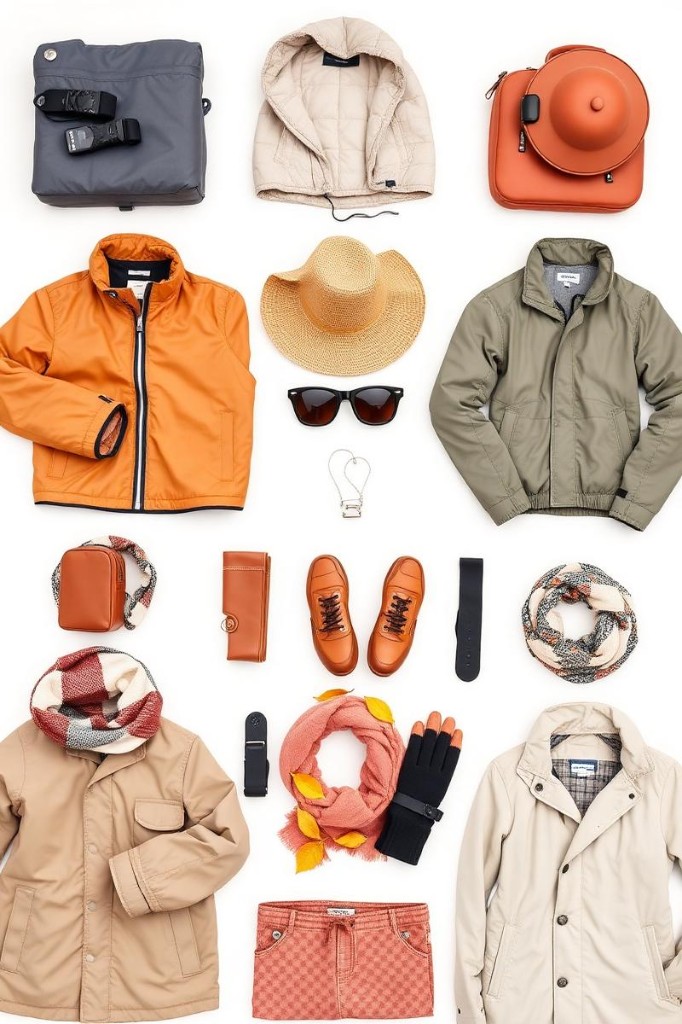
Travel clothing and gear by season

💰 Seasonal budget

PeriodAccommodation (€)Transport (€)Activities (€)Crowds (/5)Savings Tips
Nov-Jan150-40080-15050-1205/5Book 3 months in advance
Feb-Mar180-45090-17060-1404/5Avoid weekends
Apr-May100-28060-12030-802/5Negotiate rates
Jun-Sep80-20050-10020-601/5Major promotions
October120-32070-13040-1003/5Advantageous transition

💡 Money-saving tips

  • Avoid December-February: most expensive period with doubled rates.
  • Take advantage of summer: up to 60% discounts on accommodation and flights.
  • Book in advance: significant savings for high season.
  • Opt for packages: combined offers are often more advantageous.
  • Watch for Ramadan promotions: special rates outside of pilgrimage.

🏥 Health and precautions

  • Intensive hydration: Drink at least 3-4 liters of water per day in summer.
  • Sun protection: SPF 50+ sunscreen, reapply every 2 hours.
  • Avoid peak heat: Stay indoors between 11 AM and 5 PM in summer.
  • Electrolytes: Compensate for mineral loss through sweating.
  • Travel insurance: Covering heat-related emergencies.
  • Medication: Keep cool, bring sufficient stock.
  • Gradual acclimatization: Avoid intense physical effort during the first few days.

Saudi Events & Festivals

Cultural calendar and festivities not to be missed in Saudi Arabia

Saudi seasonal events reflect the kingdom's cultural richness and are perfectly adapted to local weather conditions for an optimal experience.

🎭 Riyadh Season (February-March)

Description: A mega cultural event transforming the capital into a giant artistic stage with international concerts, street performances, and exhibitions. The festive atmosphere permeates every neighborhood of the modern city.

Location: Multiple sites across Riyadh, with Boulevard City as the main hub.

Highlight: The largest festival in the Middle East featuring global artists.

Climate Impact: Scheduled during the cool season for spectator comfort.

🏎️ Formula 1 Grand Prix (March)

Description: A spectacular night race on the Jeddah street circuit, offering a unique experience under LED lighting. The event attracts motorsport enthusiasts from all over the world.

Location: Jeddah Corniche Circuit, Red Sea coast.

Highlight: The fastest night race on the F1 calendar.

Climate Impact: Nighttime scheduling to avoid daytime heat.

🎪 Heritage and Culture Festival (December-January)

Description: A celebration of Bedouin traditions featuring camel racing, falconry, traditional crafts, and authentic gastronomy. A total immersion into the desert heritage.

Location: Al-Janadriyah Cultural Village near Riyadh.

Highlight: Faithful recreation of traditional nomadic life.

Climate Impact: Held outdoors during the mildest period of the year.

Seasonal events

Cool Season (November-March):

  • Riyadh Season (February-March)
  • Saudi Season (October-March)
  • Heritage Festival (December-January)
  • F1 Grand Prix (March)

Hot Season (April-October):

  • Jeddah Summer Festival (July-August, indoors)
  • Air-conditioned cultural events (May-September)
  • Shopping festivals (June-August)

Responsible Travel in Saudi Arabia

Discovering Saudi Arabia responsibly involves respecting extreme climatic specificities and conservation efforts for this unique desert ecosystem.

The kingdom is developing ambitious sustainable initiatives to preserve its fragile ecosystems. Your trip can support these efforts by adopting practices that respect the desert's limited resources and local communities.

🌱 Low-season advantages

Traveling in the summer low season reduces pressure on tourist infrastructure and allows for a more equitable redistribution of local tourism revenue.

♻️ Sustainable travel tips

  • Save water: A precious resource in the desert, limit consumption.
  • Respect wildlife: Observe oryx and gazelles without disturbing them.
  • Shared transport: Prioritize shared desert excursions.
  • Zero waste: Carry out all your trash, especially in the desert.
  • Local crafts: Support traditional Bedouin communities.
  • Local guides: Favor the employment of resident populations.

🏙️ Local sustainable initiatives

Vision 2030 promotes renewable energy with NEOM, the 100% green futuristic city, and massive reforestation projects as part of the Saudi Green Initiative.

Our Expert Recommendations

Expert recommendations for your trip to Saudi Arabia

After analyzing official climate data and our field experience, we guide you to the best periods according to your priorities. Saudi Arabia reveals its treasures differently depending on the seasons, requiring planning adapted to the kingdom's extreme conditions.

🌟 Optimal Period: November to March

Recommended Months: December, January, February

Advantages:

  • Ideal temperatures 15-25°C / 59-77°F during the day
  • Constant clear and bright sky
  • All outdoor activities possible
  • Festivals and cultural events
  • Perfect conditions for the desert

Disadvantages:

  • High tourist season
  • High rates (+50% on average)

Ideal Profile: First-time visitors, families, culture and nature lovers

⚖️ Balanced Alternative: October and April

Alternative Months: October, late November, late March

Description: Transition periods offering an intelligent compromise between acceptable weather conditions and moderate rates.

Specific Advantages:

  • Bearable temperatures 20-30°C / 68-86°F
  • Intermediate rates (-30% vs high season)
  • Fewer tourist crowds
  • Easier accommodation availability

👥 Tips for your travel style

👨‍👩‍👧‍👦 Family: December-February is mandatory; absolutely avoid summer; plan indoor backup activities.

💰 Budget: May-September to save 60%; accept climatic constraints; prioritize air-conditioned sites.

🎒 Adventure: November-March for the desert; April-October only for experts; specialized equipment is mandatory.

✨ Luxury: January-February for optimal conditions; resorts with spas; VIP desert experiences at sunset.

📸 Photographer: December-January for golden light; avoid summer (heat haze); prioritize sunrise/sunset.

❌ Periods to avoid: June to September

Reasons: Extreme heat regularly exceeding 45°C / 113°F, stifling humidity on the coasts, increased health risks, outdoor activities impossible during the day.

Cities to explore

Discover the must-sees of urban travel

All cities

Frequently Asked Questions

Find answers to essential questions for planning your trip to Saudi Arabia based on weather conditions.

What is the maximum bearable temperature in Saudi Arabia?

Temperatures can exceed 48°C / 118°F in summer, especially in inland regions. For a comfortable trip, prioritize the November-March period with temperatures of 15-28°C / 59-82°F. Above 40°C / 104°F, outdoor activities become dangerous without proper preparation.

Can you visit Saudi Arabia during Ramadan?

Yes, but with significant adjustments. Restaurants close during the day, schedules are modified, and the atmosphere is calmer. However, evenings become very lively after breaking the fast. Check that Ramadan does not coincide with summer to avoid the double constraint.

Is special equipment needed for the Saudi desert?

In the cool season: light clothing, sun protection, and closed shoes are sufficient. In summer: survival equipment is essential, including large water reserves, technical anti-UV clothing, and mandatory professional guidance. Never underestimate extreme conditions.

Which region should I choose for a first trip?

The Riyadh region offers the best climatic compromise with moderate temperature variations. Avoid the east coast (too humid) and favor the west or center. The Asir mountains in the southwest offer the mildest temperatures year-round.

How to manage the omnipresent air conditioning?

Bring warm clothing for indoors as air conditioning is very powerful (often 18-20°C / 64-68°F). This 20-25°C / 36-45°F difference with the outside can cause thermal shock. Stay hydrated and acclimate gradually.