When to visit AlUla? City-Trip Guide

Explore the Nabataean city according to the seasons for an optimal experience between heritage and desert climate.

  • 5,000 population
  • Arabic language
  • 5 days rainy days/year
  • October to March best time to visit
  • 3 to 5 days recommended stay

AlUla Climate and Weather

Understanding AlUla's arid desert climate

AlUla enjoys an arid desert climate typical of northwestern Saudi Arabia. There are significant temperature variations between day and night, especially in winter. Latitude and moderate altitude influence temperatures, making certain periods more favorable for exploring open-air archaeological sites.

AlUla features a uniform desert climate with microclimates depending on the exposure and altitude of the various archaeological sites.

MonthMin Temp (°C / °F)Max Temp (°C / °F)Precipitation (mm)Sunshine (h/day)Tourist TrafficRecommended Activities
January5°C / 41°F20°C / 68°F58★★★★☆Site exploration, hiking
February8°C / 46°F23°C / 73°F39★★★★★All sites, photography
March12°C / 54°F28°C / 82°F89★★★★★Hiking, rock climbing
April17°C / 63°F33°C / 91°F1210★★★★☆Morning visits
May22°C / 72°F38°C / 100°F211★★★☆☆Sunrise/sunset viewing
June25°C / 77°F42°C / 108°F012★★☆☆☆Early morning visits
July27°C / 81°F44°C / 111°F012★☆☆☆☆Interpretation centers
August27°C / 81°F44°C / 111°F011★☆☆☆☆Indoor activities
September23°C / 73°F40°C / 104°F010★★☆☆☆Late afternoon
October18°C / 64°F35°C / 95°F29★★★★☆Hiking, exploration
November12°C / 54°F28°C / 82°F58★★★★★All sites, camping
December7°C / 45°F22°C / 72°F88★★★★☆Full exploration

Altitude variations between valleys and rock formations create notable temperature differences, which are particularly appreciated during hot summer days.

Seasons in AlUla

Sites by Weather Conditions

Optimize your discovery of AlUla by adapting your visits to weather conditions for a comfortable and enriching experience.

☔ In cloudy/windy weather

🏛️ Protected sites and interpretation centers

Justification: Rare windy or cloudy days are perfect for exploring indoor and semi-covered spaces.

Recommended Sites:
🏛️ AlUla Interpretation Center (2h, €25, year-round)
🎭 Maraya Theater (check schedule, €50-€150)
🏺 Nabataean Civilization Museum (1.5h, €15)
🎨 Contemporary Art Galleries (1h, free-€20)
🍽️ Restaurants with covered terraces
🛍️ Traditional covered souks
📚 Heritage Library (free)

Practical Tip: Online booking recommended to avoid queues; cultural pass available.

Extra Tip: Take advantage of free shuttles between sites to optimize travel in unfavorable weather.
☀️ In good weather

🏜️ Open-air archaeological sites

Justification: Sunny conditions reveal the full splendor of the rock formations and Nabataean tombs.

Recommended Sites:
🏛️ Madâin Sâlih - Hegra (3-4h, €95, Oct-Mar optimal)
🪨 Jabal AlFil - Elephant Rock (1h, €35, sunrise/sunset)
🏔️ Jabal Ikmah - Open Library (2h, €65, morning recommended)
🎭 AlJadidah - Arts Village (2h, €45)
🚁 Panoramic helicopter flights (30min, €400)
🐪 Camel treks (2-4h, €120)
⭐ Astronomical observations (2h, €80, clear nights)

Best Time of Day: Sunrise (6 am-8 am) and sunset (5 pm-7 pm) for exceptional golden light and mild temperatures.

Season Tip: Prioritize October-March, avoid June-August except very early morning.

🌤️ Versatile for all weather

🔄 Adaptable sites

Justification: These experiences combine covered and open spaces, adapting to changing conditions.

Recommended Sites:
🚌 Panoramic bus tour with flexible stops
🏨 Hotel complexes with spas and terraces
🍽️ Restaurants with indoor/outdoor spaces
🎪 Immersive sound and light experiences
🚗 4x4 routes with air-conditioned shelters

Weather Tip: Use local weather apps to adapt your itinerary in real-time based on conditions.

Example Itinerary: Morning outdoor sites if sunny, afternoon cultural centers, evening shows depending on weather.

💰 Free or budget-friendly

🆓 Accessible discovery

Free Sites:
🚶 Marked hiking trails
🌅 Panoramic viewpoints
📸 Iconic photo spots
🏛️ Historic city centers
🎨 Free-access art galleries

Free Days: Some museums offer free slots on Friday mornings for residents and visitors.

Budget Tips: Picnics in designated areas, free public transport, local markets for regional products, free drinking water points at sites.

Practical Guide

Prepare for your stay in AlUla with our practical recommendations adapted to the specifics of the desert climate and the requirements of intensive archaeological exploration. Significant temperature ranges and sun exposure require careful preparation of your gear.

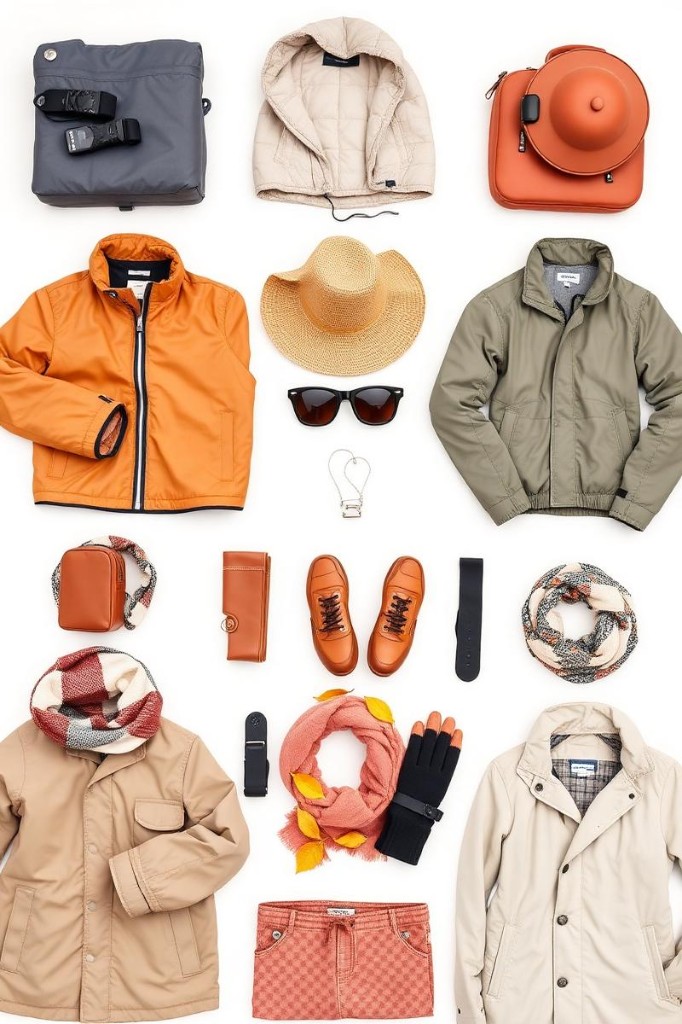
👕 Seasonal packing

Winter (Dec-Feb): • Closed hiking shoes • Layered clothing (t-shirt, fleece, jacket) • Long pants • Hat and sunglasses • Scarf for evenings

Spring/Autumn (Mar-May, Sep-Nov): • Breathable high-top shoes • Anti-UV technical clothing • Wide-brimmed hat • Lightweight windbreaker • Shorts and pants depending on activity

Summer (Jun-Aug): • Closed shoes mandatory • Light-colored long anti-UV clothing • Maximum sun protection • Wide-brimmed hat • Lightweight jacket for air conditioning
Travel clothing and gear by season

💰 Seasonal budget

PeriodAccommodation (€/night)Transport (€/day)Restaurants (€/day)Attractions (€)Traffic
High season (Nov-Mar)200-50080-12060-100200-400★★★★★
Shoulder season (Apr-May, Oct)150-35060-10050-80180-350★★★★☆
Low season (Jun-Sep)100-25040-8040-70150-300★★☆☆☆

💡 Money-saving tips

Smart Savings: 3-day AlUla Pass (15% savings on attractions), bundled accommodation-activity bookings, local restaurants vs. hotels, reusable water bottles (free fountains at sites), shuttle transport included in some tickets, organized camping in low season.

🏥 Health and precautions

Intensive hydration: 3-4L/day minimum, electrolytes in summer • Sun protection: SPF50+ sunscreen, frequent reapplication • Altitude: Gradual acclimatization for hikes • Pharmacy: First aid kit, personal medications • Emergencies: 24/7 AlUla Hospital, local emergency numbers • Insurance: Outdoor activity coverage mandatory

Cultural Events

Calendar of must-see events in AlUla

AlUla comes alive with exceptional cultural events that transform this archaeological city into a global artistic stage, enriching the tourist experience.

🎭 Winter at Tantora (December-March)

Description: An international cultural festival blending concerts, contemporary art, gastronomy, and immersive experiences in a unique archaeological setting. International and local artists perform at the Maraya theater and historical sites.

Location: Multiple sites - Maraya Theater, Hegra, cultural centers

Highlight: The only festival in the world organized within a Nabataean UNESCO site

Climate Impact: Climatically optimal period; high attendance requires booking at least 6 months in advance

Transport Access: Special shuttles from Medina, international charter flights

Booking Advice: Accommodations fill up quickly; festival-hotel packages are recommended

🏃 AlUla Skies Festival (February)

Description: An air sports and adventure festival combining paragliding, hot air balloons, desert races, and astronomy. Aerial acrobatic demonstrations against a backdrop of spectacular rock formations.

Location: AlUla Valley, designated airspace

Highlight: Unique air sports festival in a protected archaeological environment

Climate Impact: Takes advantage of favorable winter winds and perfect visibility

Transport Access: Organized transfers from Prince Abdul Majeed Airport

Booking Advice: Activities are subject to weather conditions; specialized insurance recommended

🌙 Desert Arts Festival (November)

Description: A celebration of Bedouin traditions and Saudi contemporary art featuring ephemeral art installations, Nabataean poetry, traditional crafts, and desert gastronomy under the stars.

Location: AlJadidah Cultural Village, traditional camps

Highlight: Authentic fusion between millennial heritage and contemporary creation

Climate Impact: Ideal nighttime temperatures for outdoor events

Transport Access: Organized 4x4 tours, traditional camel transfers

Booking Advice: Immersive experience with overnight camping; equipment provided

Seasonal events

Winter: • Maraya classical concerts (Dec-Feb, theater) • Weekly craft markets • Guided astronomical nights

Spring: • Desert food festival (March) • Photography competitions • Themed guided hikes

Summer: • Indoor cultural workshops • Outdoor evening cinema screenings • Archaeological lectures

Autumn: • Oasis harvest festival (Oct) • Temporary exhibitions • Daily sound and light shows

Responsible Tourism in AlUla

Discover AlUla while respecting its exceptional heritage and local communities, for sustainable tourism that preserves this archaeological treasure for future generations.

AlUla is developing an exemplary tourism model combining UNESCO heritage conservation, local economic development, and environmental protection. Visitors actively participate in this approach through their responsible choices and respect for fragile archaeological sites.

🌱 Low-season advantages

Visiting AlUla in the low season (June-September) reduces tourist pressure on fragile sites, allows for a more authentic experience with local communities, supports the local economy during the off-season, and reduces your carbon footprint.

♻️ Sustainable travel tips

Transport: Official electric shuttles, e-bikes, walking preferred • Accommodation: Certified ecolodges, sustainable traditional camps • Consumption: Local oasis products, authentic crafts, reusable bottles • Sites: Marked trails respected, certified local guides, no-flash photography • Waste: Zero waste at sites, recycling, minimal packaging

🏙️ Local sustainable initiatives

The Royal Commission for AlUla is developing innovative conservation programs: ecological restoration of oases, training for local guides, renewable energy for tourist sites, protection of endemic desert wildlife, revival of traditional oasis agriculture, and eco-responsible interpretation centers.

Our Recommendations

Expert recommendations for your discovery of AlUla

Our in-depth climate analysis and field expertise guide you to the optimal period based on your priorities. AlUla reveals different facets depending on the season: winter offers maximum comfort but high attendance, while shoulder seasons combine favorable conditions with a more authentic experience. Our recommendations integrate weather, crowds, cultural events, and prices for a tailored experience.

🌟 Optimal Period: November - March

Pros:
• Ideal temperatures 5-28°C (41-82°F) for intensive exploration
• Perfect conditions for hiking and outdoor sites
• Major cultural festival season
• Exceptional starry nights for astronomy
• Maximum comfort for families and seniors

Key Events: Winter at Tantora, Desert Arts Festival, Maraya concerts

Cons: Maximum crowds, premium rates, mandatory bookings well in advance

Ideal Profile: First-time visitors, families, photographers, culture lovers

Stay Duration: 4-6 days for full discovery

⚖️ Balanced Alternative: April and October

Description: Transition periods offering an excellent compromise between favorable weather conditions, moderate crowds, and reasonable prices.

Specific Pros: Still mild temperatures, fewer crowds at sites, intermediate prices, accommodation availability, exceptional photographic light

For Whom: Flexible travelers, average budgets, those seeking tranquility, photographers

👥 Tips for your travel style

Family: Nov-Feb, resort accommodations, short activities, interpretation centers

Budget: Jun-Sep, camping, bundled passes, local restaurants

Culture: Dec-Mar during festivals, specialized guides, UNESCO sites

Romantic: Oct-Nov, luxury hotels, sunsets, desert dinners

Weekend: Year-round, Riyadh flight, concentrated highlights

First Trip: Jan-Feb, organized tours, English-speaking guides, comprehensive insurance

⚠️ Delicate Periods: June - August

Reasons: Extreme heat 25-44°C (77-111°F) limiting outdoor activities, health risks from high exposure, major discomfort for site exploration

Nuances: Acceptable for experienced desert travelers, tight budgets, or very short stays focused on indoor experiences and sunrise

Villes du même pays

All cities

Frequently Asked Questions

Answers to essential questions for planning your discovery of AlUla based on the climate and unique features of this archaeological destination.

What is the best month to visit AlUla?

January and February offer optimal conditions with temperatures of 5-23°C (41-73°F), perfect for exploring archaeological sites. It is also the time of the Winter at Tantora festival. November and December are excellent alternatives with fewer crowds. Avoid June-August, when extreme heat (44°C / 111°F) severely limits outdoor activities.

How many days should I plan for AlUla?

4 to 5 days minimum allow you to discover the essentials: Madâin Sâlih (Hegra), Jabal AlFil, interpretation centers, and cultural experiences. Archaeology enthusiasts and hikers will appreciate 7-10 days to explore all sites, participate in festivals, and enjoy outdoor activities. A 3-day weekend is possible by focusing on the highlights.

What to do in AlUla during high heat?

Prioritize very early morning visits (6 am-9 am) and air-conditioned centers: museums, Maraya theater, art galleries, and restaurants. Nighttime sound and light shows remain pleasant. Plan mid-day naps in air-conditioned accommodations. Intensive hydration is mandatory (4L/day) along with maximum sun protection. Some sites offer air-conditioned shuttles.

Which events should not be missed in AlUla?

The Winter at Tantora festival (December-March) is the major event with international concerts at the Maraya theater. The AlUla Skies festival (February) features spectacular air sports. The Desert Arts Festival (November) celebrates Bedouin culture and contemporary art. Daily sound and light shows at archaeological sites are must-see experiences year-round.

What budget should I expect depending on the season?

In high season (Nov-Mar): €400-€800/day all-inclusive with premium accommodations. In shoulder season (Apr-May, Oct): €250-€500/day for standard comfort. In low season (Jun-Sep): €150-€350/day with advantageous rates but difficult conditions. Expect €200-€400 for activities/attractions per person, and €40-€120/day for transport depending on the season. The 3-day AlUla Pass saves 15% on major attractions.